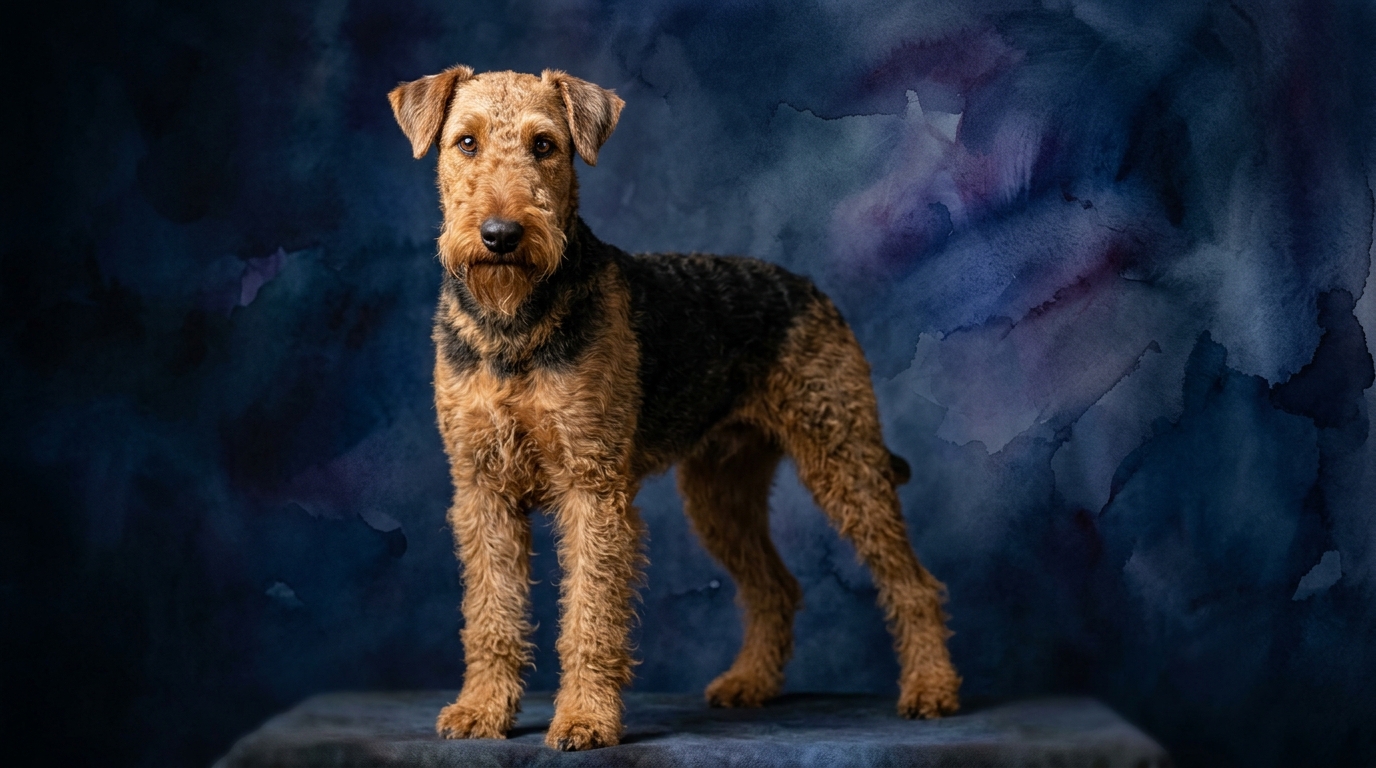
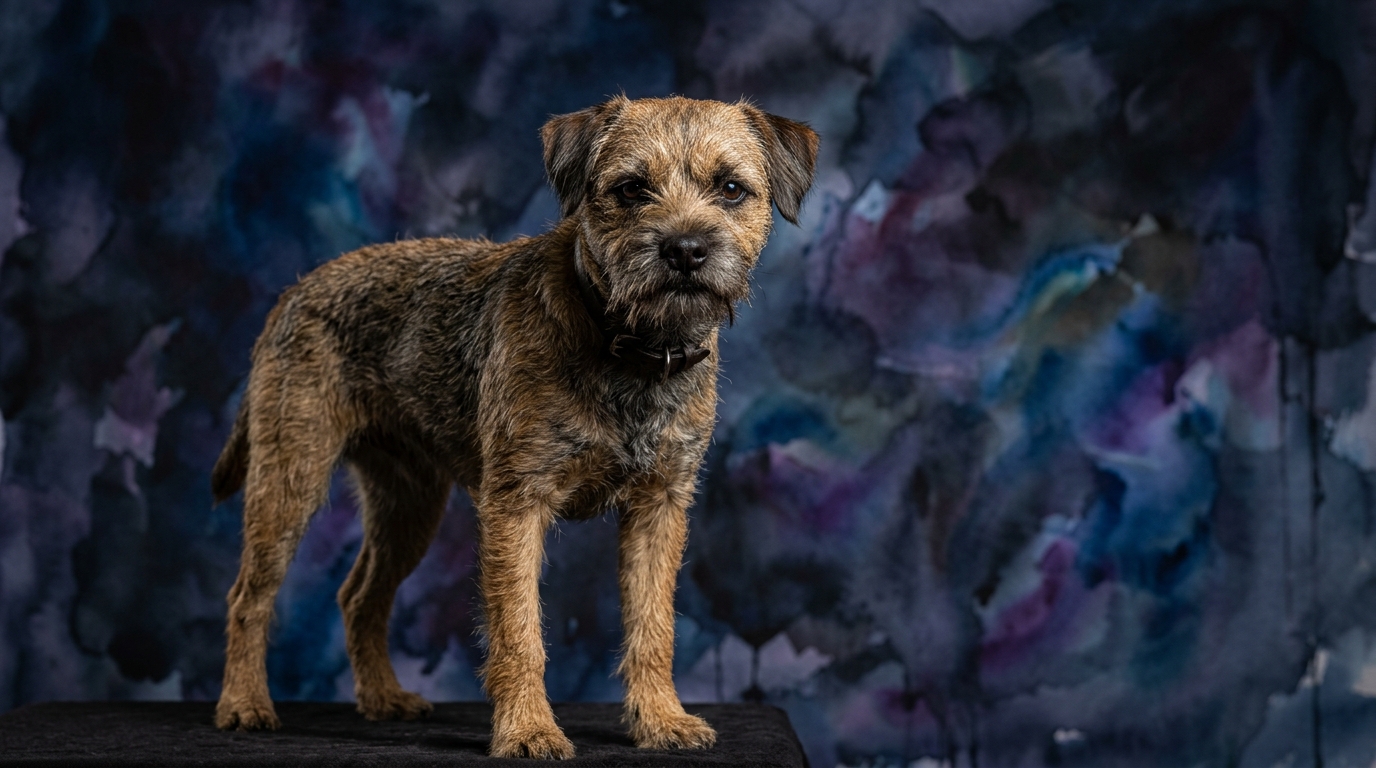
Side-by-Side IQ Profile: A Closer Look
The Airedale Terrier, often termed the 'King of Terriers,' exhibits a 4/5 in Problem Solving, reflecting its capacity for independent thought in complex tasks like hunting large game or performing police duties, where adapting to unpredictable situations is key. Its Training Speed of 4/5 speaks to a quick grasp of commands, though often paired with a terrier's characteristic independent streak, requiring consistent motivation. Social Intelligence at 3/5 suggests they can read human cues but often prioritize their own agenda or mission-oriented focus. Their Instinctive Drive, also 3/5, channels into strong prey drive and guarding tendencies, demanding outlets for these natural inclinations. Finally, a 4/5 in Memory enables them to retain extensive repertoires of commands and experiences, crucial for their diverse working history.
The Border Terrier, bred for 'going to ground,' shares the 4/5 Problem Solving score, but their application leans towards strategic navigation of tight spaces and persistent pursuit of quarry, requiring clever solutions in confined environments. A Training Speed of 4/5 indicates a rapid learning ability for specific tasks, often motivated by engagement and a clear purpose, though their tenacity can sometimes be channeled into stubbornness if not managed. Social Intelligence at 3/5 means they are generally responsive to their handlers but possess an inherent self-reliance honed by solitary hunting. Their 3/5 Instinctive Drive is a powerful force, primarily directed at small prey, fostering a relentless determination. With a Memory score of 4/5, Border Terriers effectively recall routines and learned behaviors, essential for efficient hunting and everyday living.
Where the Airedale Terrier Wins Cognitively
The Airedale Terrier's cognitive strengths shine particularly in tasks demanding a broader scope of understanding and more elaborate sequential problem-solving. Their historical roles as all-around working dogs, from hunting otters to serving in wartime, required them to process and execute multi-step commands in dynamic, often unpredictable environments. This means their 4/5 Problem Solving score often translates into devising strategies for larger-scale challenges, such as navigating complex scent trails or adapting to varied terrain while tracking, where a wider range of sensory input is processed and integrated. Their robust memory (4/5) supports the retention of extensive command sets and a detailed mental map of their surroundings, allowing them to perform intricate tasks with reliability over time, making them adept at sophisticated obedience work or service roles that demand a comprehensive understanding of their duties.
Where the Border Terrier Wins Cognitively
Conversely, the Border Terrier demonstrates a distinct cognitive edge in scenarios demanding intense focus, rapid decision-making, and unwavering persistence within constrained parameters. Their problem-solving (4/5) is uniquely geared towards 'going to ground,' where split-second judgments are crucial for navigating tunnels, outsmarting agile prey, and maintaining a determined pursuit. This isn't about broad strategic planning but rather immediate, tactical cleverness in a dynamic, enclosed space. Their instinctive drive (3/5), while numerically similar, is often expressed with an almost singular devotion to the hunt, making them exceptional at tasks requiring concentrated effort and an unshakeable resolve to achieve a specific, often singular, objective. This intense focus, combined with their sharp memory (4/5), allows them to quickly learn and execute highly specific, repetitive tasks with precision, making them remarkably effective in agility courses that mimic their natural prowess in tight turns and rapid maneuvers.
Training Dynamics: Airedale vs. Border Terrier
While both breeds achieve a 4/5 in Training Speed, the practical experience of training them diverges due to underlying behavioral traits. The Airedale Terrier, with its larger physical presence and historical mandate for independent decision-making, can present a more formidable challenge in terms of consistent compliance. Their pronounced self-reliance and sometimes strong will mean that while they quickly grasp concepts, they may choose to 'negotiate' or test boundaries, requiring a trainer who is patient, firm, and creative in maintaining engagement without resorting to overly repetitive drills. Their instinctive drive can also lead to distractions if not managed, as their focus might shift to a compelling scent or movement.
The Border Terrier, despite its own terrier tenacity, often channels its drive into a more directed energy when engaged with a handler in a structured setting. Their smaller stature and the historical need to work closely with humans during hunts can sometimes make them appear more handler-focused in training. While equally capable of stubbornness, their physical manageability and often eager-to-please nature, when properly motivated, can make the training process feel more fluid for some owners, especially in activities that tap into their natural agility and pursuit instincts. Success with both breeds hinges on understanding and channeling their inherent drives rather than trying to suppress them.
Matching Breeds to Lifestyles: Active vs. Relaxed Owners
For owners leading an active lifestyle, both breeds offer robust companionship, but with differing demands. The Airedale Terrier thrives with owners who can provide substantial daily exercise, including vigorous walks, runs, or structured playtime that engages both their body and mind. Their larger size means they require more space to stretch out and often benefit from activities like hiking, swimming, or even canine sports like tracking or advanced obedience. An Airedale can become restless and invent its own 'projects' if not adequately stimulated, which might not align with a relaxed household. They suit owners who enjoy outdoor adventures and are prepared to integrate their dog into a dynamic routine.
The Border Terrier also possesses significant energy and a need for mental engagement, but their smaller size can make them more adaptable to various living situations, including apartments, provided their exercise needs are consistently met. They excel in activities like agility, earthdog trials, or long brisk walks. While they can certainly keep up with very active owners, their need for sustained, high-intensity exertion might be slightly less than an Airedale's. For more relaxed owners, the Border Terrier *might* be a better fit if their definition of 'relaxed' still includes daily walks, puzzle toys, and consistent mental challenges, as their strong instinctive drive requires outlets to prevent boredom-induced behaviors. Neither breed is truly suited for a sedentary lifestyle, but the Border Terrier allows for a bit more flexibility in the *type* and *duration* of activity.
The Verdict
Choose an Airedale Terrier if you seek a robust, independent companion for varied adventures, capable of sophisticated problem-solving on a grand scale and thriving with an owner committed to extensive physical and mental engagement. They excel with experienced owners who appreciate a dog with a strong will and a desire for diverse activities.
Opt for a Border Terrier if you desire a tenacious, agile partner for focused activities, particularly those involving quick wits in confined spaces or persistent pursuit, and are prepared to channel their intense prey drive into structured training and consistent daily stimulation. They suit owners who enjoy active engagement and appreciate a dog with a compact but potent drive.
🧠 Find Your Pet's IQ Score
Our Pet IQ Lab assessment covers 25+ tests across 5 cognitive dimensions — personalized to your breed.
Take the Full IQ Test →Frequently Asked Questions
Are Airedale Terriers good family dogs given their social intelligence score?
Airedale Terriers can be excellent family dogs, especially with proper socialization from a young age and consistent training. Their 3/5 social intelligence means they are generally responsive but thrive in environments where their boundaries are respected and their independent nature is understood, making them loyal companions for active households.
Do Border Terriers require a lot of grooming compared to Airedales?
Border Terriers have a wiry double coat that requires minimal grooming, typically a weekly brush and hand-stripping a few times a year to maintain its texture. Airedale Terriers also have a wiry coat that benefits from regular brushing and hand-stripping or professional grooming every few months to prevent matting and maintain coat health.
Given their strong instinctive drives, are either of these breeds suitable for off-leash activities?
Both Airedale and Border Terriers possess strong instinctive drives, particularly a keen prey drive, which makes off-leash activities challenging and often risky in unsecured areas. While both can be trained for reliable recall, their instincts can override commands when a compelling scent or small animal is encountered, necessitating secure environments for off-leash freedom.