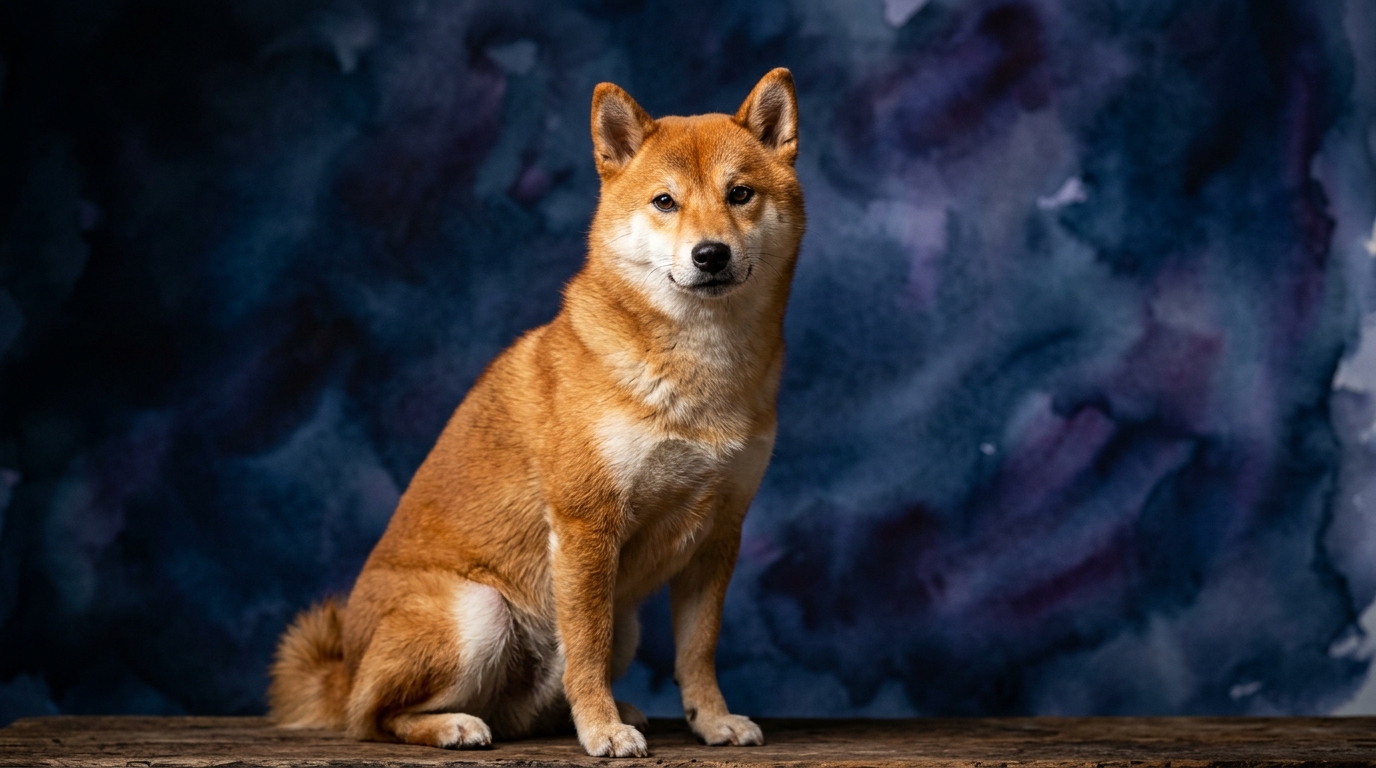
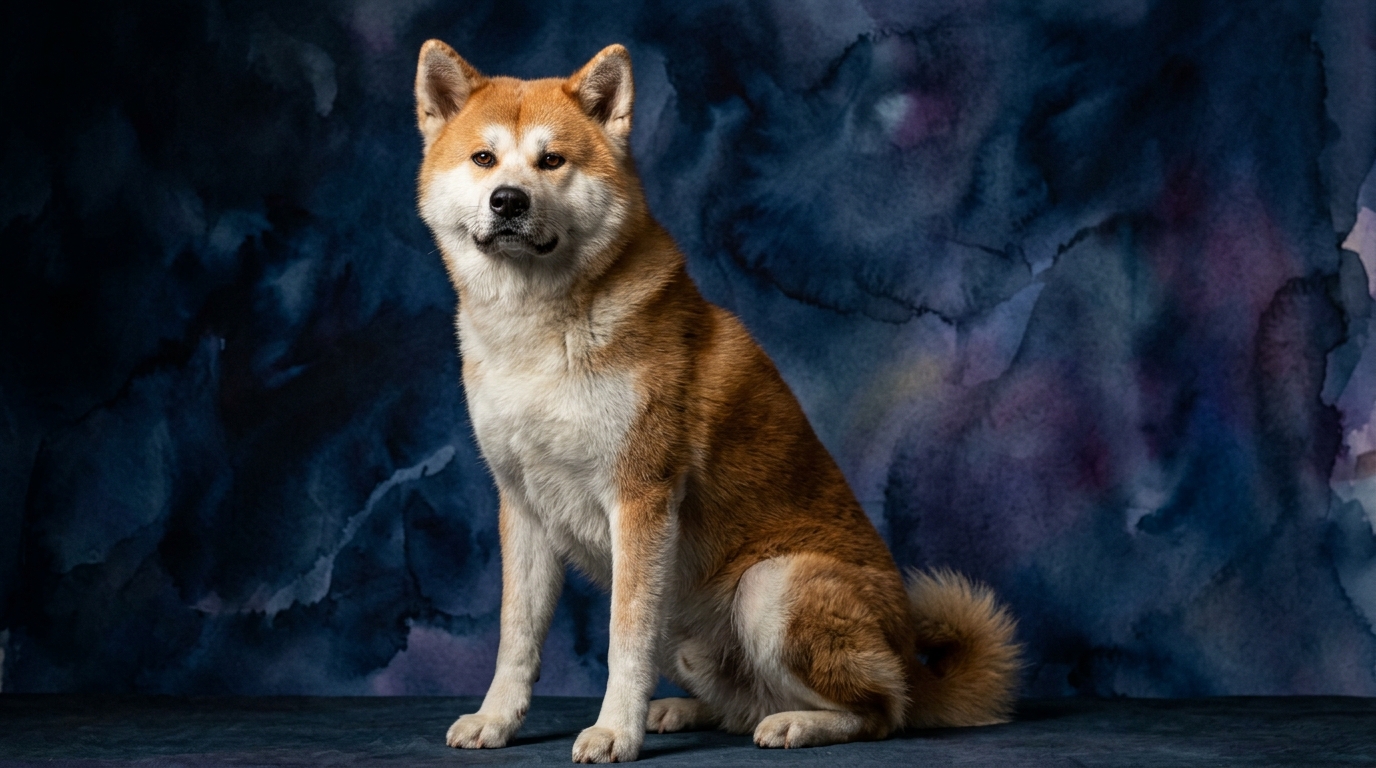
Side-by-Side Cognitive Profiles: Shiba Inu vs. Akita
At The Cosmic Pet Pet IQ Lab, we evaluate canine intelligence across five key dimensions, providing a nuanced understanding beyond simple obedience. The Shiba Inu, classified in the Non-Sporting group and unranked by Coren, presents a profile indicating strong independent thought: a notable Problem Solving score of 4/5 suggests a resourceful mind, while a Training Speed of 2/5 points to their selective compliance. Their Social Intelligence of 3/5 is average, indicating they can read cues but often choose not to, bolstered by an extremely high Instinctive Drive of 5/5, reflecting their primordial hunting roots. A Memory score of 4/5 means they retain information efficiently, for better or worse.
The Akita, a Working group breed with a Coren ranking of #54, shares some cognitive similarities but with distinct applications. Their Problem Solving score of 3/5 is slightly lower than the Shiba's, suggesting capability but perhaps less inclination for novel, spontaneous solutions. Like the Shiba, their Training Speed is 2/5, indicating a similar challenge in rapid command acquisition. Akitas also score 3/5 in Social Intelligence, often paired with their reserved demeanor, and possess an equally powerful Instinctive Drive of 5/5, manifesting as strong protective and guarding tendencies. Their Memory also rates 4/5, ensuring they hold onto learned behaviors and social interactions over time.
Where the Shiba Inu Cognitively Outshines the Akita
The Shiba Inu clearly leads in the realm of Problem Solving, scoring 4/5 compared to the Akita’s 3/5. This higher score suggests a canine with a more active, independent, and perhaps even cunning approach to navigating its environment and achieving its desires. Shiba Inus are adept at figuring out complex puzzles, such as opening latches, escaping enclosures, or devising creative ways to access forbidden items. This cognitive edge means they often learn through observation and experimentation, constantly testing boundaries and exploring intricate environments with a cleverness that can be both endearing and exasperating for their owners. Their problem-solving prowess is rooted in a capacity for resourceful thinking, making them quick to adapt to new situations and often finding unique solutions that may not align with human expectations. This isn't just about figuring things out; it's about a distinct mental agility that predisposes them to independent thought and self-directed action, occasionally interpreting rules in their own unique fashion rather than strictly adhering to human directives.
Where the Akita Demonstrates Unique Cognitive Strengths
While the Akita's raw scores are remarkably similar or slightly lower than the Shiba's in certain areas, its Coren ranking of #54, contrasted with the Shiba Inu’s unranked status, highlights a specific cognitive strength: a strong capacity for what Coren describes as 'obedience and working intelligence.' Despite an identical Training Speed score, the Akita’s placement suggests a greater inherent potential for consistent performance in structured command-response scenarios over time, once they accept the command as logical and worthwhile. This isn't necessarily about quick, spontaneous learning, but rather a profound dedication to purpose and a reliability in executing complex tasks with great focus and mental stamina. Their Problem Solving (3/5) often manifests as a practical application within a given task, driven by their powerful Instinctive Drive (5/5) to protect or work alongside their human companions. This deep-seated commitment to a chosen role, whether guarding the home or being a steadfast companion, represents a unique cognitive advantage rooted in their working heritage, emphasizing loyalty and dependable task execution over independent cunning.
Training Challenges: Shiba Inu vs. Akita
Both the Shiba Inu and the Akita present significant training challenges, a fact immediately evident from their identical Training Speed scores of 2/5. This rating signifies that neither breed is quick to pick up new commands or offers eager, consistent compliance. Their high Instinctive Drive (5/5 for both) further complicates matters, as these breeds are often profoundly self-motivated and less inclined to blindly follow commands that do not align with their intrinsic desires or perceived self-interest. This manifests as a strong will and independent nature, frequently interpreted as stubbornness by their human companions. The Shiba Inu, with its higher problem-solving aptitude, might actively attempt to outsmart an owner's training attempts, constantly seeking loopholes or alternative ways to avoid compliance. They learn quickly what they want to learn, and less so what they don't. Conversely, the Akita, while possessing a slightly lower problem-solving score, compensates with a strong sense of purpose and a reserved demeanor. Its training challenges might stem from its expectation for commands to be logical and its deep-seated guarding instincts, requiring trust and mutual respect rather than forceful instruction. Both breeds respond best to positive reinforcement, short, engaging sessions, and a trainer who understands their innate drives and independent spirit, rather than one expecting immediate, eager obedience. Forceful methods are often counterproductive, leading to resistance or resentment rather than compliance.
Ideal Companions: Active vs. Relaxed Owners
When considering either a Shiba Inu or an Akita, an owner's lifestyle is a critical factor, though neither breed is well-suited for a truly 'relaxed' owner seeking a low-maintenance companion. For active owners, both breeds can thrive, but require different approaches to engagement. The Shiba Inu, with its high Problem Solving (4/5) and Instinctive Drive (5/5), demands consistent mental and physical stimulation. They excel with active owners who can provide varied challenges like scent work, structured play, or agility, integrated into daily life to satisfy their clever minds and energetic bodies. Owners must be confident, consistent, and appreciate an independent companion who often operates on their own terms. Their Social Intelligence (3/5) means they might tolerate children but aren't typically enthusiastic participants in boisterous play, requiring careful management.
The Akita, a powerful breed with an equally high Instinctive Drive (5/5), also requires structured exercise and mental engagement. They are better suited for active owners who appreciate a steadfast, protective companion and possess the experience to provide firm, consistent leadership. Long, purposeful walks, obedience training, and opportunities for scent work can satisfy their drives. Their reserved nature and strong guarding instincts mean they thrive with owners who can diligently manage their social interactions and provide clear boundaries, especially in homes with older, respectful children. For genuinely relaxed owners, neither breed is a good fit. Their substantial needs for mental and physical engagement, combined with their strong-willed independence and average training speeds, can quickly overwhelm those unprepared for the commitment, potentially leading to behavioral issues stemming from boredom and lack of direction. Both demand an involved, patient, and knowledgeable human partner.
The Verdict
Choose the Shiba Inu if you are an active, experienced owner who enjoys a clever, independent companion capable of out-thinking challenges and are prepared for consistent, creative training to channel their quick wit.
Opt for the Akita if you seek a dedicated, protective family member and possess the experience to provide structured leadership, consistent socialization, and robust exercise, valuing a canine companion defined by profound loyalty and steadfast purpose.
🧠 Find Your Pet's IQ Score
Our Pet IQ Lab assessment covers 25+ tests across 5 cognitive dimensions — personalized to your breed.
Take the Full IQ Test →Frequently Asked Questions
Are Shiba Inus or Akitas good with children?
Both breeds possess strong instincts and can be reserved. While well-socialized individuals might coexist with respectful children, constant supervision and careful introductions are crucial due to their independent natures and potential for protective behaviors. Neither is inherently tolerant of rough play or lack of boundaries, requiring diligent training for both dog and child.
Do Shiba Inus or Akitas bark a lot?
Shiba Inus are known for their "Shiba scream" – a distinct, high-pitched vocalization often used in excitement or distress, but they aren't typically excessive barkers. Akitas tend to be more reserved vocally, only barking when they perceive a real threat or something significant. Both will use their voice to communicate, but neither is generally considered a nuisance barker compared to some other breeds.
What kind of owner is best suited for a Shiba Inu or Akita?
Both breeds thrive with experienced, confident owners who understand independent, strong-willed dogs. They require individuals committed to consistent positive reinforcement training, early and ongoing socialization, and providing ample mental and physical stimulation. Owners must be prepared to be leaders who earn respect, rather than demand it, guiding these intelligent companions with patience and understanding.