Side-by-Side Cognitive Profile: Unpacking Identical Scores
At first glance, the American Foxhound and Chinese Crested appear to be cognitive twins, both scoring 3/5 in Problem Solving, Training Speed, Social Intelligence, Instinctive Drive, and Memory. However, these identical numerical ratings mask a fascinating divergence in how these capabilities are expressed and applied within each breed's unique behavioral framework.
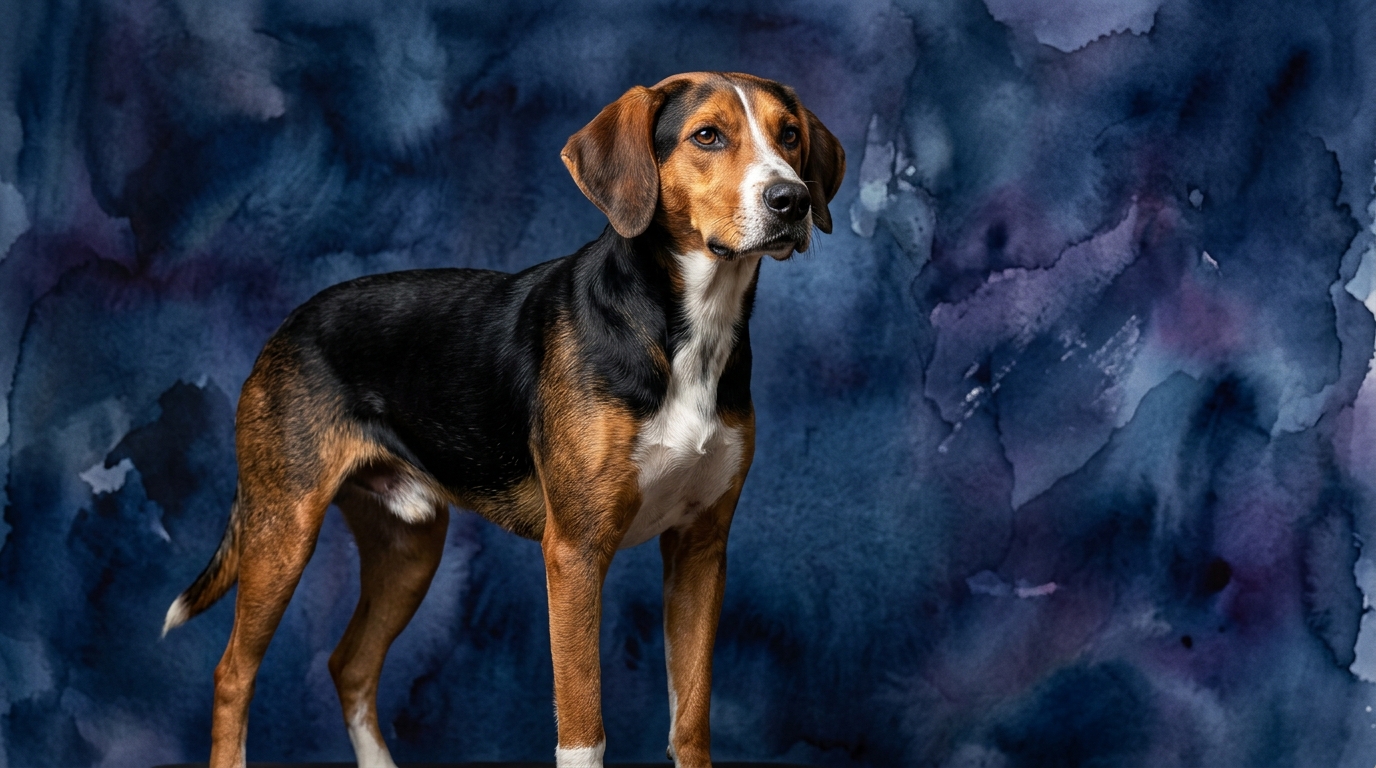
For the American Foxhound, a breed forged for the hunt, Problem Solving (3/5) is less about intricate puzzles and more about practical navigation: how to efficiently traverse diverse terrain, locate a lost scent, or overcome a natural obstacle in pursuit of a trail. Their Training Speed (3/5) reflects an ability to learn, but often with the caveat of a strong independent streak; commands must compete with the compelling call of an interesting scent. Social Intelligence (3/5) manifests as an understanding of pack dynamics and a generally amiable disposition towards other dogs, though they can be reserved with unfamiliar humans. Their Instinctive Drive (3/5) is profoundly rooted in their powerful olfactory sense and the urge to chase, a core aspect of their being. Finally, Memory (3/5) excels in recalling scent patterns, geographical layouts of hunting grounds, and established routines, rather than complex, abstract sequences.
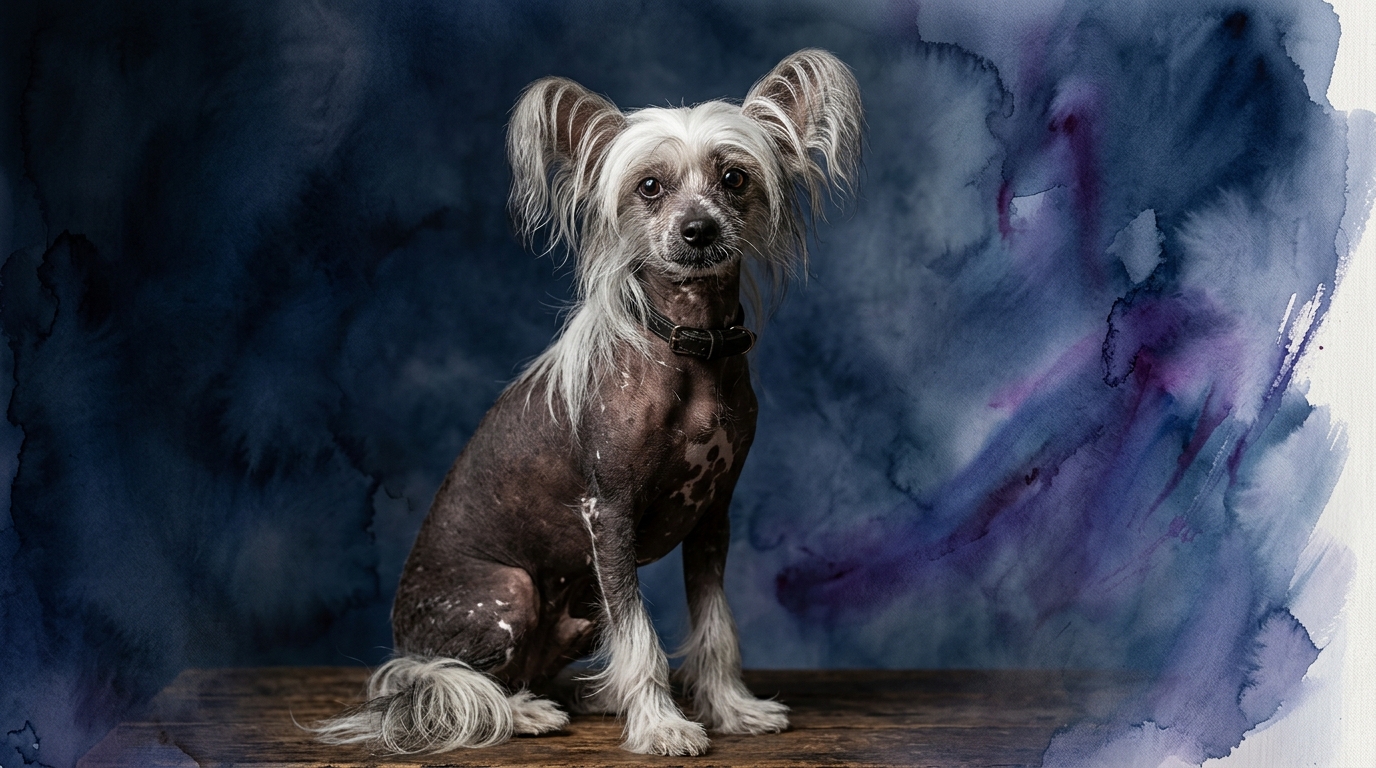
The Chinese Crested, a companion breed, interprets these same scores through a different lens. Their Problem Solving (3/5) often involves navigating the domestic environment: figuring out how to access a favorite sunny spot, manipulating a toy to get a treat, or subtly communicating a need for attention. Training Speed (3/5) is influenced by their desire to please their primary human, allowing them to pick up commands with reasonable efficiency, though their sensitive nature requires gentle, positive reinforcement. Social Intelligence (3/5) is highly refined towards human emotional cues and interactions, forming deep bonds and often anticipating their owner's moods. Their Instinctive Drive (3/5), while not typically for hunting large prey, can include a surprising aptitude for agility, climbing, or even a focused pursuit of small vermin, but is predominantly channeled into companionship and comfort-seeking behaviors. Memory (3/5) is sharp for recalling household routines, preferred sleeping spots, and the specific habits of their human family members.
Where the American Foxhound Shows Cognitive Edge
The American Foxhound's cognitive strengths distinctly emerge in contexts demanding sustained focus on a singular objective, particularly when guided by olfaction. Their problem-solving (3/5) shines not in intricate parlor games, but in the relentless pursuit of a scent, demonstrating an ability to ignore distractions and navigate complex terrains with purpose. This breed exhibits a remarkable internal compass, often making independent decisions based on sensory input rather than constant human direction. Their memory (3/5) is particularly robust for recalling scent patterns and established hunting routes, allowing them to retrace steps or anticipate turns in a chase. Furthermore, their instinctive drive (3/5) is a wellspring of endurance and determination, fueling a cognitive persistence that few breeds can match when engaged in their primary function.
Where the Chinese Crested Shows Cognitive Edge
Conversely, the Chinese Crested demonstrates cognitive advantages in the realm of social interaction and adaptability within a domestic setting. Their social intelligence (3/5) is finely tuned to human emotional states and routines, often anticipating their owner's needs or moods with a subtle sensitivity. This breed's problem-solving (3/5) frequently manifests in clever ways to gain attention or comfort, such as figuring out how to open a cabinet for a favorite toy or strategically positioning themselves for a cuddle. Their memory (3/5) is adept at recalling intricate household schedules, the location of favored resting spots, and the specific habits of their human companions. While their instinctive drive (3/5) might not be for the chase, it is powerfully directed towards forming deep, reciprocal bonds, making them highly motivated by positive reinforcement rooted in affection and connection.
Training Dynamics: Foxhound's Independence vs. Crested's Connection
Despite identical 3/5 scores in training speed, the practical experience of training an American Foxhound versus a Chinese Crested can differ considerably due to their inherent behavioral blueprints. The American Foxhound, with its strong instinctive drive (3/5) for scent work and historical independence as a hunting dog, often perceives training as secondary to the allure of a captivating odor. Their focus can be singularly directed outwards, making recall particularly challenging if a compelling scent trail is present. Training success with a Foxhound demands immense patience, consistency, and a deep understanding of how to make commands more rewarding than environmental stimuli.
Conversely, the Chinese Crested, while also scoring 3/5, tends to be more attuned to human companionship and approval. Their social intelligence (3/5) often translates into a greater willingness to engage with their owner during training sessions. While they can be sensitive and easily disheartened by harsh methods, their desire to please and their memory (3/5) for positive reinforcement experiences can make them relatively quicker to pick up commands, especially if training is framed as a fun, bonding activity. Their problem-solving (3/5) might even be applied to figuring out what their human wants from them to earn a reward.
Matching Canine Cognition to Owner Lifestyle
For owners with an active lifestyle, particularly those who enjoy outdoor adventures or have a passion for scent-based activities, the American Foxhound is often the more compatible choice. Their robust instinctive drive (3/5) and need for significant physical exertion mean they thrive in environments where they can run, explore, and engage their powerful noses. A Foxhound requires substantial daily exercise to remain content and prevent boredom-induced behaviors, making them unsuitable for sedentary households. Their independent problem-solving (3/5) when on a trail also means they appreciate owners who can provide outlets for this natural inclination.
In contrast, the Chinese Crested is an ideal companion for more relaxed owners. While they enjoy playtime and short walks, their primary need is for close human companionship and comfort. Their social intelligence (3/5) makes them excellent house pets who are content to cuddle on the couch or play indoor games. They adapt well to apartment living, provided their human is present and engaged, making them a superb fit for individuals or families seeking a devoted, less physically demanding canine presence.
The Verdict
Choose the American Foxhound if you crave an independent, scent-driven companion for endurance activities and can provide extensive outdoor exercise and consistent, patient training tailored to their hunting instincts.
Choose the Chinese Crested if you seek a sensitive, devoted indoor companion who thrives on close human interaction and has moderate exercise needs, offering a strong bond with positive, gentle training.
🧠 Find Your Pet's IQ Score
Our Pet IQ Lab assessment covers 25+ tests across 5 cognitive dimensions — personalized to your breed.
Take the Full IQ Test →Frequently Asked Questions
Are American Foxhounds good family pets?
Yes, American Foxhounds can integrate well into active families who understand and can meet their significant exercise requirements. They are generally good with children and other dogs, though their strong prey drive means careful introductions to smaller non-canine pets are essential.
Do Chinese Crested dogs shed much?
The Hairless Chinese Crested sheds almost nothing, making them an excellent choice for individuals with allergies. The Powderpuff variety, with its soft double coat, sheds minimally compared to many other breeds, primarily during seasonal changes.
What kind of mental stimulation do these breeds need?
American Foxhounds thrive on mental engagement through scent work, tracking games, and long walks that allow them to explore with their powerful noses. Chinese Crested dogs benefit from puzzle toys, learning new tricks, and engaging in interactive play with their owners that leverages their social intelligence and desire for connection.