The Cosmic Pet Pet IQ Lab: A Side-by-Side Cognitive Profile
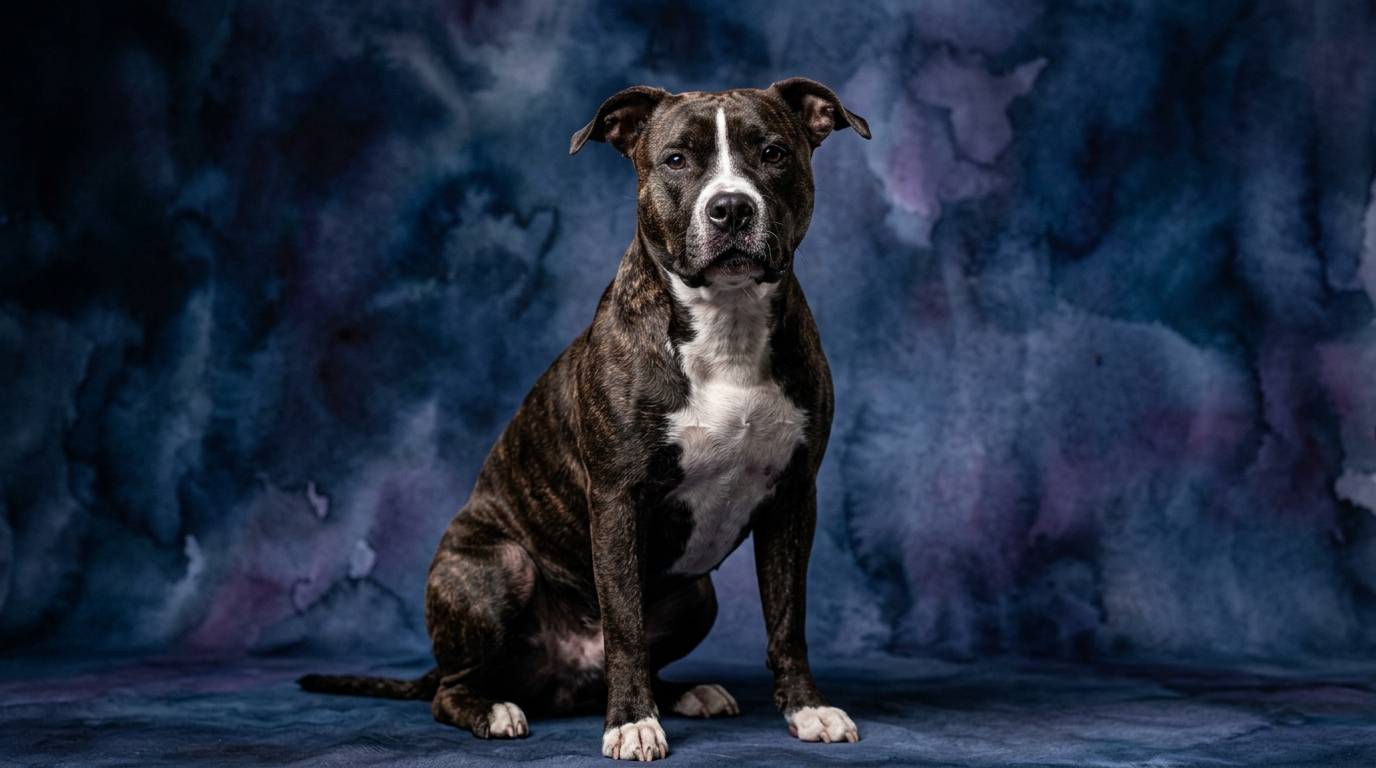
The American Staffordshire Terrier, positioned at Coren rank #48, demonstrates a balanced yet distinct cognitive blueprint. Their Problem Solving is rated at 3/5, suggesting a capacity for navigating moderately complex situations but perhaps not always seeking the most efficient route without guidance. Training Speed also sits at 3/5, indicating a steady learning pace that benefits from consistent, positive reinforcement rather than rapid absorption of new commands. Social Intelligence, at 3/5, points to a generally agreeable nature, capable of understanding human cues but possibly requiring clear communication to avoid misinterpretations. Their Instinctive Drive is also 3/5, reflecting a moderate urge for typical terrier activities like digging or pursuing small prey, which can be channeled effectively. A notable strength is their Memory, rated at 4/5, indicating they retain learned behaviors and experiences quite well over time, making past lessons stick.
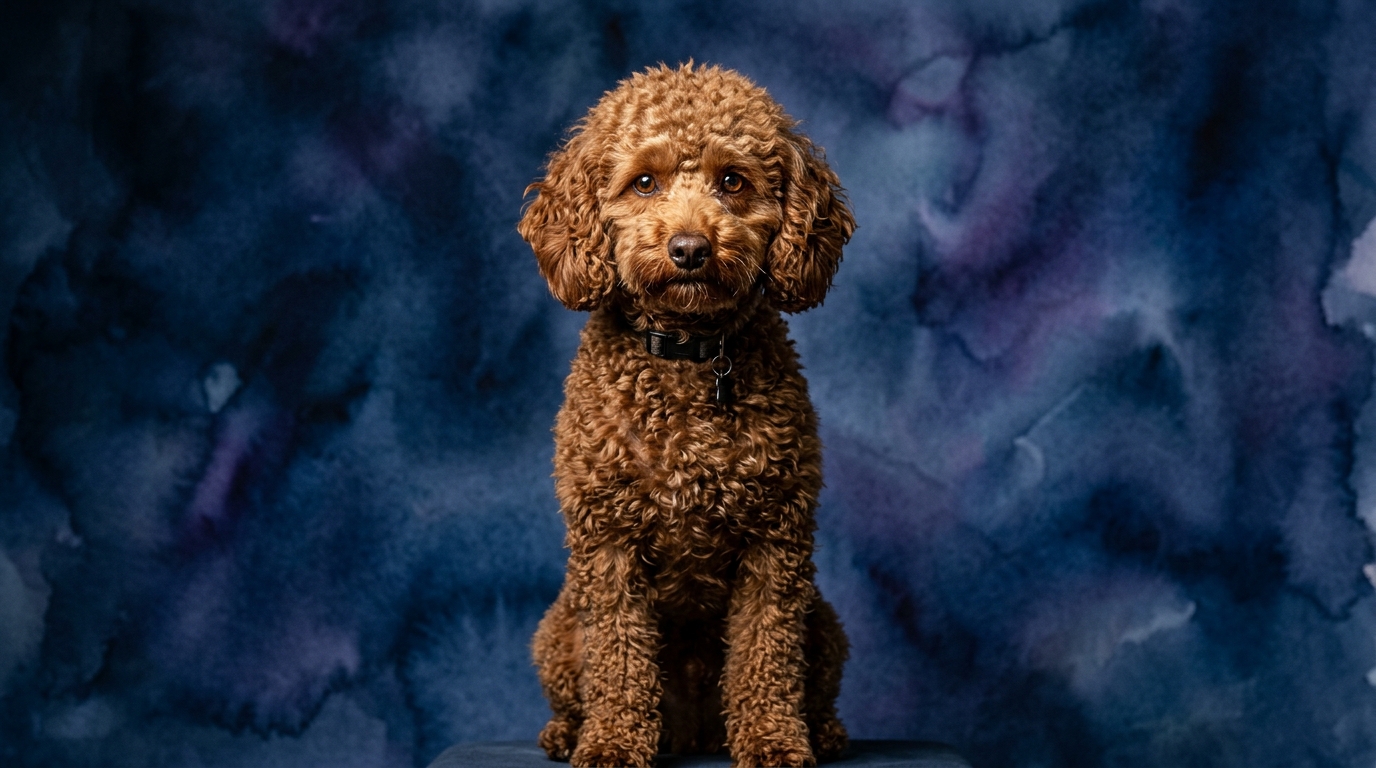
In stark contrast, the Miniature Poodle, a distinguished Coren rank #2, showcases a markedly different cognitive architecture. Their Problem Solving ability is exceptional at 5/5, meaning they are adept at figuring out novel challenges, often devising creative solutions to reach goals or overcome obstacles. Training Speed matches this at 5/5, allowing them to grasp new commands and routines with remarkable swiftness, making them quick studies in any discipline. Social Intelligence, like the AmStaff, is 3/5, suggesting a good understanding of social cues and interactions, though perhaps not inherently more attuned to human emotional subtleties than the AmStaff. Their Instinctive Drive is also 3/5, indicating a moderate inclination for activities like retrieving or water work, consistent with their historical roles. However, their Memory shines at a perfect 5/5, enabling them to recall vast amounts of information and experiences with remarkable precision and longevity.
Where the American Staffordshire Terrier Shows Cognitive Strengths
While the Miniature Poodle excels in raw processing speed, the American Staffordshire Terrier possesses a unique cognitive resilience rooted in their moderate, steady approach. Their 3/5 Problem Solving, while not top-tier, often translates into a thoughtful persistence. They might take longer to solve a puzzle, but once they commit, they apply a determined focus. This isn't about rapid-fire solutions but rather a methodical engagement with a task, often leaning on their physical capabilities and tenacity rather than abstract reasoning alone. For instance, when faced with an obstacle, an AmStaff might try various physical approaches until one works, remembering that successful action for next time.
The AmStaff's 4/5 Memory is a significant cognitive asset, allowing them to build a strong foundation of learned experiences and associate them with specific outcomes. This means that while initial training (Training Speed 3/5) might require more repetitions, once a command or behavior is truly embedded, it tends to stick. This robust recall is crucial for consistency in household rules and established routines. They remember who their people are, what behaviors are expected in different contexts, and the boundaries set for them, contributing to their reliability once properly socialized and trained. Their moderate Instinctive Drive (3/5) means they are less likely to be overwhelmed by environmental stimuli, allowing their memory to process information without constant distraction, fostering a stable learning environment within themselves.
Where the Miniature Poodle Demonstrates Cognitive Superiority
The Miniature Poodle’s cognitive profile is defined by its exceptional speed and adaptability, particularly evident in their 5/5 Problem Solving and Training Speed. This breed doesn't just learn; it absorbs information and applies it with remarkable efficiency. They excel at deciphering complex sequences and understanding abstract concepts, making them superb candidates for advanced obedience, agility, or even specialized scent work. A Poodle might quickly figure out how to open a child-proof gate or manipulate a puzzle toy within minutes, often surprising owners with their ingenuity. This quick processing means they can generalize learned behaviors to new situations rapidly, rather than needing extensive re-training for minor context changes.
Their perfect 5/5 Memory further amplifies their learning capacity. A Miniature Poodle can retain a vast repertoire of commands, tricks, and routines, making them incredibly versatile companions for performance events or intricate daily interactions. Paired with their rapid Training Speed, this means they can be taught a new skill in a handful of repetitions and recall it weeks or months later with minimal prompting. This high-fidelity memory allows for nuanced understanding of their environment and expectations. While their Social Intelligence is rated 3/5, their ability to remember complex social cues and past interactions means they can still navigate human relationships effectively, learning what pleases or displeases their specific family members with precision over time.
Training Dynamics: AmStaff vs. Miniature Poodle
When it comes to training, the core difference between these two breeds lies in their processing speed and retention. The Miniature Poodle, with its 5/5 Training Speed and 5/5 Memory, is often described as a 'one-and-done' learner for many basic commands. They pick up new cues almost instantaneously and internalize them quickly. This means owners can progress through obedience levels at a rapid pace, introducing more complex tasks and chaining behaviors together sooner. Their eagerness to learn and natural inclination to engage mentally makes them highly responsive to positive reinforcement, thriving on intellectual challenge and varied training sessions. However, this quick learning also means they can just as swiftly learn undesirable behaviors if not properly managed, making early and consistent training crucial.
The American Staffordshire Terrier, with a 3/5 Training Speed, requires a different approach. They benefit immensely from consistency, repetition, and patience. While they may not grasp a new command in two tries, their 4/5 Memory ensures that once a concept is understood and practiced, it becomes deeply ingrained. Training an AmStaff is more about establishing a solid, reliable foundation through clear communication and positive reinforcement over time. Owners might find that short, frequent training sessions are more effective than long, intense ones, allowing the AmStaff to process and solidify information without becoming overwhelmed. Their moderate Social Intelligence (3/5) means they respond well to clear, fair leadership, appreciating predictable interactions and boundaries, which aids in building a reliable training partnership.
Companion Suitability: Active vs. Relaxed Lifestyles
The cognitive profiles of the AmStaff and Miniature Poodle dictate different ideal living arrangements. The Miniature Poodle's relentless mental energy, stemming from their 5/5 Problem Solving and Training Speed, means they are best suited for active owners who can provide consistent mental stimulation. These dogs need more than just physical exercise; they crave puzzles, new tricks, training classes, and opportunities to engage their sharp minds daily. A Poodle who isn't mentally challenged can easily become bored, leading to creative but potentially destructive behaviors as they invent their own 'problems' to solve. They thrive with owners who are enthusiastic about dog sports, advanced obedience, or even just daily brain games and structured learning.
Conversely, the American Staffordshire Terrier, with its balanced 3/5 scores across Problem Solving, Training Speed, Social Intelligence, and Instinctive Drive, coupled with a strong 4/5 Memory, often suits owners who appreciate a more predictable and less intensely 'busy' mental companion. While they still require regular physical exercise and consistent training, their cognitive needs are less about constant novel challenges and more about reinforcing established routines and enjoying focused, engaging activities. They can be excellent companions for moderately active families who enjoy walks, structured play, and consistent training without the pressure of constant mental gymnastics. Their strong memory helps them adapt well to a stable household rhythm, making them suitable for owners who value reliability and a steady temperament once boundaries are clear.
The Verdict
Choose the American Staffordshire Terrier if you value a companion with steady learning, robust memory, and a thoughtful approach to challenges, thriving on consistent routines and clear boundaries. They are a rewarding choice for owners who appreciate a dog that builds reliability through patient, positive reinforcement.
Opt for the Miniature Poodle if you seek a dog that learns with astonishing speed, excels at complex problem-solving, and thrives on constant mental engagement and advanced training. They are ideal for active owners eager to explore dog sports and intricate training with a quick-witted partner.
🧠 Find Your Pet's IQ Score
Our Pet IQ Lab assessment covers 25+ tests across 5 cognitive dimensions — personalized to your breed.
Take the Full IQ Test →Frequently Asked Questions
Does a Miniature Poodle's high IQ mean it's harder to manage?
Not necessarily harder, but different. Their quick problem-solving and memory mean they learn both good and bad habits rapidly. Consistent, stimulating training is crucial to channel their mental energy constructively and prevent boredom-driven behaviors.
Are American Staffordshire Terriers less trainable than Miniature Poodles?
No, they are certainly trainable, but at a different pace. While Miniature Poodles learn faster (5/5 Training Speed vs. 3/5), AmStaffs retain information well (4/5 Memory), meaning consistency and repetition yield lasting results. Patience and clear communication are key for AmStaff training.
How does 'Social Intelligence' differ between these two breeds?
Both breeds score 3/5 in Social Intelligence, indicating a good capacity to understand human cues and interact appropriately. The difference in their overall cognitive profile means the Poodle might process social learning faster, while the AmStaff remembers established social norms with strong recall once learned.