A Side-by-Side Cognitive Profile
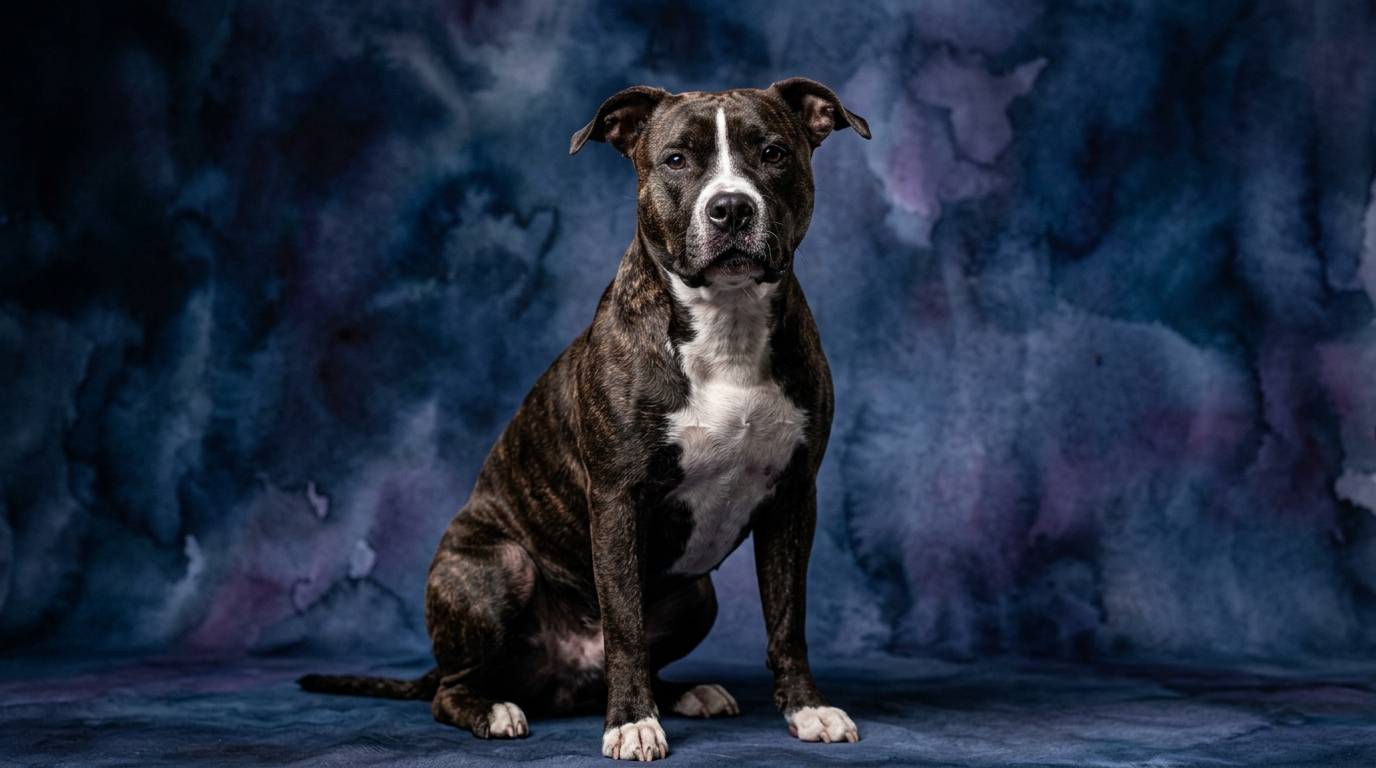
The Cosmic Pet Pet IQ Lab provides a unique lens through which to compare the cognitive strengths of these two Terrier types. For the American Staffordshire Terrier, a breed with a Coren ranking of #48 among working and obedience intelligence, their profile details a Problem Solving score of 3/5, indicating an adeptness at navigating tasks and figuring out solutions. Their Training Speed is also 3/5, meaning they learn new commands and routines at a moderate, steady pace. Social Intelligence registers at 3/5, suggesting a reasonable capacity to interpret human cues and interact appropriately within a family setting. Instinctive Drive, encompassing typical terrier behaviors like chasing or digging, stands at 3/5. A notable strength for the AmStaff is their Memory, scoring 4/5, which points to an excellent ability to retain learned behaviors and past experiences.
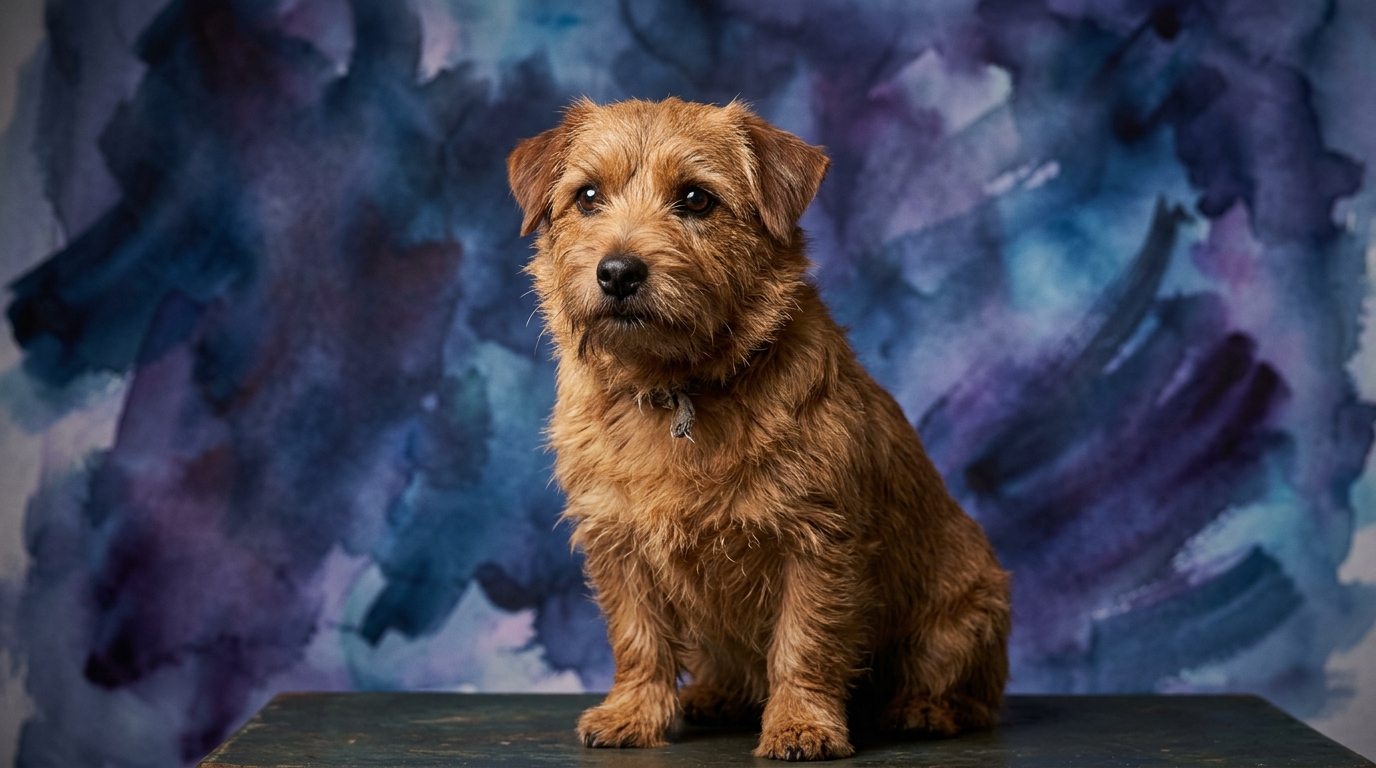
Turning our attention to the Norfolk Terrier, a breed not Coren-ranked but equally compelling in its cognitive makeup, we observe a slightly different picture. Their Problem Solving ability matches the AmStaff at 3/5, showing them to be resourceful and capable of overcoming obstacles. Training Speed is also 3/5, implying they respond well to consistent training efforts, albeit at a moderate rate. Their Social Intelligence is likewise 3/5, indicating they can form strong bonds and engage effectively with their human companions. Instinctive Drive for the Norfolk Terrier is 3/5, reflecting the typical terrier zest for exploration and pursuit. Where the Norfolk Terrier differs from the AmStaff is in Memory, which scores 3/5, suggesting a good, but not exceptional, recall of events and training over time. This initial comparison highlights a core similarity in many cognitive dimensions, with a key differentiator emerging in memory retention.
Where the American Staffordshire Terrier Cognitively Excels
The American Staffordshire Terrier’s standout cognitive advantage lies primarily in its superior Memory score of 4/5. This higher capacity for recall means that once an AmStaff learns a command, a routine, or a social rule, they are significantly more likely to retain that information over longer periods. This translates into more consistent behavior without constant refreshers, making them excellent candidates for advanced obedience, complex tricks, or even competitive dog sports where intricate sequences need to be remembered. Their ability to remember past interactions, both positive and negative, underscores the importance of early positive reinforcement and consistent, fair handling to shape their understanding of the world.
Beyond just remembering commands, this robust memory contributes to a more stable and predictable companion. An AmStaff is likely to remember house rules, where their toys are kept, and the schedules of their human family members, fostering a sense of order and reducing instances of 'forgetting' what they've been taught. Coupled with their Coren ranking of #48, which signifies a general aptitude for obedience and a willingness to work with humans, their strong memory allows them to build upon learned experiences, achieving a deeper, more integrated understanding of their environment and their role within the family. This cognitive strength makes them highly adaptable to various training scenarios and environments, as they can more easily generalize what they've learned.
Where the Norfolk Terrier Cognitively Shines
While the Norfolk Terrier may not boast the same memory score as the AmStaff, its cognitive strengths lie in the synergistic blend of its Problem Solving (3/5) and Instinctive Drive (3/5). These traits, typical of many Terriers, equip them with an independent, tenacious spirit perfectly suited for their original purpose. They are resourceful and clever in navigating their surroundings, whether it's figuring out how to get to a dropped treat or exploring every nook and cranny of a new walking path. This cognitive blend makes them excellent at tasks requiring focus and determination, even if they don't retain the exact sequence of events for as long as an AmStaff.
Their 3/5 Social Intelligence and 3/5 Training Speed mean they are receptive to learning within a family context, valuing interaction while maintaining a strong sense of self. This balance ensures they are not overly dependent but are keen to engage. Their keen senses, combined with their problem-solving and drive, make them adept at scent work and activities that tap into their natural curiosity and hunting instincts. They excel in environments where their intelligence is challenged by novel situations and opportunities to 'work' independently, even if that work is simply exploring a new environment or figuring out a puzzle toy. Their cognitive profile supports a resilient, adaptable nature that thrives on engagement and exploration.
Training: A Matter of Memory and Motivation
When it comes to ease of training, both breeds share a Training Speed score of 3/5, suggesting they learn new commands at a moderate pace. However, the American Staffordshire Terrier's superior Memory at 4/5 provides a distinct advantage. Once an AmStaff grasps a command or a desired behavior, they are significantly more likely to retain it, requiring less frequent reinforcement to maintain proficiency. This means that consistent early training with positive methods will likely yield lasting results, allowing owners to progress to more complex behaviors and advanced obedience without needing to constantly revisit foundational commands. Their Coren ranking further supports their aptitude for structured learning.
The Norfolk Terrier, with its Memory score of 3/5, will also learn, but may require more consistent, ongoing reinforcement to keep commands sharp. Their strong Instinctive Drive (3/5) can sometimes lead to a focus on environmental stimuli (like scents or small animals) that overrides learned commands, a common terrier trait. This means training needs to be highly engaging, rewarding, and consistent, ensuring that the owner's guidance is always more compelling than external distractions. While both breeds benefit from positive reinforcement, the AmStaff’s cognitive profile allows for a more efficient and lasting retention of training, whereas the Norfolk Terrier might need more creative and persistent methods to maintain focus and recall, especially in distracting environments. Real behavioral differences manifest in the AmStaff’s ability to generalize commands to new situations more readily due to better retention, while the Norfolk might require more context-specific practice.
Suited Owners: Active Engagement vs. Exploratory Spirit
The choice between an American Staffordshire Terrier and a Norfolk Terrier based on owner lifestyle largely boils down to the type of activity and engagement desired. The AmStaff, with its robust physical presence and impressive memory, thrives with active owners who can provide structured activities that channel both their physical energy and mental acuity. Their 3/5 Instinctive Drive, coupled with their capacity for learning, makes them excellent companions for activities like agility, obedience trials, or long, purposeful hikes. An owner who enjoys consistent training, puzzle toys, and engaging in dog sports will find the AmStaff a willing and capable partner, benefiting from their ability to remember complex routines and commands. They need a job, even if it's just being the best-behaved family member.
The Norfolk Terrier, while smaller, is no couch potato. Their 3/5 Instinctive Drive and Problem Solving skills mean they need regular opportunities for exploration and mental stimulation. They are well-suited for active owners who appreciate a companion for exploratory walks, scent games, and opportunities to dig (in designated areas!) or chase. They don't necessarily need highly structured obedience as much as they need outlets for their natural terrier curiosity and prey drive. A relaxed owner who provides minimal engagement might find the Norfolk inventing their own, potentially destructive, entertainment. While both breeds need activity, the AmStaff leans towards structured, goal-oriented engagement, while the Norfolk thrives on more free-form exploration and satisfying its innate terrier instincts.
The Verdict
Choose the American Staffordshire Terrier if you value a companion with a strong memory and a capacity for consistent, complex obedience training, and you are prepared to channel their robust physical and mental energy into structured activities.
Opt for the Norfolk Terrier if you appreciate a resilient, independent spirit in a smaller package, and you are ready to engage their keen senses and natural curiosity with regular exploratory walks and interactive play.
🧠 Find Your Pet's IQ Score
Our Pet IQ Lab assessment covers 25+ tests across 5 cognitive dimensions — personalized to your breed.
Take the Full IQ Test →Frequently Asked Questions
Are American Staffordshire Terriers good family dogs?
Their social intelligence at 3/5 means they can bond well with family members, but early socialization and consistent training are crucial to ensure they learn appropriate interactions, especially with children and other pets. Their strong memory means early positive experiences are well-retained, making for a well-adjusted companion.
Do Norfolk Terriers bark a lot?
As Terriers with a 3/5 instinctive drive, they can be vocal, especially when alerting to perceived threats or expressing excitement. Their problem-solving and drive mean they will use their voice to communicate or deter. Consistent training and addressing the root cause of barking can help manage excessive vocalization.
What kind of mental stimulation do these breeds need?
The American Staffordshire Terrier benefits from structured training, puzzle toys, and dog sports that engage their memory and problem-solving. Norfolk Terriers thrive on exploratory walks, scent games, and opportunities to dig or "hunt" safely, satisfying their strong instinctive drive and curiosity in a controlled environment.