Side-by-Side IQ Profile: AmStaff vs Pharaoh Hound
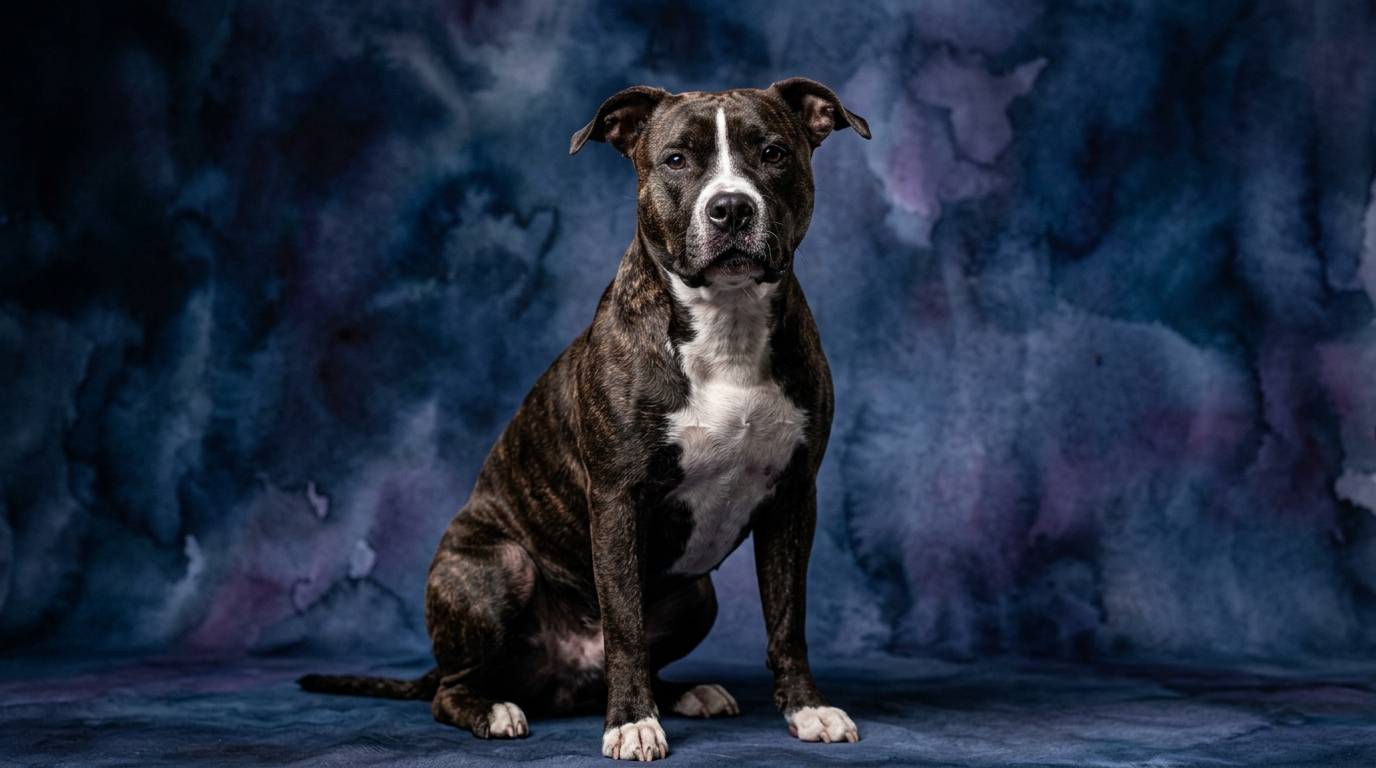
The American Staffordshire Terrier, often referred to as the AmStaff, occupies position #48 on Coren's scale, placing them within the "average working/obedience intelligence" category. This suggests a solid capacity for structured learning and task execution, reflecting their historical roles requiring brawn and biddability. Their Problem Solving is rated 3/5, indicating a moderate ability to navigate novel situations or overcome obstacles to achieve a goal. This often manifests as persistent effort to figure out how to retrieve a toy from a tight space or understanding a sequence of actions for a reward, fueled by their inherent terrier tenacity and determination to achieve objectives. Their Training Speed also stands at 3/5, meaning they grasp new commands at an average pace; consistency and clear communication are paramount, as they aren't instant learners but are certainly capable when motivated by positive reinforcement and a strong bond. Social Intelligence is 3/5, pointing to a moderate capacity for interpreting human and canine social cues, fostering strong bonds within their family but perhaps requiring careful, early socialization for nuanced interactions with unfamiliar dogs or people. Instinctive Drive is likewise 3/5, reflecting a balanced set of innate behaviors that include elements of prey drive, protective instincts, and a strong drive for companionship, all requiring appropriate outlets to prevent misdirection. A standout cognitive trait for the AmStaff is their Memory, rated at 4/5, which signifies a strong ability to retain learned information, routines, and experiences over time, ensuring that once a lesson is absorbed, it tends to stick, making consistent training highly effective.
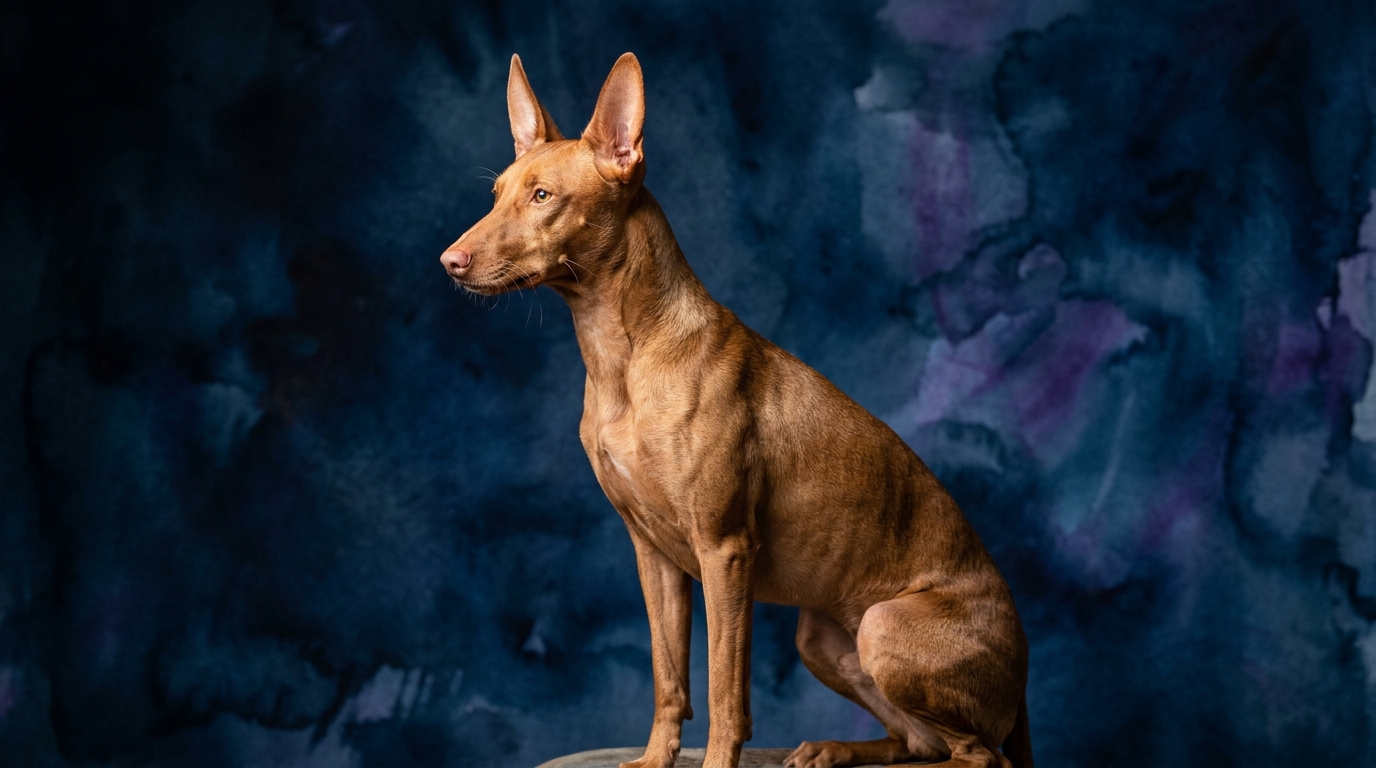
The Pharaoh Hound, a breed of ancient lineage originating from Malta, does not appear on Coren's specific ranking, which primarily reflects performance in obedience trials. This absence doesn't diminish their cognitive capacity but rather highlights that their intelligence often expresses itself in different, more independent ways, honed for solitary hunting. Their Problem Solving is rated 3/5, similar to the AmStaff, yet it's often applied to their sighthound heritage – locating prey through keen senses, or skillfully navigating complex terrain during a chase across open fields. Their solutions are frequently rooted in their innate hunting instincts rather than a strong desire for human-directed problem-solving, showcasing a self-reliant intellect. Training Speed is also 3/5, indicating they learn at an average pace. However, their independent sighthound nature can make them appear less eager to comply; they understand commands but might choose to execute them based on their own assessment of the situation or the perceived value of the reward, demanding highly motivating incentives. Social Intelligence is 3/5, reflecting a moderate understanding of social dynamics. They form deep, loyal bonds with their immediate family but typically exhibit a reserved, somewhat aloof demeanor with strangers, relying on subtle cues rather than overt displays of affection or engagement. Their Instinctive Drive, also 3/5, is highly specialized, primarily centered around a powerful prey drive and the thrill of the chase, demanding outlets that cater to this deep-seated impulse for running and pursuing. Lastly, their Memory is rated 3/5, suggesting a moderate ability to recall information, routines, and people, serving their independent hunting and living style effectively without the same emphasis on intricate, complex command retention.
Where the American Staffordshire Terrier Wins Cognitively
The American Staffordshire Terrier distinguishes itself through a cognitive profile that emphasizes retention and engagement. Their superior Memory, rated 4/5 compared to the Pharaoh Hound's 3/5, is a significant advantage. This means AmStaffs are more adept at consistently recalling complex commands, house rules, and learned behaviors over extended periods, making their training more durable and reliable. Furthermore, while both breeds score 3/5 in Social Intelligence, the AmStaff's Coren ranking and terrier heritage often translate into a more pronounced inclination for active, reciprocal engagement with humans across varied social contexts. They tend to seek out and thrive on human interaction and collaboration in problem-solving scenarios, demonstrating a cognitive style that prioritizes working alongside their human companions. This collaborative spirit can make them appear more "tuned in" to human intentions and desires in daily life, fostering a strong partnership.
Where the Pharaoh Hound Wins Cognitively
The Pharaoh Hound's cognitive strengths lie in areas deeply rooted in their ancient sighthound heritage, offering a distinct form of intelligence. While both breeds share a 3/5 Instinctive Drive, the Pharaoh Hound's drive is intensely specialized for independent hunting and pursuit. This translates into exceptional focus and problem-solving within that domain, involving keen observation, rapid assessment of movement, and strategic decision-making during a chase without human intervention. Their cognitive prowess excels in autonomous, observational intelligence where they swiftly process visual and auditory stimuli to identify and track targets. This independent problem-solving manifests as an ability to assess situations quickly and make decisions based on their instincts and observations, particularly concerning their environment and potential "prey." Their sophisticated sensory processing, especially their visual acuity and spatial awareness for tracking moving objects over long distances, represents a specialized cognitive advantage not always captured by general intelligence metrics or obedience-focused evaluations.
Which is Easier to Train and Why
The American Staffordshire Terrier generally proves to be the easier of the two breeds to train, primarily due to their stronger memory and inherent desire for human interaction and partnership. With a 4/5 memory score, AmStaffs are significantly more likely to consistently recall commands, house rules, and learned behaviors, making training sessions build effectively upon previous ones with fewer regressions. Their terrier nature often includes a strong desire to please their primary caregivers, which translates into a higher motivation to perform desired behaviors for rewards and praise, making them responsive to positive reinforcement. They tend to thrive on structure and enjoy the mental engagement that training provides, eagerly repeating actions that earn positive feedback and strengthen their bond with their owner. In contrast, the Pharaoh Hound's 3/5 memory and more independent sighthound temperament present greater training challenges. While they are certainly capable of learning, their motivation is often self-directed; they understand commands but might "selectively hear" them if a more stimulating distraction, like a movement across the yard or a scent on the breeze, captures their attention. Their instinctive drive is geared towards autonomous hunting and pursuit, meaning they may not perceive the same inherent value in human-directed tasks, requiring trainers to be exceptionally patient, creative, and consistent with high-value rewards to maintain their focus and compliance against their strong natural impulses. This difference in intrinsic motivation is key to understanding their training approaches.
Matching Breeds to Owner Lifestyles
Both the American Staffordshire Terrier and the Pharaoh Hound require active ownership, but the nature of that activity differs significantly. The AmStaff, with its balanced instinctive drive and general vigor, thrives with owners who enjoy consistent physical activity combined with structured mental stimulation. They are well-suited for individuals or families who participate in dog sports, regular engaging walks, or dedicated training sessions, providing an outlet for both their physical energy and their cognitive need for engagement. A relaxed owner who offers minimal interaction or exercise might find an AmStaff developing undesirable behaviors out of boredom, needing a more interactive companion. The Pharaoh Hound, while needing activity, often prefers bursts of high-speed running rather than prolonged, structured work. They are ideal for owners who can provide access to large, securely fenced areas where they can truly stretch their legs and indulge their chase instincts. While they can be quite relaxed and quiet indoors, their outdoor needs are intense and non-negotiable, demanding an owner who understands and caters to their sighthound requirement for independent, fast-paced exercise, rather than expecting a dog eager for long, leashed jogs or intricate obedience routines.
The Verdict
For owners seeking a companion that thrives on structured learning, retains commands exceptionally well, and integrates deeply into family activities with a strong desire to engage in human-directed tasks, the American Staffordshire Terrier is the preferred choice.
Conversely, choose the Pharaoh Hound if you appreciate an independent, elegant dog with a unique sighthound intelligence, valuing bursts of intense outdoor activity and a quieter, observant presence indoors.
🧠 Find Your Pet's IQ Score
Our Pet IQ Lab assessment covers 25+ tests across 5 cognitive dimensions — personalized to your breed.
Take the Full IQ Test →Frequently Asked Questions
Are Pharaoh Hounds difficult to train?
Pharaoh Hounds are not difficult to train in the sense of being unable to learn, but their independent nature as sighthounds means they require consistent, positive reinforcement and compelling motivation. Their strong prey drive can make them less inclined to comply if distractions are present, requiring patience and creative training methods.
Do American Staffordshire Terriers have good memory?
Yes, American Staffordshire Terriers demonstrate a strong memory (4/5), meaning they retain learned information, commands, and routines effectively over time. This cognitive strength contributes significantly to their responsiveness in training and their ability to adapt to household rules with consistency.
Which breed is better for first-time dog owners?
For first-time dog owners, the American Staffordshire Terrier might be a more manageable choice due to their greater eagerness to please and stronger memory for commands, making training potentially smoother. Pharaoh Hounds, with their independent sighthound nature and specific exercise needs, often benefit from owners experienced with their unique temperament and training requirements.