Side-by-Side IQ Profile: American Staffordshire Terrier vs. Silky Terrier
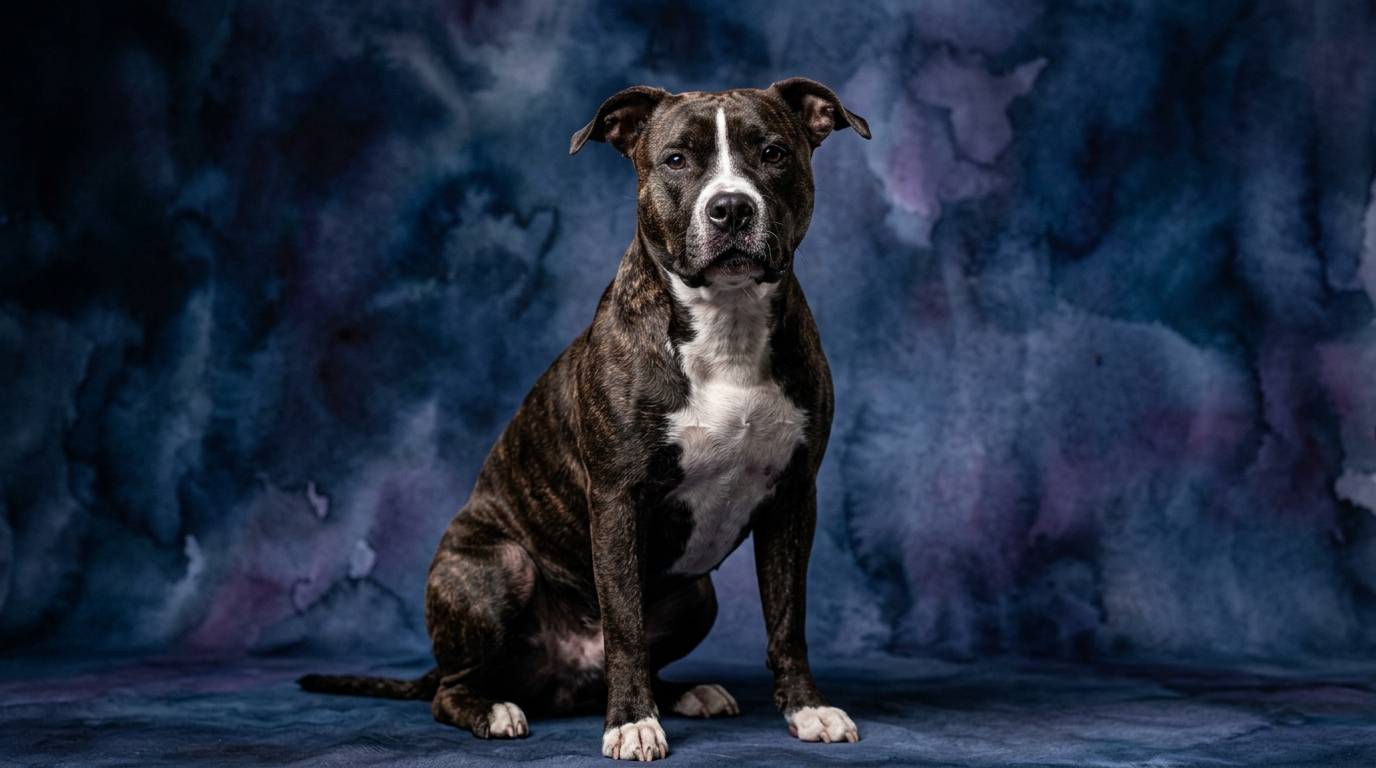
At The Cosmic Pet Pet IQ Lab, we evaluate canine intelligence across five key dimensions. For the American Staffordshire Terrier, we see a balanced and capable cognitive profile. Their Problem Solving is rated 3/5, indicating a practical approach to challenges, often relying on direct action rather than intricate strategies to achieve goals like opening a gate or finding a hidden toy. Training Speed also stands at 3/5, meaning they acquire new commands at a moderate, consistent pace with clear, positive reinforcement, showing steady progress over time. In Social Intelligence, they score 3/5, demonstrating a solid capacity to interpret human emotional cues and understand pack dynamics, making them responsive companions when properly socialized. Their Instinctive Drive is 3/5, reflecting a moderate but noticeable prey drive and a strong inclination towards active engagement, requiring outlets for these inherent tendencies. A standout trait is their Memory, rated 4/5, which is robust, allowing them to retain learned commands, routines, and experiences over long periods, significantly contributing to their reliability once behaviors are established.
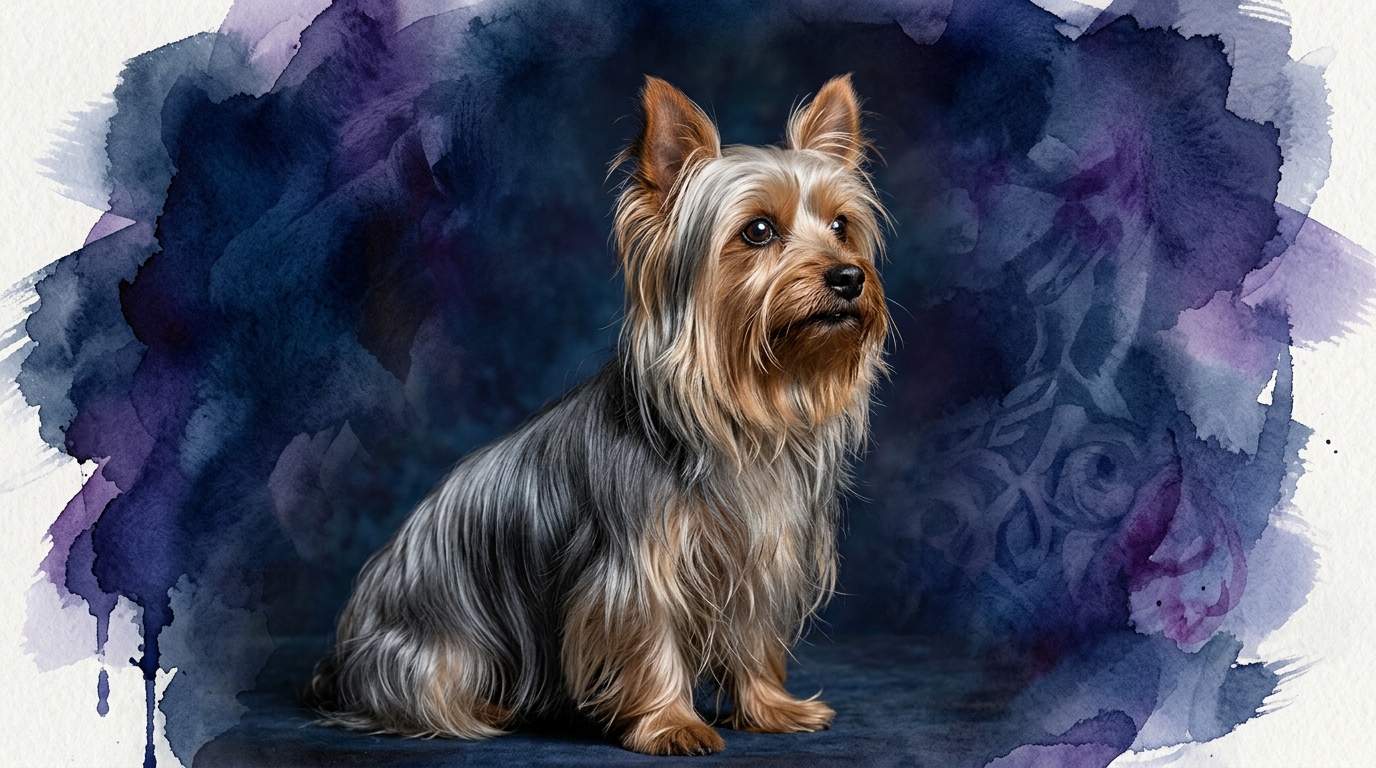
The Silky Terrier, while differing vastly in appearance, presents a surprisingly similar set of core cognitive scores. Their Problem Solving also rates 3/5; despite their small size, Silkys are adept at navigating their environment and overcoming minor obstacles, often using their agility and tenacity effectively. Their Training Speed is 3/5, indicating they learn new information and commands at a steady rate with consistent, engaging training sessions. For Social Intelligence, they too score 3/5, displaying a good grasp of social cues within their family unit, often forming strong bonds and understanding the moods of their human companions. Their Instinctive Drive is also 3/5, true to their Terrier roots, manifesting as a keen prey drive for small vermin and a zest for exploration, fueling their energetic antics and requiring appropriate redirection. Their Memory, however, is rated 3/5, competent for retaining commands and routines, but perhaps not as enduring or as quick to solidify complex sequences as breeds with higher memory scores, thus benefiting from consistent reinforcement for long-term retention.
Where the American Staffordshire Terrier Wins Cognitively
The American Staffordshire Terrier’s cognitive profile shows a distinct advantage in memory, scoring a 4/5 compared to the Silky Terrier’s 3/5. This robust memory means an AmStaff is more likely to solidify complex training sequences and retain learned behaviors over longer periods without frequent refreshers. Their ability to recall past experiences contributes to a more reliable understanding of household rules and boundaries once established, making them less prone to 'forgetting' a command they've mastered. Additionally, their Coren rank of #48 places them among more consistently trainable and adaptable breeds in broader contexts, a general cognitive aptitude that is a testament to their capacity for learning and integration, even with similar scores in other dimensions.
Where the Silky Terrier Wins Cognitively
While the Silky Terrier’s individual IQ scores largely mirror the AmStaff’s, its smaller stature and historical role can translate into unique cognitive applications. The Silky's combined problem-solving (3/5) and instinctive drive (3/5), channeled through a compact body, make them exceptionally agile and persistent in navigating tight spaces or pursuing small, elusive targets. This isn't necessarily a 'higher' cognitive score but rather a specialized manifestation of their intelligence; their tenacity and quick reflexes in small-scale problem-solving environments can outmaneuver larger breeds. Their social intelligence (3/5), coupled with their size, often allows them to subtly manipulate their environment and human companions, a refined social strategy for a smaller animal that thrives on interaction.
Which is Easier to Train and Why
Comparing training ease between these two breeds, both the American Staffordshire Terrier and the Silky Terrier register a 3/5 for training speed, indicating they learn at a steady, moderate pace. However, the AmStaff’s superior memory (4/5) provides an edge in long-term retention, meaning once a behavior is learned, it's more likely to stick without constant repetition. Their moderate instinctive drive (3/5) is generally manageable and can be channeled effectively into structured activities like obedience or dog sports. In contrast, the Silky Terrier's equally strong instinctive drive (3/5) coupled with its smaller size can sometimes translate into a more tenacious, independent streak, making them prone to following their nose or digging instincts if not consistently engaged. Both benefit immensely from positive reinforcement and engaging training methods, but the AmStaff's stronger memory and often more biddable nature can make the training journey feel more predictable and less prone to 'selective hearing' over time, especially during adolescence.
Suitability for Active vs. Relaxed Owners
For active owners seeking a canine companion for adventures and structured activity, the American Staffordshire Terrier is a compelling choice. Their moderate instinctive drive (3/5) and sturdy build mean they thrive on regular, vigorous exercise, engaging play, and mental challenges like agility or obedience work. They are resilient and enjoy being an active participant in family life, requiring owners who can provide consistent stimulation and a clear routine to channel their physical and mental energy. The Silky Terrier, while also possessing a moderate instinctive drive (3/5) and a spirited nature, suits owners who appreciate a smaller, energetic companion. They are equally game for walks and play but can find sufficient outlets for their energy in smaller spaces or shorter bursts of activity, making them suitable for owners who prefer less strenuous outdoor activities but are still committed to daily engagement and mental enrichment within the home. Their size also allows for easier travel and adaptability to various living situations, provided their cognitive and physical needs are met.
The Verdict
Choose the American Staffordshire Terrier if you value robust memory for reliable long-term training, a sturdy companion for active lifestyles, and a dog with a generally higher recognized cognitive aptitude in broader contexts.
Opt for the Silky Terrier if you desire a spirited, tenacious companion whose intelligence manifests in agile problem-solving within a compact form, perfect for owners who appreciate a smaller dog with a big personality and moderate activity needs.
🧠 Find Your Pet's IQ Score
Our Pet IQ Lab assessment covers 25+ tests across 5 cognitive dimensions — personalized to your breed.
Take the Full IQ Test →Frequently Asked Questions
Do American Staffordshire Terriers or Silky Terriers require more mental stimulation?
Both breeds have a 3/5 problem-solving and instinctive drive, meaning they benefit significantly from mental stimulation. The AmStaff might prefer puzzles or obedience, while the Silky might enjoy scent games or agility, reflecting their physical differences and historical roles.
How does memory impact training for these two breeds?
The AmStaff's 4/5 memory score suggests quicker and more lasting retention of commands, potentially requiring less refresher training over time. The Silky's 3/5 memory is competent but may benefit from more consistent reinforcement to solidify learned behaviors and ensure long-term recall.
Are either of these breeds considered tenacious due to their Terrier lineage?
Both breeds, true to their Terrier heritage, can exhibit tenacity and an independent streak, especially when their instinctive drives (both 3/5) are engaged in activities like digging or pursuing small moving objects. This focused determination requires patient, positive reinforcement training and consistent guidance.