Side-by-Side IQ Profile: Identical Scores, Divergent Minds
While both breeds share a 3/5 rating across the board, the manifestation of these cognitive attributes is profoundly influenced by their ancestral purposes. This makes understanding the nuances of their '3' critical for any prospective owner.
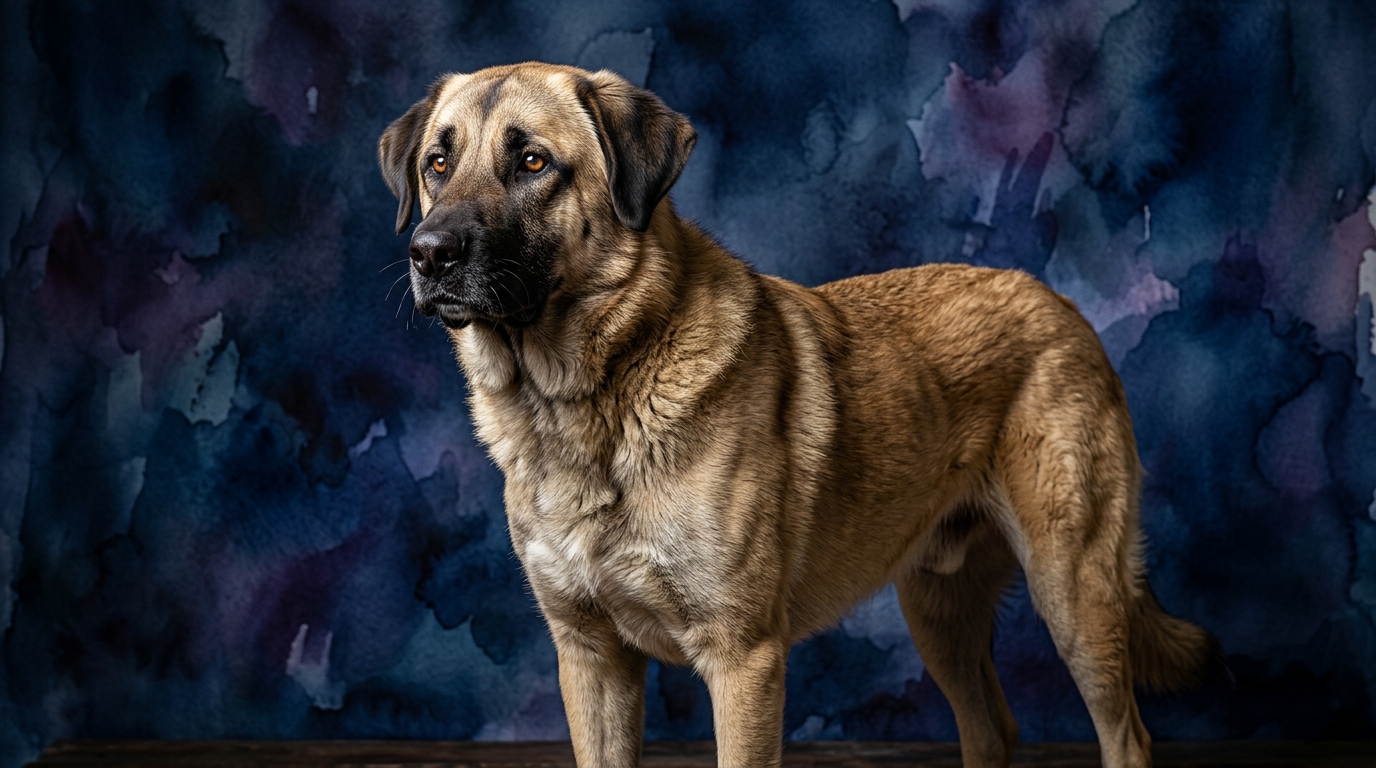
For the **Anatolian Shepherd Dog (ASD)**, a livestock guardian breed, their 3/5 in **Problem Solving** isn't about complex tricks, but strategic assessment of threats within their territory, deciding when to deter, challenge, or ignore. This manifests as identifying a new predator track, assessing the vulnerability of a flock, or navigating complex terrain to patrol. Their **Training Speed** (3/5) indicates they learn commands but often evaluate their utility against their inherent guarding duties; compliance isn't always immediate, it's a negotiation based on perceived purpose and established trust, rather than rote repetition. Their **Social Intelligence** (3/5) is deeply attuned to the emotional states and needs of their 'flock' – human or animal – discerning subtle changes that might signal a threat or distress, yet remaining aloof and cautious with those outside their inner circle, a critical aspect of their protective role. The ASD's **Instinctive Drive** (3/5) is an overwhelming urge to guard and protect, manifesting as territoriality, vigilance, and an inherent suspicion of the unfamiliar; this drive is the core of their being, often overshadowing other learned behaviors if a perceived threat arises. Finally, their **Memory** (3/5) includes exceptional recall for spatial layouts of their territory, the faces and scents of familiar individuals, and past threats; they remember training but prioritize their deep-seated protective programming, making consistency and understanding their nature key.
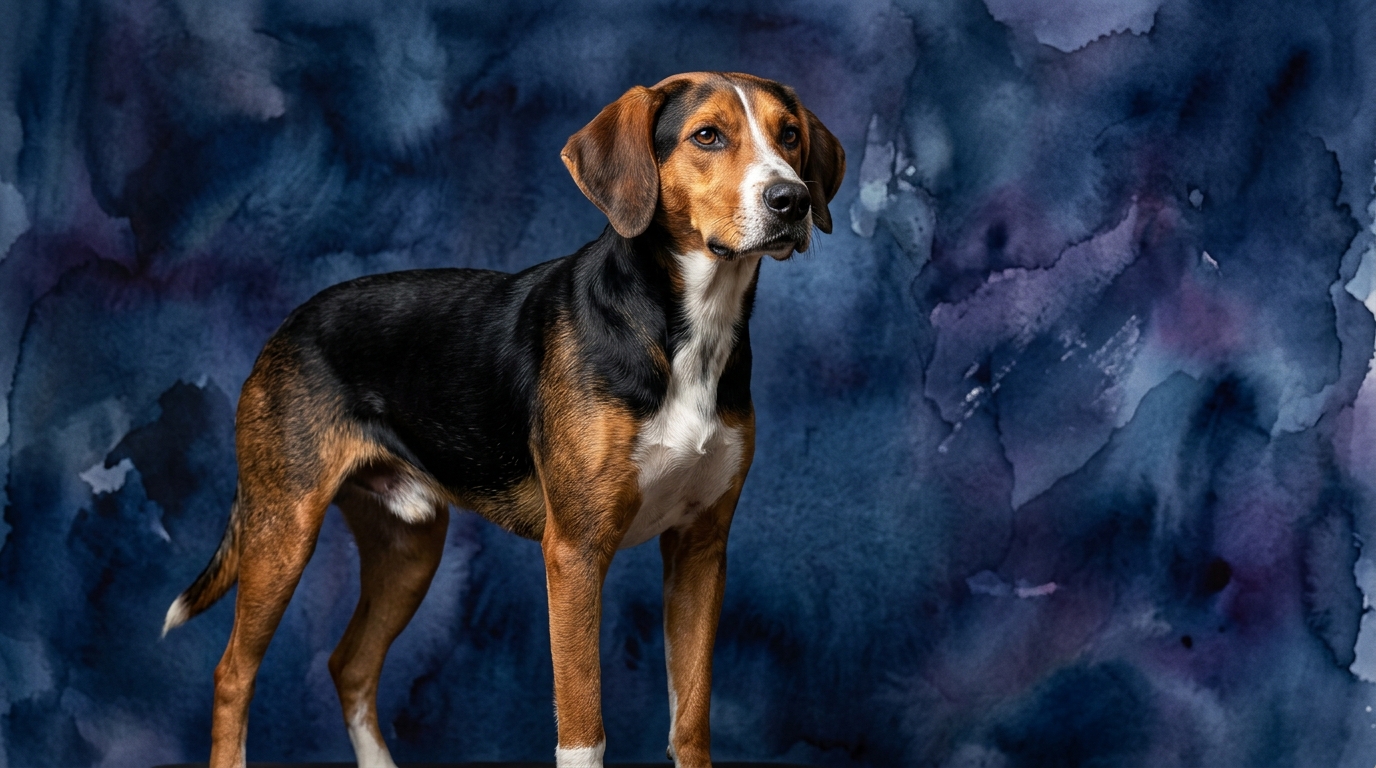
The **American Foxhound (AFH)**, bred for scent hunting, channels its 3/5 in **Problem Solving** primarily into olfactory challenges – disentangling complex scent trails, determining the age and direction of a track, and navigating obstacles in pursuit. Their problem-solving is a dynamic, real-time analysis of environmental data through their nose. Their **Training Speed** (3/5) indicates they are capable of learning, but their profound scent drive often presents a significant hurdle; they can grasp commands quickly in a distraction-free environment, but their focus can rapidly shift outdoors, requiring persistent, high-value motivation to maintain attention. The AFH's **Social Intelligence** (3/5) thrives in a pack structure, displaying nuanced communication with other hounds and a desire for companionship; they understand social cues within a group context and enjoy active participation in family life, though their independence on the trail can translate to selective hearing indoors. Their **Instinctive Drive** (3/5) is dominated by an insatiable urge to hunt, track, and run; this instinct is so powerful it often overrides other considerations, pushing them to follow a scent regardless of fences or commands, with their vocalizations also a key part of this drive. The AFH's **Memory** (3/5) shows excellent recall for scent patterns, successful hunting routes, and the geography of their hunting grounds; they also remember learned commands, but the immediate allure of a fresh trail can temporarily overshadow previously reinforced behaviors.
Where the Anatolian Shepherd Dog Wins Cognitively
The Anatolian Shepherd Dog's cognitive architecture is optimized for autonomous guardianship. Their 3/5 problem-solving isn't about arbitrary tasks, but the sophisticated, real-time assessment of environmental dynamics to protect their charges. They demonstrate a superior capacity for strategic vigilance, discerning genuine threats from benign stimuli and reacting with measured intent. This independent decision-making, coupled with a memory that retains intricate details of their territory and its inhabitants, makes them unparalleled at sustained, self-directed protection. Their social intelligence, while selective, fosters a profound understanding of their family or flock's subtle cues, allowing them to anticipate needs and intervene with precise, protective action, often without requiring direct human command.
Where the American Foxhound Wins Cognitively
Conversely, the American Foxhound's cognitive strengths are profoundly tied to their specialized sensory intelligence and endurance. Their 3/5 problem-solving is a masterclass in olfactory deduction, enabling them to reconstruct complex narratives from scent molecules, following trails that would be invisible to other breeds. This intricate sensory processing, combined with a tenacious instinctive drive, allows for relentless pursuit over challenging terrains for extended periods. Their memory excels at mapping scent patterns and successful hunting strategies, contributing to their efficiency. Furthermore, their social intelligence thrives in a pack context, facilitating coordinated efforts and communication during a chase, making them exceptionally adept at collaborative, scent-driven work.
Which is Easier to Train, and Why?
Despite both breeds scoring 3/5 in training speed, the 'ease' of training them differs significantly due to their core motivations and historical roles. The Anatolian Shepherd Dog's 3/5 training speed is less about an inability to learn and more about their inherent independence and purpose-driven mindset. An Anatolian Shepherd Dog often weighs a command against its perceived utility or conflict with its guarding duties. Training success hinges on building deep trust and demonstrating consistent, fair leadership that acknowledges their strong will. They respond best to methods that appeal to their intelligence and allow them to feel like a partner in the process, rather than a subordinate following arbitrary rules. Repetitive drill work can be met with disinterest; purposeful, real-world application of commands tends to yield better results.
The American Foxhound, also rated 3/5 for training speed, presents a different set of challenges rooted in their overwhelming prey and scent drive. While capable of understanding commands, their focus is incredibly susceptible to environmental distractions, particularly intriguing scents. Training demands high-value motivation and an engaging approach to compete with their natural instincts. Consistency is paramount, as is training in varied environments to generalize behaviors. Owners must be prepared for moments where the lure of a trail completely overrides learned commands, necessitating patient, persistent reinforcement and a secure training environment.
Ultimately, neither breed offers an 'easy' training experience in the conventional sense. The Anatolian Shepherd requires a handler who can respect and channel their formidable independence, while the American Foxhound demands an owner dedicated to managing and redirecting their potent sensory drives.
Which Suits Active Owners vs. Relaxed Owners?
Both breeds are undoubtedly suited for active owners, though their ideal activities diverge significantly. The Anatolian Shepherd Dog, with its deeply ingrained guarding instincts, thrives when given a 'job' that involves patrolling a large, securely fenced property. Their exercise needs are substantial, requiring long, purposeful walks or opportunities to observe and oversee their territory. Mental stimulation for an Anatolian involves vigilance, strategic assessment, and decision-making, rather than complex tricks. Owners must be prepared to provide a secure environment and ample space for their protective duties to be fulfilled. They are not content with merely a quick walk around the block.
Neither the Anatolian Shepherd Dog nor the American Foxhound is a fitting choice for genuinely 'relaxed' owners. The Anatolian, while capable of quiet contentment indoors after sufficient activity, maintains a constant, underlying vigilance that requires an experienced hand. Their formidable presence and independent nature mean they are not suited to passive ownership; they need clear guidance and boundaries. The American Foxhound, on the other hand, possesses boundless energy and an inherent need to run and explore. Their vocal nature and strong desire to follow a scent make them unsuitable for quiet, sedentary lifestyles. Both breeds demand significant time, commitment, and a deep understanding of their unique temperaments and drives, making them poor fits for those seeking a low-maintenance companion.
The Verdict
If you seek a steadfast, independent guardian capable of autonomous decision-making and possess the experience to guide a strong-willed protector, the Anatolian Shepherd Dog is an exceptional choice. Their cognitive strengths align with a need for a diligent, territorial companion who thrives on purpose and a clearly defined role.
For those who embrace an active lifestyle, appreciate the thrill of scent work, and desire a social, resilient companion with an extraordinary drive for exploration, the American Foxhound offers a unique partnership. Their intelligence blossoms in environments that celebrate their ancestral pursuit, requiring owners prepared for their boundless energy and vocal expressions.
🧠 Find Your Pet's IQ Score
Our Pet IQ Lab assessment covers 25+ tests across 5 cognitive dimensions — personalized to your breed.
Take the Full IQ Test →Frequently Asked Questions
Are Anatolian Shepherd Dogs good family pets despite their guarding instinct?
Yes, with proper socialization and training, Anatolian Shepherd Dogs can be devoted family members, forming deep bonds with their chosen people. Their guarding instinct means they are often reserved with strangers but fiercely protective of their home and family.
Can an American Foxhound live in an apartment?
An American Foxhound is generally not suited for apartment living due to their high energy levels, need for extensive exercise, and tendency to be vocal. They thrive in homes with large, securely fenced yards and owners committed to providing ample outdoor activity.
What are the main training challenges for each breed?
The Anatolian Shepherd Dog's main training challenge stems from their independent nature and strong will, requiring consistent, fair leadership and motivation that aligns with their purpose. For the American Foxhound, the primary hurdle is their intense scent drive, which can lead to significant distraction and selective deafness, demanding engaging training that competes with their natural instincts.