Side-by-Side Cognitive Profiles
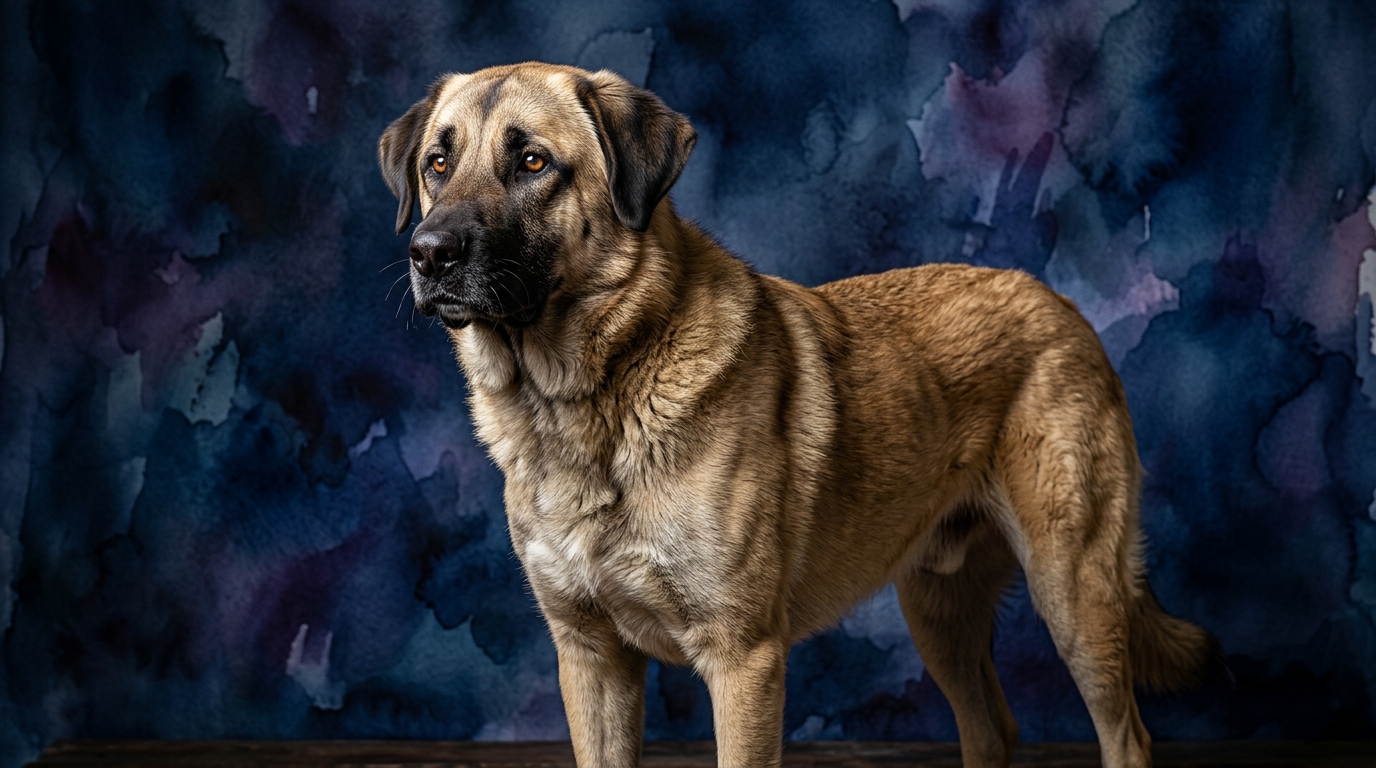
The Cosmic Pet Pet IQ Lab offers a nuanced perspective on canine cognition, breaking down intelligence into five key dimensions. For the Anatolian Shepherd Dog, a working breed primarily tasked with livestock guarding, their profile shows a balanced yet distinct set of capabilities: Problem Solving 3/5, Training Speed 3/5, Social Intelligence 3/5, Instinctive Drive 3/5, and Memory 3/5. This consistent 3/5 rating across the board reflects a self-reliant and practical intellect, geared towards independent decision-making in their historical role rather than eager compliance with human directives. Their instinctive drive, for example, is likely focused on territorial vigilance and threat assessment, manifesting as a watchful and protective nature.
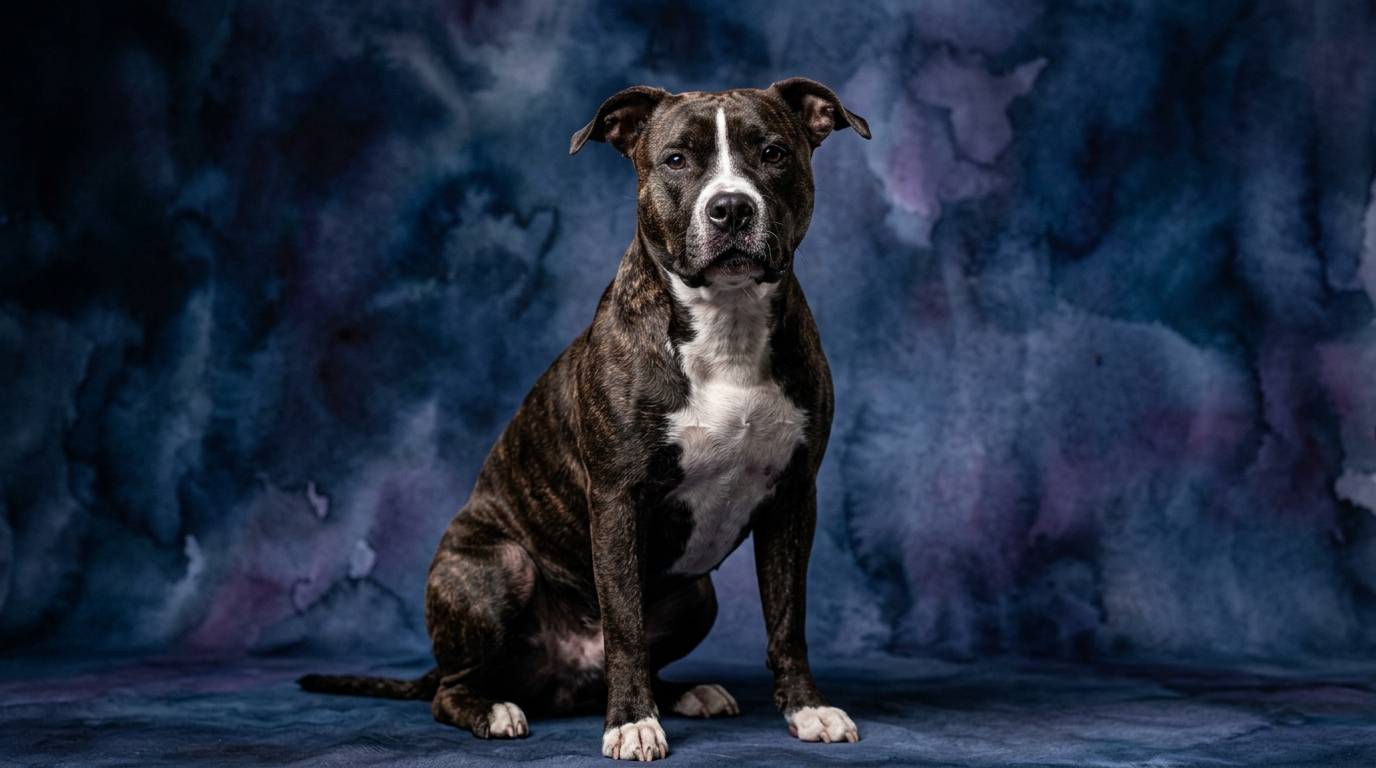
In contrast, the American Staffordshire Terrier, a member of the Terrier group and Coren-ranked at #48, presents a slightly different cognitive emphasis. Their scores are: Problem Solving 3/5, Training Speed 3/5, Social Intelligence 3/5, Instinctive Drive 3/5, and Memory 4/5. While sharing similar foundational scores in most areas with the Anatolian, the AmStaff's elevated Memory at 4/5 is a significant differentiator. This suggests a greater capacity for retaining complex sequences, commands, and routines over time, which often translates into quicker learning of specific tasks and better recall. Their instinctive drive, typical of terriers, might lean towards engagement with tasks, persistence, and a strong prey drive that, when channeled, can fuel enthusiasm for various dog sports and activities.
Where the Anatolian Shepherd Dog Excels Cognitively
The Anatolian Shepherd Dog's cognitive strengths are deeply rooted in their historical role as independent livestock guardians. Their 3/5 in Problem Solving manifests not as a desire to solve human-devised puzzles, but as a robust ability to assess and respond to real-world threats to their flock or family without constant human direction. This breed excels at situational awareness and making autonomous decisions in dynamic environments, such as distinguishing between genuine threats and harmless wildlife, or understanding herd dynamics. Their Social Intelligence, also rated 3/5, is often less about intricate human social cues and more about reading the subtle behaviors of livestock and other canines, maintaining order, and understanding the social hierarchy within their charge. This independent thought process, while challenging for conventional obedience, is a hallmark of their functional brilliance.
Their consistent 3/5 in Instinctive Drive is precisely tuned for vigilance and protection. This isn't a drive for repetitive tasks or retrieving; it's an intrinsic motivation to patrol, observe, and intervene when necessary. This means they are constantly processing environmental stimuli, prioritizing potential dangers, and acting on their own initiative to secure their territory. Their memory, while rated 3/5, is likely highly effective for retaining information relevant to their guarding duties – remembering boundaries, recognizing familiar faces, and recalling patterns of threats, rather than memorizing a vast repertoire of tricks. This makes them profoundly effective in a role that demands self-sufficiency and a keen understanding of their surroundings.
Where the American Staffordshire Terrier Shines Cognitively
The American Staffordshire Terrier's cognitive profile, particularly their 4/5 in Memory, positions them to excel in areas requiring retention and application of learned behaviors. This superior memory means they can more readily consolidate new commands, routines, and experiences into long-term recall, making them adept at mastering a broad range of skills. Their 3/5 in Problem Solving often translates into an eagerness to engage with challenges presented by their human companions, such as learning complex sequences in obedience or agility, or figuring out interactive toys. They thrive on mental stimulation that involves working alongside their owners, showcasing their capacity for focused engagement.
The AmStaff's 3/5 in Social Intelligence is often directed towards their human family, demonstrating a nuanced understanding of human emotions and intentions. They are typically responsive to subtle shifts in tone and body language, making them highly attuned companions. Their Instinctive Drive, also 3/5, while possessing terrier tenacity, is often channeled into sustained engagement with tasks and people, rather than independent territorial guarding. This drive, when guided, fuels their enthusiasm for training, play, and participation in various dog sports. The combination of their strong memory and desire to interact makes them highly adaptable to diverse living situations and training regimens, provided they receive consistent guidance and mental engagement.
Training Dynamics: Which is Easier and Why?
When considering ease of training, the American Staffordshire Terrier generally presents a more straightforward path for the average owner, largely due to their superior Memory (4/5) and their Coren ranking of #48, which signifies a good capacity for obedience learning. Their tendency to form strong bonds with their human companions often translates into a desire to please and engage in cooperative tasks. They are typically quicker to understand and retain commands, and their inherent drive, when properly channeled, makes them enthusiastic participants in training sessions. However, their terrier tenacity requires consistency and clear boundaries to prevent them from becoming headstrong or fixated on undesirable behaviors.
The Anatolian Shepherd Dog, with a 3/5 in Training Speed and a deeply ingrained independent nature, poses a different kind of training challenge. They are not 'difficult' in the sense of being unable to learn, but rather they learn on their own terms. Their intelligence is geared towards independent decision-making, which means they often weigh commands against their own assessment of the situation. Training an Anatolian requires immense patience, consistency, and a deep understanding of their guardian instincts. Rather than rote obedience, the focus is often on building a respectful partnership where the dog trusts the owner's judgment while still retaining its capacity for autonomous action. They may require more repetitions to solidify commands and might not perform them with the same eager enthusiasm as an AmStaff, especially if the command seems illogical to their guardian mindset. Their social intelligence is more about reading environmental cues than human demands, which impacts their responsiveness to traditional obedience methods.
Matching Breeds to Lifestyles: Active vs. Relaxed Owners
For the active owner who thrives on engagement, structured activities, and a canine partner eager to participate in various endeavors, the American Staffordshire Terrier is often an excellent fit. Their robust memory, combined with a willingness to learn and a generally athletic build, makes them superb candidates for agility, obedience, rally, and other dog sports. They flourish with owners who can provide consistent mental stimulation through training and physical exercise through varied activities, from long hikes to vigorous play sessions. Their social intelligence also means they generally enjoy being a central part of family life and social outings, making them suitable for owners who want a versatile companion to share diverse experiences with.
Conversely, the Anatolian Shepherd Dog is better suited for owners who embody a more 'relaxed' but profoundly patient and understanding approach, particularly those with experience with guardian breeds or a deep appreciation for independent working dogs. 'Relaxed' here doesn't mean inactive; Anatolians require space and regular exercise, but their cognitive needs are less about constant structured activity and more about purposeful existence. They do best with owners who can provide a secure environment, understand their protective instincts, and appreciate their self-reliant nature. They are not typically dogs for bustling urban environments or for owners seeking a highly biddable companion for intricate sports. Instead, they thrive with owners who offer a quiet leadership, consistent routines, and respect their inherent watchfulness and territoriality, often in a more rural or spacious setting where their natural drives can be safely expressed.
The Verdict
Choose the Anatolian Shepherd Dog if you appreciate an independent, watchful companion, have ample space, and are prepared for a training journey built on partnership and mutual respect, valuing their autonomous protective instincts. They are ideal for those seeking a dog that thinks for itself in a guardian role, rather than one always seeking direction.
Opt for the American Staffordshire Terrier if you desire an engaged, versatile companion who thrives on structured training, enjoys participating in various activities, and benefits from an owner committed to consistent mental and physical stimulation. Their strong memory and eagerness to interact make them a rewarding choice for active, involved individuals or families.
🧠 Find Your Pet's IQ Score
Our Pet IQ Lab assessment covers 25+ tests across 5 cognitive dimensions — personalized to your breed.
Take the Full IQ Test →Frequently Asked Questions
Is the Anatolian Shepherd Dog difficult to train due to its independence?
The Anatolian Shepherd Dog is not inherently difficult to train, but their independent nature and guardian instincts mean they respond differently to training methods. They require consistency, patience, and a focus on building a respectful partnership rather than expecting immediate, eager obedience. Their intelligence is geared towards autonomous decision-making in their protective role.
How does the American Staffordshire Terrier's memory impact its trainability?
The American Staffordshire Terrier's 4/5 memory score significantly enhances its trainability, allowing it to quickly grasp and retain commands and complex routines. This strong recall makes them excellent candidates for various dog sports and advanced obedience, provided their owners offer consistent, engaging training and channel their terrier drive effectively.
Do these breeds require a lot of exercise?
Both breeds benefit from regular exercise, though their needs differ. The American Staffordshire Terrier thrives on varied, active engagement like runs, hikes, and structured play to satisfy their athleticism and mental needs. The Anatolian Shepherd Dog, while needing space to roam and patrol, often prefers purposeful activity over intense, repetitive exercise, maintaining a watchful energy throughout their day.