Side-by-Side IQ Profile: Unpacking Identical Scores
Despite both the Anatolian Shepherd Dog and the Leonberger registering identical 3/5 scores across The Cosmic Pet Pet IQ Lab's five cognitive dimensions, the application and manifestation of these abilities are deeply colored by their unique breed histories and temperaments. A score of 3/5 signifies a solid, capable level of intelligence, but the context of its deployment is where the true distinctions emerge.
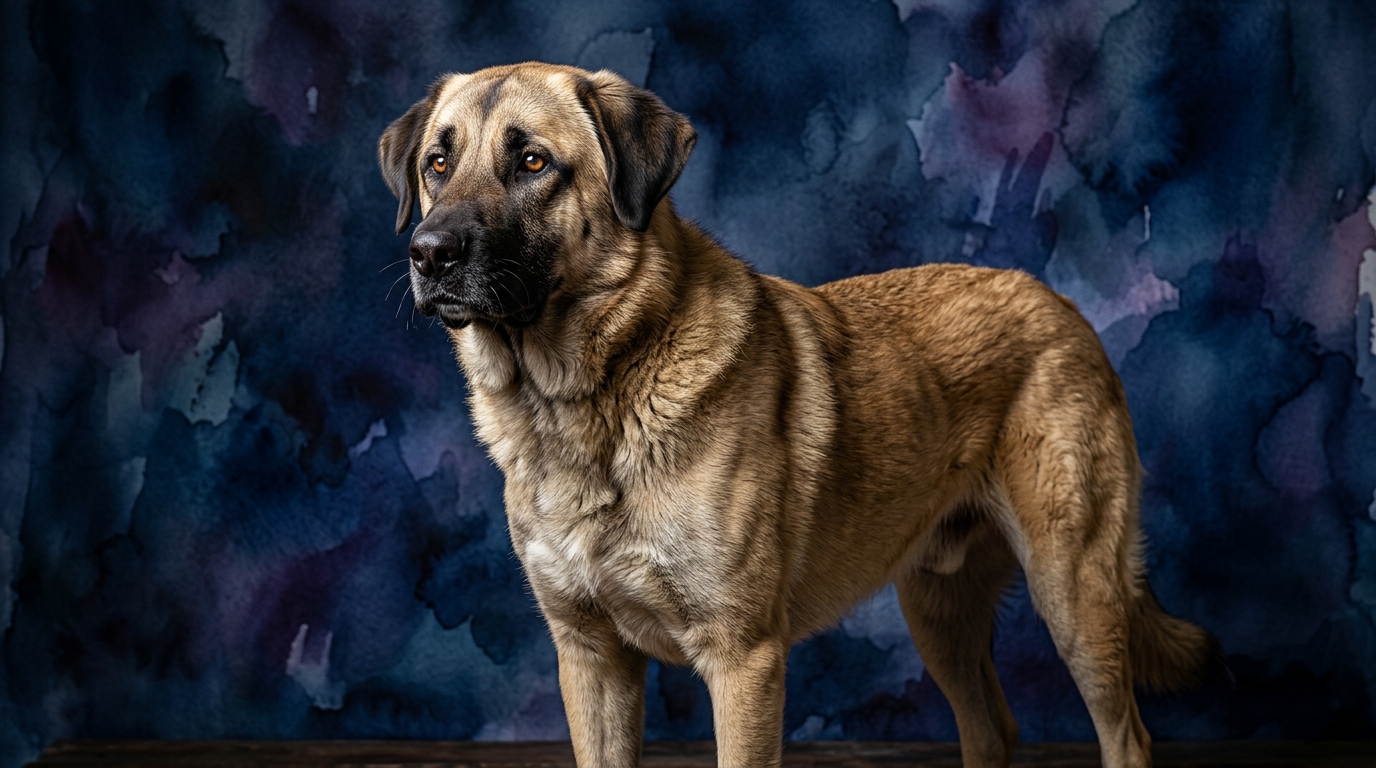
The Anatolian Shepherd Dog's cognitive profile is intrinsically linked to its role as an independent livestock guardian. Its Problem Solving (3/5) is focused on autonomous decision-making in the field, assessing and neutralizing threats to its flock without constant human direction. This involves complex environmental analysis and strategic movements to deter predators or guide animals away from danger. Their Training Speed (3/5) is steady, but often requires understanding the 'why' behind a command; they are not inherently driven by a desire to please, but by utility and purpose within their guardianship role. Social Intelligence (3/5) for an Anatolian is finely tuned to reading the subtle cues of other animals and discerning intentions in unfamiliar individuals, essential for protecting their charges. Their Instinctive Drive (3/5) is a powerful, unwavering commitment to territorial and flock protection, manifesting as constant vigilance. Finally, their Memory (3/5) is robust, particularly for spatial awareness, routines, and identifying specific individuals or past threats within their domain.
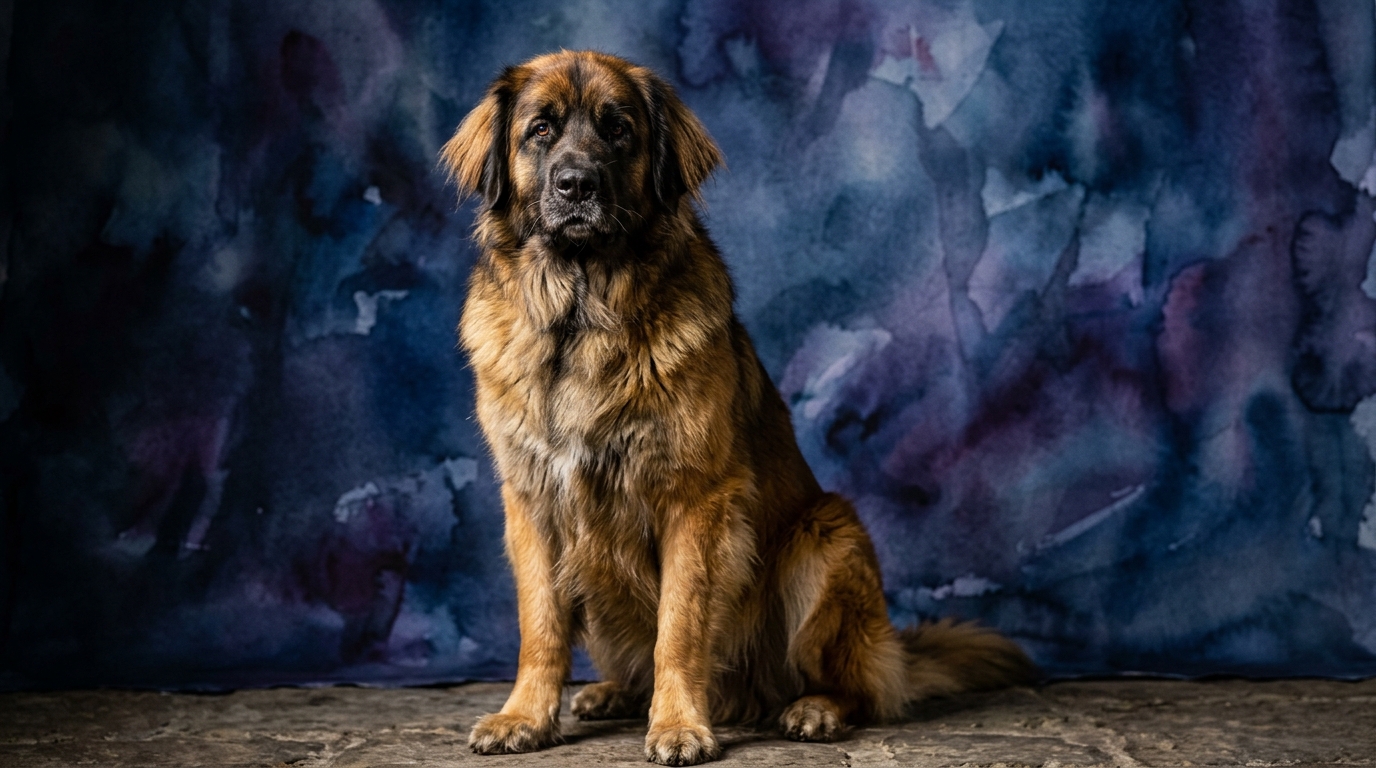
In contrast, the Leonberger's cognitive strengths developed through its history as a versatile farm dog, draft animal, and devoted family companion. Their Problem Solving (3/5) often involves navigating social situations or carrying out multi-step tasks in collaboration with humans, demonstrating a creative approach to obstacles within a cooperative framework. Leonbergers typically exhibit a commendable Training Speed (3/5), responding well to positive reinforcement due to their eagerness to please and strong bond with their owners, though their playful nature can sometimes require focused engagement. Their Social Intelligence (3/5) is particularly strong in reading human emotions and intentions, allowing them to adapt seamlessly to family life and offer intuitive companionship. The Leonberger's Instinctive Drive (3/5) centers on being an integral part of their family, with a moderate protective inclination and natural aptitudes for tasks like water rescue or pulling carts. Their Memory (3/5) is excellent for retaining commands, routines, and the personalities of those they interact with, contributing to their reliability and affectionate nature.
Where the Anatolian Shepherd Dog Wins Cognitively
The Anatolian Shepherd Dog particularly shines in cognitive areas demanding independent judgment and self-reliance, honed over centuries as livestock guardians. Their historical imperative to protect flocks without constant human oversight has fostered a superior capacity for autonomous problem-solving in dynamic, unpredictable environments. For instance, an Anatolian might instinctively recognize a subtle shift in the wind carrying the scent of a distant predator and proactively position itself, or subtly guide its flock away from perceived danger, without a single command. This deep-seated ability to assess, strategize, and act independently in a guardianship role represents a cognitive advantage for scenarios requiring inherent vigilance and self-sufficiency. Their discerning social intelligence also allows them to quickly categorize novel stimuli as either benign or a potential threat, a crucial skill for their protective duties.
Where the Leonberger Wins Cognitively
The Leonberger's cognitive strengths lean towards cooperative tasks and nuanced social integration, stemming from its dual role as a farm dog and family companion. Their social intelligence is particularly adept at reading human emotions and intentions, making them exceptionally intuitive family members. A Leonberger might sense an owner's distress and offer comfort without prompting, or subtly adjust its play to match a child's energy level. Their problem-solving, while rated similarly, is often applied in ways that involve human collaboration, such as figuring out how to retrieve a specific item for an owner or patiently navigating a complex environment while performing a task. This capacity for empathetic interaction and responsiveness to human cues gives them an edge in roles demanding close partnership and emotional attunement.
Which is Easier to Train and Why
When considering ease of training, the Leonberger generally presents a more straightforward experience for the average owner, primarily due to their intrinsic desire to please and their strong social bonding with humans. While both breeds score 3/5 in training speed, the Leonberger's motivation often aligns with human approval and companionship, making them more receptive to traditional reward-based training methods. They tend to engage readily in learning sessions, seeking interaction and positive reinforcement. The Anatolian Shepherd Dog, conversely, approaches training with a more pragmatic, independent mindset. They learn, but their motivation is less about pleasing and more about understanding the logical utility of a command within their own framework of purpose. This independence can manifest as a perceived stubbornness, requiring a trainer to be exceptionally consistent, patient, and able to convey the 'why' behind a command, rather than just the 'what.' Their strong guardian instincts can also mean they are less inclined to perform tasks that don't align with their protective role.
Which Suits Active Owners vs. Relaxed Owners
For truly active owners who enjoy consistent outdoor adventures, the Leonberger can be a more adaptable companion. While large, they possess a playful energy and generally enjoy activities that involve their human family, such as hiking, swimming, or even canine sports like drafting or obedience. Their desire for companionship means they thrive on shared experiences and mental stimulation through interaction. Relaxed owners, however, might find the Anatolian Shepherd Dog a better fit, but with a crucial caveat: 'relaxed' should not mean 'inactive' or 'hands-off.' Anatolians require significant space and mental engagement, but their preferred activity often involves patrolling their territory and quiet observation rather than high-octane physical exertion alongside their owner. They are not typically dogs for jogging partners or intense agility courses. Their independence means they are content to be near their family, but not necessarily participating in every activity. Owners must still provide ample secure outdoor space for them to fulfill their patrolling instincts and ensure their cognitive needs for vigilance are met, even if the owner's personal activity level is moderate.
The Verdict
Choose the Anatolian Shepherd Dog when you seek an independent, self-reliant guardian with a profound sense of purpose, possessing ample secure space for their territorial needs, and you appreciate a companion whose cognitive strength lies in autonomous decision-making and quiet vigilance.
Choose the Leonberger when you desire a large, gentle companion who thrives on close family integration, cooperative tasks, and exhibits an empathetic, people-oriented intelligence, and you are prepared to engage them in moderate physical activity and consistent, positive training.
🧠 Find Your Pet's IQ Score
Our Pet IQ Lab assessment covers 25+ tests across 5 cognitive dimensions — personalized to your breed.
Take the Full IQ Test →Frequently Asked Questions
Do Anatolian Shepherds and Leonbergers have similar energy levels?
While both are large breeds, their energy manifests differently. Leonbergers typically enjoy more active, interactive play and exercise with their families, whereas Anatolians prefer a more observational, patrolling type of activity, requiring space but not necessarily constant high-intensity engagement.
Are either of these breeds suitable for first-time dog owners?
Neither breed is generally recommended for first-time dog owners. Both possess significant size, strength, and unique cognitive profiles that require experienced handling, consistent training, and a deep understanding of their breed-specific needs and temperament.
How do their protective instincts compare, given their similar 'instinctive drive' scores?
Their protective instincts are similarly strong (3/5) but are expressed differently. The Anatolian's drive is primarily for independent, territorial guardianship of property or livestock, while the Leonberger's is more family-centric, often expressed through gentle deterrence and a desire to keep their human pack safe and together.