Side-by-Side Cognitive Profiles
The Cosmic Pet Pet IQ Lab employs a five-dimensional framework to assess canine cognition: problem-solving, training speed, social intelligence, instinctive drive, and memory, each rated on a scale of 1 to 5. This standardized approach allows us to dissect the nuanced cognitive landscapes of diverse breeds, moving past generalized notions to specific behavioral indicators.
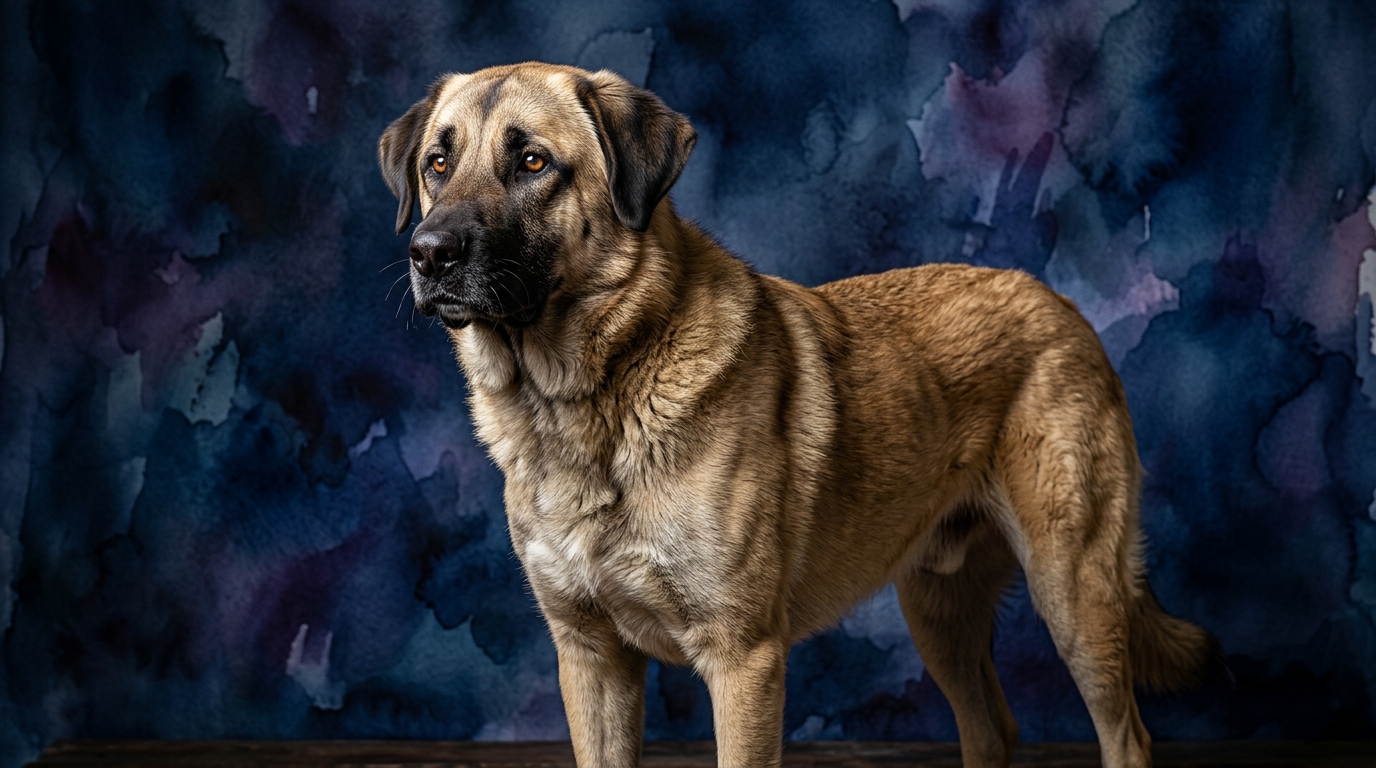
The Anatolian Shepherd Dog, a breed not appearing on the Coren ranking, demonstrates a consistent cognitive profile across all five dimensions, scoring 3/5 in problem-solving, training speed, social intelligence, instinctive drive, and memory. This uniform scoring reflects a balanced, self-reliant intellect geared towards independent decision-making and observation rather than rapid human-directed task acquisition. Its cognitive strengths are rooted in its historical role as a guardian, where autonomous thought and environmental awareness are paramount.
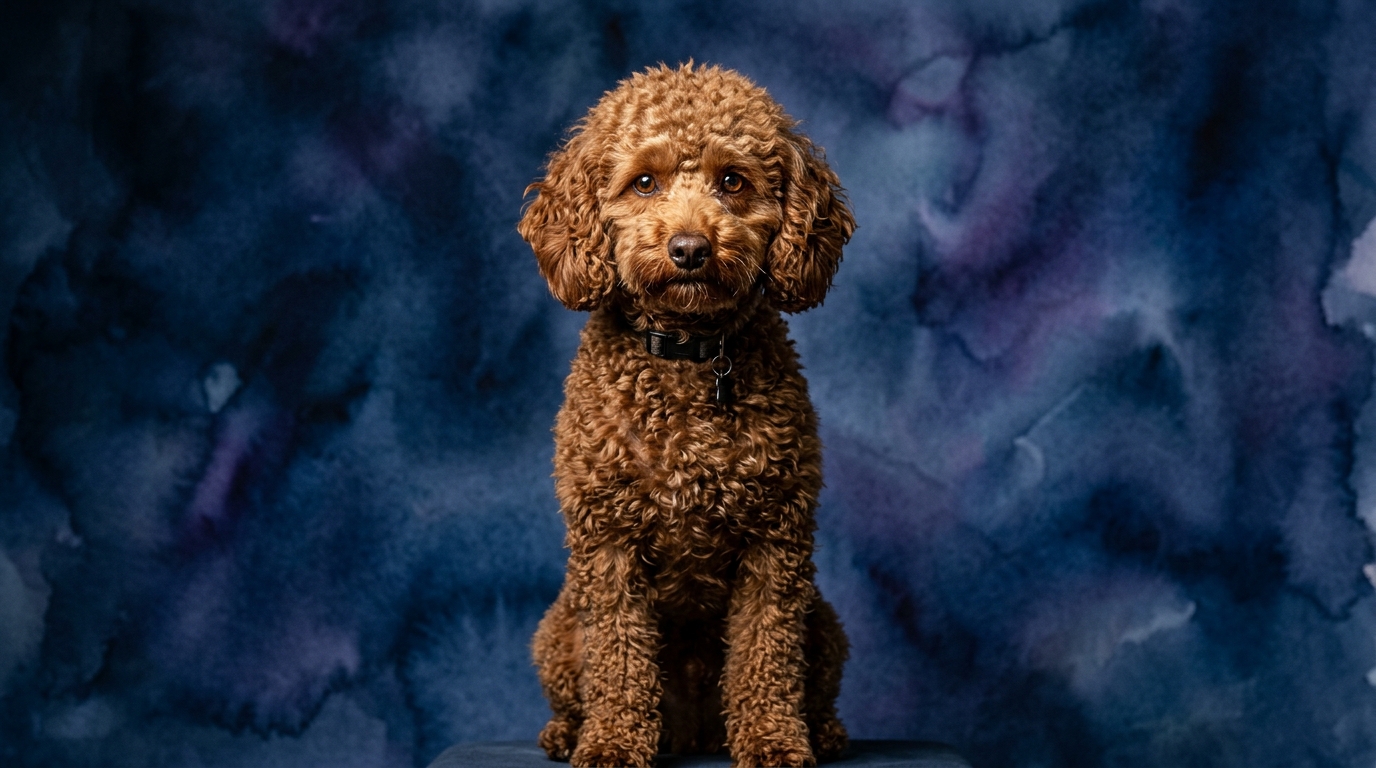
In stark contrast, the Miniature Poodle, recognized by Coren as the #2 ranked breed for working and obedience intelligence, presents a highly specialized cognitive blueprint. It achieves top scores of 5/5 in problem-solving, training speed, and memory, while scoring 3/5 in both social intelligence and instinctive drive. This profile indicates a breed exceptionally adept at learning complex tasks, retaining information, and applying logic in varied scenarios, reflecting its long history of performing intricate tricks and excelling in obedience. The disparity in Coren ranking further underscores the Miniature Poodle's remarkable capacity for understanding and executing human commands.
The difference in these profiles highlights how selective breeding for distinct purposes has sculpted canine minds. Where the Anatolian Shepherd's steady 3/5 scores suggest a robust, independent thinker, the Miniature Poodle's peak scores in specific areas point to an agile, adaptable learner highly responsive to human interaction and instruction.
Where the Anatolian Shepherd Dog’s Unique Cognition Shines
While its scores of 3/5 across the board might seem modest compared to the Poodle's peaks, the Anatolian Shepherd Dog's cognitive strengths are profoundly effective within its intended role. Its problem-solving ability, rated 3/5, is not about solving puzzles for human entertainment, but rather about independently assessing environmental threats and devising strategies to protect its flock or territory. This involves complex observational skills and autonomous decision-making in dynamic, often solitary, situations.
The Anatolian's social intelligence, also 3/5, is finely tuned to its livestock and subtle environmental cues. It excels at reading the behavior of sheep or goats, understanding predator patterns, and discerning intent from strangers at a distance. This isn't about eager human interaction but about sophisticated contextual awareness and a profound understanding of its immediate environment and charges. Its instinctive drive (3/5) is a powerful, unwavering commitment to guardianship, translating into vigilance and protective action without constant human prompting. This drive is a cognitive asset, channeling its mental energy towards its primary purpose.
Furthermore, its memory (3/5) is exceptionally practical, allowing it to recall specific threats, patrol routes, and the habits of its charges over extended periods. This contributes to its reliability as a guardian, enabling it to anticipate and respond effectively to recurring challenges. The Anatolian Shepherd Dog's cognitive 'wins' lie in its self-sufficiency, its unwavering focus on its task, and its capacity for independent, situation-specific judgment, all essential for a breed whose historical survival depended on making critical decisions without human oversight.
Where the Miniature Poodle’s Cognitive Acuity Excels
The Miniature Poodle's cognitive profile reveals a breed engineered for rapid learning and sophisticated interaction within a human environment. Its 5/5 rating in problem-solving signifies an exceptional capacity to understand complex instructions, navigate novel situations, and figure out solutions to challenges presented by humans, whether it's opening a latch or performing an intricate trick sequence. This cognitive agility allows it to quickly grasp cause-and-effect relationships and apply learned concepts to new scenarios.
The Poodle's training speed, also rated 5/5, is a hallmark of its intellect. It absorbs new commands and behaviors with remarkable efficiency, often requiring fewer repetitions than many other breeds. This rapid acquisition of skills makes it a standout in obedience, agility, and other dog sports, where quick understanding and precise execution are prized. Its enthusiasm for learning and willingness to engage with its handler further amplify this strength, making training a highly rewarding experience.
Crucially, the Miniature Poodle's memory, scoring a perfect 5/5, underpins its ability to retain a vast repertoire of commands, tricks, and routines over long periods. This robust memory ensures consistent performance and allows for the continuous expansion of its learned skills. Coupled with its high problem-solving and training speed, this makes the Miniature Poodle an incredibly versatile and adaptable companion, capable of mastering a wide array of human-directed tasks and thriving in environments that demand mental engagement and quick thinking.
Which is Easier to Train and Why
When it comes to ease of training, the Miniature Poodle holds a distinct advantage, primarily due to its 5/5 training speed compared to the Anatolian Shepherd Dog's 3/5. The Poodle's inherent drive to engage with its human companions and its exceptional ability to associate commands with actions and rewards means it typically grasps new concepts and behaviors with minimal repetition. This makes it highly responsive to positive reinforcement methods and a joy to train for owners seeking a dog that quickly masters obedience and tricks.
The Anatolian Shepherd Dog, however, presents a different training dynamic. Its 3/5 training speed is not indicative of a lack of cognitive capacity, but rather a profound independence and a strong sense of self-preservation and purpose. This breed was developed to make its own decisions in the absence of human direction, leading to a natural inclination to question or evaluate commands rather than blindly comply. Training an Anatolian requires immense patience, consistency, and a deep understanding of its guardian instincts; owners must earn its trust and respect, demonstrating that commands align with its perceived purpose or safety.
Behaviorally, a Miniature Poodle often seeks to please and thrives on interaction, making it naturally inclined to follow human cues. Its quick recall and problem-solving skills mean it can learn complex sequences readily, adapting to various training environments. An Anatolian, conversely, might appear stubborn if its human fails to provide a clear, logical reason for a command from its perspective. Its training is more about building a partnership based on mutual respect and understanding its intrinsic motivation, which is often rooted in protection and self-sufficiency, rather than simply obeying for a treat.
Which Suits Active Owners vs. Relaxed Owners
The suitability of each breed for active versus relaxed owners hinges on their distinct needs for physical exercise and, crucially, mental stimulation. 'Active' owners might seek a dog for sports or long adventures, while 'relaxed' owners might prefer a more sedentary companion, but mental engagement is a critical component for both breeds, albeit in different forms.
The Anatolian Shepherd Dog, despite its guarding role, can appear relatively calm indoors once its territorial and exercise needs are met. However, this breed suits owners who are 'active' in providing vast outdoor space, consistent mental stimulation through observation and patrolling, and who understand its need for a purpose. Its mental activity is often internal – scanning, assessing, and making independent judgments – rather than requiring constant human-directed games. A relaxed owner who cannot provide a large, secure yard or a 'job' for this breed would find its protective instincts and need for autonomy challenging.
The Miniature Poodle, with its high problem-solving and training speed scores, thrives with 'active' owners who are prepared to engage its keen intellect daily. This breed requires significant mental stimulation through regular training sessions, puzzle toys, and interactive games to prevent boredom and destructive behaviors. While it enjoys physical activity like walks and fetch, its mental energy demands consistent outlets. A 'relaxed' owner who prefers minimal engagement and expects their dog to entertain itself would likely find the Miniature Poodle's need for cognitive work overwhelming, potentially leading to an understimulated and unhappy companion. Its mental vitality needs an owner who actively participates in its cognitive development.
The Verdict
Choose the Anatolian Shepherd Dog if you are an experienced owner with extensive space, seeking a self-reliant guardian whose intelligence is expressed through independent observation and protection.
Opt for the Miniature Poodle if you desire a highly trainable, versatile companion eager to learn, excel in various activities, and thrive on consistent mental engagement with its human.
🧠 Find Your Pet's IQ Score
Our Pet IQ Lab assessment covers 25+ tests across 5 cognitive dimensions — personalized to your breed.
Take the Full IQ Test →Frequently Asked Questions
Are Anatolian Shepherd Dogs difficult to manage?
Anatolian Shepherd Dogs possess a strong independent streak and a profound protective instinct, which can make them challenging for novice owners. Their self-sufficient nature means they require patient, consistent training and clear leadership to ensure their guardian behaviors are appropriately channeled and managed within a family setting.
Do Miniature Poodles require a lot of mental stimulation?
Yes, Miniature Poodles have exceptional problem-solving abilities and training speed, indicating a strong need for consistent mental engagement. Without regular training, puzzle toys, and interactive play, they can become bored, potentially leading to undesirable behaviors as they seek their own mental outlets.
Can an Anatolian Shepherd Dog be a good family pet?
Anatolian Shepherd Dogs can be devoted family members, particularly to children within their 'flock,' but they require extensive socialization from a young age and an understanding of their protective nature. Their social intelligence is geared towards their charges and territory, so they need an owner who can manage their strong guarding instincts and provide a secure, consistent environment.