Side-by-Side IQ Profile: Guardians of Different Realms
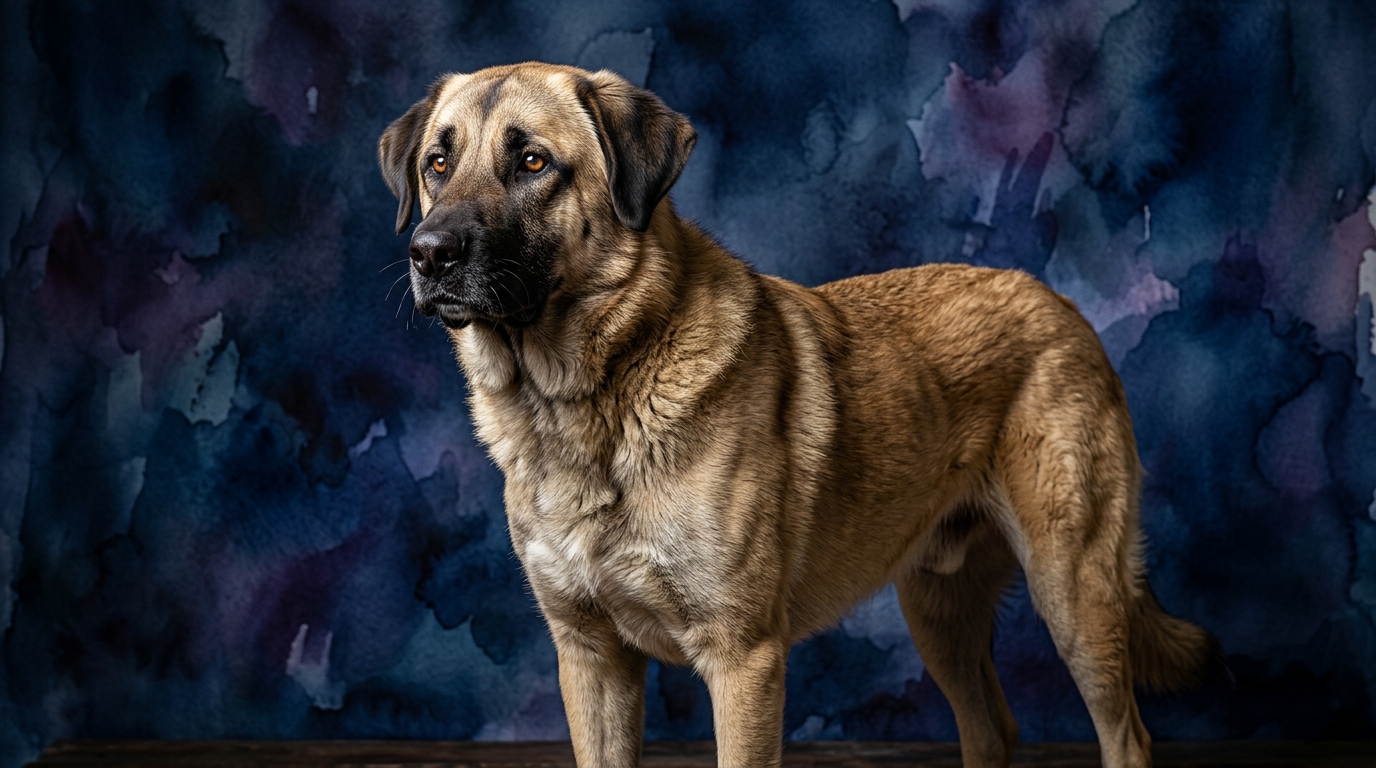
The Anatolian Shepherd Dog exhibits its problem-solving abilities not through intricate puzzles, but in practical, independent decision-making within vast, often challenging environments. This involves strategizing how to deter a potential predator without direct confrontation, or autonomously locating a lost lamb, demonstrating a self-reliant approach to resource and flock management.
These dogs learn commands at a moderate pace, yet their independent nature means they often evaluate directives, especially if they perceive a conflict with their primary guardian duty. Effective training requires a consistent leader who earns their respect and trust, fostering a partnership rather than demanding rote compliance.
Their social intelligence shines in their acute ability to read livestock behavior, interpret subtle shifts in the environment, and understand pack dynamics within their charge. They can discern intent in strangers or unfamiliar animals with a quiet, observant wisdom, making them effective, autonomous protectors.
The Anatolian possesses a strong, inherent drive to protect, patrol, and survey their territory and charges. This is not typically expressed as aggression but as vigilant territorial defense, often communicated through their imposing presence, strategic positioning, or a deep, resonant bark.
Anatolian Shepherds demonstrate solid memory for routines, established boundaries, and past threats or experiences. They learn effectively from environmental cues and prior encounters, retaining information vital for maintaining a secure and stable environment for their flock.
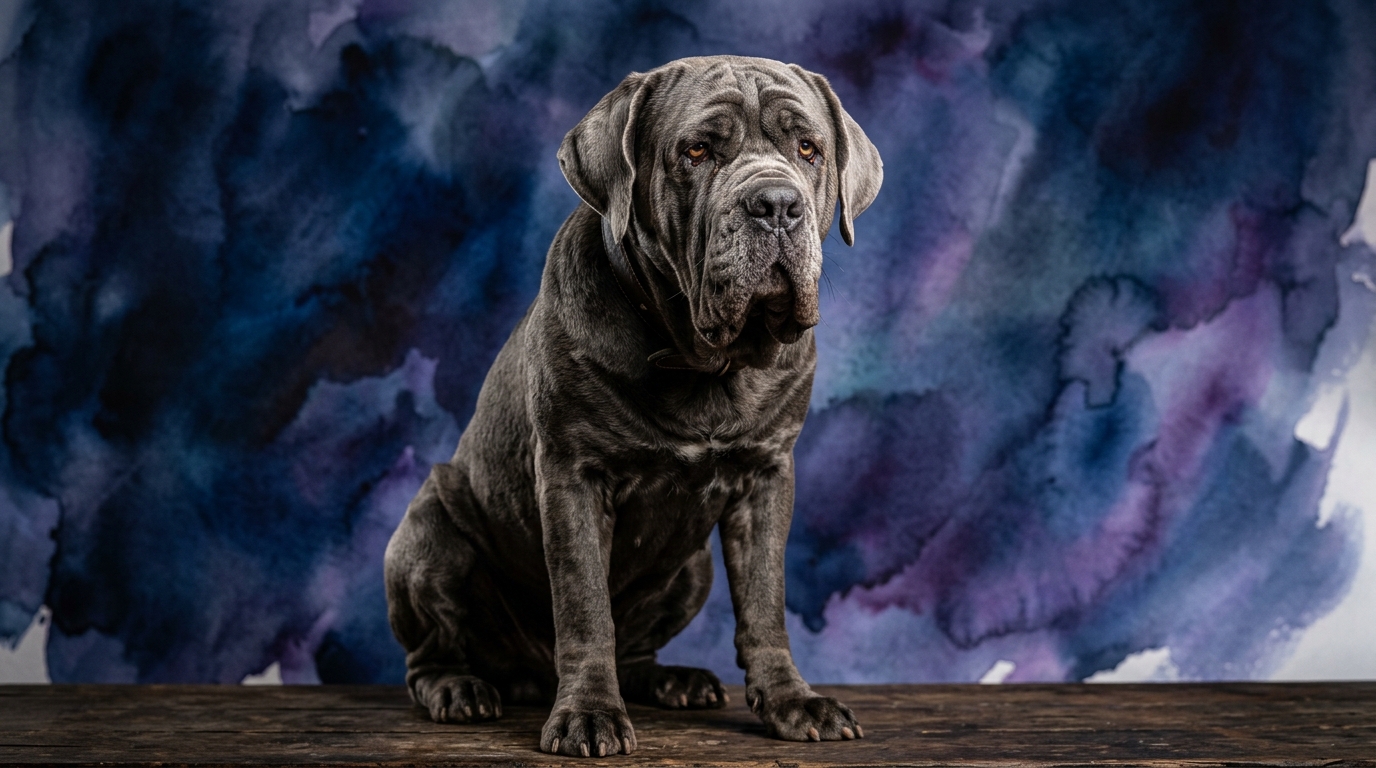
The Neapolitan Mastiff's problem-solving skills are more keenly focused on navigating complex social dynamics within a human family unit and assessing threats within a defined domestic territory. This might involve subtly positioning themselves to block an perceived intruder's path or understanding intricate household routines.
While capable of learning, the Neapolitan Mastiff often approaches training with a deliberate, sometimes stubborn demeanor, requiring patience and consistent methods. They process information steadily, responding best to positive reinforcement and clear, calm communication rather than hurried, repetitive drills.
These Mastiffs are highly attuned to human emotions and family dynamics, reading body language and vocal tones with remarkable acuity. They possess a strong sense of who belongs within their intimate circle and who is a stranger, making them exceptionally discerning family guardians.
The Neapolitan's instinctive drive is powerfully geared towards the close-quarters protection of their family and home. This drive is manifested through their imposing physical presence, their unwavering vigilance, and their readiness to act decisively if a direct, immediate threat to their loved ones is perceived.
Neapolitan Mastiffs exhibit excellent recall for family members, trusted friends, and any individuals or situations they have previously identified as potential threats. They remember specific household routines, established rules, and expectations within their domestic environment with reliable consistency.
Where the Anatolian Shepherd Dog Wins Cognitively
The Anatolian Shepherd Dog excels in cognitive areas demanding independent thought and expansive environmental awareness, a direct reflection of their historical role as autonomous livestock guardians. Their problem-solving (3/5) is uniquely geared towards self-sufficiency in open spaces, making critical decisions without direct human command, such as adapting to changing weather conditions or managing a flock's movement. Furthermore, their social intelligence (3/5) extends remarkably to non-human flock members, allowing them to interpret subtle animal behaviors and anticipate needs or threats effectively. This combination fosters a sophisticated, self-reliant guardianship that thrives on subtle cues and broad situational assessment.
Where the Neapolitan Mastiff Wins Cognitively
The Neapolitan Mastiff demonstrates particular cognitive strengths in discerning nuanced human social structures and deploying their presence as a direct, physical deterrent. Their social intelligence (3/5) shines brightest in a domestic context, allowing them to profoundly understand human intent, family hierarchies, and emotional states within their immediate household. Their problem-solving (3/5), while not for open-field strategy, is acutely focused on immediate, close-quarters assessment of threats to their human family, often involving subtle positioning or intervention. Additionally, their memory (3/5) for specific human interactions and the classification of individuals as "safe" or "unfamiliar" is exceptionally robust, contributing to their unwavering loyalty and protective instincts.
Which is Easier to Train and Why
Neither the Anatolian Shepherd Dog nor the Neapolitan Mastiff can be categorized as "easy" to train in the conventional sense, given their independent natures and deliberate learning paces (both 3/5 for Training Speed). The Anatolian demands a trainer who deeply respects their self-reliant character; they are not inclined towards mindless obedience but rather evaluate commands based on their perceived utility and alignment with their guardian duties. Training an Anatolian is about building a partnership where the human's judgment is trusted, rather than enforcing strict compliance, and their strong instinctive drive (3/5) can sometimes lead them to prioritize perceived threats over immediate commands.
The Neapolitan Mastiff, while eager to please its family, also requires considerable patience due to its methodical learning style and occasional stubbornness. Their social intelligence (3/5) means they respond well to positive reinforcement and clear, consistent communication, understanding the nuances of human expectation. However, their sheer power and protective instincts necessitate unwavering, consistent handling from a young age. Once a Neapolitan learns a rule or command, their excellent memory (3/5) ensures it tends to stick, but reaching that point requires persistence and a calm, authoritative approach. In a domestic setting, the Neapolitan might be perceived as marginally easier because their guarding instinct is more directly aligned with family protection, making them more receptive to commands that reinforce this innate role, compared to the Anatolian's more expansive, independent guardianship.
Which Suits Active Owners vs. Relaxed Owners
Despite their generally calm and watchful demeanor, Anatolian Shepherd Dogs require owners who can provide significant mental and appropriate physical engagement, not necessarily in terms of high-impact sports, but in purposeful activity. Their instinctive drive (3/5) means they thrive when given a "job," even if it's patrolling a large, securely fenced property or overseeing family activities. They are best suited for owners who understand their need for purpose and independence, providing structured outlets for their guardian instincts and valuing a thoughtful, self-directed canine partner. They are not typically jogging companions but need space and a role.
The Neapolitan Mastiff, conversely, is less about extensive physical activity and more about imposing presence and unwavering loyalty within the home. While they enjoy a moderate daily walk, their immense size and powerful protective instincts (instinctive drive 3/5) mean owners must be prepared for vigilant supervision and consistent, lifetime training to manage their formidable nature. They suit owners who appreciate a devoted, imposing presence, have experience with large, strong-willed breeds, and can manage their protective tendencies responsibly, rather than seeking a highly active outdoor companion. They are generally relaxed indoors, but their sheer power demands constant owner awareness.
The Verdict
Choose the Anatolian Shepherd Dog if you are seeking an independent, highly vigilant guardian for a large property or livestock, valuing a thoughtful, self-reliant canine partner capable of autonomous decision-making in expansive environments.
Opt for the Neapolitan Mastiff if you desire a devoted, imposing family protector within a domestic setting, capable of nuanced understanding of human social dynamics and able to manage a powerful dog with a strong, close-quarters guarding instinct.
🧠 Find Your Pet's IQ Score
Our Pet IQ Lab assessment covers 25+ tests across 5 cognitive dimensions — personalized to your breed.
Take the Full IQ Test →Frequently Asked Questions
Are Anatolian Shepherds good with children?
Anatolian Shepherds can be good with respectful children within their own family, viewing them as part of their flock to protect. However, their immense size and guardian instincts mean supervision is always necessary, especially with unfamiliar children or boisterous play.
How much exercise does a Neapolitan Mastiff need?
Neapolitan Mastiffs require moderate exercise, typically a daily walk of 30-45 minutes to maintain muscle tone and mental well-being. They are not high-energy dogs and prefer a relaxed pace, but consistent, gentle activity is important for their large joints.
Do these breeds get along with other pets?
Both breeds possess strong guarding instincts, which can influence their interactions with other pets. Anatolian Shepherds may accept other animals if raised with them, viewing them as part of their charge, while Neapolitan Mastiffs often bond strongly with their immediate family pets but can be wary of unfamiliar animals. Early socialization is crucial for both.