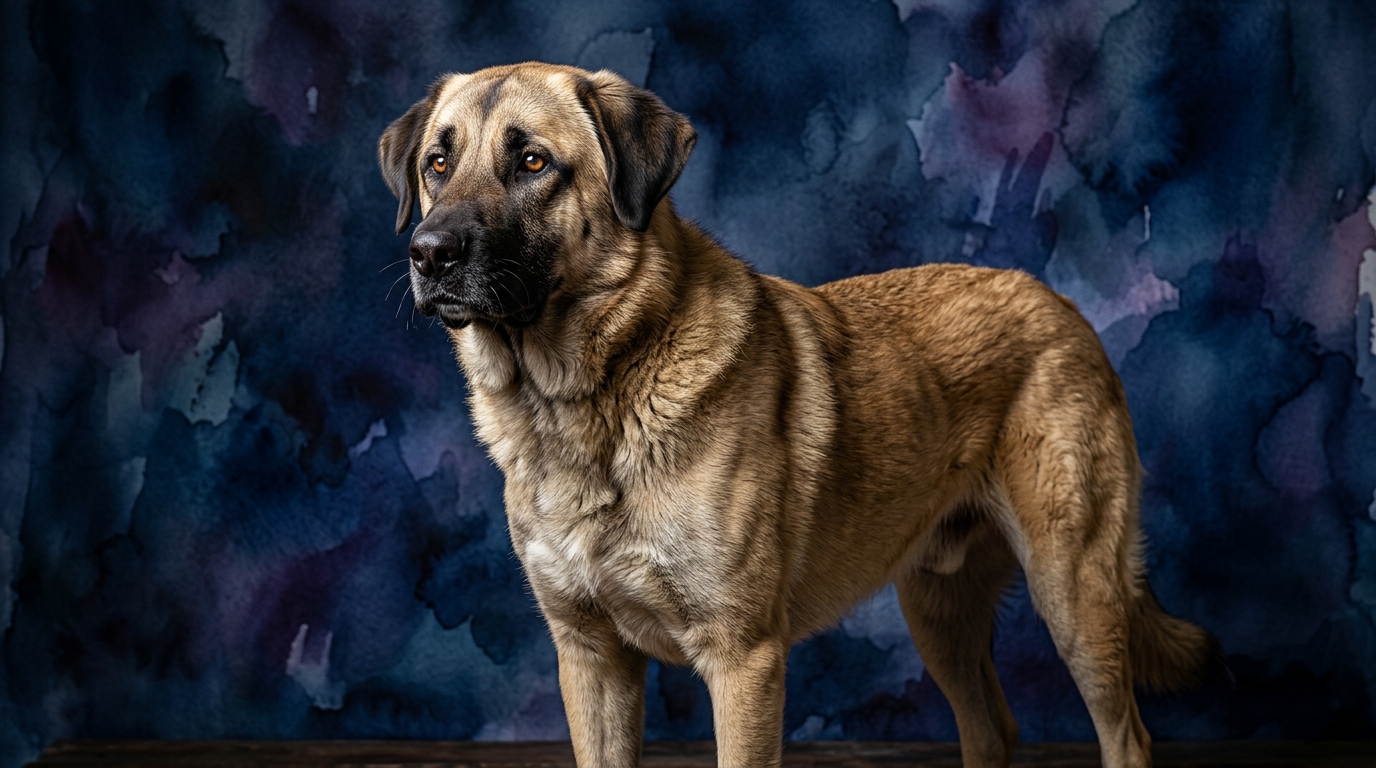
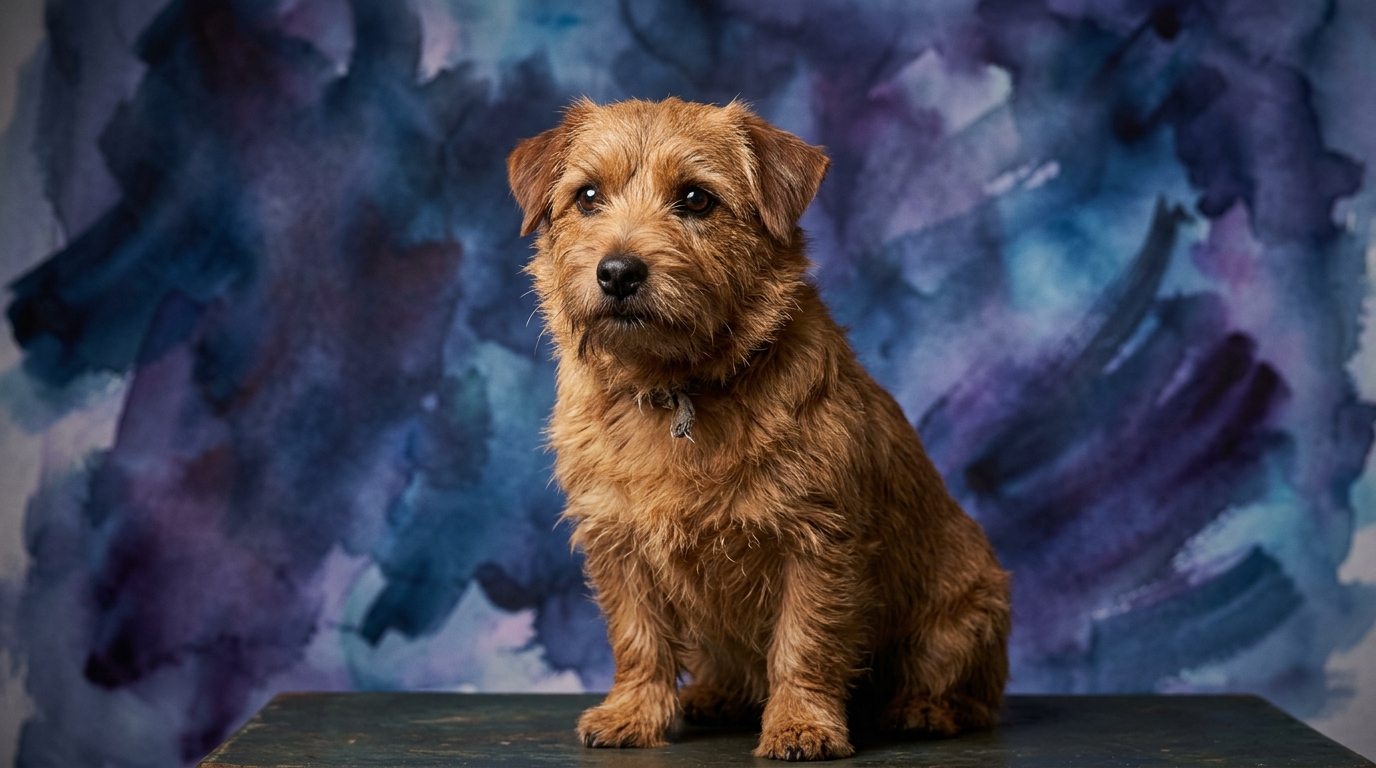
Side-by-Side IQ Profile: Anatolian Shepherd Dog vs. Norfolk Terrier
While both the Anatolian Shepherd Dog and the Norfolk Terrier register a '3/5' across all five cognitive dimensions in The Cosmic Pet Pet IQ Lab, their expression of these scores is profoundly shaped by their breed heritage and purpose. A numerical equivalency does not imply identical behavioral manifestations; rather, it prompts a deeper look into the context of their cognitive application.
For the **Anatolian Shepherd Dog**, a '3/5' in **Problem Solving** reflects a practical, independent ability to assess and manage threats to their livestock or territory without direct human intervention. Their solutions are often self-reliant and focused on maintaining order within their charge, rather than solving intricate puzzles. Their **Training Speed** at '3/5' indicates they are capable learners, but their inherent independence means they prioritize their own judgment, often requiring patient, consistent, and trust-based methods. **Social Intelligence** at '3/5' for the Anatolian manifests as a deep understanding of their family unit and charges, coupled with a reserved, discerning approach to strangers, focusing on watchful interpretation of cues. Their '3/5' **Instinctive Drive** is powerfully rooted in guardianship, translating to an always-present vigilance and desire to patrol and protect. Lastly, a '3/5' **Memory** allows them to effectively recall routines, boundaries, and the status of individuals within their perceived territory, aiding in their consistent protective duties.
The **Norfolk Terrier**, conversely, expresses its '3/5' in **Problem Solving** as quick-witted resourcefulness, particularly in navigating complex domestic environments or outsmarting small prey. They are adept at figuring out how to get to a desired object or through a barrier, driven by tenacity and curiosity. Their '3/5' **Training Speed** means they pick up commands steadily, often eager to please when engaged, but their terrier tenacity can lead to stubbornness if distractions arise or if they don't perceive a clear benefit. **Social Intelligence** at '3/5' for the Norfolk is characterized by their highly perceptive and interactive nature, quickly understanding human moods and thriving on engagement within the family. Their '3/5' **Instinctive Drive** is strongly tied to their terrier heritage: a persistent desire to dig, chase, and explore, fueled by a keen sense of smell. Finally, a '3/5' **Memory** enables Norfolks to retain commands, routines, and social interactions well, helping them navigate their world and recall strategies for achieving their goals.
Where the Anatolian Shepherd Dog Wins Cognitively
Despite identical numerical scores, the Anatolian Shepherd Dog's cognitive strengths distinctly manifest in independent judgment and territorial awareness. Their 3/5 problem-solving is an internal compass, allowing them to assess threats to their flock or property and respond without human directives, a trait invaluable for a guardian. This isn't about solving a puzzle toy, but rather discerning a genuine threat from a harmless wanderer across vast pastures. Their 3/5 instinctive drive, deeply rooted in protection, gives them an unmatched vigilance and a profound understanding of boundaries, making them inherently superior in tasks requiring self-sufficient guardianship and a keen perception of their environment.
Where the Norfolk Terrier Wins Cognitively
Conversely, the Norfolk Terrier's 3/5 cognitive profile shines in areas demanding quick adaptation and social engagement within a human household. Their problem-solving, while numerically identical, is geared towards navigating domestic intricacies or outsmarting small creatures, demonstrating a nimble, opportunistic mind perfect for a companion dog. This translates to figuring out how to open a cupboard or retrieve a dropped toy from a tight spot with impressive tenacity. Their 3/5 social intelligence, expressed as a keen ability to read human emotions and engage playfully, makes them exceptionally adept at forging strong, interactive bonds, a distinct advantage in a close-knit family setting where nuanced social interaction is paramount.
Which is Easier to Train and Why
Determining which breed is 'easier' to train is nuanced, despite both having a 3/5 training speed score. The Anatolian Shepherd Dog, with its deeply ingrained independence and self-reliant guardian instincts, often approaches training with a 'what's in it for me and my flock?' attitude. They will learn, but their compliance is often contingent on whether they perceive the command as relevant to their duties or beneficial. This means training requires immense patience, consistency, and a strong, trust-based relationship, often feeling like a negotiation rather than simple instruction. They might take longer to respond reliably to 'come' if they are busy patrolling a perceived boundary, demonstrating their strong will and independent decision-making.
The Norfolk Terrier, while also possessing a terrier's characteristic tenacity, generally exhibits a more eager-to-please disposition when engaged. Their 3/5 training speed is often bolstered by their social intelligence and desire for interaction, making them more responsive to positive reinforcement and play-based methods. They learn quickly in stimulating environments, but their short attention span and strong prey drive can make consistency challenging without compelling motivation. While they might get distracted by a squirrel, their fundamental desire to participate and engage with their owner often makes the *process* of training feel more straightforward and less like an uphill battle than with the more independent Anatolian.
Which Suits Active Owners vs. Relaxed Owners
The choice between these breeds significantly depends on an owner's lifestyle. The Anatolian Shepherd Dog is unequivocally suited for active owners, but 'active' here means more than just physical exercise. They require owners who are actively engaged in managing a large, independent, and protective dog. This includes providing vast, secure spaces, consistent training, and mental stimulation related to their guardian role. A truly relaxed owner would struggle with the Anatolian's need for purpose, vigilance, and the potential for independent decision-making that can challenge household rules. They thrive with owners who understand and respect their working heritage, providing opportunities for them to 'guard' within a safe, appropriate context.
The Norfolk Terrier, while energetic and playful, can adapt to a more varied range of owner activity levels, making them suitable for both active and moderately relaxed owners. They enjoy regular walks, playtime, and mental challenges, but their smaller size means their exercise needs are more easily met within typical suburban environments. A 'relaxed' owner who still provides daily engagement, walks, and mental games would find the Norfolk a charming companion. Their need for social interaction and willingness to be involved in family activities makes them adaptable, though their terrier zest still requires consistent attention and outlets for their instinctive drives like digging and chasing.
The Verdict
Choose the Anatolian Shepherd Dog if you are an experienced owner seeking a self-reliant, vigilant guardian for a large property, ready to commit to their unique needs for independent work and extensive space.
Opt for the Norfolk Terrier if you desire a spirited, adaptable companion dog for a family setting, capable of integrating into varied lifestyles with consistent engagement and playful interaction.
🧠 Find Your Pet's IQ Score
Our Pet IQ Lab assessment covers 25+ tests across 5 cognitive dimensions — personalized to your breed.
Take the Full IQ Test →Frequently Asked Questions
Do Anatolian Shepherd Dogs make good family pets?
Anatolian Shepherd Dogs can be devoted family members, forming strong bonds with their human 'flock'. However, their guardian instincts mean they require early and extensive socialization, firm leadership, and an understanding of their protective nature, especially around strangers and other animals.
Are Norfolk Terriers good with children?
Norfolk Terriers are generally good with respectful children, often enjoying playtime and being part of family activities. Supervision is always recommended, and children should be taught how to interact gently with any dog to ensure positive experiences for both.
How much exercise do these breeds need?
The Anatolian Shepherd Dog needs substantial space and regular, moderate exercise that allows them to patrol and observe, often preferring free-roaming in a secure area. The Norfolk Terrier requires daily walks, playtime, and mental stimulation to satisfy their energetic and curious nature, but their needs are more easily met in a typical home environment.