
Side-by-side IQ profile
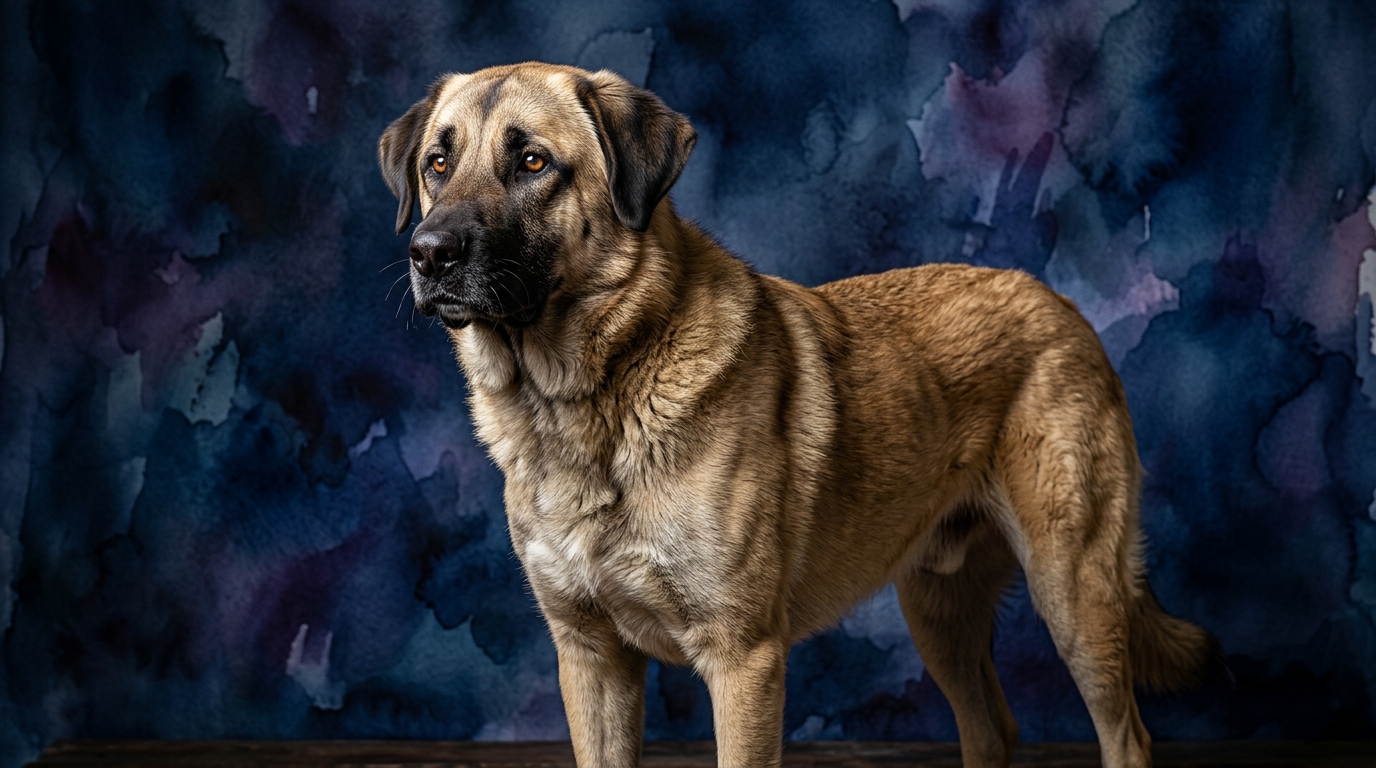
**Anatolian Shepherd Dog:** The Anatolian Shepherd excels in independent, contextual problem-solving (3/5), particularly when it pertains to protecting its flock or family; their cognitive strength lies in assessing threats, strategizing deterrents, and making autonomous decisions without direct human command. Training an Anatolian requires patience and understanding of their independent spirit, with a training speed of 3/5, as their motivation often stems from seeing the practical value in a task rather than an inherent desire to please. Their social intelligence (3/5) is finely tuned to their environment, distinguishing between familiar family members, livestock, and potential threats, exhibiting a nuanced understanding of social hierarchies. The Anatolian’s instinctive drive (3/5) is overwhelmingly geared towards protection and guardianship, manifesting as vigilant watchfulness and a strong territorial imperative. With a memory score of 3/5, they effectively recall routines, recognize individuals, and remember specific locations or events tied to their protective duties, contributing to consistent guardianship.
**Russian Toy:** The Russian Toy's problem-solving (3/5) is typically applied to navigating a human-centric world, such as figuring out how to retrieve a dropped toy from under furniture or manipulating their owners for attention, shining in adapting to various household environments. Russian Toys often demonstrate a quick ability to grasp new commands and tricks with a training speed of 3/5, eager to engage with their owners, though their attention spans can be brief. Their social intelligence (3/5) is highly focused on human interaction, allowing them to read subtle cues from their owners and adapt their behavior accordingly, thriving on companionship. The instinctive drive of a Russian Toy (3/5) is primarily centered around companionship, alert barking, and a desire for comfort and closeness, possessing a strong impulse to be near their human family. Russian Toys exhibit a solid memory (3/5) for routines, favorite people, and the location of their cherished toys or resting spots, quickly learning household schedules and anticipating interactions.
Where Anatolian Shepherd Dog wins cognitively
The Anatolian Shepherd Dog's cognitive strengths distinctly lie in its capacity for independent judgment and strategic environmental assessment, a direct reflection of its ancestral role. While both breeds score 3/5 in problem-solving, the Anatolian applies this to complex, real-world scenarios involving livestock protection, where delayed human input is often the norm. This involves discerning genuine threats from benign occurrences, making critical decisions about engagement or deterrence, and maintaining a watchful presence without constant instruction, a level of autonomous thought that is paramount for a working guardian.
Furthermore, its specialized social intelligence, also rated 3/5, allows it to understand and navigate the intricate social dynamics of its "flock," whether that includes sheep, goats, or human family members. This isn't about charming strangers but about a deep, intuitive grasp of who belongs, who poses a risk, and how to subtly assert its protective presence. The Anatolian's memory excels in retaining information critical for long-term territorial security, such as patterns of predator activity or safe routes, demonstrating a cognitive architecture built for vigilance and self-reliance in expansive environments.
Where Russian Toy wins cognitively
The Russian Toy, despite its size, demonstrates a refined cognitive ability tailored to its role as a companion, particularly in its social adaptability and responsiveness. Its 3/5 social intelligence score manifests as an exceptional aptitude for reading human emotions and intentions, allowing it to integrate seamlessly into diverse family structures and social settings. They are adept at learning the unspoken rules of a household, understanding subtle cues, and adjusting their behavior to maintain harmony and secure affection, a crucial skill for thriving in close human proximity.
Their problem-solving, also 3/5, shines in navigating the domestic environment and engaging in interactive play, often finding ingenious ways to communicate desires or retrieve beloved items. This isn't about guarding livestock, but about mastering the complexities of a human home with agility and charm. The Russian Toy's training speed, rated 3/5, benefits from its eager-to-please nature and strong bond with its owner, making it highly receptive to learning tricks and commands that foster engagement and interaction. Their memory further supports this, quickly recalling routines and associations that lead to positive social outcomes, making them remarkably adaptable and endearing companions.
Which is easier to train and why
When considering ease of training, the Russian Toy generally presents a more straightforward experience for the average owner, primarily due to its companion-oriented temperament and smaller stature. Their eagerness to please, coupled with their desire for social interaction and positive reinforcement, often translates into a quicker grasp of basic commands and house-training protocols. They are typically motivated by praise, treats, and the joy of engaging with their owner, making training sessions feel more like play and less like a battle of wills. Their relative lack of independent working drive means they are often more compliant and less likely to question the utility of a command, focusing instead on the reward of owner approval.
The Anatolian Shepherd Dog, while equally capable of learning with its 3/5 training speed, demands a different approach. Their cognitive framework is built for independent thought and guardianship, meaning they often weigh commands against their own assessment of a situation. Training requires immense consistency, firm but fair leadership, and a deep understanding of their breed-specific motivations. They are not inherently driven to "please" in the same way a companion dog might be; instead, they learn best when tasks are presented as logical, beneficial, or necessary for the security of their "flock." This independence can make them appear stubborn or slow to an inexperienced trainer, when in reality, they are simply processing information through their unique guardian lens, requiring owners to earn their respect and cooperation rather than expect immediate subservience.
Which suits active owners vs relaxed owners
The choice between an Anatolian Shepherd Dog and a Russian Toy significantly hinges on an owner's lifestyle and their capacity to meet a breed's specific needs, which are intrinsically linked to their cognitive profiles. The Anatolian Shepherd, with its deep-seated instinctive drive for guardianship and need for purposeful activity, is best suited for active, experienced owners who appreciate and can manage an independent, thoughtful working breed. These dogs thrive with owners who can provide ample space, consistent training that respects their protective instincts, and opportunities for mental stimulation related to their natural role. They are not dogs for casual strolls in a busy park but require structured exercise and a clear understanding of their territorial responsibilities, making them ideal for rural settings or properties needing diligent oversight.
Conversely, the Russian Toy is an excellent match for more relaxed owners seeking an affectionate, adaptable, and highly interactive companion. Their cognitive strengths in social intelligence and problem-solving within a domestic context mean they thrive in environments where they can be central to family life, engaging in indoor games, short walks, and plenty of lap time. While they enjoy activity, their exercise needs are modest, and their primary satisfaction comes from close human companionship. Their strong memory for routines and eagerness to please make them relatively low-maintenance in terms of demanding physical exertion, fitting perfectly into the lives of individuals or families who prioritize comfort, closeness, and a responsive little friend.
The Verdict
Choose an Anatolian Shepherd Dog if you are an experienced owner seeking a deeply thoughtful, independent guardian for a large property or livestock, valuing their strategic problem-solving and protective instincts above all else.
Opt for a Russian Toy if you desire a highly adaptable, socially intelligent, and affectionate companion who thrives on close interaction and easily integrates into a relaxed, companion-focused household.
🧠 Find Your Pet's IQ Score
Our Pet IQ Lab assessment covers 25+ tests across 5 cognitive dimensions — personalized to your breed.
Take the Full IQ Test →Frequently Asked Questions
Do Anatolian Shepherds and Russian Toys have similar intelligence levels?
While both breeds score 3/5 across the five cognitive dimensions in The Cosmic Pet Pet IQ Lab, their intelligence manifests in vastly different, purpose-driven ways. The Anatolian applies its problem-solving to independent guardianship, while the Russian Toy excels at navigating social dynamics and domestic routines.
Which breed is better for apartment living based on their cognitive traits?
The Russian Toy is significantly better suited for apartment living, as its social intelligence and problem-solving are geared towards a domestic environment and close human companionship. The Anatolian Shepherd's independent guarding instincts and need for expansive territory make it unsuitable for typical apartment life.
How does "instinctive drive 3/5" differ between these two breeds?
For the Anatolian Shepherd, an instinctive drive of 3/5 translates to a powerful, innate urge for territorial protection and guardianship of livestock or family. For the Russian Toy, the same 3/5 score signifies a strong drive for companionship, social interaction, and alerting to new stimuli within its domestic sphere.