Side-by-Side IQ Profile: Unpacking the Cognitive Dimensions
The Cosmic Pet Pet IQ Lab assessment rates both the Anatolian Shepherd Dog and the Saluki identically across five crucial cognitive dimensions: Problem Solving (3/5), Training Speed (3/5), Social Intelligence (3/5), Instinctive Drive (3/5), and Memory (3/5). These scores represent an average capacity, suggesting neither breed exhibits extreme difficulty nor exceptional ease in these areas when compared to the broader canine spectrum. However, the application of these capacities differs significantly due to their breed-specific temperaments and historical functions.
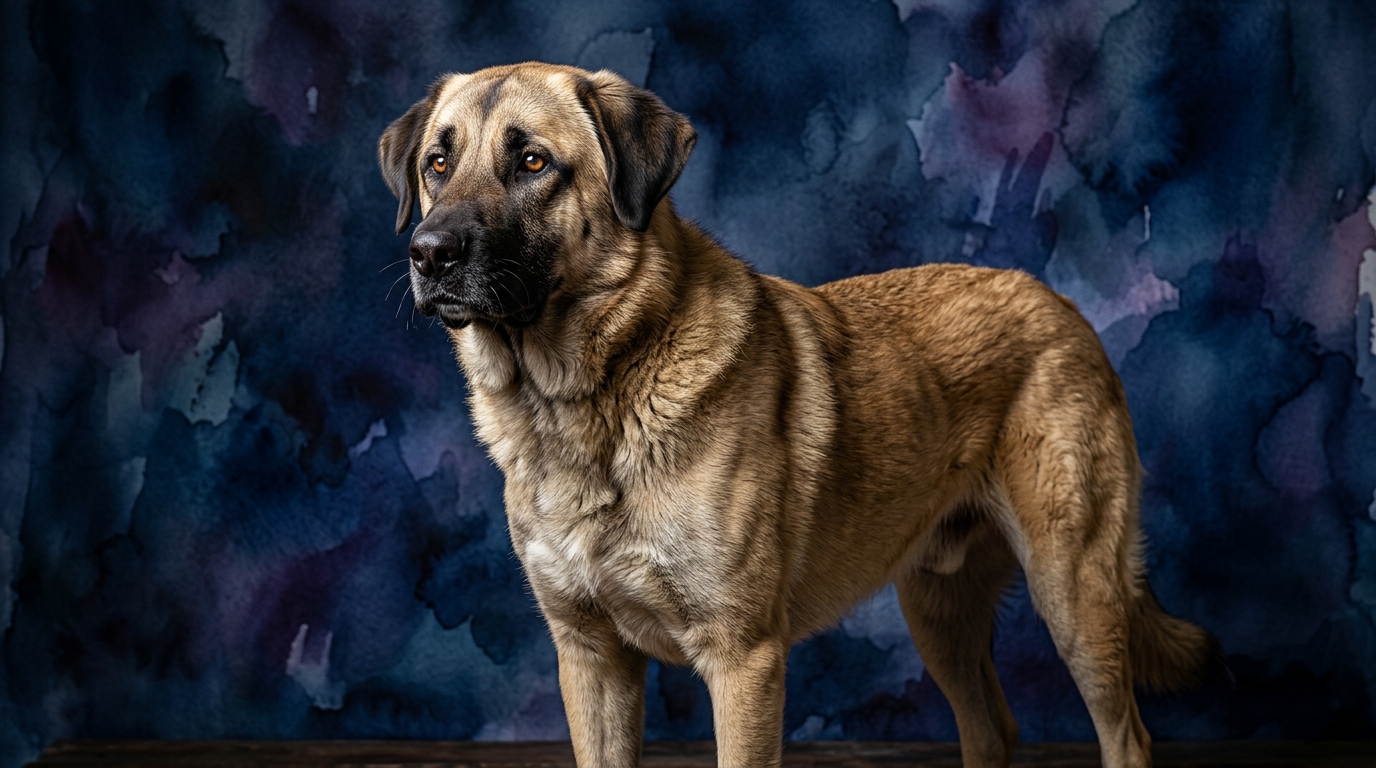
For the Anatolian Shepherd Dog, a 3/5 in Problem Solving often manifests as independent decision-making when protecting livestock, assessing threats without direct human command. Their 3/5 Training Speed indicates they are capable of learning but might require patient, consistent methods given their inherent self-reliance. Social Intelligence at 3/5 suggests a reserved nature, discerning friend from foe within their guarded territory. An Instinctive Drive of 3/5 is deeply rooted in their protective, territorial behaviors, while their 3/5 Memory supports recalling routines and past encounters within their domain.
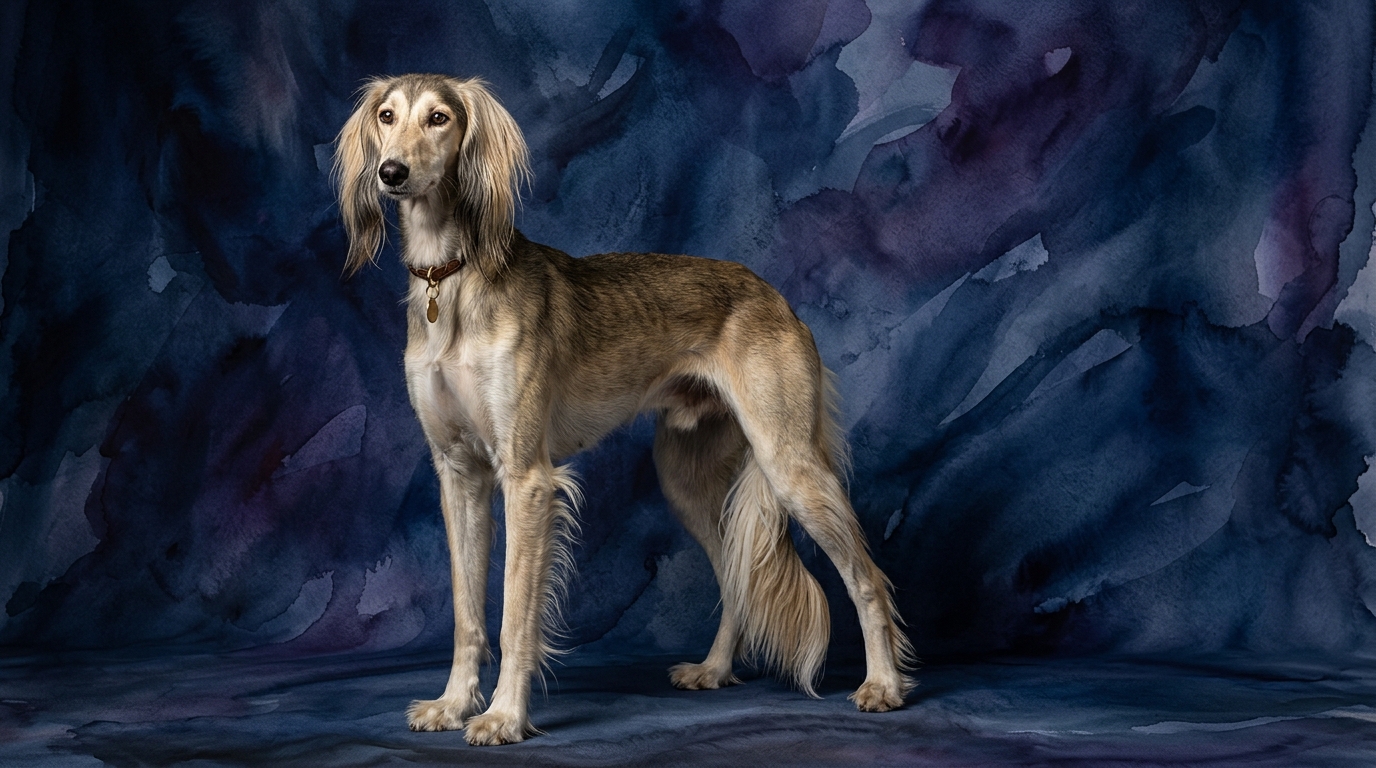
The Saluki's 3/5 in Problem Solving typically involves strategic pursuit during a chase, adapting to prey movements and terrain, rather than abstract puzzles. Their 3/5 Training Speed means they can grasp concepts swiftly but might be less inclined towards repetitive drills, often prioritizing their independent hunting instincts. Social Intelligence at 3/5 points to an affectionate bond with their immediate family, yet a dignified aloofness towards strangers. Their 3/5 Instinctive Drive is overwhelmingly centered on sight-hunting, requiring an outlet for this primal urge, and a 3/5 Memory assists them in recalling hunting routes and the location of game.
Where the Anatolian Shepherd Dog Wins Cognitively
The Anatolian Shepherd Dog's cognitive strengths truly shine in scenarios requiring independent judgment and steadfast guardianship. Their problem-solving abilities, rated 3/5, are finely tuned for assessing and mitigating threats to their charges, making complex decisions in real-time without constant human input. This isn't about solving puzzle toys, but rather about evaluating environmental cues and potential dangers, then acting decisively to protect. Their instinctive drive, also 3/5, is a powerful engine for this protective role, fueling their vigilance and territorial awareness.
The memory dimension, rated 3/5 for the Anatolian, is specifically adapted for recalling patterns of their flock, recognizing familiar faces (both human and animal), and remembering past threats or safe zones within their expansive territories. This cognitive mapping and recognition capability is crucial for effective, long-term guardianship. Furthermore, their social intelligence, while expressed as reservedness, is a strength in discerning intentions, allowing them to differentiate between a harmless passerby and a genuine intruder, a nuanced social assessment vital for their role.
Where the Saluki Wins Cognitively
The Saluki's cognitive advantages are inextricably linked to their heritage as swift, sight-hunting companions. Their problem-solving skills, rated 3/5, excel in dynamic, pursuit-based scenarios, where they must rapidly analyze prey movements, anticipate escape routes, and navigate complex terrain at high speeds. This is a form of practical, in-motion problem-solving that demands quick reflexes and spatial awareness. Their instinctive drive, also 3/5, is a finely honed mechanism for the chase, translating into an unparalleled focus and determination when a moving object catches their eye.
The Saluki's 3/5 memory is particularly adept at recalling visual cues and routes traversed during a hunt, enabling them to efficiently cover ground and return to their handlers. Their training speed, also 3/5, implies a capacity for quick learning, especially when tasks are engaging and align with their natural drives, such as lure coursing or recall training that emphasizes speed and reward. While often perceived as independent, their social intelligence (3/5) allows for a deep, often intuitive, bond with their chosen people, facilitating silent communication during a hunt and a gentle, affectionate demeanor within the home.
Which is Easier to Train and Why
Assessing which breed is "easier" to train requires a nuanced understanding of their motivations and behavioral tendencies, despite both having a 3/5 Training Speed score. The Anatolian Shepherd Dog, though capable of learning, approaches training with an independent spirit. Their primary motivation is often their guarding instinct; commands that align with this purpose may be readily adopted, but repetitive obedience drills or tasks perceived as unnecessary might be met with thoughtful deliberation rather than immediate compliance. Their ingrained self-sufficiency means they are bred to make their own decisions, which can be interpreted as stubbornness in a traditional obedience setting.
The Saluki, with its 3/5 Training Speed, can learn quickly, especially when training is kept stimulating and short. However, their strong prey drive and independent nature, characteristic of sighthounds, means they can be easily distracted by movement or scents, making consistent focus a challenge. They tend to respond best to positive reinforcement, variety, and training that taps into their natural athleticism and speed. While they are not inherently disobedient, their priority will often be their own pursuits if something more interesting presents itself, making rock-solid recall and impulse control particularly important and sometimes demanding to instill.
Which Suits Active Owners vs. Relaxed Owners
For active owners seeking a canine companion, both breeds offer unique considerations. An Anatolian Shepherd Dog, despite its placid appearance, requires ample space and a sense of purpose. While not necessarily demanding intense, high-impact exercise, they need consistent, moderate activity to maintain physical health and mental well-being, often preferring to patrol a large yard or property. Their activity is more about vigilant observation and patrolling than sustained running. They suit owners who are active in managing a property or who can provide a consistent, structured routine that engages their guarding instincts.
The Saluki is undeniably suited for highly active owners who can provide outlets for their incredible speed and stamina. These dogs thrive on opportunities to run freely and safely, making activities like lure coursing, long off-leash runs in secure areas, or competitive canine sports ideal. A relaxed owner might struggle to meet the Saluki's inherent need for bursts of intense physical activity, which is crucial for their mental and physical health. Without appropriate outlets, their pent-up energy can manifest in undesirable behaviors, indicating they are not a match for a truly sedentary lifestyle.
The Verdict: When to Choose Each
Choosing between an Anatolian Shepherd Dog and a Saluki depends entirely on an owner's lifestyle, environment, and specific expectations of a canine companion, as their identical IQ scores mask vastly different operational intelligences. The Anatolian Shepherd Dog is an excellent choice for owners with large properties or livestock, who appreciate an independent, watchful guardian and are prepared to manage a breed with strong protective instincts. They suit individuals who are calm, consistent leaders and can provide a clear role for their dog, valuing a companion whose intelligence is geared towards steadfast vigilance and autonomous decision-making in a guarding context.
Conversely, the Saluki is the ideal companion for extremely active owners who can provide regular, intense bursts of exercise in safe environments, fostering their natural athleticism and prey drive. They thrive with individuals who appreciate a graceful, affectionate, yet independent hound, and who are willing to engage in activities like lure coursing or long, secure runs. Salukis best suit those who understand and respect their sighthound nature, valuing a companion whose intelligence is focused on speed, agility, and the thrill of the chase, balanced with a gentle home presence.
The Verdict
Choose an Anatolian Shepherd Dog if you need a steadfast, independent guardian for a large property or livestock, valuing a dog whose intelligence excels in autonomous protection and vigilance.
Choose a Saluki if you are a highly active owner who can provide ample opportunities for high-speed running and appreciate a graceful, affectionate sighthound whose intelligence thrives in dynamic pursuit.
🧠 Find Your Pet's IQ Score
Our Pet IQ Lab assessment covers 25+ tests across 5 cognitive dimensions — personalized to your breed.
Take the Full IQ Test →Frequently Asked Questions
Do Anatolian Shepherd Dogs bark a lot?
Anatolian Shepherd Dogs can be vocal, especially when performing their guarding duties, using barks to alert to potential threats or changes in their environment. Their barking is often purposeful, reflecting their vigilance, but can be managed with consistent training and appropriate outlets for their protective instincts.
Are Salukis good with children and other pets?
Salukis can be gentle and affectionate with children they are raised with, but their high prey drive means they may not be suitable for homes with very small, fast-moving pets like cats or rabbits unless introduced carefully and supervised from a young age. Their interaction with children should always be supervised due to their delicate build and dignified nature.
How do their independent natures affect their trainability?
Both breeds possess an independent streak, which means their training speed of 3/5 often translates to a need for engaging, positive reinforcement-based methods and a deep understanding of their breed-specific motivations. Anatolians might prioritize their guarding role over commands, while Salukis might prioritize a chase, requiring patience and creativity from their trainers to maintain focus.