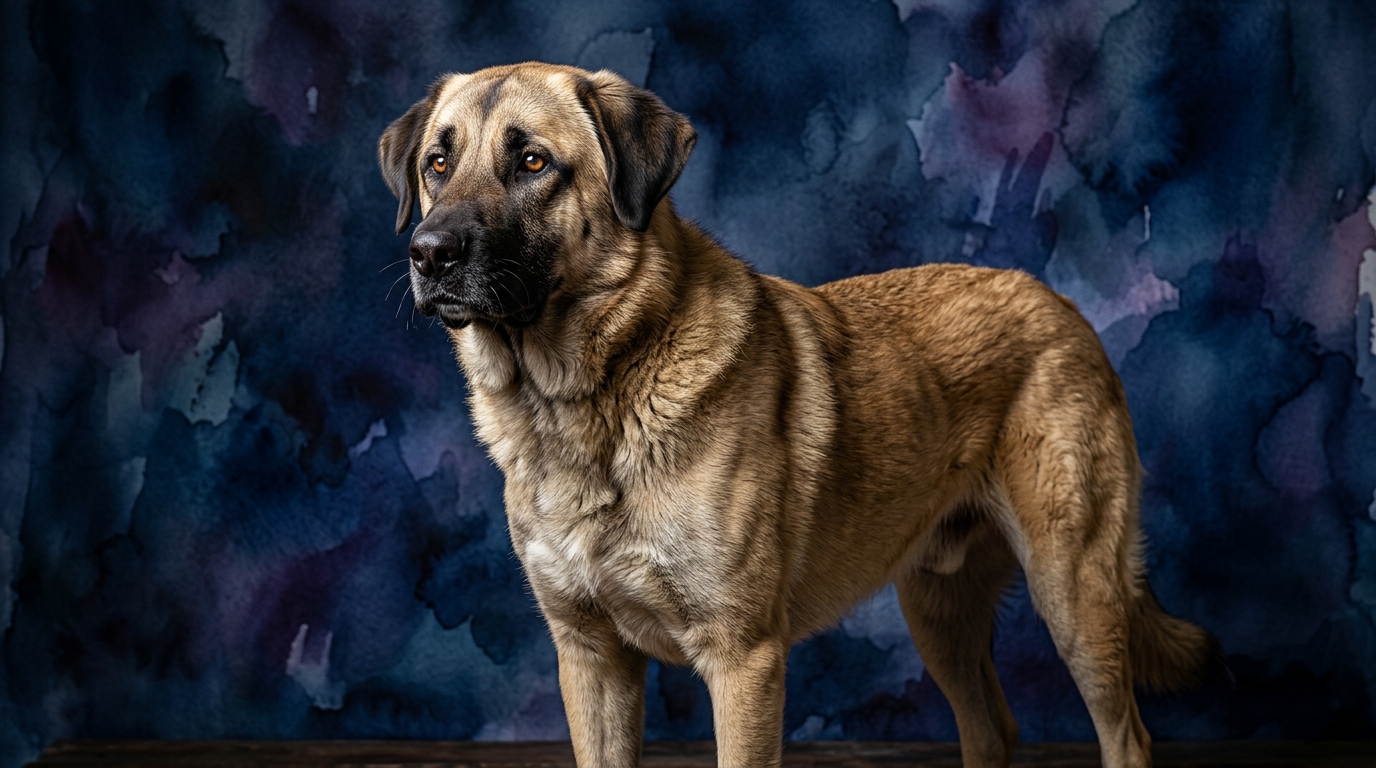
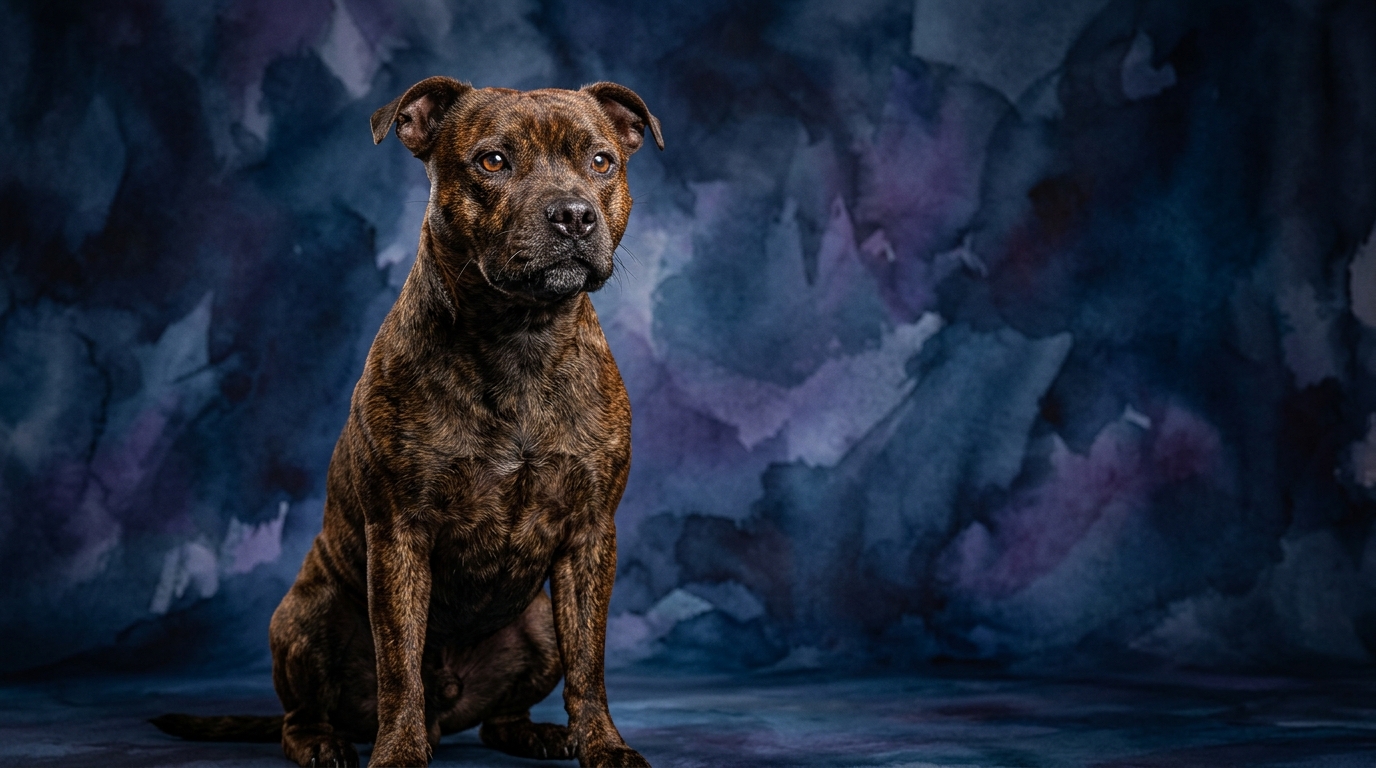
A Side-by-Side Look at Their Cognitive Dimensions
Both breeds register a 3/5 in Problem Solving, yet their approaches diverge significantly. The Anatolian Shepherd Dog’s problem-solving centers on autonomous decision-making in a guardian role; this involves assessing environmental cues, identifying potential threats to livestock or property, and determining the most effective deterrent or response without direct human command. Their solutions are often practical, situation-specific, and geared towards protection. In contrast, the Staffordshire Bull Terrier's 3/5 in problem-solving is often expressed through tenacity and resourcefulness in pursuit of a goal, whether it's figuring out how to retrieve a hidden toy, navigating obstacles in a game, or persistently trying to get attention. Their solutions are frequently driven by their strong prey drive or desire for interaction.
Both breeds also achieve a 3/5 for Training Speed, indicating a moderate pace of learning. For the Anatolian, this means they are capable of learning commands and routines, but their independent nature, a cornerstone of their guardian heritage, often means they process information and decide if a command is "worth" obeying. They learn best with consistency, respect, and clear purpose, rather than rote repetition. The Staffordshire Bull Terrier's 3/5 in training speed reflects their eagerness to engage and their ability to pick up new behaviors quickly when motivated by positive reinforcement and fun. However, their strong-willed terrier nature can sometimes lead to selective hearing if the reward isn't compelling enough, or if they've decided a different activity is more interesting.
A 3/5 in Social Intelligence for both breeds highlights their capacity to understand social cues, but again, the context varies. The Anatolian’s social acumen is often directed towards their immediate flock or family, discerning familiar individuals from strangers, and interpreting subtle shifts in the environment that might signal danger. They are typically reserved with outsiders but deeply attuned to the needs and safety of their inner circle. The Staffordshire Bull Terrier, on the other hand, exhibits its 3/5 social intelligence through a remarkable ability to bond with human family members, reading their emotions, and often seeking to participate actively in household life. Their social understanding is geared towards interactive companionship and navigating complex family dynamics with enthusiasm and affection.
With a 3/5 in Instinctive Drive, both breeds possess inherent motivations, but the type and manifestation differ. For the Anatolian Shepherd Dog, this score strongly reflects their powerful guarding instincts: a deep-seated drive to protect their territory, livestock, and family from perceived threats. This manifests as vigilance, patrolling, and a deterrent presence. The Staffordshire Bull Terrier's 3/5 instinctive drive is rooted in its terrier heritage, displaying a keen prey drive, a desire to chase and dig, and a tenacious spirit. Their drive is less about passive guarding and more about active engagement, pursuit, and a robust zest for life.
Both breeds score 3/5 in Memory, indicating a solid capacity for recall. The Anatolian’s memory serves its guardian role effectively, allowing them to remember territories, routines, the identity of individuals (both welcome and unwelcome), and past experiences that inform their protective strategies. This long-term recall is vital for their independent work. The Staffordshire Bull Terrier's memory is robust for remembering commands, tricks, the locations of favorite toys, and, crucially, the people and interactions that bring them joy. Their positive associations and consistent training contribute to their ability to retain information over time, fostering strong bonds and reliable responses within their family unit.
Where the Anatolian Shepherd Dog Excels Cognitively
The Anatolian Shepherd Dog's cognitive strengths lie in their independent judgment and environmental awareness, critical attributes for a livestock guardian. Their 3/5 in problem-solving isn't about solving puzzles for treats, but about assessing complex, dynamic situations on their own—deciding when to bark, when to stand firm, or when to simply observe a potential threat. This self-reliance means they can operate effectively without constant human directives, a trait shaped by centuries of working solo in vast landscapes.
Furthermore, their social intelligence, while not overtly effusive, is profoundly tuned to their immediate charges. They possess an innate ability to understand the subtle behaviors of their flock or human family, discerning normal activity from distress or intrusion. This nuanced social understanding, combined with their strong instinctive drive for protection, allows them to act as vigilant, proactive guardians, making decisions that prioritize safety based on their own assessment of the environment and its inhabitants.
Where the Staffordshire Bull Terrier Shines Cognitively
The Staffordshire Bull Terrier's cognitive prowess is evident in their remarkable adaptability and their capacity for deep, interactive companionship. Their 3/5 in social intelligence manifests as a keen ability to read human emotions and intentions, making them exceptionally responsive to their family's moods and desires. This sensitivity allows them to integrate seamlessly into household life, often seeking to be a central, engaged participant.
Their training speed and memory, both at 3/5, are leveraged by their inherent desire for interaction and play. Staffies often excel in activities that involve their human companions, from learning complex trick sequences to participating in dog sports. Their problem-solving is frequently directed towards engaging with their environment and people in a playful, intelligent manner, figuring out how to initiate games or earn affection, showcasing a resourceful and spirited mind that thrives on engagement.
Training Dynamics: Anatolian Shepherd Dog vs. Staffordshire Bull Terrier
When considering ease of training, the identical 3/5 score for Training Speed can be misleading without understanding behavioral context. The Anatolian Shepherd Dog, with its independent working heritage, often requires a different training approach. They learn, but their instinct is to think for themselves rather than blindly obey. A handler needs to establish a relationship built on mutual respect and clear communication, demonstrating the *purpose* behind commands. This means patience, consistency, and understanding that an Anatolian might prioritize its own judgment in a situation it perceives as requiring guardian action over a "sit" command. Their training is less about quick tricks and more about establishing reliable boundaries and roles.
The Staffordshire Bull Terrier, while also possessing a 3/5 training speed, generally presents a more straightforward training experience for many owners. Their strong desire to please their human companions, coupled with their zest for interactive activities, makes them highly receptive to positive reinforcement methods. They often view training as a fun game and are eager to participate, making their learning process appear quicker and more engaging. However, their terrier tenacity and enthusiasm mean that consistency is still paramount to channel their drives effectively and prevent them from developing their own, less desirable, "solutions" to problems like boredom or excess energy.
Matching Breeds to Lifestyles: Active vs. Relaxed Owners
For active owners, both breeds offer engaging companionship, but their activity needs differ. An active owner seeking a partner for structured sports, long hikes, or interactive play will likely find the Staffordshire Bull Terrier a more suitable match. Their robust energy, desire for engagement, and willingness to participate in human-led activities make them excellent companions for those who enjoy a dynamic, hands-on lifestyle. Their social intelligence thrives on shared experiences and close interaction.
The Anatolian Shepherd Dog, while needing regular exercise and mental stimulation, is not typically suited for the high-octane activities a Staffy might enjoy. Their ideal "activity" often involves patrolling a large, secure property, observing their surroundings, and fulfilling their natural guardian duties. A "relaxed" owner who has ample space and appreciates a vigilant, independent presence, rather than a constantly interactive companion, might find the Anatolian a better fit. However, even a relaxed owner must provide significant mental stimulation and appropriate outlets for their protective instincts to ensure a well-adjusted dog. They are not dogs that thrive being cooped up or ignored; their "relaxed" nature is more about their steady, watchful demeanor than a lack of need for purpose.
The Verdict
Choose the Anatolian Shepherd Dog if you possess a large, secure property needing a vigilant, independent guardian and have experience with self-reliant, protective breeds.
Opt for the Staffordshire Bull Terrier if you seek an affectionate, interactive companion for an engaged family, valuing a spirited dog that thrives on shared activities and close human connection.
🧠 Find Your Pet's IQ Score
Our Pet IQ Lab assessment covers 25+ tests across 5 cognitive dimensions — personalized to your breed.
Take the Full IQ Test →Frequently Asked Questions
Do identical IQ scores mean these breeds are equally easy to own?
No, identical IQ scores of 3/5 across dimensions indicate similar cognitive *capacity* but not identical *manifestation*. Their distinct breed histories mean their intelligence is applied differently, leading to varied ownership experiences regarding training, exercise, and social needs.
How does a 3/5 problem-solving score differ between these two breeds?
For the Anatolian Shepherd Dog, 3/5 problem-solving involves independent assessment of threats and territorial defense. For the Staffordshire Bull Terrier, it manifests as resourceful tenacity in play, retrieving, or engaging with their environment and people.
Are Anatolian Shepherd Dogs less social than Staffordshire Bull Terriers due to their guardian role?
Their social intelligence (3/5) manifests differently. Anatolians are deeply social within their trusted "flock" but reserved with strangers, while Staffies are typically outgoing and highly interactive with their human family and familiar individuals, seeking constant engagement.