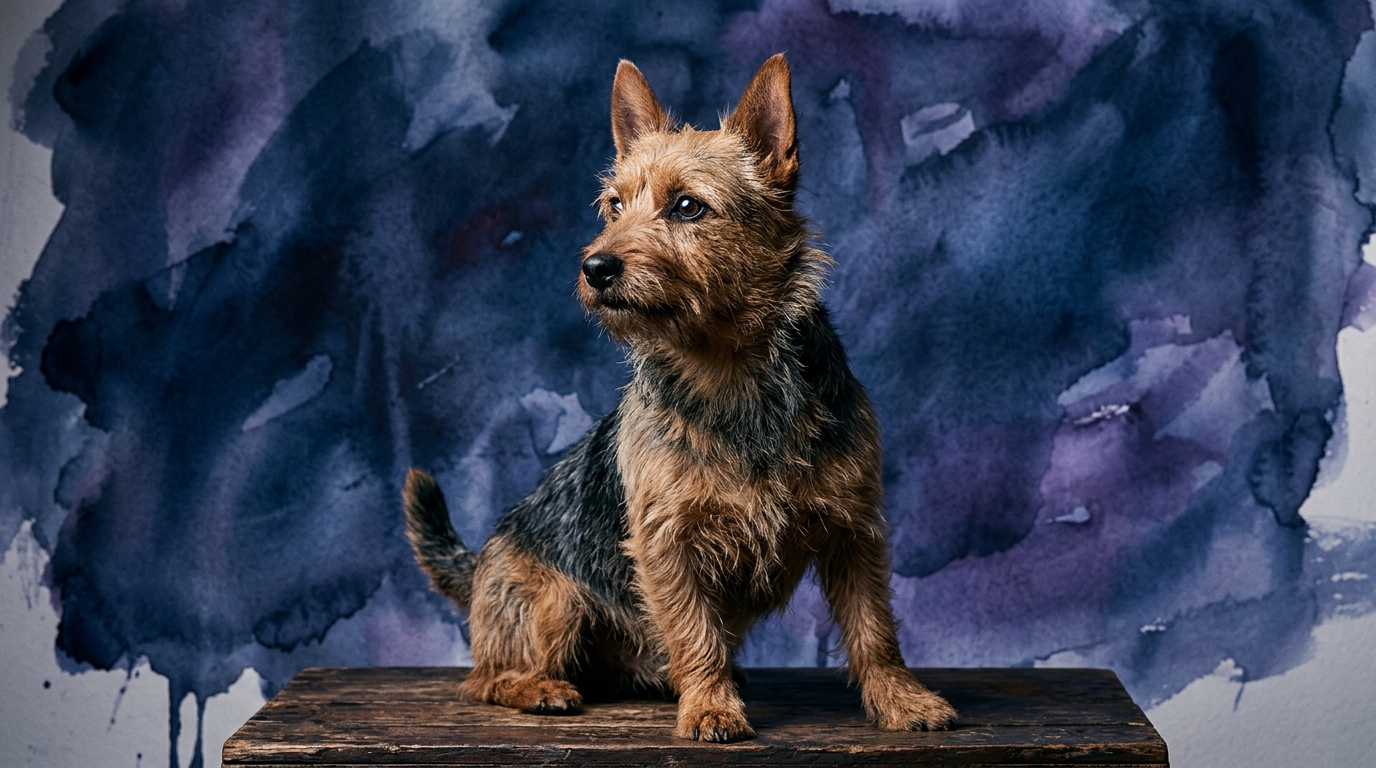

Side-by-Side IQ Profile: Unpacking Identical Scores
At first glance, the Pet IQ Lab scores for both the Australian Terrier and the Brussels Griffon reveal a consistent 3/5 across problem-solving, training speed, social intelligence, instinctive drive, and memory. This uniform rating indicates a moderate, well-rounded cognitive capacity, suggesting neither breed presents extreme challenges nor exceptional aptitudes in any single area. However, the interpretation of a '3/5' score is deeply colored by the breed's heritage, influencing how these inherent cognitive abilities manifest in daily life.
For the Australian Terrier, a 3/5 in problem-solving often translates to a practical, independent approach to overcoming physical obstacles, such as navigating a complex backyard or figuring out how to access a hidden toy. Their training speed at 3/5 means they are capable learners, but their terrier tenacity often requires consistent motivation and engaging methods to prevent boredom or stubbornness. Social intelligence at 3/5 for an Aussie implies an awareness of their pack dynamics and human moods, though they might prioritize their own agenda over constant appeasement. Their 3/5 instinctive drive is a clear echo of their vermin-hunting past, manifesting as a keen interest in chasing small critters or digging. Memory at 3/5 ensures they retain learned commands, routines, and locations effectively.
Conversely, the Brussels Griffon's 3/5 in problem-solving frequently involves more nuanced, social strategies, like charming their way into an owner’s lap or subtly communicating their desires for attention or comfort. Their 3/5 training speed means they pick up cues readily, especially when positive reinforcement is applied gently, though their sensitive nature can make them easily discouraged by harsh methods. A Brussels Griffon's 3/5 social intelligence is often expressed through a deep attunement to human emotions and household dynamics, making them perceptive companions who excel at reading their people. Their 3/5 instinctive drive, while not related to hunting, often presents as a strong desire for companionship, alert barking, or a discerning watchfulness over their environment. Memory at 3/5 helps them recall beloved people, preferred nap spots, and established daily routines with precision.
Where the Australian Terrier Excels Cognitively
Despite identical numerical scores, the Australian Terrier demonstrates distinct cognitive strengths rooted in its working terrier lineage. Their problem-solving abilities, rated 3/5, often manifest in a more self-reliant and physically oriented manner. An Aussie is more likely to independently strategize how to unearth a perceived buried treasure or navigate a challenging outdoor environment without constant human direction. This practical ingenuity is a hallmark of their cognitive style.
Furthermore, their instinctive drive, also a 3/5, is channeled into tenacious pursuit and exploration. This cognitive trait allows them to focus intensely on a task, whether it's investigating a scent trail or mastering an agility course. While this can sometimes be perceived as stubbornness in training, it's a testament to their unwavering focus and determination once a goal is identified, a valuable asset in many dog sports and activities that require persistence.
Where the Brussels Griffon Excels Cognitively
The Brussels Griffon, with its toy breed background, brings a different set of cognitive strengths to the forefront, even with the same 3/5 scores. Their social intelligence, rated 3/5, is particularly refined, allowing them to read human cues and emotions with remarkable sensitivity. This manifests as an exceptional ability to adapt their behavior to suit the mood of the household, offering comfort when needed or playful antics to lighten the atmosphere. They often seem to anticipate their owner's needs, a subtle form of social problem-solving.
Their problem-solving at 3/5 is often geared towards social manipulation rather than physical tasks. A Brussels Griffon might cleverly use eye contact, vocalizations, or body language to communicate desires for attention, treats, or a preferred spot on the sofa. This sophisticated interpersonal strategy highlights a different facet of intelligence, one focused on navigating complex social landscapes effectively and leveraging their charm to achieve desired outcomes.
Training Dynamics: Independence vs. Sensitivity
When it comes to training, both breeds score a 3/5 for training speed, indicating a moderate capacity for learning, but their temperamental differences dictate vastly different approaches. Australian Terriers, while capable of learning quickly, often possess an independent streak that requires a trainer to be consistent, patient, and engaging. Their terrier nature means they might question commands or try to assert their own will, so training sessions need to be varied, stimulating, and always end on a positive note to maintain their interest. They respond well to task-oriented training that appeals to their desire for activity and exploration, making them suitable for activities like earthdog trials or agility.
The Brussels Griffon, on the other hand, is a sensitive soul. While they also learn at a 3/5 pace, they are highly attuned to their owner's tone and body language. Harsh corrections or impatient training methods can easily shut them down, making them resistant or fearful. They thrive on positive reinforcement, gentle encouragement, and reward-based systems that build confidence. Their desire for companionship makes them eager to please, but their small size and sometimes finicky nature mean training needs to be fun, consistent, and focused on building a strong bond rather than strict obedience. They often excel in trick training or canine freestyle, where their charm and social intelligence can shine.
Matching Breeds to Lifestyles: Active vs. Relaxed Owners
The cognitive profiles and inherent temperaments of these two breeds naturally align with different owner lifestyles. The Australian Terrier, with its robust build, moderate energy levels, and 3/5 instinctive drive, is well-suited for active owners who enjoy outdoor adventures. They thrive in environments where they have opportunities to explore, dig (perhaps in a designated area), and participate in dog sports or regular, brisk walks. Their independent nature means they can entertain themselves to a degree, but they still require plenty of mental and physical stimulation to prevent boredom and destructive behaviors. Owners who appreciate a spirited, self-reliant companion will find an Aussie a rewarding match.
The Brussels Griffon, while possessing a comparable 3/5 instinctive drive (manifesting as a desire for companionship and alertness), is typically a lower-energy breed more content with indoor living and close human interaction. Their refined social intelligence makes them ideal companions for relaxed owners who spend a significant amount of time at home and desire a devoted, perceptive lap dog. They enjoy short walks, playtime with their owners, and excel in environments where they are central to family life. Their sensitivity means they thrive in calm, predictable households, making them perfect for those who appreciate a quiet, emotionally attuned companion.
The Verdict: When to Choose Each Companion
Both the Australian Terrier and the Brussels Griffon offer unique companionship, despite their identical numerical IQ scores, demonstrating that intelligence is truly multifaceted and context-dependent. The choice between these two breeds ultimately hinges on an owner's lifestyle, expectations, and the kind of cognitive interplay they seek in a canine companion.
If you are an active individual or family seeking a spirited, independent, and tenacious companion for outdoor adventures and engaging activities, the Australian Terrier will likely be an excellent fit. They offer a robust cognitive challenge and reward an owner who appreciates a dog with a strong personality and a practical, problem-solving mindset.
Conversely, if you prefer a devoted, perceptive, and sensitive companion who excels at reading human emotions and thrives in a relaxed, indoor environment, the Brussels Griffon is an ideal choice. They offer a rich emotional connection and a subtle, charming cognitive engagement that enriches quiet, companion-focused households.
The Verdict
Choose an Australian Terrier if you seek a spirited, independent companion for outdoor activities and value a dog with practical problem-solving skills and tenacious drive.
Choose a Brussels Griffon if you desire a devoted, perceptive indoor companion who excels at reading human emotions and thrives on close, sensitive interaction.
🧠 Find Your Pet's IQ Score
Our Pet IQ Lab assessment covers 25+ tests across 5 cognitive dimensions — personalized to your breed.
Take the Full IQ Test →Frequently Asked Questions
Are Australian Terriers good apartment dogs despite their active nature?
Yes, Australian Terriers can adapt well to apartment living provided they receive sufficient daily exercise and mental stimulation. Their moderate size helps, but regular walks, playtime, and engaging training sessions are crucial to manage their instinctive drive and prevent boredom in a smaller space.
Do Brussels Griffons bark excessively, given their alert nature?
Brussels Griffons are known to be alert barkers, using their voice to signal new arrivals or perceived threats. While their 3/5 instinctive drive contributes to this watchfulness, consistent training and socialization from a young age can help manage and reduce excessive barking, teaching them when it's appropriate to be quiet.
How do these breeds typically interact with children?
Australian Terriers, with their robust nature and moderate social intelligence, generally do well with respectful, older children who understand how to interact with a spirited dog. Brussels Griffons, being more sensitive and sometimes fragile, are often better suited for homes with older, gentle children or adults. Their smaller size makes them more vulnerable to accidental rough play.