
Side-by-Side IQ Profile
**German Shepherd:** This breed consistently scores 5/5 across all five cognitive dimensions, reflecting a profound capacity for learning and cooperation. Their **Problem Solving (5/5)** excels at dissecting complex situations and formulating effective responses, enabling them to learn multi-step commands and adapt strategies in dynamic environments, a hallmark of their herding and protection heritage. **Training Speed (5/5)** means they absorb new commands and behaviors with remarkable alacrity, often requiring minimal repetitions to grasp a concept, making them exceptionally responsive to structured learning. Their **Social Intelligence (5/5)** allows them to interpret human cues—from subtle body language to vocal intonations—with profound accuracy, forging deep, nuanced partnerships. A powerful innate **Instinctive Drive (5/5)** defines them, directing their relentless focus and energy towards goal accomplishment in tasks like herding, guarding, or service work. Finally, **Memory (5/5)** ensures an impressive capacity for long-term recall, retaining commands, routines, and past experiences with clarity, underpinning their consistency in performance.
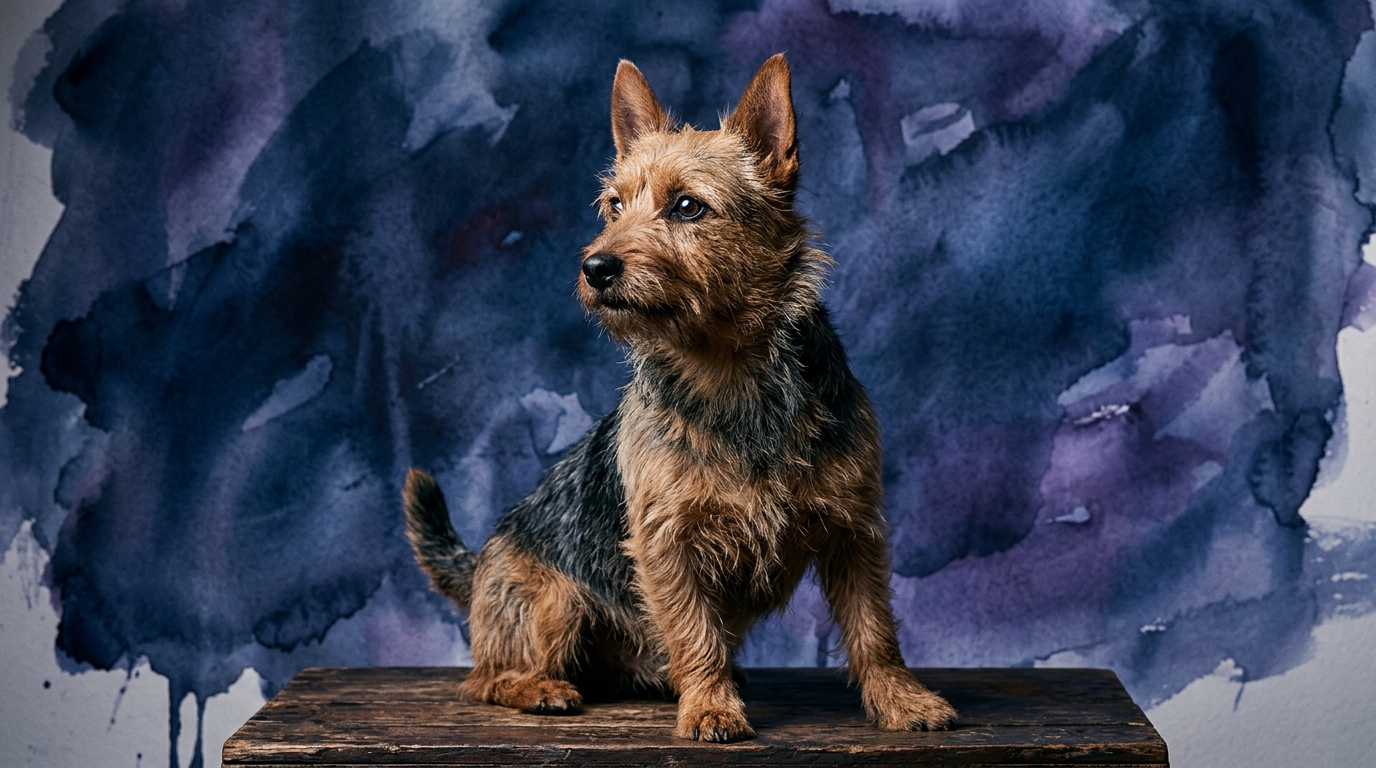
**Australian Terrier:** The Australian Terrier presents a balanced yet distinct cognitive profile, scoring 3/5 across the board. Their **Problem Solving (3/5)** demonstrates a moderate capacity for figuring out puzzles and navigating novel situations, typically at a more deliberate pace than working breeds, often relying on persistence rather than rapid analytical leaps. For **Training Speed (3/5)**, while capable of learning, their pace is steady rather than swift, requiring consistent, patient instruction and more repetitions to solidify new behaviors, often displaying a degree of independent thought. Their **Social Intelligence (3/5)** allows them to connect well with their human families and understand basic social signals, forming affectionate bonds, though their interpretation of complex human emotions or subtle directives is less acute than breeds bred for intense cooperative work. The **Instinctive Drive (3/5)** is rooted in their terrier heritage—a moderate urge to hunt small prey and engage in spirited play—present but less all-consuming than a working breed's, allowing for a more companion-oriented lifestyle. Lastly, **Memory (3/5)** ensures a good, functional recall for commands and routines within their daily lives, remembering experiences and training without the near-perfect detail of a high-stakes working dog.
Where German Shepherd Wins Cognitively
The German Shepherd's cognitive profile provides a clear advantage in roles demanding complex, cooperative work. Their perfect 5/5 in problem-solving allows them to excel in tasks like scent detection, where they must process vast amounts of sensory data and make critical distinctions, or in agility, navigating intricate courses with precision and speed. Their rapid training speed means they can assimilate extensive repertoires of commands, becoming proficient in multiple disciplines quickly, from protection work to service dog tasks. The deep social intelligence they exhibit fosters an unparalleled working partnership, enabling them to respond to subtle handler cues and adapt their behavior in real-time, crucial for synchronized movements and mission success. Furthermore, their powerful instinctive drive ensures sustained focus and motivation through challenging or repetitive tasks, while their robust memory underpins their reliable performance over time, making them exceptionally dependable partners in high-stakes environments.
Where Australian Terrier Wins Cognitively
While not achieving 5/5 scores, the Australian Terrier's cognitive strengths lie in their self-reliance and environmental resilience, traits essential for their original role as independent pest controllers. Their 3/5 problem-solving, though not lightning-fast, is characterized by tenacious persistence, allowing them to independently assess and overcome obstacles in their environment, such as figuring out how to access a hidden treat or navigate a new space. Their moderate instinctive drive means they possess enough curiosity and energy for engaging play and exploration without the intense, often demanding, need for constant “work” that a high-drive breed exhibits. This makes them less prone to anxiety or destructive behaviors stemming from under-stimulation, offering a more adaptable temperament for varied home environments. Their sufficient social intelligence allows them to form strong, affectionate bonds with their family, while their solid memory ensures they retain household rules and routines, contributing to a stable and harmonious home life without requiring the precision of a working partnership.
Which is Easier to Train and Why
The German Shepherd is unequivocally easier to train, primarily due to their perfect 5/5 scores in training speed, problem-solving, and social intelligence. They possess an inherent eagerness to learn and a strong desire to cooperate with their human partners, absorbing new commands with minimal repetitions. Their profound social intelligence means they are highly attuned to human feedback, making them responsive to subtle corrections and positive reinforcement. This breed thrives on structure and clear communication, viewing training as a fulfilling collaborative effort. In contrast, the Australian Terrier, with 3/5 in training speed, requires a more patient and persistent approach. Their terrier independence means they might process commands more slowly or choose to prioritize an interesting scent or sound over immediate compliance. Training an Australian Terrier often involves more creative techniques, shorter sessions to maintain engagement, and a good understanding of their self-sufficient, sometimes stubborn, nature, which can manifest as questioning a command rather than instantly obeying.
Which Suits Active Owners vs Relaxed Owners
For truly active owners seeking a canine partner for demanding pursuits, the German Shepherd is an ideal match. Their 5/5 instinctive drive and problem-solving capacities mean they require substantial mental and physical engagement daily. They thrive on structured activities like advanced obedience, agility, protection sports, or long, challenging hikes. Owners must be prepared to provide consistent training, opportunities for complex problem-solving, and extensive exercise to channel their considerable energy and intellectual needs constructively. A German Shepherd without sufficient stimulation can become bored and potentially develop undesirable behaviors. The Australian Terrier, conversely, can suit moderately active to more relaxed owners. While they certainly enjoy daily walks, play sessions, and exploring the yard, their 3/5 instinctive drive and problem-solving needs are less intense. They are content with a good romp, followed by quality time relaxing indoors with their family. They appreciate companionship and mental enrichment through puzzle toys or casual training, but do not demand the rigorous, purpose-driven schedule essential for a German Shepherd's well-being.
The Verdict
Choose a German Shepherd if you are an active individual or family prepared for a significant commitment to advanced training, mental stimulation, and a working partnership, seeking a highly responsive, dedicated, and versatile dog for roles from protection to service.
Choose an Australian Terrier if you desire a resilient, independent, and charming companion who thrives on moderate activity and companionship, integrating well into family life without demanding the intense, structured engagement of a high-drive working breed.
🧠 Find Your Pet's IQ Score
Our Pet IQ Lab assessment covers 25+ tests across 5 cognitive dimensions — personalized to your breed.
Take the Full IQ Test →Frequently Asked Questions
Can an Australian Terrier perform complex tasks like a German Shepherd?
While Australian Terriers are capable learners, their problem-solving and training speed scores (3/5) suggest they may not excel at the same level of complex, multi-step tasks as a German Shepherd (5/5). They can learn many commands but might require more repetitions and patience, and their natural independence might make sustained, intricate cooperative work less intuitive for them.
Do German Shepherds require constant "work" to be content?
German Shepherds, with their 5/5 instinctive drive and problem-solving, do require significant mental and physical engagement, often in the form of "work" or structured activities. This doesn't always mean a formal job, but consistent training, puzzle-solving, and vigorous exercise are essential to fulfill their cognitive needs and prevent boredom or anxiety.
Is a German Shepherd's memory always superior to an Australian Terrier's?
Based on the IQ profiles, the German Shepherd's memory (5/5) is indeed more robust and detailed than the Australian Terrier's (3/5). This means the German Shepherd is likely to retain a wider array of commands and experiences over longer periods with greater precision, which is crucial for their demanding working roles.