
Side-by-Side IQ Profile
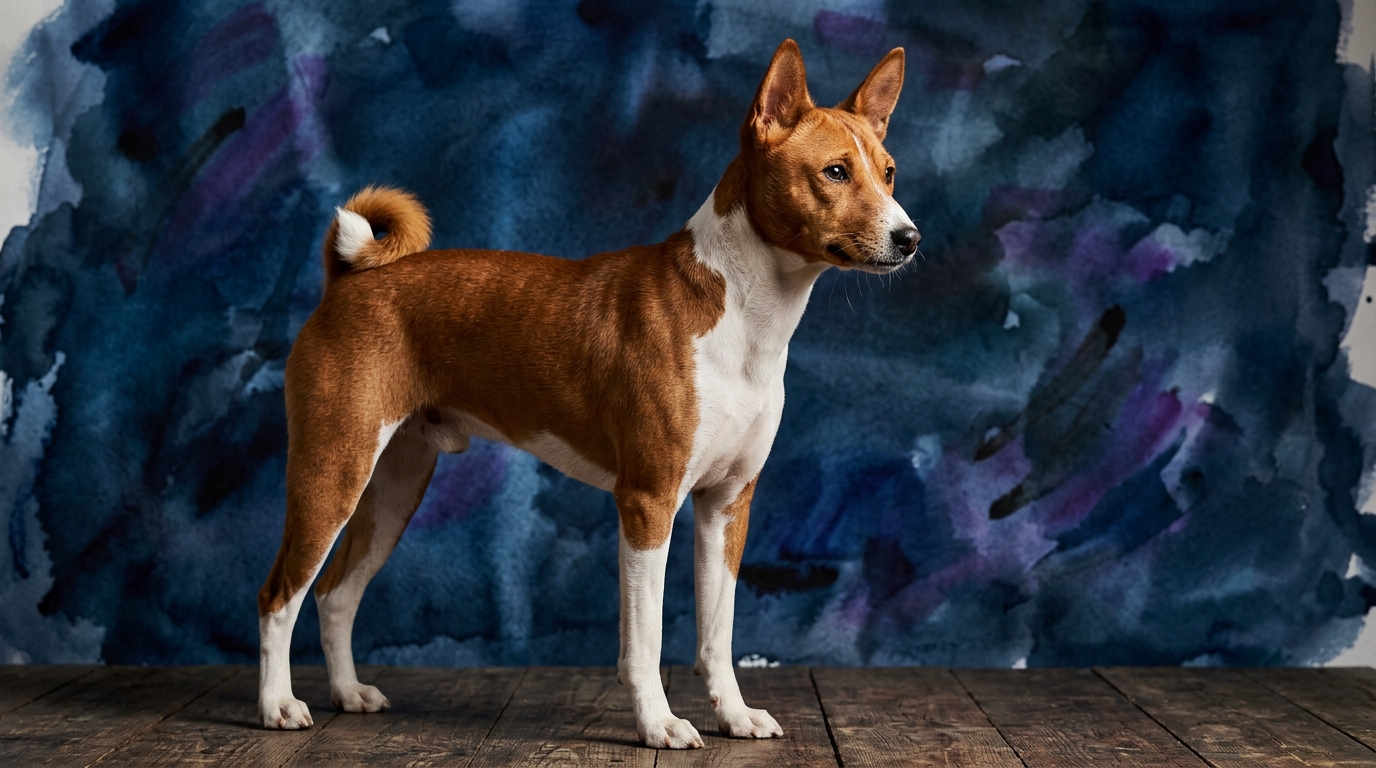
The Cosmic Pet Pet IQ Lab offers a lens through which to examine these differences across five key cognitive dimensions. The Basenji, ranked #78 by Coren, demonstrates exceptional problem-solving abilities at 5/5, indicating a keen capacity for independent thought and overcoming obstacles. However, its training speed scores a challenging 1/5, reflecting a strong-willed and often indifferent attitude towards human directives. Social intelligence for the Basenji sits at 3/5, suggesting a moderate ability to interpret human cues and bond, but perhaps with a preference for selective engagement. Its instinctive drive is remarkably high at 5/5, highlighting a powerful prey drive and an inherent need for mental and physical exertion rooted in its ancestral hunting role. Memory is also strong at 4/5, enabling the Basenji to recall complex sequences and past experiences.
In contrast, the Bluetick Coonhound, while not Coren-ranked, presents a more balanced cognitive profile. Its problem-solving ability is rated 3/5, indicating competence in navigating challenges, though perhaps with less independent innovation than the Basenji. Training speed is a more amenable 3/5, suggesting a moderate willingness to learn and respond to commands. Social intelligence matches the Basenji at 3/5, implying a similar capacity for interaction and understanding social dynamics. The Bluetick's instinctive drive is also 3/5, reflecting a strong, but perhaps more focused, drive for scent work rather than generalized prey pursuit. Finally, its memory is rated 3/5, indicating a solid ability to retain information and learned behaviors.
Where Basenji Wins Cognitively
The Basenji clearly excels in raw problem-solving capacity, scoring an impressive 5/5. This suggests a dog that can independently analyze situations, devise novel solutions, and navigate complex environments without constant human intervention. For instance, a Basenji might figure out how to open a child-proof gate or strategically retrieve a toy from an inaccessible spot using tools or clever manipulation, showcasing a deep cognitive understanding of cause and effect. Their 4/5 memory further amplifies this, allowing them to recall successful strategies and apply them to new, similar challenges. This combination makes them highly adept at outsmarting their environment, often to the amusement or frustration of their owners. Their powerful 5/5 instinctive drive, while challenging for training, also means they possess an unyielding focus and persistence when pursuing their own goals, whether it's tracking a scent or reaching a perceived reward.
Where Bluetick Coonhound Wins Cognitively
The Bluetick Coonhound distinguishes itself with a more balanced and cooperative cognitive approach, particularly in areas beneficial for partnership. While its problem-solving (3/5) and memory (3/5) scores are moderate, its training speed of 3/5 offers a significant advantage over the Basenji's 1/5. This indicates a greater inherent willingness and capacity to absorb and respond to human instruction, making the learning process smoother and more predictable. Their instinctive drive (3/5) is less generalized and more focused on scent work, allowing for directed engagement in activities like tracking or hunting. This specialized drive, coupled with their moderate social intelligence (3/5), means they are often more attuned to working collaboratively with a handler, responding to commands within the context of their work. They don't necessarily "win" in terms of sheer independent mental prowess, but rather in their amenability to partnership and their focused application of cognitive resources towards tasks set by their human companions.
Which Is Easier to Train and Why
Training ease starkly differentiates these two breeds. The Bluetick Coonhound, with its 3/5 training speed, is generally considered more amenable to instruction. While still a hound, known for independent thought driven by scent, their moderate willingness to engage with human directives makes them more responsive to traditional obedience methods. They are motivated by praise, food, and the opportunity to use their nose in a structured way. In contrast, the Basenji's 1/5 training speed signifies a profound challenge. Their high problem-solving ability (5/5) often manifests as independent decision-making that overrides human commands, and their strong instinctive drive (5/5) means they are far more interested in pursuing their own agenda than pleasing a handler. A Basenji might understand a command perfectly but choose to ignore it if something more interesting captures their attention, requiring immense patience, creativity, and highly rewarding motivation from an owner. Their independent nature makes them less inclined to seek human approval as a primary motivator, resulting in a slower, more deliberate, and often frustrating training journey compared to the more biddable Bluetick.
Which Suits Active Owners vs. Relaxed Owners
Both breeds generally suit active owners, but the nature of that activity differs. The Basenji, with its 5/5 instinctive drive and high problem-solving, thrives with owners who can provide consistent mental challenges and physical outlets that tap into their independent spirit. They need structured exercise, puzzle toys, trick training, or dog sports like agility or lure coursing to prevent boredom and destructive behaviors. Their independent nature means they can be less demanding of constant physical human interaction but require an owner who understands their need for self-directed activity. A "relaxed" owner who prefers minimal engagement might find a Basenji too challenging and prone to mischief.
The Bluetick Coonhound, while also requiring activity due to its hound nature and 3/5 instinctive drive, often channels its energy into scent-based work. They are well-suited for active owners who enjoy long walks, hikes, or activities like scent work, tracking, or even field trials. Their moderate social intelligence (3/5) means they generally enjoy companionship during these activities, making them a good fit for owners who want a partner for outdoor adventures. While they aren't for truly "relaxed" owners who prefer a sedentary lifestyle, their activity needs are often more focused and less prone to the independent, sometimes mischievous, problem-solving of a Basenji. They might be a better fit for an owner who is active but also appreciates a dog that can relax indoors after a good workout, without constantly seeking to outsmart its environment.
The Verdict
If you are an experienced, patient owner who relishes a cognitive challenge, appreciates an independent thinker, and can provide ample mental stimulation and creative training approaches, the Basenji's unique brilliance might be a perfect match.
For those seeking a dedicated, scent-driven companion for outdoor adventures, who values a more cooperative training partner and a dog that thrives on working alongside its human, the Bluetick Coonhound offers a rewarding partnership.
🧠 Find Your Pet's IQ Score
Our Pet IQ Lab assessment covers 25+ tests across 5 cognitive dimensions — personalized to your breed.
Take the Full IQ Test →Frequently Asked Questions
Are Basenjis truly "barkless" or do they make other noises?
Basenjis are often called barkless because they typically do not bark in the traditional sense. Instead, they produce a unique yodel-like sound, often referred to as a "baroo," along with growls and whimpers, especially when excited or expressing themselves. This distinctive vocalization is part of their ancient heritage.
How much exercise does a Bluetick Coonhound need daily?
Bluetick Coonhounds are active working dogs with a moderate instinctive drive, requiring a good amount of daily exercise. They typically need at least 60-90 minutes of vigorous activity, such as long walks, runs, hikes, or dedicated scent work, to keep them physically and mentally satisfied. Consistent exercise prevents boredom and potential destructive behaviors.
Can a Basenji live in an apartment despite its high energy?
While Basenjis possess high energy and instinctive drive, they can adapt to apartment living if their exercise and mental stimulation needs are rigorously met. This means daily vigorous walks, access to secure off-leash areas, and plenty of puzzle toys or training sessions indoors to keep their clever minds occupied. Their independent nature also means they might be content to observe from a window after their needs are met.