
Side-by-Side Cognitive Profiles
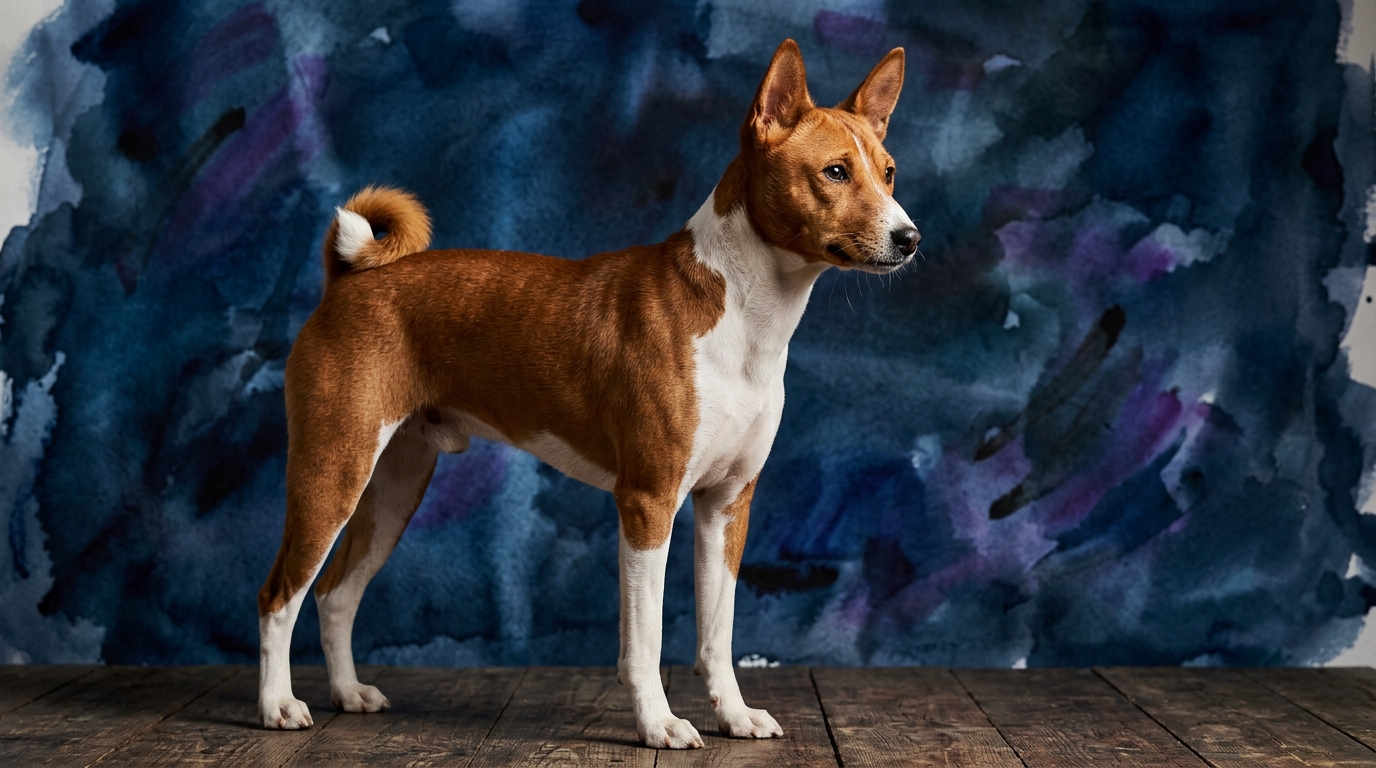
The Basenji, often referred to as the 'barkless dog,' presents a captivating cognitive blueprint according to The Cosmic Pet Pet IQ Lab. Its Problem Solving ability scores a perfect 5/5, indicating an exceptional capacity for independent thought and ingenuity in navigating its environment. However, this mental prowess is juxtaposed against a Training Speed of 1/5, reflecting a significant challenge in traditional obedience work due to a strong-willed, independent nature. Social Intelligence is rated at 3/5, suggesting an awareness of social cues but not an overwhelming drive for human approval. The Basenji's Instinctive Drive is a powerful 5/5, underpinning its strong hunting heritage and propensity for chasing. Finally, Memory stands at a robust 4/5, meaning once a Basenji learns something, whether a command or a cunning escape route, it tends to retain it.
In contrast, the Dogo Argentino, a powerful working breed, exhibits a more balanced cognitive profile. Its Problem Solving skill is rated at 3/5, demonstrating competence in understanding situations but without the Basenji's extreme inventiveness. Training Speed is a moderate 3/5, indicating a willingness to learn and respond to consistent guidance, making them more amenable to structured training. Like the Basenji, the Dogo Argentino's Social Intelligence is 3/5, suggesting an appropriate level of interaction without being overly solicitous. Its Instinctive Drive is also 3/5, present and purposeful but less overwhelming than the Basenji's, allowing for more controlled application in working roles. Memory for the Dogo Argentino is rated at 3/5, signifying a reliable capacity to recall learned behaviors and routines, though perhaps not with the Basenji's nuanced retention of complex strategies.
Where Basenji Wins Cognitively
The Basenji's standout cognitive advantage lies unequivocally in its Problem Solving score of 5/5, far surpassing the Dogo Argentino's 3/5. This isn't merely about understanding simple commands; it's about a profound ability to analyze situations and devise intricate solutions independently. A Basenji might systematically figure out how to open complex latches, scale fences, or manipulate objects to reach desired outcomes. Owners often report their Basenjis outsmarting child-proof locks or strategically moving furniture to gain access to forbidden areas. This exceptional cognitive flexibility means they are constantly assessing their surroundings for opportunities and challenges, making them incredibly resourceful.
Furthermore, the Basenji's 4/5 Memory score complements its problem-solving abilities. They don't just solve a puzzle once; they remember the solution and apply it repeatedly. This means that once a Basenji learns a particular trick or an escape route, that knowledge is deeply embedded. This combination of high problem-solving and strong memory allows for complex, multi-step planning and execution, making them exceptionally cunning companions who require constant mental engagement to prevent them from applying their intellect to less desirable pursuits.
Where Dogo Argentino Wins Cognitively
The Dogo Argentino's cognitive strengths lean towards a more cooperative and controlled application of intellect, particularly highlighted by its Training Speed of 3/5 compared to the Basenji's challenging 1/5. While not possessing the Basenji's independent problem-solving flair, the Dogo Argentino's moderate trainability means it is significantly more receptive to human guidance and instruction. This makes them far more adaptable to structured learning environments and capable of mastering a wider array of commands and tasks with consistent effort. Their working breed heritage instills a desire for purpose and partnership, which translates into a willingness to engage in training as a collaborative activity.
Moreover, the Dogo Argentino's balanced Instinctive Drive of 3/5 is a distinct advantage over the Basenji's intense 5/5. While the Basenji's drives can be overwhelming and difficult to redirect, the Dogo's drives are robust enough for their intended working roles but remain more manageable. This balance allows for greater control and focus during tasks that require precision and obedience, such as protection work, search and rescue, or even competitive dog sports. Their cognitive profile supports a powerful, yet directed, physical presence, making them effective partners in demanding situations where clear communication and responsiveness are paramount.
Which is Easier to Train and Why
When it comes to ease of training, the Dogo Argentino clearly holds the advantage, primarily due to its 3/5 Training Speed compared to the Basenji's 1/5. The Dogo Argentino, originating as a hunting dog, was bred to work in close cooperation with humans, fostering a natural inclination towards responsiveness and a desire to fulfill a purpose. This means they are generally more receptive to commands, quicker to form associations between actions and consequences, and more inclined to repeat behaviors that earn approval or rewards. Their focus during training sessions is typically more sustained, allowing for efficient learning of complex sequences.
The Basenji, on the other hand, embodies a profound independence, often exhibiting a 'what's in it for me?' attitude. Their low training speed is a direct reflection of their selective hearing and lack of inherent desire to please. Training a Basenji often feels less like teaching and more like negotiating. They will comply if the reward is sufficiently enticing and immediate, but rote repetition or commands without clear, personal benefit are frequently met with disinterest or outright refusal. This isn't a lack of understanding, but rather a cognitive choice to prioritize their own agenda, making consistent, engaging, and highly motivating training a necessity, often requiring more patience and creativity from the owner.
Which Suits Active Owners vs. Relaxed Owners
Neither the Basenji nor the Dogo Argentino is well-suited for a truly 'relaxed' owner who prefers minimal engagement. Both breeds demand significant owner participation, but the *type* of activity and mental stimulation required differs based on their cognitive profiles. The Basenji, with its 5/5 Problem Solving and 5/5 Instinctive Drive, is a match for highly active owners who thrive on mental challenges and can provide consistent, varied enrichment. These are owners who enjoy outsmarting their clever companion, engaging in puzzle toys, scent work, agility, or lure coursing. A Basenji will become bored and potentially destructive if its exceptional mind and strong drives are not adequately channeled, often inventing its own entertainment which may not align with household rules.
The Dogo Argentino, while also a large and active breed, better suits owners who are active and enjoy structured activities and a clear sense of purpose. Its 3/5 Instinctive Drive and 3/5 Training Speed mean it benefits from consistent physical exercise combined with focused mental tasks like advanced obedience, protection sports, or even service work. Owners who appreciate a powerful, loyal partner for outdoor adventures, long hikes, or disciplined training sessions will find the Dogo Argentino rewarding. While they require exercise, their mental stimulation often comes from working alongside their owner on specific tasks, rather than the Basenji's constant independent strategizing.
The Verdict
Choose the Basenji if you are an experienced owner who cherishes a truly independent, cunning companion and is prepared for creative mental engagement over traditional obedience.
Opt for the Dogo Argentino if you seek a powerful, loyal partner capable of structured training and purposeful activities, valuing their protective nature and more straightforward trainability.
🧠 Find Your Pet's IQ Score
Our Pet IQ Lab assessment covers 25+ tests across 5 cognitive dimensions — personalized to your breed.
Take the Full IQ Test →Frequently Asked Questions
Are Basenjis untrainable due to their low training speed?
Basenjis are not untrainable, but they require a different approach. Their independent spirit means training must be highly engaging, consistent, and exceptionally rewarding to capture their interest and combat their willful nature, often demanding more patience and creativity from the owner.
How does the Dogo Argentino's 'Not Coren-ranked' status impact its cognitive perception?
The 'Not Coren-ranked' status for Dogo Argentinos primarily indicates they weren't included in Coren's specific obedience-focused study, not a lack of cognitive capacity. Their moderate training speed and working background suggest competence in learning and following commands, making them capable partners in various disciplined roles.
Can a Basenji and Dogo Argentino live together harmoniously given their cognitive differences?
Successfully integrating these breeds depends more on individual temperaments, thorough socialization, and consistent owner management than their baseline cognitive profiles. Both can coexist with careful introductions and consistent supervision, but their differing drives and training needs will require distinct activity planning to ensure harmony.