Side-by-Side IQ Profile: Basenji vs. Kerry Blue Terrier
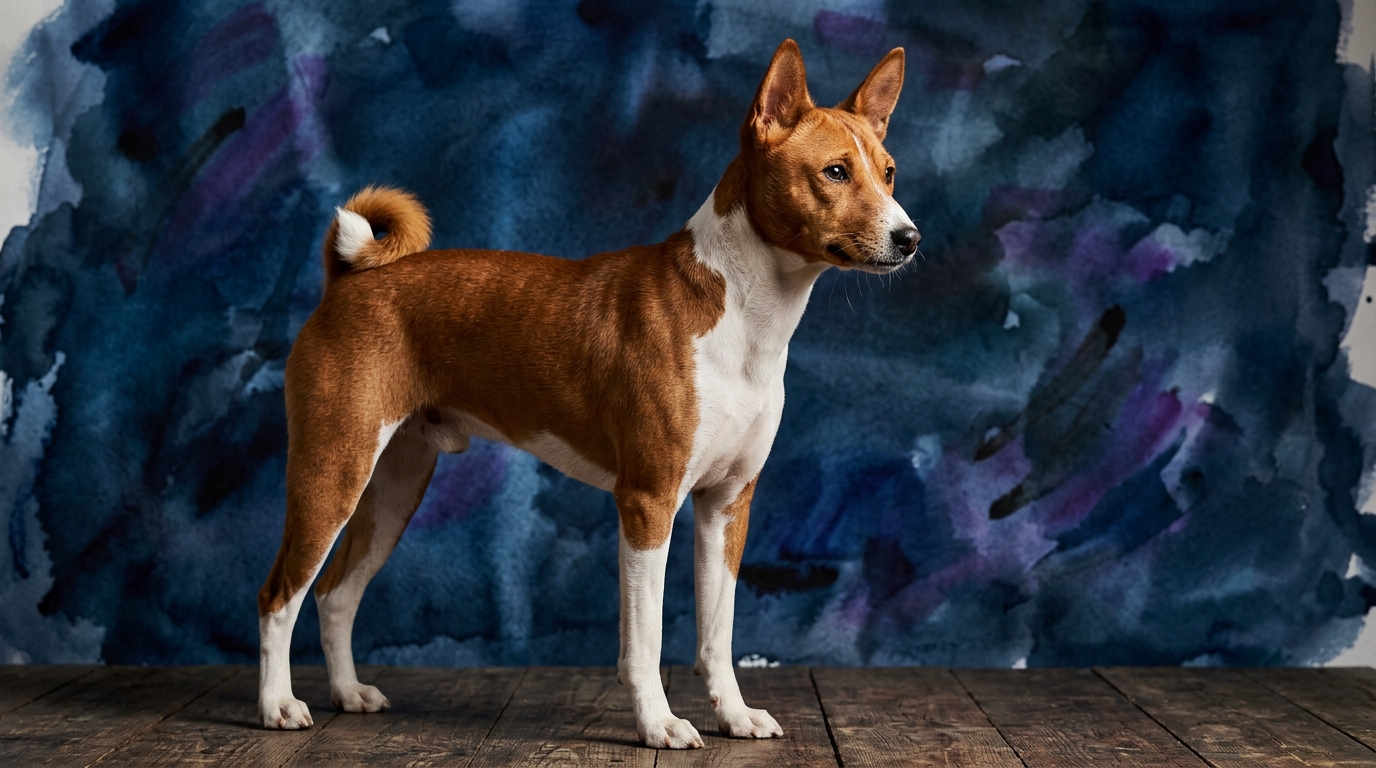
As a breed Coren-ranked at #78, the Basenji's cognitive makeup is unique. Their Problem Solving score of 5/5 indicates an exceptional capacity for independent thought; these dogs are masters at devising novel solutions to obstacles, whether it's figuring out how to open a child-proof cabinet or orchestrating an escape from a seemingly secure yard. Training Speed, however, sits at a challenging 1/5, reflecting their independent nature rather than a lack of understanding; they simply aren't inherently motivated to please and require immense patience and creative engagement. Social Intelligence is rated 3/5, meaning they form deep, selective bonds with their chosen humans but are often reserved, even aloof, with strangers and other animals. Their Instinctive Drive is a powerful 5/5, translating to an acute awareness of their environment, a strong prey drive, and a constant motivation to explore and act on their primitive senses. Finally, Memory at 4/5 means they retain complex information and experiences, contributing to their cunning problem-solving but also remembering any perceived injustices.
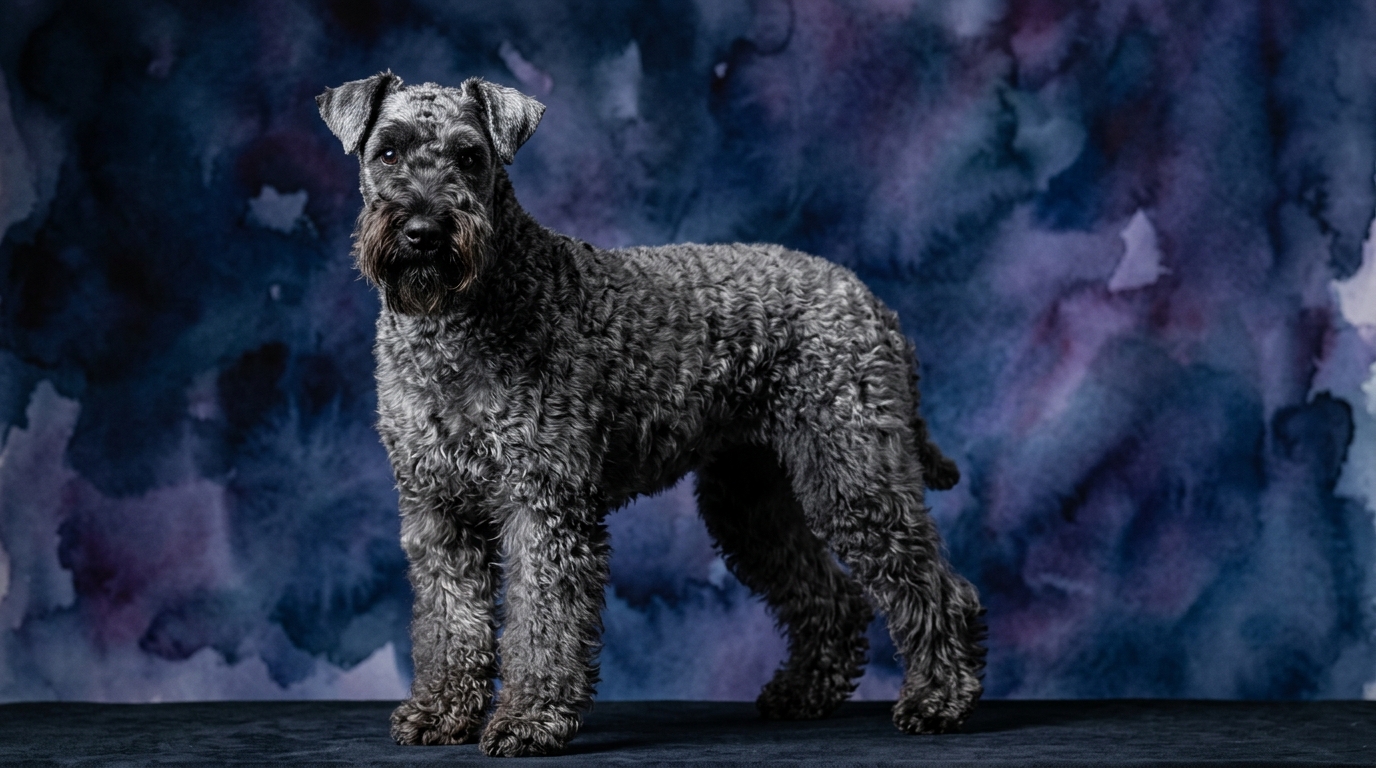
Though not Coren-ranked, the Kerry Blue Terrier presents a more balanced, cooperative cognitive profile. Their Problem Solving is a moderate 3/5, indicating practical intelligence; they learn routines, adapt to common challenges, and can navigate their environment efficiently, though they are less prone to inventing complex schemes. Training Speed is also 3/5, suggesting they are reasonably responsive to instruction and capable of learning commands at an average pace, provided training is consistent and engaging. Social Intelligence, like the Basenji, is 3/5; they are typically devoted to their families but can exhibit the characteristic terrier assertiveness with other dogs and might be cautious with unfamiliar people without proper socialization. Instinctive Drive scores 3/5, encompassing a manageable prey drive for small vermin and a protective instinct for their home and family, which is present but not overwhelming. Their Memory is rated 3/5, indicating a solid capacity to retain learned behaviors and social cues, allowing them to remember their training and established relationships effectively.
Where the Basenji Wins Cognitively
The Basenji undeniably takes the lead in problem-solving and instinctive drive, both scoring an impressive 5/5. Their superior problem-solving isn't merely about learning tricks; it’s about an innate ability to reason, strategize, and execute multi-step plans to achieve their desired outcomes, often surprising owners with their ingenuity. This can manifest as cleverly manipulating objects, identifying weak points in barriers, or even outsmarting human attempts to restrict them. Coupled with their equally high instinctive drive, Basenjis possess an unparalleled connection to their environment, driven by ancient sighthound instincts. This drive fuels their relentless curiosity, keen sensory perception, and a profound motivation to chase, hunt, or explore, making them incredibly resourceful and adaptable in situations requiring independent action. Their strong memory (4/5) further enhances these traits, allowing them to recall past successes and failures, refining their approach to new challenges.
Where the Kerry Blue Terrier Wins Cognitively
The Kerry Blue Terrier's cognitive strengths lie in its more balanced and cooperative nature, particularly evident in its Training Speed score of 3/5, which significantly surpasses the Basenji's 1/5. This indicates a breed that is far more amenable to human instruction and collaboration. While Basenjis excel at independent thought, Kerry Blues are more inclined to engage in cooperative learning, understanding that working with their human companions yields positive results. Their moderate scores across problem-solving (3/5), social intelligence (3/5), instinctive drive (3/5), and memory (3/5) create a predictable and adaptable companion. This balance means they are less likely to exhibit extreme behaviors driven by overwhelming instincts or an independent streak that resists guidance. Their cognitive profile makes them generally easier to integrate into a family structure, as they are capable of learning and adapting without constantly attempting to outmaneuver their owners or succumb to an all-consuming primitive drive. Their strength is in their harmonious blend of traits, fostering a more straightforward partnership.
Which is Easier to Train and Why
The Kerry Blue Terrier is distinctly easier to train than the Basenji, a difference primarily rooted in their respective "Training Speed" scores (Kerry Blue 3/5 vs. Basenji 1/5) and their fundamental approaches to human interaction. Kerry Blues, while possessing the characteristic terrier tenacity, generally respond well to consistent, positive reinforcement and clear boundaries. They are typically motivated by praise, treats, and the desire for interaction with their family, making them more inclined to work with their human. Their moderate instinctive drive means their focus can be redirected more effectively from distractions. In stark contrast, the Basenji's low training speed isn't about a lack of capacity to understand, but a profound independent streak; they perceive training as a negotiation. Their high problem-solving skills mean they constantly assess whether obeying a command benefits them more than pursuing their own fascinating agenda, such as investigating a fleeting scent or attempting to scale a fence. They are not inherently driven by a desire to please and often require exceptional creativity, patience, and a deep understanding of sighthound motivations to engage. Training a Basenji often feels more like a continuous intellectual debate than a typical dog obedience session, demanding an owner who can consistently outthink their clever companion.
Which Suits Active Owners vs. Relaxed Owners
Both the Basenji and the Kerry Blue Terrier are best suited for active owners, though the type of activity and engagement they demand differs significantly. The Basenji, with its high instinctive drive (5/5) and problem-solving (5/5), thrives with owners who can provide consistent, stimulating mental and physical challenges that align with their ancient sighthound nature. This means more than just walks; it requires dedicated engagement in activities like lure coursing, scent work, agility, or advanced puzzle toys, all within secure environments to prevent their clever escapes. They are not content to be mere companions; their minds and bodies crave purposeful stimulation, making them a poor fit for truly relaxed owners who prefer minimal interaction or predictable routines. The Kerry Blue Terrier, with its balanced drives (3/5), also benefits immensely from active engagement, enjoying brisk walks, vigorous playtime, and structured training sessions. They need regular exercise to prevent boredom and potential destructive behaviors, but their energy levels are generally more manageable than the Basenji's relentless curiosity and drive. A Kerry Blue can adapt well to an active family life with moderate daily exercise and mental games, whereas a Basenji demands a lifestyle fundamentally built around their unique cognitive and physical needs, making them a match for very dedicated, experienced, and hands-on owners prepared for a constant intellectual partnership.
The Verdict
Choose the Basenji if you are an experienced, highly active owner who relishes a cognitive challenge, understands independent problem-solvers, and can provide a stimulating environment for a dog that thinks for itself.
Choose the Kerry Blue Terrier if you seek a moderately active, engaging companion who is more amenable to traditional training and cooperative living, offering a balanced cognitive profile and spirited companionship.
🧠 Find Your Pet's IQ Score
Our Pet IQ Lab assessment covers 25+ tests across 5 cognitive dimensions — personalized to your breed.
Take the Full IQ Test →Frequently Asked Questions
Are Basenjis truly "barkless"?
Basenjis are not entirely silent but produce a unique yodel-like sound called a "barroo," along with growls and whimpers, rather than the typical dog bark. This distinctive vocalization is part of their ancient heritage and unique communication style.
Do Kerry Blue Terriers get along with other pets?
With proper socialization from a young age, Kerry Blue Terriers can coexist with other pets, but their innate terrier prey drive means supervision may be necessary, especially with smaller animals. Early introductions and training are crucial for harmonious multi-pet households.
What kind of mental stimulation do Basenjis need?
Basenjis require extensive mental stimulation through puzzle toys, scent games, lure coursing, and consistent, creative training challenges that engage their problem-solving skills and high instinctive drive. Simple obedience alone is often insufficient for their active minds.