Side-by-Side IQ Profile
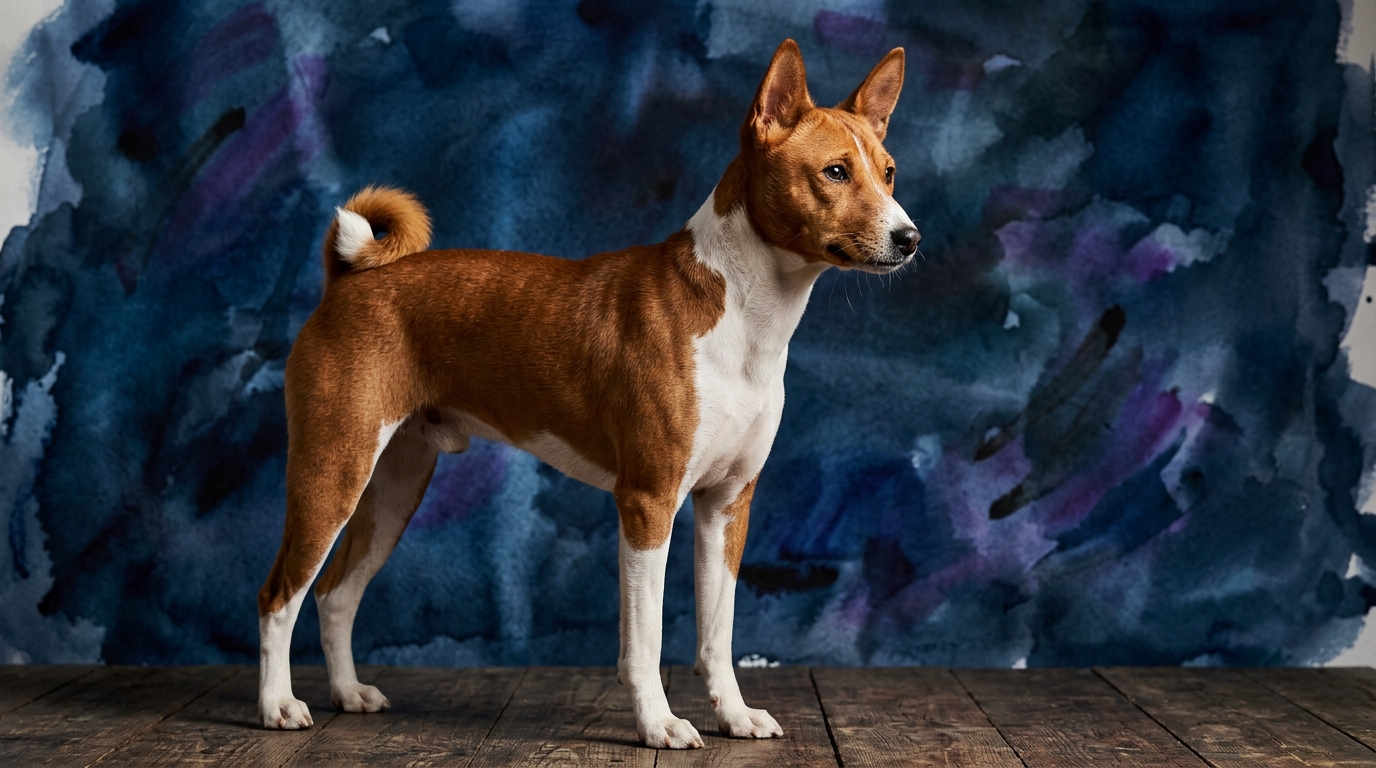
The Basenji, often called the 'barkless dog,' presents a captivating cognitive paradox. Their Problem Solving score of 5/5 indicates a remarkable capacity for independent thought and finding creative solutions to environmental challenges, often to their owner's surprise. However, this sharp intellect is coupled with a Training Speed of 1/5, suggesting a deep-seated independence and a strong disinclination to perform repetitive tasks on command. Their Social Intelligence at 3/5 suggests they are capable of forming bonds but may not always be highly attuned to human emotional cues or eager for extensive social interaction with strangers. An Instinctive Drive of 5/5 highlights their strong prey drive and ancestral hunting behaviors, requiring careful management. Finally, their Memory at 4/5 means they retain information well, remembering both positive and negative experiences. Their Coren rank of #78 places them among breeds with lower working and obedience intelligence, aligning with their independent nature.
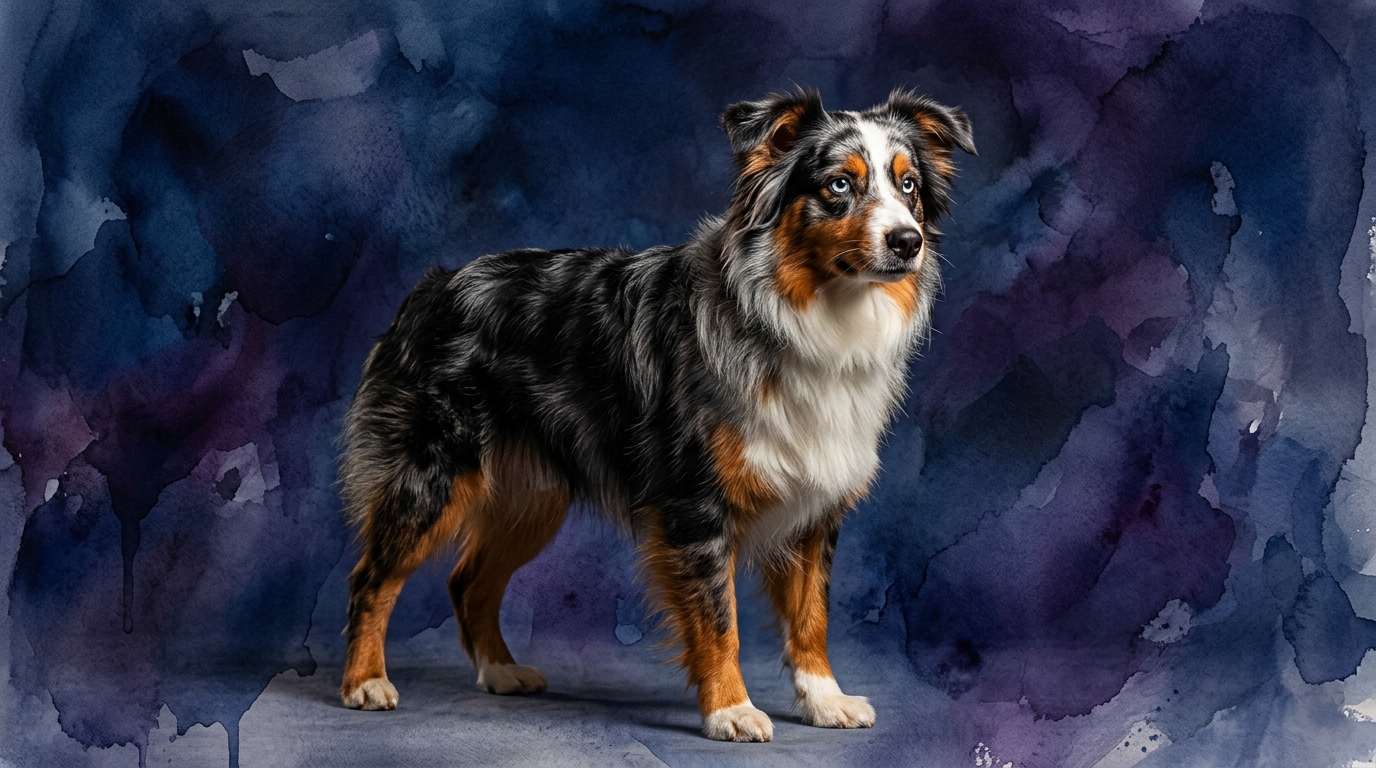
In contrast, the Miniature American Shepherd embodies a more balanced and cooperative cognitive blueprint. Their Problem Solving is rated at 3/5, indicating a practical intelligence suited to their working heritage, capable of navigating tasks but perhaps less inclined towards abstract or rebellious problem-solving than the Basenji. A Training Speed of 3/5 suggests they are generally amenable to learning and can grasp new commands at a reasonable pace, demonstrating a willingness to work with their handler. Their Social Intelligence also stands at 3/5, meaning they are typically friendly and capable of forming strong bonds, though perhaps not overly effusive with everyone. An Instinctive Drive of 3/5 reflects their moderate herding instincts, which require an outlet but are generally manageable within a family setting. Their Memory, also at 3/5, indicates they can recall commands and routines adequately. While not Coren-ranked, their Herding group affiliation often correlates with breeds that possess a good capacity for working and obedience.
Where Basenji Wins Cognitively
The Basenji truly shines in its raw, independent problem-solving capabilities. With a perfect 5/5 in this dimension, these dogs possess an innate ingenuity that allows them to devise intricate strategies for achieving their goals, whether it's opening doors, escaping enclosures, or accessing forbidden treats. This isn't about following commands; it's about autonomous thought and a deep understanding of cause and effect in their environment. Their strong memory (4/5) further enhances this, allowing them to learn from past attempts and refine their tactics. For an owner who appreciates a thinking companion, albeit one with their own agenda, the Basenji's self-reliance and cleverness are unparalleled in this comparison.
Where Miniature American Shepherd Wins Cognitively
The Miniature American Shepherd's cognitive strengths lie in its balanced and collaborative intellect, particularly in areas critical for partnership. While their Problem Solving is a solid 3/5, it’s a more practical, task-oriented intelligence, focused on achieving shared objectives rather than purely individual ones. Their consistent 3/5 across Training Speed, Social Intelligence, and Memory means they are generally receptive learners who enjoy working alongside their human companions. They excel in understanding and responding to cues, making them highly adaptable to various training disciplines. This breed's advantage isn't in rebellious cleverness, but in its cooperative spirit and eagerness to engage in structured activities, making them highly effective partners in tasks ranging from agility to service work.
Which is Easier to Train and Why
When it comes to ease of training, the Miniature American Shepherd holds a clear advantage. Their Training Speed of 3/5, combined with a moderate Instinctive Drive (3/5) that is often channeled into productive activities like herding or obedience, means they are typically eager to please and respond well to consistent instruction. They possess a natural inclination to work with their handler, making them relatively straightforward to teach basic commands and more complex tasks. Real behavioral differences stem from their herding lineage, where cooperation and responsiveness to a shepherd's commands were crucial for survival and work. Conversely, the Basenji's Training Speed of 1/5 is a significant hurdle. Their high Problem Solving (5/5) and Instinctive Drive (5/5) are often directed towards independent pursuits rather than compliance. A Basenji might understand a command perfectly but choose to ignore it if it doesn't align with their immediate desires, showcasing a profound independence rather than a lack of comprehension. Their memory (4/5) means they remember what you want, but their strong will dictates whether they comply, making training a continuous exercise in motivation and patience rather than simple repetition.
Which Suits Active Owners vs Relaxed Owners
For owners seeking a consistently active and engaged canine partner, the Miniature American Shepherd is an excellent fit. Their moderate instinctive drive (3/5) and cooperative nature make them well-suited for activities like agility, obedience, hiking, or even competitive herding. They thrive on having a job to do and require regular mental and physical stimulation to prevent boredom. A relaxed owner, however, might find their energy levels and need for engagement overwhelming. The Basenji, with its high instinctive drive (5/5) and problem-solving prowess (5/5), also demands significant mental and physical engagement, but in a very different way. They are not content to simply 'do' what their owner asks; they need opportunities to explore, hunt, and think independently. A relaxed owner might be overwhelmed by the Basenji's ingenious escape artistry and persistent pursuit of their own interests. Neither breed is truly suited for a 'relaxed' owner in the sense of minimal engagement, but the MAS offers a more predictable and collaborative form of activity, while the Basenji requires an owner who can manage and appreciate their independent, often mischievous, drive.
The Verdict
Choose a Basenji if you appreciate a highly independent, ingenious canine companion who will constantly surprise you with their cleverness and resourcefulness, and you are prepared for a lifelong journey of patient, creative motivation.
Opt for a Miniature American Shepherd if you desire a cooperative, eager-to-please, and versatile partner for various activities, valuing responsiveness and a strong working bond.
🧠 Find Your Pet's IQ Score
Our Pet IQ Lab assessment covers 25+ tests across 5 cognitive dimensions — personalized to your breed.
Take the Full IQ Test →Frequently Asked Questions
Is a Basenji difficult to live with due to its low training speed?
While Basenjis have a low training speed score of 1/5, indicating a strong independent streak, they are not necessarily difficult to live with for the right owner. Their challenge lies in their selective hearing and self-directed intelligence, requiring consistent, positive, and engaging training methods focused on motivation rather than strict obedience. Owners must appreciate their unique character.
Do Miniature American Shepherds have strong herding instincts that need managing?
Yes, Miniature American Shepherds possess a moderate instinctive drive of 3/5, which includes their herding heritage. This means they often have an urge to gather or 'herd' objects, people, or other pets. Providing appropriate outlets for this drive, such as herding games, agility, or structured exercise, is crucial to prevent them from attempting to herd children or other household members.
How does the Basenji's high problem-solving ability manifest in daily life?
The Basenji's 5/5 problem-solving score means they are adept at figuring out how to get what they want, often in ingenious ways. This can manifest as opening latches, climbing fences, outsmarting puzzles, or finding hidden treats. Owners often describe them as 'escape artists' or 'master manipulators' who require constant vigilance and secure environments to prevent them from enacting their clever schemes.