Side-by-Side IQ Profile: Beagle vs. Bearded Collie
The Cosmic Pet Pet IQ Lab provides a unique lens through which to compare the mental architectures of these two distinct breeds. While both possess admirable cognitive capacities, their applications and priorities differ significantly.
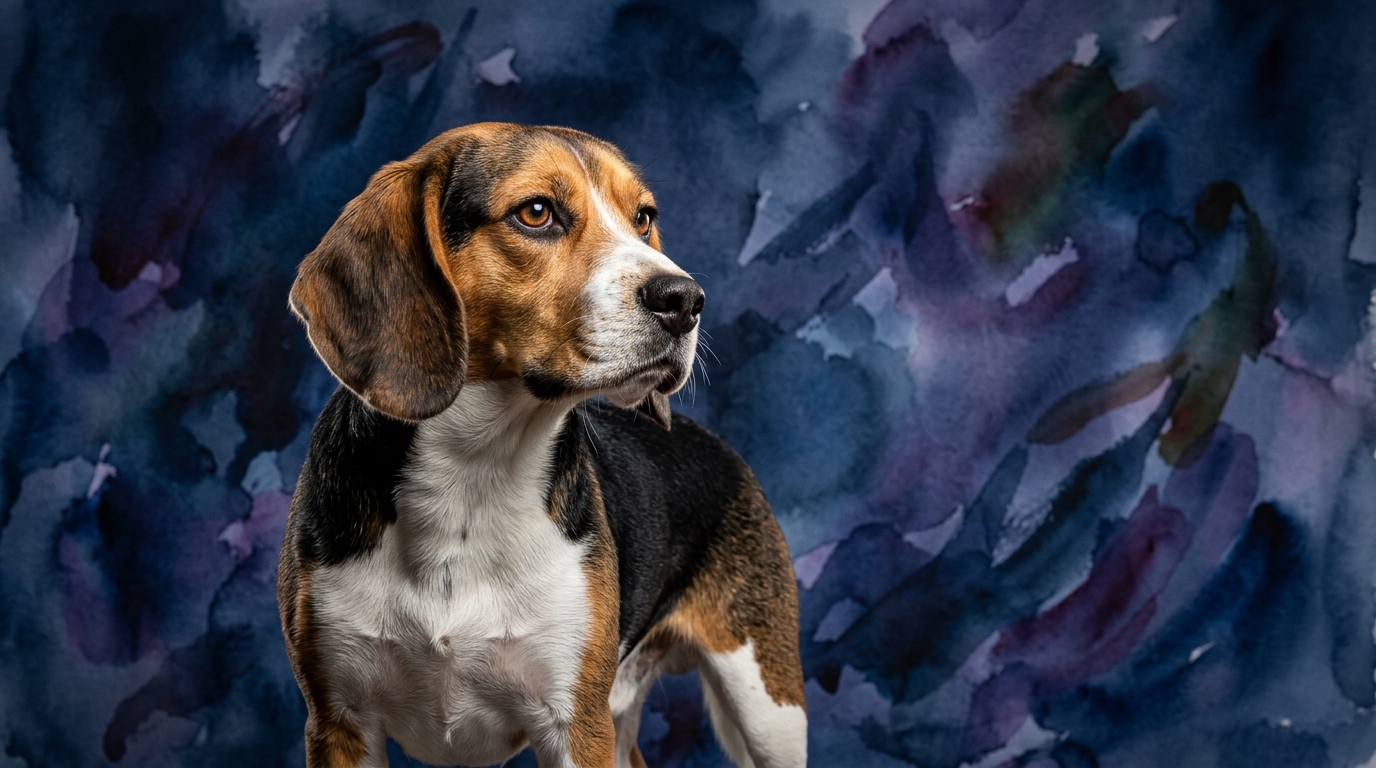
**Beagle:** A hound through and through, the Beagle's Coren rank of #72 places it among dogs that typically require more repetition for obedience commands. Its problem-solving at 4/5 is primarily directed towards unraveling complex scent trails, demonstrating a remarkable ability to follow a subtle path to its source. Training speed is 2/5, reflecting an independent spirit often more captivated by a compelling scent than a handler's instruction. Social intelligence is 3/5, indicating a generally friendly but not overly people-centric disposition. Its instinctive drive is a perfect 5/5, a testament to its unyielding hunting heritage, while a memory of 4/5 allows it to recall and track intricate scent patterns effectively.
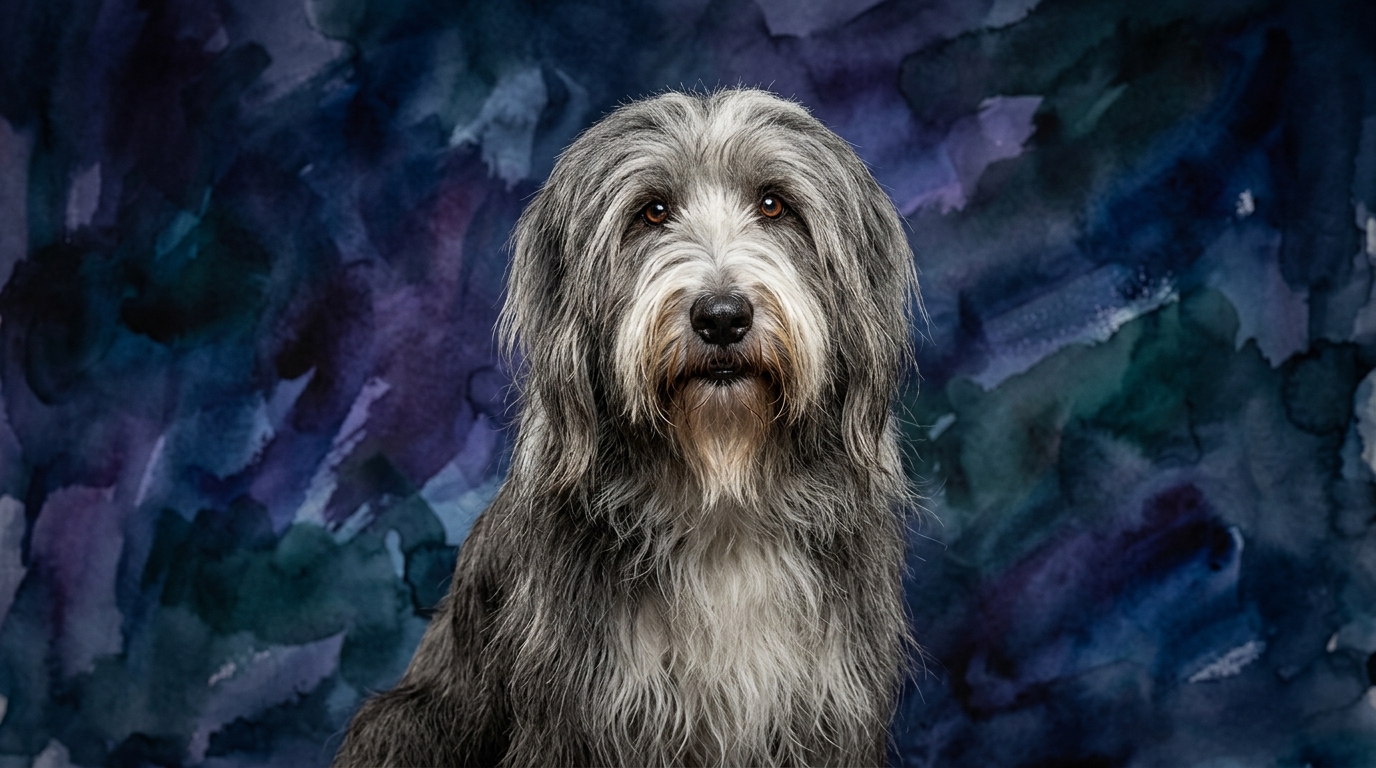
**Bearded Collie:** As a member of the herding group, the Bearded Collie holds a Coren rank of #34, suggesting a greater aptitude for understanding and executing human commands. Its problem-solving at 4/5 is often applied to dynamic situations, such as managing livestock or navigating agility courses. Training speed is 4/5, showcasing an eagerness to learn and a desire to cooperate with its human companion. Social intelligence is 3/5, indicating a reasonable capacity for interaction without being overly dependent or aloof. Its instinctive drive is 3/5, reflecting its herding roots but with less intensity than a specialized hunter, and its memory of 4/5 supports complex task learning and retention of routines.
Where the Beagle Wins Cognitively
The Beagle's cognitive strengths shine brightest in its unparalleled instinctive drive, rated a perfect 5/5. This translates into an extraordinary capacity for scent work and tracking, a domain where few breeds can compete. Its problem-solving at 4/5, when coupled with this powerful drive, manifests as a remarkable ability to navigate intricate environmental puzzles solely through olfaction, often recalling specific scent profiles with impressive accuracy (memory 4/5). This breed excels at independent decision-making in the field, relying on its nose and internal compass to pursue a goal, rather than constant human direction. This cognitive profile makes them exceptional at tasks requiring sustained focus on a sensory input, like detection work or wilderness trailing, showcasing a specialized intelligence finely tuned for its ancestral purpose.
Where the Bearded Collie Wins Cognitively
The Bearded Collie's cognitive advantages are rooted in its cooperative nature and adaptability to complex tasks. Its Coren rank of #34 significantly outpaces the Beagle, indicating a stronger general aptitude for working obedience and understanding human cues. This is further supported by its superior training speed of 4/5, meaning it typically picks up new commands and routines with fewer repetitions and greater enthusiasm. Its problem-solving (4/5) is often applied to strategic thinking within a structured context, such as maneuvering a flock of sheep or executing a multi-step agility sequence. Coupled with a memory of 4/5, this allows them to learn and retain extensive repertoires of behaviors and adapt to changing instructions, making them highly responsive partners in various activities. Their social intelligence (3/5) also plays a role, enabling them to form strong working relationships with handlers.
Which is Easier to Train and Why?
Based on their Cosmic Pet Pet IQ Lab profiles, the Bearded Collie is generally easier to train than the Beagle. The Bearded Collie's training speed of 4/5 reflects its inherent eagerness to engage with its handler and a quicker grasp of new commands, often driven by a desire to cooperate. Their herding background primes them to pay close attention to human direction and respond reliably, making them receptive students in obedience and sport training. This breed typically thrives on positive reinforcement and clear communication, quickly forming associations between commands and actions.
In contrast, the Beagle's training speed of 2/5 highlights a more independent and sometimes single-minded approach to the world. Their profound instinctive drive (5/5) means that once a compelling scent is detected, external commands often become secondary, leading to challenges with recall and focus in distracting environments. While both breeds possess problem-solving abilities, the Beagle's problem-solving is often applied to its own agenda, making consistent obedience a test of patience and creativity for owners. This difference in intrinsic motivation translates to the Bearded Collie being more biddable and responsive to structured training methods, whereas training a Beagle requires a deep understanding of its motivations and often a more engaging, reward-based approach to overcome its powerful natural instincts, especially when their nose is engaged.
Which Suits Active Owners vs. Relaxed Owners?
Neither the Beagle nor the Bearded Collie are truly suited for "relaxed" owners in the sense of minimal engagement; both require significant activity, but the *type* of activity differs considerably. The Beagle, with its 5/5 instinctive drive and a history of sustained hunting, thrives with owners who enjoy outdoor adventures and can provide ample opportunities for scent exploration. These are not dogs content with short leashed walks; they need to investigate, track, and follow their noses, making them ideal for individuals who appreciate long hikes, participate in scent work, or have securely fenced yards where they can explore. Owners must be prepared to manage a dog whose instincts might override recall in an open environment, making off-leash excursions a careful consideration.
The Bearded Collie, while also active, directs its energy differently. Its 3/5 instinctive drive and 4/5 training speed mean it flourishes with owners who provide structured mental and physical challenges. They excel in dog sports like agility, obedience, or even herding, requiring an owner willing to invest time in consistent training and engaging activities that utilize their problem-solving and cooperative nature. An active owner for a Bearded Collie means someone who enjoys partnership in activities, fostering a strong bond through shared tasks and learning. They are less prone to wandering off on a scent but require regular, stimulating engagement to prevent boredom-driven behaviors.
The Verdict
Opt for a Beagle if you cherish an independent, scent-driven companion, are prepared for specific training challenges related to their powerful instincts, and enjoy exploring the world through their nose.
Select a Bearded Collie if you seek a cooperative and biddable partner eager for mental and physical tasks, thriving on consistent training and engaging activities that foster a strong bond.
🧠 Find Your Pet's IQ Score
Our Pet IQ Lab assessment covers 25+ tests across 5 cognitive dimensions — personalized to your breed.
Take the Full IQ Test →Frequently Asked Questions
Does a Beagle's high instinctive drive make it difficult to live with?
A Beagle's 5/5 instinctive drive means they are powerfully motivated by scent, which can lead to selective hearing when a compelling trail is found. This requires consistent training, secure environments, and owners who understand and can channel this natural inclination into appropriate activities like scent games, rather than viewing it as a behavioral problem.
How does the Bearded Collie's Coren rank of #34 translate to everyday life?
A Coren rank of #34 indicates that Bearded Collies generally learn new commands more readily and respond reliably to cues compared to many other breeds. In everyday life, this means they are often quicker to house train, excel in obedience classes, and are more adaptable to various routines, making them responsive and cooperative companions.
Both breeds have 4/5 problem-solving and memory. Are they equally 'smart'?
While both score 4/5 in problem-solving and memory, their application differs significantly based on their primary drives. Beagles excel at solving scent-based puzzles and remembering complex trails, while Bearded Collies apply these cognitive skills to understanding multi-step commands, managing dynamic situations like herding, and recalling structured routines. Their intelligence is equally robust but specialized.