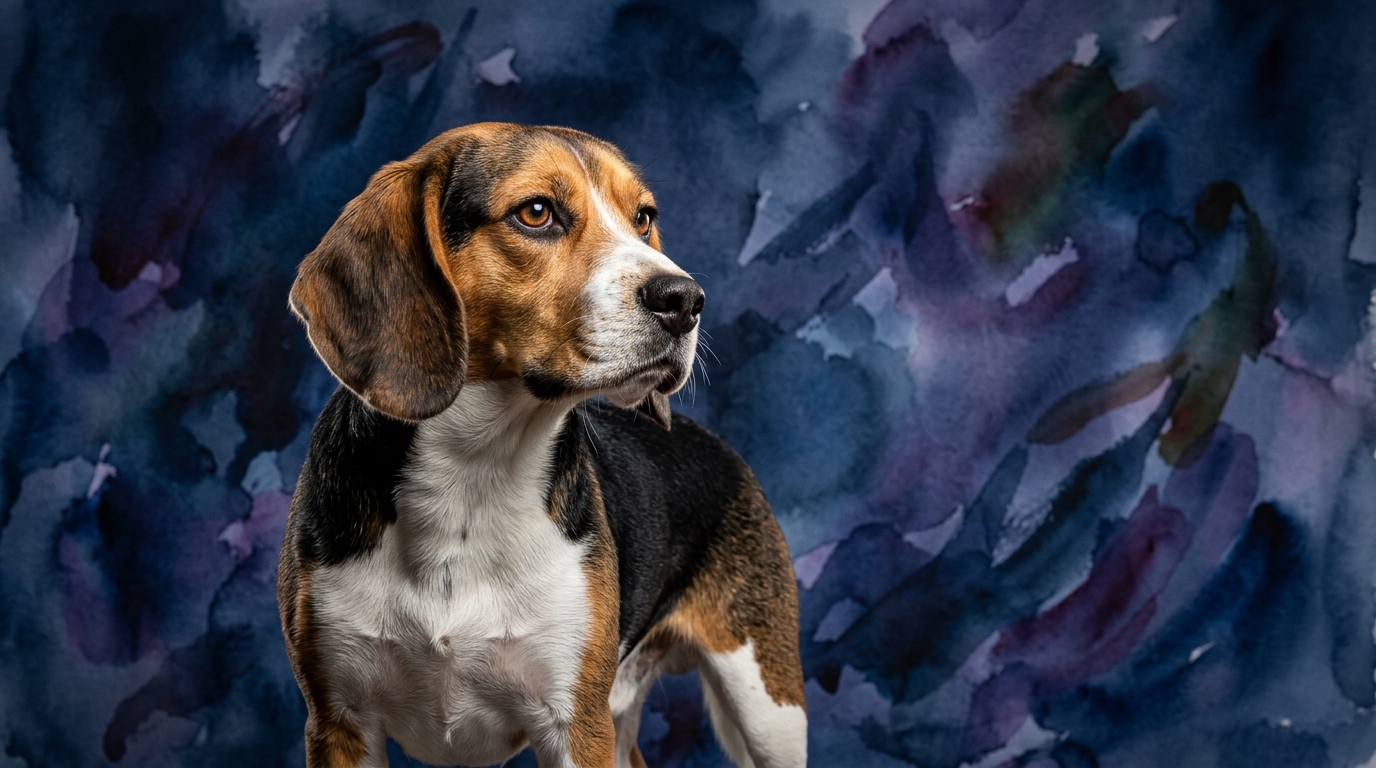
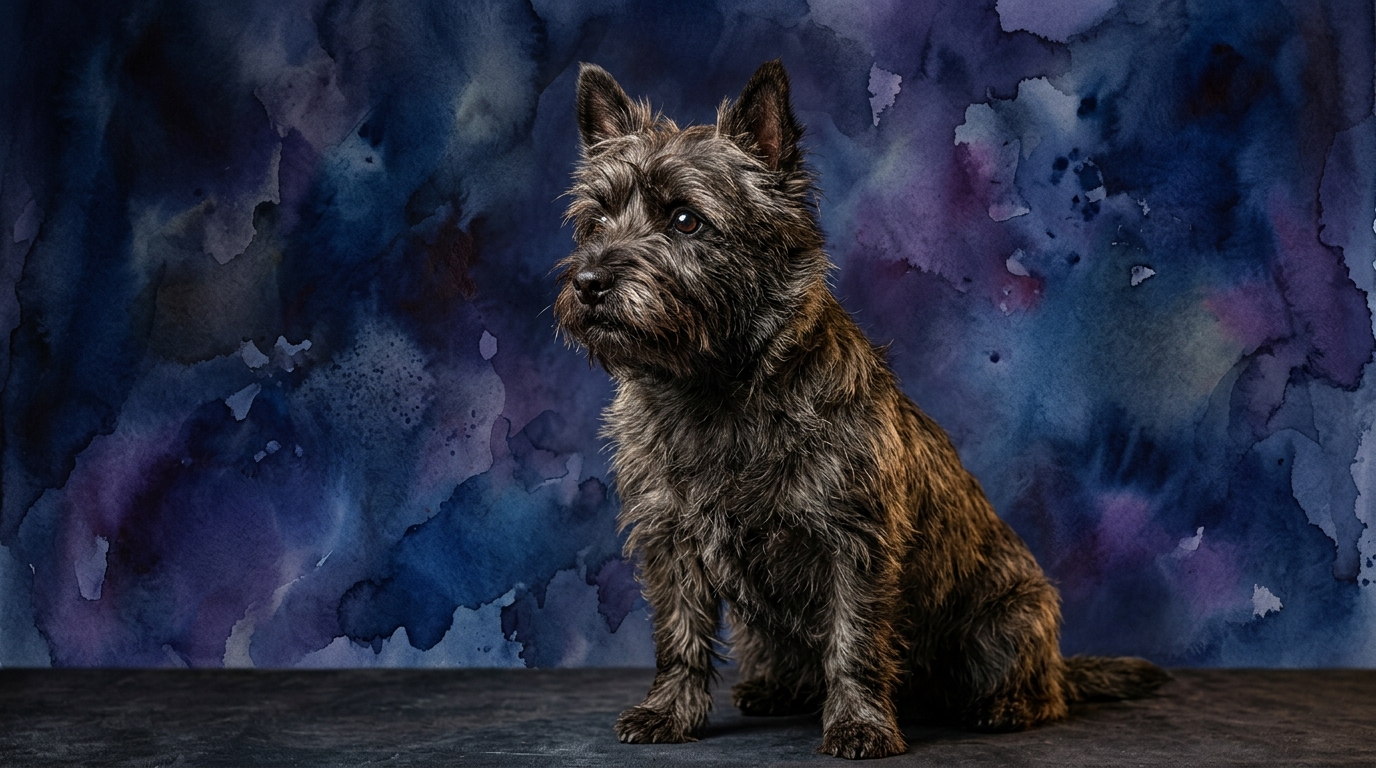
Side-by-Side Cognitive Profiles
The Cosmic Pet Pet IQ Lab employs a five-dimensional framework to assess canine cognition, offering a granular view beyond general perceptions. For the Beagle, a hound group member, its cognitive architecture is profoundly shaped by its scent-tracking heritage. Their problem-solving ability scores a 4/5, often manifesting in their capacity to unravel complex scent puzzles. However, their training speed is rated 2/5, reflecting a challenge in redirecting their intense focus from olfactory pursuits to human directives. Social intelligence sits at 3/5, indicating an amiable disposition but one that can be easily overshadowed by environmental scents. Their instinctive drive is a remarkable 5/5, an unparalleled dedication to tracking. Finally, their memory registers a solid 4/5, particularly for locations and scent associations.
In contrast, the Cairn Terrier, a spirited member of the terrier group, presents a different cognitive blueprint. Its problem-solving skills also score 4/5, demonstrating a resourceful and tenacious approach to overcoming obstacles, often with physical manipulation. The Cairn's training speed is a notable 4/5, suggesting a quicker uptake of commands and a willingness to engage in structured learning. Social intelligence is rated 3/5, indicating a sociable but sometimes selective nature, typical of the terrier temperament. Their instinctive drive comes in at 3/5, focusing on prey drive for small vermin, expressed through digging and chasing. Like the Beagle, the Cairn Terrier also shows a strong memory at 4/5, retaining learned behaviors and routines effectively.
Where the Beagle's Cognition Excels
The Beagle's preeminent cognitive strength lies squarely in its instinctive drive, rated an exceptional 5/5, which is intrinsically linked to its problem-solving and memory capabilities. This isn't merely a physical drive but a profound cognitive engagement with the world of scent. A Beagle can process and interpret an astonishing array of olfactory information, meticulously following a trail with unwavering focus, often for extended periods, despite numerous distractions. This specialized cognitive function allows them to piece together a 'scent story' over vast distances, demonstrating a sustained mental effort that few other breeds can match. This makes them peerless in tasks requiring dedicated scent work, whether it's tracking game, participating in scent detection sports, or simply locating a hidden toy.
Where the Cairn Terrier's Cognition Shines
The Cairn Terrier demonstrates a clear cognitive advantage in its training speed, rated 4/5 compared to the Beagle's 2/5. This higher score reflects a greater readiness and aptitude for assimilating new commands and behaviors in a structured training environment. While spirited and independent, Cairn Terriers often show a strong desire to engage with their human companions in interactive learning scenarios. Their cognitive agility allows for quicker association between actions, cues, and rewards, making them generally more responsive to traditional obedience methods. This translates to a more straightforward and often faster path to mastering basic commands and learning tricks, making them a rewarding participant in various dog sports and activities.
Training Dynamics: Beagle vs. Cairn Terrier
When it comes to ease of training, the Cairn Terrier generally holds an advantage due to its higher training speed and a more moderate instinctive drive. Cairn Terriers are typically eager to please and quick to grasp new concepts, making them receptive students in obedience classes. While they possess a characteristic terrier tenacity, their capacity for focused interaction with their handler during training sessions allows for more efficient learning. Their problem-solving acumen often translates into figuring out what is expected of them, leading to quicker behavioral acquisition. Consistent, positive reinforcement methods typically yield excellent results with a Cairn Terrier.
The Beagle, however, presents a more significant training challenge, primarily due to its profound instinctive drive. Their world is dictated by scent, and an intriguing smell can effortlessly hijack their attention, rendering commands temporarily irrelevant. A Beagle's cognitive processing prioritizes olfactory input above almost all else, making it difficult for them to disengage from a scent trail to attend to a human directive. Training a Beagle demands immense patience, creativity, and the use of high-value rewards to compete with the allure of their nose. Owners often find success by integrating scent work into their training, rather than attempting to suppress this fundamental aspect of their cognitive makeup, thereby channeling their natural tendencies constructively.
Suitability for Active vs. Relaxed Lifestyles
Both Beagles and Cairn Terriers thrive with active engagement, though the nature of that activity differs significantly based on their cognitive profiles. A Beagle, with its 5/5 instinctive drive, requires an owner who understands and actively facilitates outlets for its powerful tracking abilities. This means regular, lengthy walks where they can safely explore scent trails, engaging scent games, or participation in nose work activities. A relaxed owner who cannot commit to channeling this profound drive might find a Beagle's persistent curiosity leading to undesired behaviors like wandering or vocalization born of boredom and unfulfilled cognitive needs.
The Cairn Terrier, while also active, suits an owner who enjoys interactive play, consistent training, and mental challenges. Their quicker training speed and problem-solving skills mean they benefit immensely from agility, trick training, or puzzle toys. They require bursts of activity and regular intellectual stimulation, making them a good fit for owners who appreciate a spirited companion eager to participate in varied activities. While less prone to extended, single-minded scent quests than a Beagle, a Cairn still needs regular engagement to prevent boredom. Neither breed is truly suited for a sedentary lifestyle, as both possess innate drives that require expression for their well-being.
The Verdict
Choose the Beagle if you are captivated by a dog with an unparalleled sense of smell and are prepared to engage deeply with their instinctive tracking abilities, providing consistent outlets for their profound olfactory curiosity.
Choose the Cairn Terrier if you seek a spirited companion eager for interactive training and mental games, appreciating a quick learner who thrives on consistent engagement and a moderate level of varied activity.
🧠 Find Your Pet's IQ Score
Our Pet IQ Lab assessment covers 25+ tests across 5 cognitive dimensions — personalized to your breed.
Take the Full IQ Test →Frequently Asked Questions
Are Beagles stubborn during training?
Beagles can appear stubborn, but it's often their powerful instinctive drive for scent exploration that overrides their attention to commands. Their cognitive focus is intensely on their nose, requiring patient, consistent, and reward-based training that can compete with environmental distractions.
Do Cairn Terriers dig a lot?
Yes, Cairn Terriers possess a moderate instinctive drive for digging, a remnant of their vermin-hunting heritage. While not as dominant as a Beagle's scent drive, their problem-solving skills and desire to explore can lead to enthusiastic digging if not provided with appropriate outlets or training.
Which breed is better with children?
Both breeds can be good with children, given proper socialization and supervision. Beagles are often described as amiable and tolerant, while Cairn Terriers are playful and sturdy. The key is teaching both children and dogs how to interact respectfully and safely.