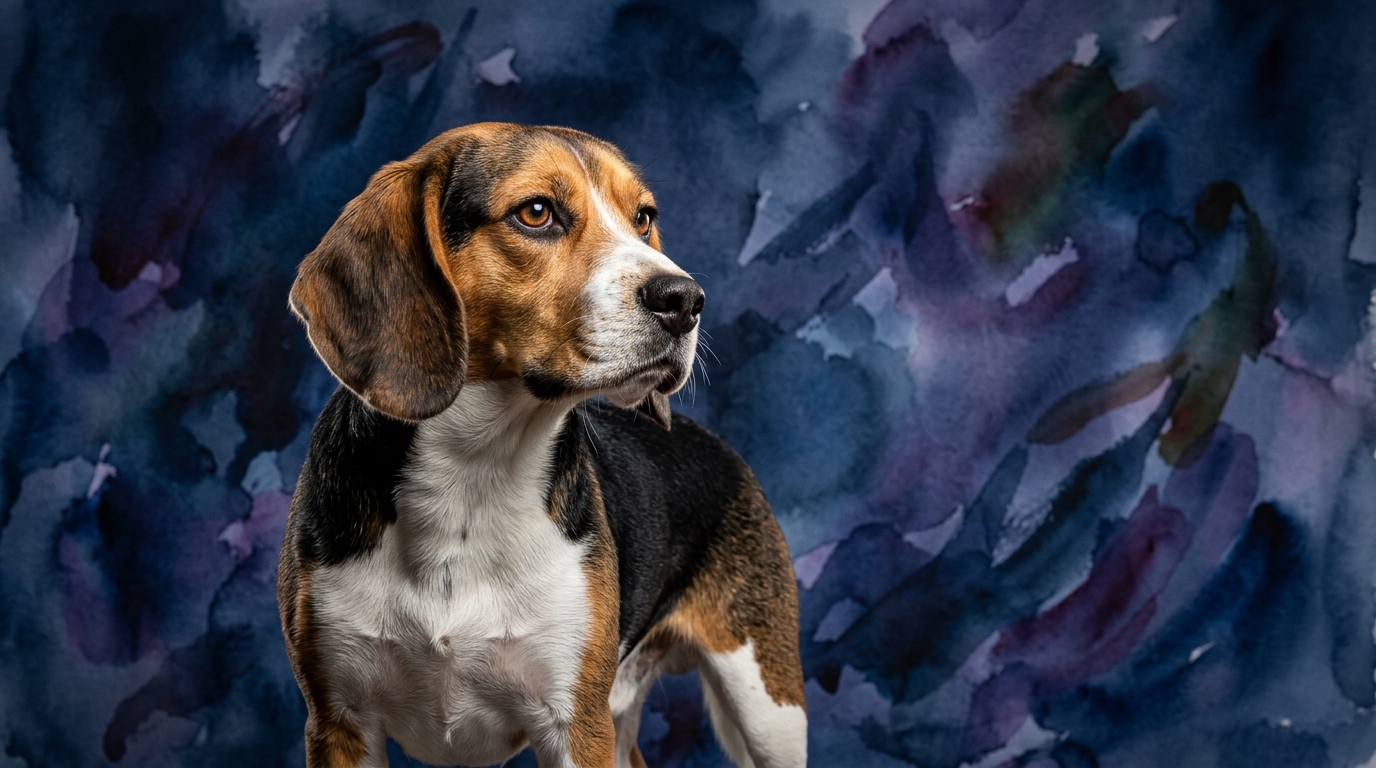
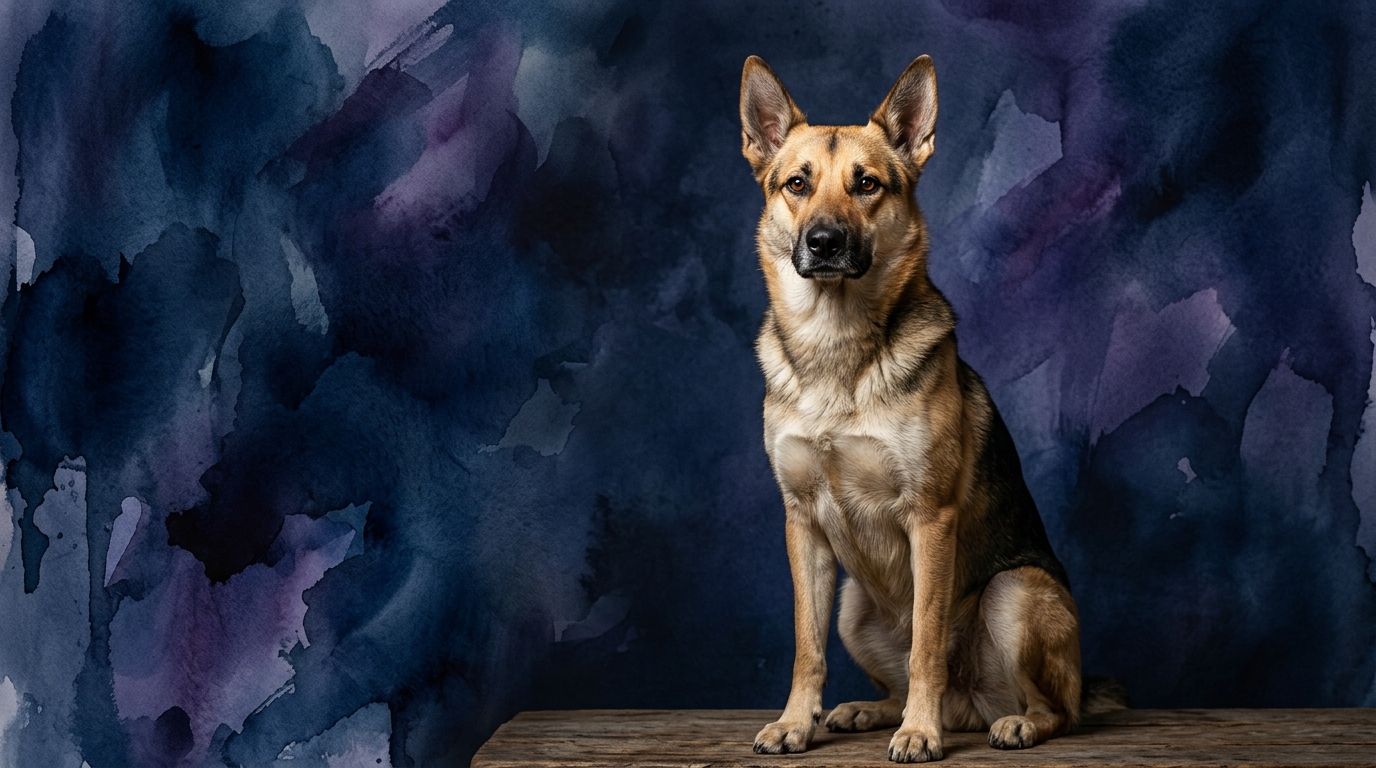
Side-by-Side IQ Profile: Beagle vs. Canaan Dog
The Cosmic Pet Pet IQ Lab provides a detailed framework for understanding canine cognition across five key dimensions. For the Beagle, ranked #72 by Coren for working intelligence, we see a profile shaped by its olfactory heritage. The Canaan Dog, holding a higher Coren rank at #43, presents a cognitive makeup reflecting its ancient, self-sufficient lineage.
Beagle (Hound, Coren Rank #72):
Problem Solving (4/5): The Beagle displays a robust aptitude for practical problem-solving, particularly when a compelling scent or a desired reward is involved. Their cognitive process often involves tenacious exploration and creative maneuvering to overcome physical barriers or decipher complex odor trails. This isn't abstract reasoning, but a highly effective, goal-oriented intelligence focused on achieving a sensory objective, such as locating a hidden treat or navigating a labyrinthine path to a specific smell.
Training Speed (2/5): While capable of learning, the Beagle's training speed is rated lower due to their often-diverted attention. Their powerful olfactory world frequently takes precedence over human directives, making consistent, rapid acquisition of formal commands a patience-testing endeavor. They can learn, but their independent working style as a scent hound means they often weigh their own interests (following a scent) against human instructions.
Social Intelligence (3/5): Beagles are generally sociable creatures, capable of understanding and integrating into family dynamics. They typically form strong bonds and interact well with other dogs, displaying a moderate level of social awareness. Their engagement with humans is often affectionate and playful, though their attention can quickly shift if a captivating scent emerges.
Instinctive Drive (5/5): This is where the Beagle truly excels. Their instinctive drive to track and follow scent is exceptionally potent, defining much of their behavior and cognitive focus. This relentless pursuit of olfactory information is not merely a hobby but a fundamental aspect of their being, making them supremely dedicated to their original purpose as a scent hound.
Memory (4/5): Beagles possess a commendable memory, especially for locations, routes, and experiences tied to rewarding scents or successful problem-solving attempts. They can recall specific trails and the outcomes of their investigations with a high degree of accuracy, aiding their persistent exploratory nature.
Canaan Dog (Herding, Coren Rank #43):
Problem Solving (3/5): The Canaan Dog exhibits practical problem-solving skills, honed by centuries of independent survival in harsh environments. They are adept at assessing situations, anticipating potential threats, and finding pragmatic solutions to navigate their surroundings or protect their territory. Their intelligence leans towards self-preservation and situational awareness rather than complex, abstract puzzles.
Training Speed (3/5): With a moderate training speed, the Canaan Dog is capable of learning and retaining commands at a steady pace. They respond well to consistent, positive reinforcement, though their independent spirit means they may not always display immediate, eager compliance. They require a clear purpose and a fair, confident handler to thrive in training.
Social Intelligence (3/5): Canaan Dogs demonstrate a discerning social intelligence. They form deep, loyal bonds with their immediate family, often displaying a watchful and somewhat reserved demeanor towards strangers. They are attuned to the nuances of household routines and human emotions, understanding their place within the social structure while maintaining a degree of independence.
Instinctive Drive (3/5): The Canaan Dog possesses a balanced array of instinctive drives, including territoriality, a moderate prey drive, and a strong inclination to patrol and observe. These instincts are significant components of their behavior, contributing to their role as guardians and companions, but they are typically more manageable than the singular, intense drive seen in a Beagle.
Memory (4/5): Canaan Dogs show a good capacity for memory, particularly concerning routines, learned experiences, and the identification of familiar versus unfamiliar individuals or places. This strong recall supports their guarding instincts and their ability to adapt to changes within their established environment.
Where the Beagle Wins Cognitively
The Beagle's cognitive strengths distinctly shine in areas demanding tenacious, scent-driven problem-solving and an overwhelming instinctive focus. Their Problem Solving score of 4/5, coupled with an exceptional 5/5 Instinctive Drive, means they are masters at deciphering complex olfactory puzzles. This manifests as an uncanny ability to follow a faint trail over varied terrain, or to ingeniously figure out how to access a food source that seems securely hidden. They are not merely reacting; they are actively strategizing, using their powerful nose as their primary cognitive tool to navigate and manipulate their environment to achieve a desired, often olfactory, outcome. This persistent, goal-oriented drive to explore and discover through scent is a unique cognitive advantage.
Where the Canaan Dog Wins Cognitively
The Canaan Dog demonstrates a distinct cognitive edge in its capacity for practical learning and adaptability within a structured environment. While both breeds share a similar memory score, the Canaan Dog's Training Speed of 3/5, compared to the Beagle's 2/5, indicates a more receptive and consistent approach to absorbing human-initiated commands. This isn't to say they are always eager, but their cognitive framework allows for a more direct and less distracted engagement in formal training. Their problem-solving (3/5) also leans towards pragmatic, self-preservational solutions, indicating a different kind of cognitive flexibility rooted in their survivalist heritage, where adapting to environmental cues was paramount.
Which is Easier to Train and Why?
The Canaan Dog generally offers a more straightforward training experience compared to the Beagle. With a training speed of 3/5, they are capable of learning new commands at a moderate pace, especially when motivated by positive reinforcement and a clear purpose. Their instinctive drives, while present, are more balanced (3/5) and less singularly overwhelming than a Beagle's. This means a Canaan Dog is more likely to focus on a handler's instruction without being constantly distracted by an overpowering external stimulus. They appreciate a clear structure and a consistent leader, which aids in their learning process.
In contrast, the Beagle's 2/5 training speed is heavily influenced by its 5/5 instinctive drive for scent. A Beagle’s nose often dictates its attention, making it challenging to maintain focus on human-initiated tasks when a compelling odor is detected. They are not necessarily less capable of learning, but their priorities are fundamentally different; their cognitive resources are often redirected to their olfactory world, requiring immense patience and creative methods to compete with the allure of a captivating scent trail. This makes consistent, rapid obedience training a more significant endeavor for Beagle owners.
Cognitive Needs: Active vs. Relaxed Owners
The choice between a Beagle and a Canaan Dog largely depends on an owner's lifestyle and their willingness to engage with specific cognitive and instinctive needs. Owners seeking a companion for highly active, scent-focused adventures, or those who enjoy the challenge of working with a dog whose primary motivation is its nose, might find the Beagle a profoundly rewarding match. Their immense instinctive drive (5/5) means they thrive on activities that engage their powerful sense of smell, such as scent work, tracking games, or long, varied walks where they can explore a rich olfactory tapestry. A "relaxed" owner, in the sense of one who prefers minimal structured activity or who struggles with consistent recall against a compelling scent, might find the Beagle's persistent need to follow a trail and its potential for independent "investigations" a significant challenge. Their cognitive world is intensely sensory, demanding an outlet.
The Canaan Dog, while also needing activity, suits a different kind of active owner – one who values a dog with a moderate instinctive drive (3/5) for patrolling and a discerning social intelligence (3/5). They benefit from structured training, agility, or guardian-type roles that engage their practical problem-solving and watchful nature. Their activity needs are less about relentless pursuit and more about purposeful engagement and mental stimulation. They thrive on having a "job" or a consistent routine that allows them to utilize their observational and protective instincts. A truly "relaxed" owner, who offers little mental engagement or consistent guidance, might find the Canaan Dog's independent streak and need for a defined role a bit demanding, as they are not content to be mere couch potatoes without appropriate stimulation. They require an owner who appreciates their nuanced cognitive approach to their environment and social circle.
The Verdict
Choose the Beagle if you are an enthusiastic owner prepared to harness an unparalleled scent drive for activities like tracking or nose work, and you appreciate a tenacious, sometimes independently minded companion.
Opt for the Canaan Dog if you seek a discerning, watchful companion with a balanced set of instincts that thrives on purposeful engagement and consistent, patient guidance.
🧠 Find Your Pet's IQ Score
Our Pet IQ Lab assessment covers 25+ tests across 5 cognitive dimensions — personalized to your breed.
Take the Full IQ Test →Frequently Asked Questions
Is a Beagle truly less "trainable" than a Canaan Dog?
It's not about capability, but priority. Beagles can learn, but their powerful scent drive (5/5) often overrides human commands, making consistent focus during training a significant challenge. Canaan Dogs, with a more balanced drive, tend to be more receptive to instruction.
How does "instinctive drive" impact daily life for these breeds?
For a Beagle, a 5/5 instinctive drive means an almost constant pursuit of scent, leading to potential wandering or ignoring calls if a trail is found. For a Canaan Dog, a 3/5 drive translates to a watchful nature, territoriality, and a moderate prey drive, requiring management but less single-minded focus than the Beagle's nose.
Are Beagles or Canaan Dogs better with children?
Both breeds can be good with children with proper socialization and training. Beagles are generally tolerant and playful due to their social intelligence (3/5). Canaan Dogs, also 3/5 in social intelligence, tend to be watchful and protective, often forming strong bonds with family children but may be more reserved with strangers.