Side-by-Side Cognitive Profiles
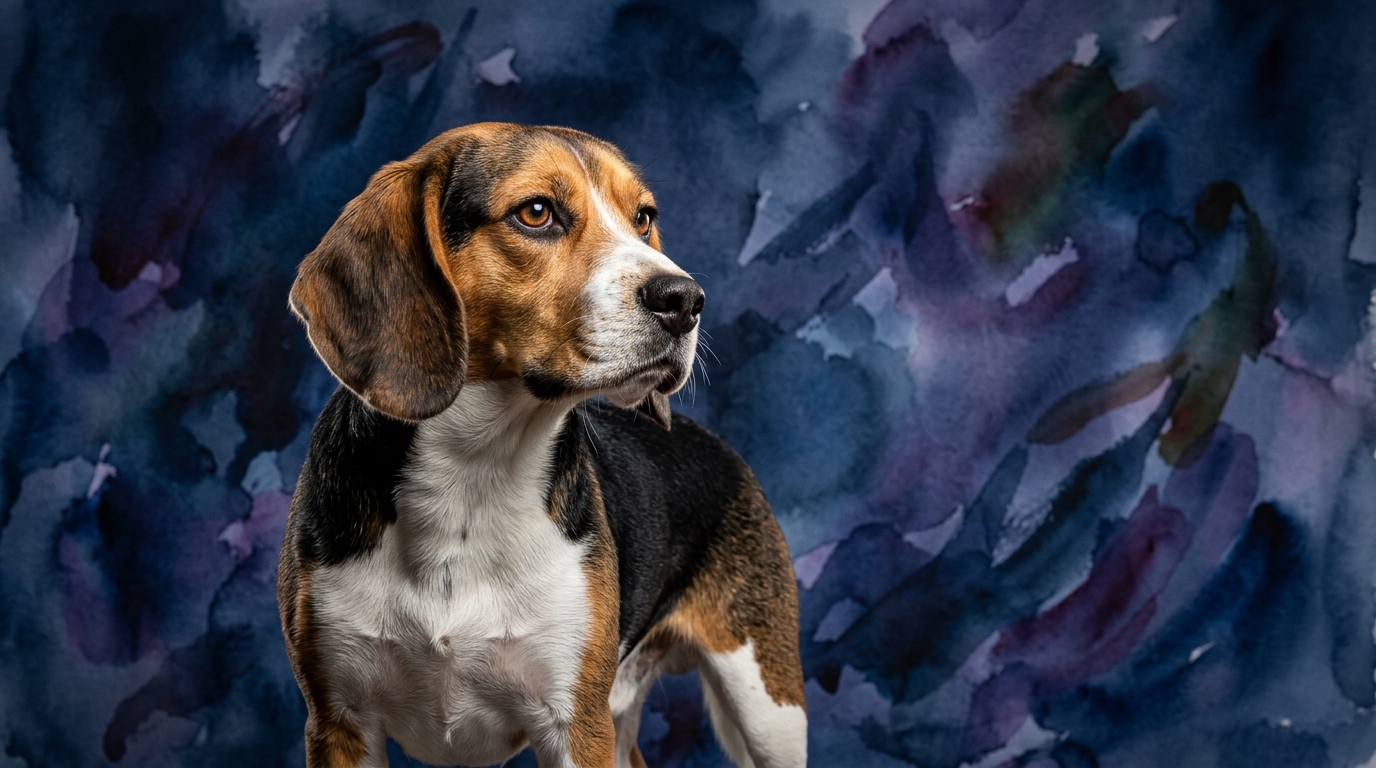
At The Cosmic Pet Pet IQ Lab, we analyze canine intelligence across five key dimensions, revealing the unique mental architecture of each breed. For the Beagle, ranked #72 by Coren, its cognitive strengths are undeniably tied to its olfactory prowess. Its Problem Solving (4/5) shines in navigating complex environments through scent, locating hidden objects, and systematically tracking trails with remarkable efficiency, a sophisticated form of sensory-driven logic. Training Speed (2/5) presents a challenge; their intense focus on scent often overrides traditional commands, requiring immense patience and high-value rewards to compete with an interesting odor. Social Intelligence (3/5) indicates they are generally amiable but often prioritize their sensory explorations over subtle human cues, engaging on their own terms. Their Instinctive Drive (5/5) is paramount, manifesting as a relentless pursuit of scents, overriding all other considerations once 'on the hunt'. Finally, Memory (4/5) is robust for spatial layouts tied to scent and routines, recalling where specific odors were encountered or the general area of a compelling smell.
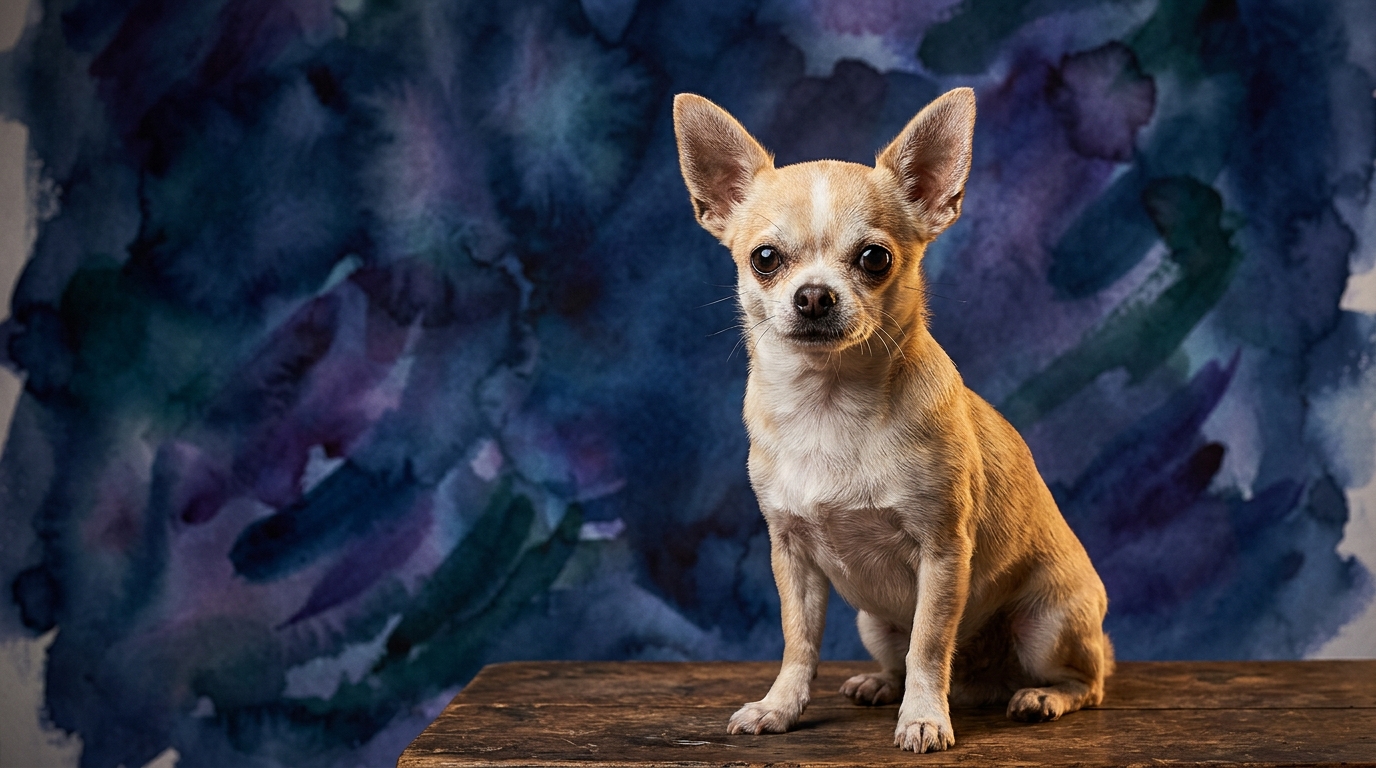
The Chihuahua, holding a Coren rank of #67, demonstrates a different spectrum of cognitive abilities, centered more on social acumen and domestic adaptability. Their Problem Solving (3/5) is often seen in manipulating their immediate environment for comfort or attention, figuring out how to achieve specific desires within the household. Training Speed (3/5) is moderate; they can learn commands readily when motivated by treats and praise, but their sensitivity and occasional stubbornness require consistent, positive reinforcement. Social Intelligence (4/5) is a standout trait, showing a keen attunement to human moods and intentions, and a remarkable ability to communicate their needs and desires. Their Instinctive Drive (3/5) is less about sustained pursuit and more about alertness and companionship, though a prey drive for small objects can be present. Memory (4/5) is strong for people, routines, and social interactions, allowing them to anticipate events and form deep, lasting bonds within their social circle.
Where the Beagle Wins Cognitively
The Beagle's cognitive strengths are deeply rooted in its ancestral role as a scent hound, making it a master of olfactory-based intelligence. Their superior problem-solving (4/5) truly shines in tasks requiring detailed scent discrimination and persistent tracking. A Beagle can unravel a complex tapestry of odors, following a specific trail through distractions with an unwavering focus that few other breeds can match. This isn't just about finding something; it's about interpreting a narrative told through molecules in the air, a sophisticated form of environmental processing. Their instinctive drive (5/5) also represents a cognitive triumph, demonstrating an unparalleled capacity for sustained concentration and motivation towards a singular, instinctual goal. Once engaged, their cognitive resources are entirely dedicated to the chase, making them incredibly effective at their intended purpose. Furthermore, their memory (4/5) for scent-laden environments and routes is exceptional, allowing them to recall the location of past interesting smells or navigate familiar territories with precision, guided by an invisible map of odors. This specialized cognitive architecture makes them unparalleled in tasks requiring sustained sensory input and relentless pursuit.
Where the Chihuahua Wins Cognitively
Conversely, the Chihuahua's cognitive prowess is centered around nuanced social interaction and adaptability within a human household. Their social intelligence (4/5) is a significant cognitive advantage, allowing them to keenly observe and respond to human emotions and behaviors. They often develop a sophisticated understanding of household dynamics, learning to 'read' their owners' moods and intentions, and using this insight to communicate their own needs effectively. This high level of emotional attunement fosters extremely strong bonds and contributes to their effectiveness as companion animals. In terms of problem-solving (3/5), Chihuahuas excel at navigating their immediate domestic environment, figuring out clever ways to achieve comfort, attention, or access to desired resources. This might involve strategic barking to get a desired reaction, or subtly manipulating situations to gain an advantage, showcasing a practical, socially-driven intelligence. Their memory (4/5) is also robust for social cues, routines, and the preferences of their human family, which reinforces their ability to integrate seamlessly into daily life and anticipate events, making them exceptionally perceptive companions.
Which is Easier to Train and Why
Determining which breed is 'easier' to train depends heavily on the owner's goals and understanding of canine behavior. The Beagle, with its training speed of 2/5, presents a distinct challenge. Their formidable instinctive drive (5/5) to follow scents means that outdoor environments are a constant source of irresistible distractions. A Beagle's nose is often far more compelling than any command, requiring an owner to engage in a continuous battle for attention. Training a Beagle demands extraordinary patience, consistency, and the use of high-value rewards to even momentarily overcome their innate drive. House-training can also be prolonged due to their independent nature and focus on external stimuli. In contrast, the Chihuahua, with a training speed of 3/5, can be quicker to pick up basic commands in a controlled environment. Their social intelligence (4/5) means they are often motivated by pleasing their owner and receiving praise, in addition to treats. However, Chihuahuas can also be sensitive and prone to stubbornness or 'small dog syndrome' if not trained consistently. While they may grasp concepts faster in a low-distraction setting, their house-training can be challenging due to their small bladder size and the ease with which accidents go unnoticed. Ultimately, for a typical household seeking basic obedience, the Chihuahua might be perceived as 'easier' due to their social motivation, provided their sensitivities are respected. Beagle training requires a dedicated owner willing to work with, rather than against, a powerful and ancient instinct.
Matching Canine Cognition to Owner Lifestyles
The choice between a Beagle and a Chihuahua also hinges on an owner's lifestyle and energy levels. Beagles are unequivocally suited for active owners. Their profound instinctive drive (5/5) and need for mental stimulation, particularly through scent work, demand significant engagement. An owner who enjoys long, exploratory walks, hiking, or participating in dog sports like tracking or agility will find a Beagle to be an enthusiastic partner. Without sufficient outlets for their energy and powerful nose, Beagles can become restless and destructive, often resorting to baying or escaping to follow a captivating scent. Their physical stamina and cognitive engagement thrive on outdoor adventures. Chihuahuas, on the other hand, can be incredibly adaptable, making them suitable for both moderately active and relaxed owners, though they lean towards the latter. While they enjoy daily walks and playtime, their exercise needs are generally modest, easily met within an apartment setting. Their high social intelligence (4/5) means their primary need is for close companionship and interaction. Relaxed owners who cherish a devoted lap dog and enjoy quiet evenings together will find a Chihuahua to be an ideal, affectionate companion. They thrive on consistent human presence and mental engagement through interactive play rather than strenuous physical activity.
The Verdict
Choose a Beagle if you are an active, patient owner who relishes outdoor adventures and appreciates a dog with an independent spirit driven by a world of scent, understanding their training requires dedication.
Opt for a Chihuahua if you seek a devoted, portable companion who thrives on close human interaction and can adapt to various living situations, provided their profound social needs are met.
🧠 Find Your Pet's IQ Score
Our Pet IQ Lab assessment covers 25+ tests across 5 cognitive dimensions — personalized to your breed.
Take the Full IQ Test →Frequently Asked Questions
How can I keep my Beagle mentally engaged indoors?
Indoor mental stimulation for Beagles should focus on their powerful sense of smell. Scent games, puzzle toys that dispense treats, and hide-and-seek with their favorite toys or kibble can keep their minds sharp and their noses busy, preventing boredom and channeling their natural instincts constructively.
What is the biggest training challenge with a Chihuahua?
The biggest training challenge with a Chihuahua often stems from their sensitivity and potential for stubbornness, combined with house-training difficulties due to their small size. Consistency, positive reinforcement, and patience are crucial, as is addressing any 'small dog syndrome' tendencies by setting clear boundaries from a young age.
Do Beagles and Chihuahuas generally get along with other pets?
Beagles typically enjoy the company of other dogs due to their pack mentality, often getting along well if properly socialized. Chihuahuas, while capable of forming bonds, can be more selective and might prefer the company of other Chihuahuas or smaller, calmer dogs, sometimes exhibiting protective tendencies towards their owners.