
Side-by-Side Cognitive Profiles
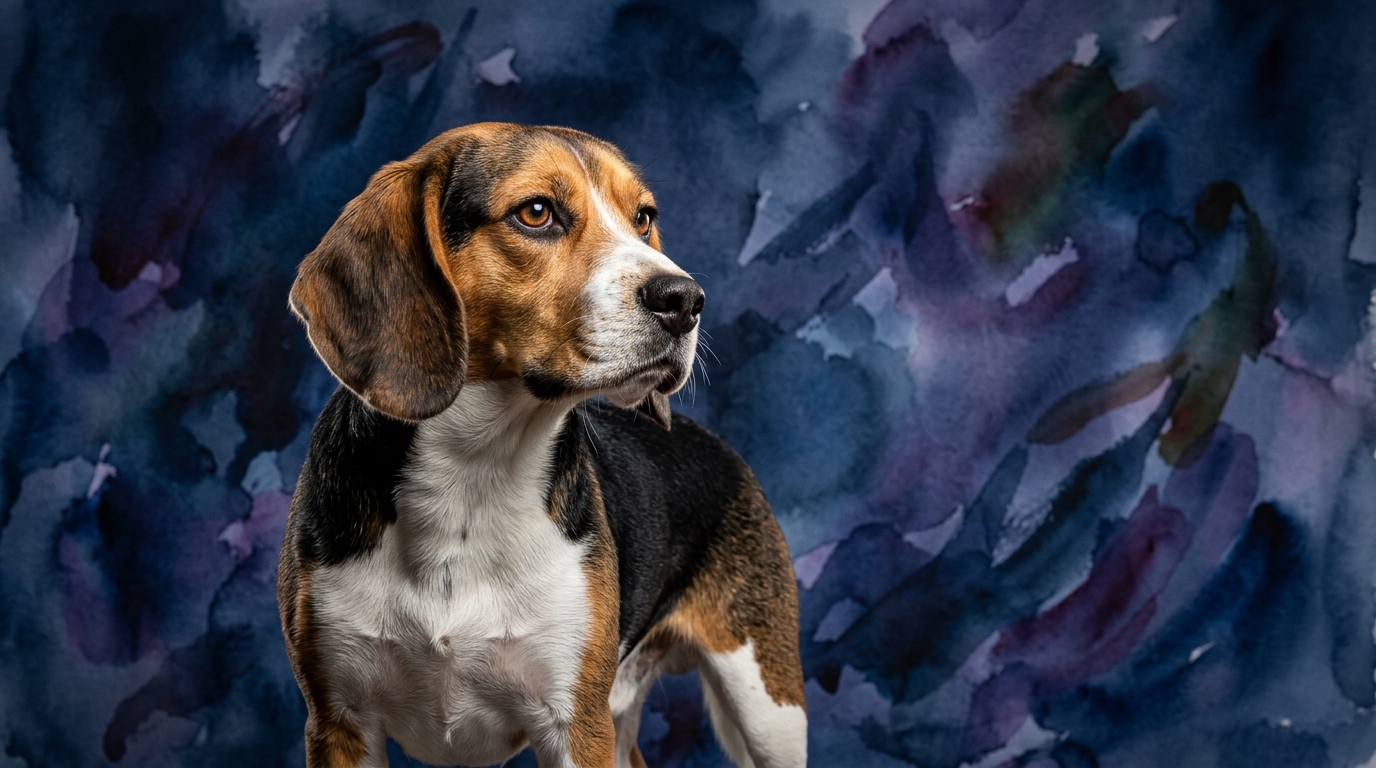
**Beagle (Hound, Coren rank #72)**: With a Problem Solving score of 4/5, Beagles demonstrate exceptional analytical abilities for scent-related tasks, expertly deciphering complex odor trails and overcoming environmental obstacles using their nose. Their Training Speed, however, is 2/5, reflecting an independent nature and strong olfactory focus that often overrides formal instruction. Social Intelligence at 3/5 allows for strong family bonds and basic human cue recognition, though their primary drive can sometimes overshadow social niceties. An Instinctive Drive of 5/5 highlights their relentless, innate urge to hunt and track, dictating much of their behavior. Finally, Memory at 4/5 is robust, particularly for recalling intricate scent patterns and locations of significant odors.
**Dogo Argentino (Working, Not Coren-ranked)**: The Dogo Argentino exhibits a practical Problem Solving ability of 3/5, focusing on environmental understanding, threat assessment, and actions aligned with their protective role. Their Training Speed of 3/5 indicates an average learning curve for formal commands, capable of absorbing tasks with consistent, clear guidance. Social Intelligence also scores 3/5, enabling deep, protective bonds, discernment of social hierarchies, and keen awareness of strangers. An Instinctive Drive of 3/5 means their protective and prey drives are present but generally more controlled and adaptable than a Beagle's, allowing for versatility. Memory at 3/5 is functional, supporting their ability to learn and adapt by retaining information about their environment and social structure, crucial for a guardian.
Where the Beagle Wins Cognitively
The Beagle's cognitive strengths lie profoundly in its olfactory processing and the intricate mental maps it constructs from scent. Its problem-solving score of 4/5 is a testament to its ability to unravel complex scent puzzles, following faint trails across varied terrains, often ignoring visual distractions entirely. This specialized skill is unparalleled, allowing them to discern individual scent signatures and track targets with remarkable persistence. Furthermore, their memory (4/5) is particularly robust for recalling these scent pathways and the locations of novel or significant odors, making them highly effective in tasks requiring sustained olfactory focus and recall. This intense, singular focus, driven by their perfect 5/5 instinctive drive, means their entire cognitive architecture is optimized for a specific, demanding task.
Where the Dogo Argentino Wins Cognitively
The Dogo Argentino, while not possessing a specialized cognitive superpower like the Beagle's nose, demonstrates a more balanced and adaptable intelligence, which contributes to its versatile working capabilities. Its training speed (3/5) surpasses the Beagle's (2/5), indicating a greater readiness to learn and execute human commands in a structured environment. This breed's moderate instinctive drive (3/5) means their natural urges, while present, are less likely to override human direction compared to the Beagle's overwhelming scent drive. This balance allows the Dogo Argentino to integrate various forms of input—visual, auditory, and social—into a coherent understanding of its environment, crucial for a guardian dog that needs to assess complex situations rather than follow a single instinct. Their social intelligence (3/5) is practical, enabling them to navigate complex family dynamics and understand subtle social cues, particularly those related to protection.
Which Is Easier to Train and Why
When considering ease of training, the Dogo Argentino generally presents a more straightforward path for an experienced owner, despite both breeds requiring dedicated effort. The Dogo Argentino's training speed of 3/5, combined with its moderate instinctive drive of 3/5, means it is more receptive to formal instruction and less likely to be completely derailed by environmental stimuli. They are eager to please their handler and possess a strong desire for a clear leadership structure, which, when provided consistently, facilitates learning and adherence to commands. In contrast, the Beagle's training speed of 2/5, coupled with an overwhelming instinctive drive of 5/5, presents a significant challenge. Their nose is their world, and once a compelling scent is detected, commands often become secondary, leading to what many perceive as stubbornness. While intelligent, their cognitive resources are heavily invested in scent work, making consistent obedience training an uphill battle against their primary biological imperative.
Which Suits Active Owners vs. Relaxed Owners
For truly active owners who thrive on outdoor adventures and engage in activities like hiking or scent work, the Beagle, despite its smaller stature, demands a highly active and engaged lifestyle that caters to its profound instinctive drive. Its relentless need to follow scents and explore means it requires extensive mental and physical exercise, often involving structured scent games or long, leash-secured walks where it can "work" its nose. A relaxed owner might struggle with the Beagle's boundless energy and single-minded pursuit of olfactory stimuli, potentially leading to frustration or destructive behaviors if its cognitive and physical needs are not met. The Dogo Argentino, while powerful and athletic, suits owners who are active and committed to consistent training and socialization, but perhaps with a different focus. Its moderate instinctive drive and balanced problem-solving mean it thrives with regular exercise, structured play, and mental engagement that reinforces its protective and loyal nature, making it a good fit for owners who enjoy purposeful activities and a strong bond, rather than purely high-octane, scent-driven pursuits. Owners seeking a truly relaxed, low-maintenance companion might find both breeds too demanding, but the Dogo Argentino's more balanced drive makes it potentially more adaptable to a less frenetic pace than a Beagle, provided its need for leadership and purpose is fulfilled.
The Verdict
Choose a Beagle if your lifestyle revolves around outdoor exploration, you appreciate a dog driven by an extraordinary sense of smell, and you're prepared for the dedicated, patient effort required to train a highly instinctual scent hound.
Opt for a Dogo Argentino if you seek a powerful, loyal guardian, are an experienced dog owner committed to consistent training and socialization, and desire a canine partner with balanced working intelligence and a strong bond.
🧠 Find Your Pet's IQ Score
Our Pet IQ Lab assessment covers 25+ tests across 5 cognitive dimensions — personalized to your breed.
Take the Full IQ Test →Frequently Asked Questions
Are Beagles difficult to train due to their intelligence?
Beagles are not difficult to train because of a lack of intelligence; rather, their profound instinctive drive for scent work often overrides their willingness to focus on human commands. Their cognitive strength lies in olfactory problem-solving, making traditional obedience training challenging unless it's made incredibly rewarding or integrated with scent games.
How does the Dogo Argentino's protective instinct relate to its social intelligence?
The Dogo Argentino's social intelligence allows it to discern appropriate social interactions and identify potential threats, directly informing its protective instincts. This means it can distinguish between a friendly visitor and an intruder, using its social awareness to decide when its guardian role is necessary, rather than reacting indiscriminately.
Can a Dogo Argentino be a good family dog despite its working breed background?
Yes, a Dogo Argentino can be an exceptional family dog, forming deep, loyal bonds with its human family, thanks to its moderate social intelligence and protective nature. However, early and extensive socialization, consistent training, and firm leadership are crucial to ensure its powerful instincts are channeled positively within a family environment.