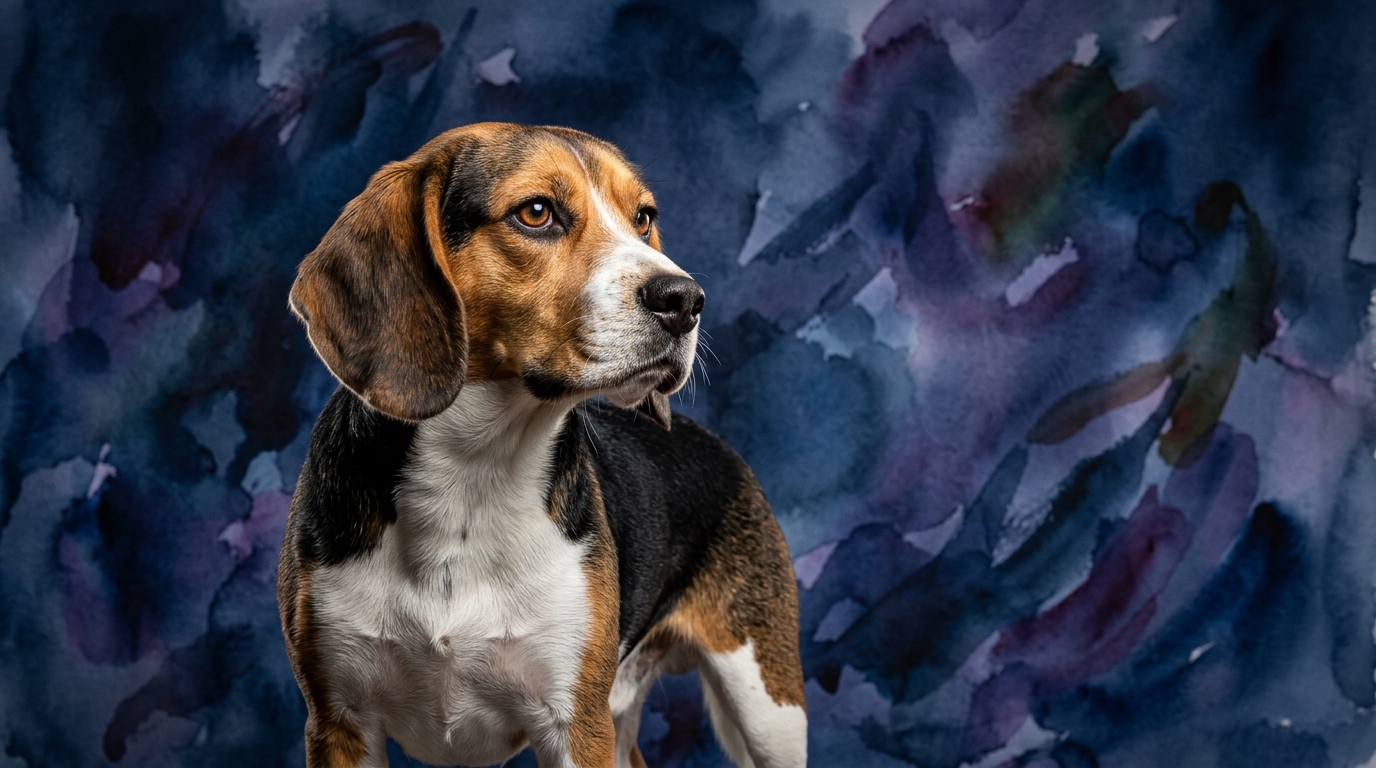
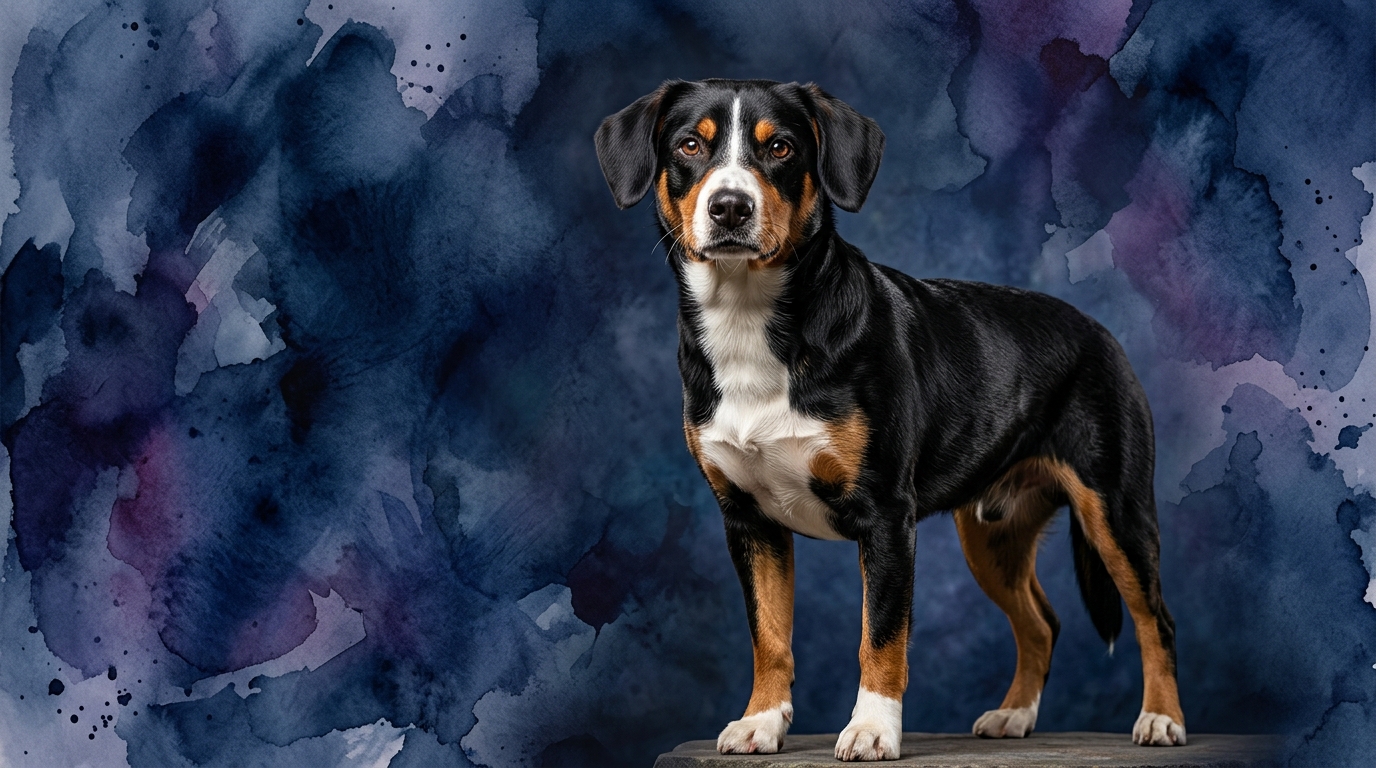
Side-by-Side IQ Profile: Beagle vs. Entlebucher
The Cosmic Pet Pet IQ Lab assesses canine intelligence across five crucial dimensions, offering a nuanced perspective on each breed’s inherent cognitive architecture.
The Beagle's Cognitive Canvas:
Problem Solving (4/5): The Beagle's problem-solving prowess is almost exclusively directed towards scent. They excel at deciphering complex scent trails, navigating obstacles to reach the source, or creatively figuring out how to access a hidden treat based on smell cues. Their solutions are often ingenious but highly specialized, rooted in their hound heritage.
Training Speed (2/5): This dimension highlights the Beagle's independent nature. While capable of learning, their overwhelming instinctive drive for scent often makes them slow to respond to human commands, especially when a compelling odor is present. Consistency and high-value rewards are paramount to capture their attention and facilitate learning.
Social Intelligence (3/5): Beagles are generally amiable and enjoy companionship, often fitting well into family dynamics and getting along with other dogs. Their social intelligence is geared towards pack cooperation during hunts, showing an ability to interact but perhaps less sensitivity to nuanced human emotional states compared to breeds bred for closer partnership.
Instinctive Drive (5/5): The Beagle's defining cognitive characteristic is its unparalleled instinctive drive for scent work. This drive dictates much of their behavior, overriding other stimuli and making them relentlessly pursue a trail once engaged. It's a powerful, inherent motivation that defines their purpose and focus.
Memory (4/5): Beagles possess an impressive memory, particularly for scent trails and locations associated with rewarding smells or past successes in tracking. They can recall complex scent patterns and the geography of previous hunts, demonstrating a specialized, long-term memory essential for their role as hounds.
Entlebucher Mountain Dog's Cognitive Landscape:
Problem Solving (3/5): Entlebuchers exhibit practical problem-solving skills, particularly in scenarios involving their herding or guarding roles. This might include strategizing how to move livestock efficiently, assessing environmental factors, or navigating complex terrains to complete a task. Their solutions are often task-oriented and grounded in their working purpose.
Training Speed (3/5): With a moderate training speed, Entlebuchers are capable learners who respond well to clear, consistent instruction. They possess an eagerness to engage and a desire to work with their handler, though they can display a streak of independence or stubbornness if they perceive a lack of leadership or purpose.
Social Intelligence (3/5): Entlebuchers are deeply loyal and form strong bonds with their families, displaying protective instincts. While they can be reserved or wary of strangers, their social intelligence within their trusted circle is robust, allowing them to understand family routines and anticipate needs, contributing to their role as dedicated companions.
Instinctive Drive (3/5): Their instinctive drive centers around herding and guarding. This manifests as a desire to keep their “flock” (family) together and safe, and a natural inclination to be watchful. While present, this drive is generally more manageable than the Beagle's all-consuming scent focus, allowing for more balanced interaction.
Memory (3/5): Entlebuchers have a solid memory for commands, routines, and the learned behaviors associated with their training and daily life. They recall specific tasks and the preferences of their human companions, contributing to their reliability and consistency as working dogs and family members.
Where the Beagle's Cognition Excels
The Beagle's undisputed cognitive advantage lies in its olfactory processing and persistence. Their ability to discriminate between myriad scents, follow a faint trail for miles over varied terrain, and filter out distractions to remain locked onto a single odor is a marvel of specialized cognition. This isn't just sniffing; it's an intricate process of identifying, analyzing, and mapping scent molecules. Furthermore, their relentless drive to pursue a scent, often to the exclusion of all else, demonstrates an unparalleled focus and intrinsic motivation towards a specific goal. This single-minded dedication, while sometimes challenging for owners trying to redirect them, is a testament to their profound cognitive commitment to their primary purpose. Their associative memory for scent-reward pairs is also exceptional, allowing them to quickly learn which smells lead to interesting discoveries or food, reinforcing their natural drive.
Where the Entlebucher Mountain Dog's Cognition Shines
The Entlebucher Mountain Dog excels in practical, applied intelligence, particularly within dynamic working environments. Their cognitive strengths are evident in their spatial reasoning and strategic decision-making in a herding context. They can intelligently assess the movement of livestock, anticipate their direction, and position themselves effectively to guide the flock without causing distress. This involves nuanced understanding of cause-and-effect and the ability to adapt tactics on the fly. Entlebuchers also display a superior capacity for understanding human intent and subtle cues, which is crucial for effective partnership in working roles. Their inherent self-control, combined with their ability to make independent judgments when necessary to protect their family or flock, showcases a balanced cognitive profile geared towards responsible guardianship and teamwork, a stark contrast to the Beagle’s scent-driven autonomy.
Trainability: Which Breed is Easier?
Evaluating ease of training reveals significant behavioral differences between these two breeds. The Entlebucher Mountain Dog generally presents as the more trainable option, primarily due to their moderate Training Speed (3/5) and a more balanced Instinctive Drive (3/5). Entlebuchers are often eager to please their family and thrive on having a job, making them responsive to positive reinforcement and consistent, clear guidance. While they possess an independent streak and require firm, fair leadership, their desire to work cooperatively with their handler means they are generally attentive and willing to learn new commands. In contrast, the Beagle is often perceived as more challenging to train, reflected in their lower Training Speed (2/5) and overwhelming Instinctive Drive (5/5). A Beagle's nose is their world, and when a compelling scent presents itself, their attention to human commands often vanishes. This “tuning out” behavior isn't defiance; it's their primary cognitive function overriding all other inputs. Training a Beagle demands immense patience, creativity in making rewards more enticing than the environment, and a deep understanding of their scent-driven motivations. Their independent problem-solving, focused on scent, often means they are less inclined to look to humans for direction when a trail is beckoning.
Active vs. Relaxed Owners: Finding the Right Match
Both breeds require active engagement, but their energy channels differ. The Beagle, despite its smaller size, is not suited for truly relaxed owners. Their profound instinctive drive (5/5) means they require consistent mental stimulation through scent games, long walks where they can safely explore smells, and a securely fenced yard to prevent them from following their nose into danger. Owners must be prepared to manage a dog whose primary motivation is external stimuli. A relaxed owner who cannot provide this outlet will likely find a Beagle creating its own, potentially destructive, entertainment. The Entlebucher Mountain Dog also demands an strong active lifestyle, fitting well with owners who enjoy structured activities. Their herding background means they thrive on having a purpose and excel in dog sports like agility, obedience, or hiking. While they possess a strong work ethic and need regular exercise to prevent boredom, an Entlebucher, once their physical and mental needs are met, can be a more settled and focused companion indoors than a Beagle perpetually seeking the next scent adventure. They are not for relaxed owners, but rather for active owners seeking a true partner in various endeavors.
The Verdict
Choose the Beagle if you are fascinated by canine olfactory prowess, enjoy engaging in scent work, and are prepared for a dog whose primary motivation is its nose, thriving in environments where this drive can be safely expressed.
Choose the Entlebucher Mountain Dog if you seek a loyal, protective working companion for structured activities, value a dog capable of understanding complex tasks, and are prepared to provide consistent leadership and mental engagement.
🧠 Find Your Pet's IQ Score
Our Pet IQ Lab assessment covers 25+ tests across 5 cognitive dimensions — personalized to your breed.
Take the Full IQ Test →Frequently Asked Questions
Are Beagles difficult to train?
Yes, Beagles can be quite challenging to train due to their powerful, independent scent drive, which often makes them prioritize following a trail over responding to human commands. They require significant patience, high-value rewards, and a deep understanding of their motivations.
Do Entlebucher Mountain Dogs need a lot of exercise?
Entlebucher Mountain Dogs are active working dogs that absolutely require a substantial amount of daily exercise and mental stimulation to thrive. They are best suited for active families who can provide consistent structured activities and a sense of purpose.
Which breed is better with children?
Both breeds can be wonderful with children, but their interactions differ. Beagles are generally friendly, playful, and tolerant, while Entlebuchers are loyal and protective of their family, though their herding instincts might lead to gentle nipping at heels if not properly managed through training.