Side-by-Side IQ Profile: Beagle vs. Kooikerhondje
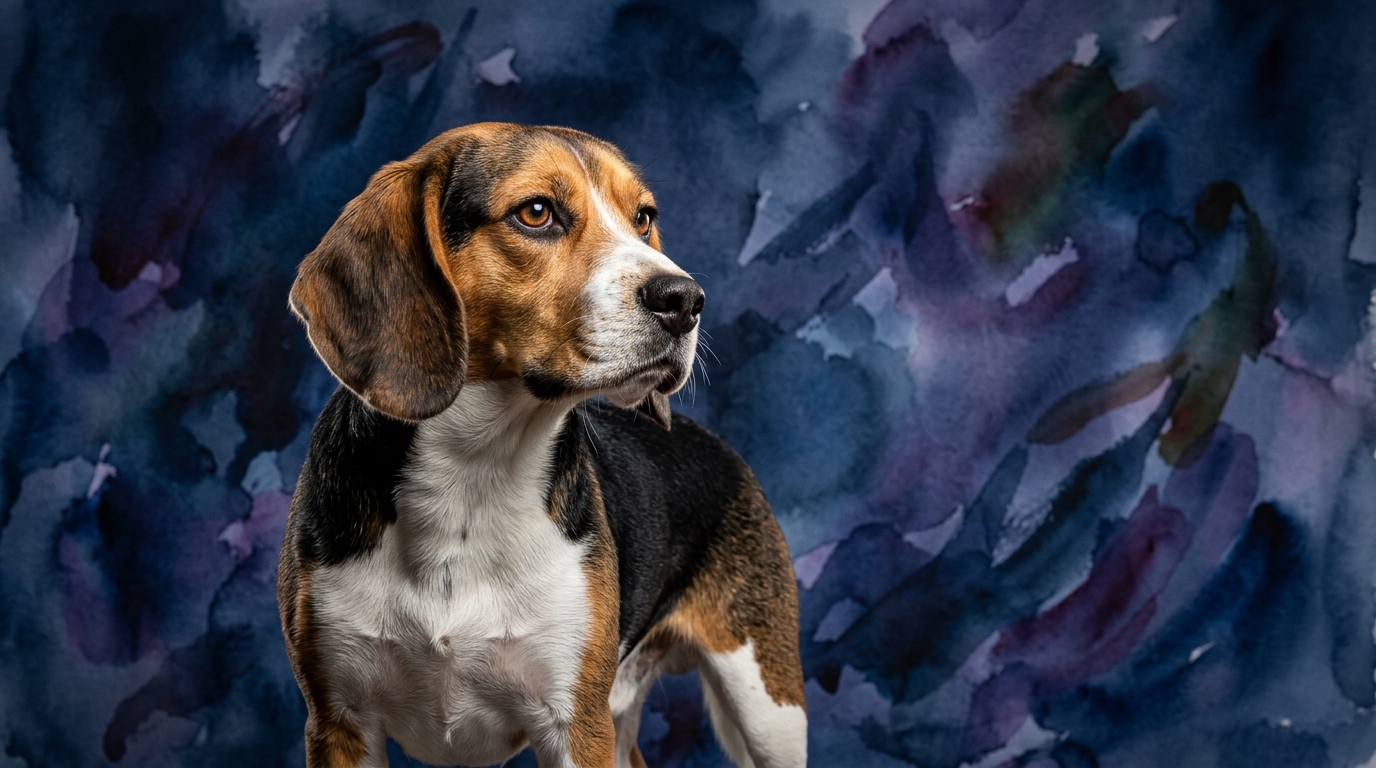
At The Cosmic Pet Pet IQ Lab, we evaluate canine cognition across five critical dimensions. The Beagle, a Hound breed with a Coren ranking of #72, presents a unique cognitive blueprint shaped by centuries of scent-tracking work. Its Problem Solving is rated 4/5, indicating an excellent capacity for figuring out how to achieve a goal, especially when a compelling scent is involved. Training Speed is 2/5; while capable of learning, their independent nature and focus on scent can make compliance slower. Social Intelligence stands at 3/5, reflecting general friendliness but sometimes prioritizing environmental exploration over complex human cues. Its Instinctive Drive is an exceptional 5/5, reflecting an intense, single-minded focus on scent work. Memory is strong at 4/5, particularly for locations and experiences tied to their olfactory world.
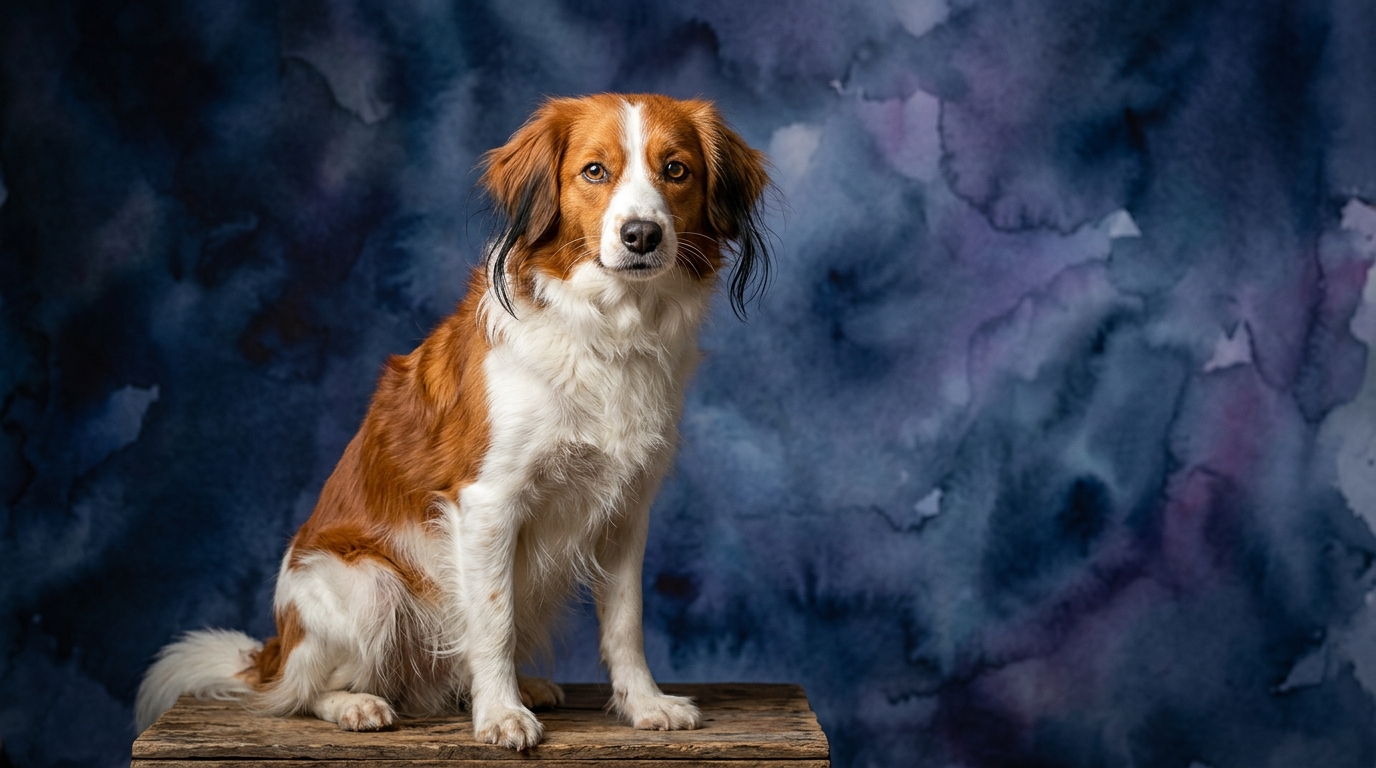
In contrast, the Kooikerhondje, a Sporting breed not specifically Coren-ranked, showcases a different set of cognitive strengths, influenced by its history as a duck-decoying companion. Its Problem Solving is rated 3/5, demonstrating solid ability to apply learned strategies, especially in tasks like retrieving. Training Speed is 3/5, indicating a moderate pace of learning and a generally cooperative attitude. Social Intelligence also scores 3/5, reflecting a capacity for strong family bonds and attentiveness to their owners, though they can be reserved with strangers. Instinctive Drive is a balanced 3/5, focused on tasks like quiet retrieving and working closely with a handler, rather than independent pursuit. Memory is 3/5, showing good retention of commands and routines, contributing to their reliability.
Where the Beagle Wins Cognitively
The Beagle’s cognitive architecture shines brightest in areas directly linked to its ancestral purpose. With a Problem Solving score of 4/5 compared to the Kooikerhondje’s 3/5, Beagles excel at figuring out ingenious ways to get what they want, particularly when a scent trail is involved or a forbidden snack is within reach. Their persistence in navigating obstacles, such as opening cabinet doors or bypassing secure gates to follow a compelling aroma, is a testament to their focused, goal-oriented problem-solving. This isn't merely about physical dexterity; it's a cognitive ability to strategize and persist, often outsmarting human-made barriers when a high-value olfactory reward is at stake.
Furthermore, the Beagle’s Instinctive Drive is an unparalleled 5/5, significantly higher than the Kooikerhondje’s 3/5. This isn't just a physical trait; it's a cognitive superpower. Their brains are exceptionally wired to process olfactory information with incredible detail, allowing them to differentiate subtle scent variations and pursue a trail with relentless, single-minded focus. This cognitive specialization makes them unparalleled in tasks like scent detection, tracking, or even finding lost items, leveraging a sensory world humans can barely perceive. Their Memory, rated 4/5, is also superior, especially for specific locations, scent profiles, and past experiences related to their hunting instincts, allowing them to recall where a particular interesting smell originated days later.
Where the Kooikerhondje Wins Cognitively
While the Beagle excels in its specialized scenting domain, the Kooikerhondje offers a more balanced and cooperative cognitive profile. Its Training Speed, at 3/5, surpasses the Beagle’s 2/5, indicating a generally quicker grasp of new commands and routines. This translates into a dog that is typically more attentive during lessons, less easily diverted by external stimuli, and quicker to form associations between commands and actions. Their eagerness to engage and work alongside their handler makes the learning process smoother and often faster for a wider range of tasks, from basic obedience to complex dog sports.
Though both breeds share a 3/5 Social Intelligence rating, the Kooikerhondje’s expression of this often manifests as a more attuned responsiveness to human cues and a desire for partnership in activities. They are frequently more sensitive to their owner's mood and intentions, which significantly aids in cooperative tasks like dog sports or complex obedience routines, where a Beagle might be more internally focused on environmental scents. This balanced instinctive drive and higher training speed translate into a more cooperative cognitive profile for tasks requiring human direction and precision, rather than independent pursuit, making them highly receptive to collaborative learning and interaction.
Which is Easier to Train, and Why?
When considering ease of training, the Kooikerhondje generally presents a more straightforward path for owners. Their moderate instinctive drive and higher training speed mean they are typically more focused on their handler and less prone to independent pursuits driven by overwhelming environmental stimuli. They are eager to please and respond well to positive reinforcement, making them more pliable and quicker to grasp new commands and behaviors. Their cognitive processing allows for a more consistent engagement with human instruction, leading to more predictable and efficient learning.
The Beagle, by contrast, presents a greater training challenge. Their unparalleled instinctive drive for scent often overrides their desire to comply with human commands. While they possess a strong memory for scents and locations, this, combined with a lower training speed, means they require immense consistency, patience, and creative, high-value motivators to keep them engaged. Behaviorally, a Beagle can become entirely engrossed in a scent, effectively 'tuning out' their handler and the surrounding environment. This 'nose-to-the-ground' focus means that while they remember commands, their priority often shifts to the scent, requiring extensive management and environmental control during training sessions. The Kooikerhondje’s more balanced instinctive drive means they are less likely to become completely absorbed by environmental distractions, maintaining better focus on their handler, which allows for quicker progression through training stages.
Suitability for Active vs. Relaxed Owners
Both breeds benefit from active engagement, though the nature of that activity differs significantly. For active owners, the Beagle suits those captivated by scent work, tracking, or long hikes in varied terrains, and who enjoy managing a dog with a powerful, independent streak. Their activity isn't necessarily about high-speed running but sustained, focused exploration driven by their nose. Owners must be prepared for their dog to follow its nose, potentially requiring secure fencing and leash training that accounts for their strong pull. Their ideal active owner embraces their unique cognitive wiring for scent, providing structured outlets rather than expecting a calm, sedentary companion.
The Kooikerhondje also suits active owners, particularly those who enjoy activities like agility, obedience, retrieving games, or long walks and hikes where the dog works closely alongside them. They thrive on having a job to do that involves partnership and mental engagement with their owner, making them excellent candidates for agility, rally, or even therapy work. For a moderately active owner, they offer a fulfilling balance of companionship and manageable energy, requiring consistent interaction but not necessarily extreme endurance activities. Neither breed is genuinely suited for a truly 'relaxed' owner in the sense of minimal engagement. A Beagle’s intense instinctive drive means they *need* outlets for their nose and energy, or they can become restless and potentially destructive. A Kooikerhondje, while more adaptable, still requires daily mental stimulation and physical activity to prevent boredom and maintain their cooperative nature.
The Verdict
Choose a Beagle if you are captivated by a dog with an unparalleled sense of smell, are prepared for a dog whose primary motivation is scent, and are willing to engage in activities like tracking or consistent, high-reward training to manage their independent nature.
Choose a Kooikerhondje if you seek a cooperative, responsive companion for dog sports or active family life, value a dog that learns readily and forms a close working partnership, and appreciate a balanced drive that is focused on engaging with you.
🧠 Find Your Pet's IQ Score
Our Pet IQ Lab assessment covers 25+ tests across 5 cognitive dimensions — personalized to your breed.
Take the Full IQ Test →Frequently Asked Questions
Is a Beagle difficult to train?
Beagles aren't 'difficult' in terms of learning capacity, but their strong instinctive drive for scent means training requires immense patience, consistency, and high-value rewards. Their focus is often on smells, making distractions a significant challenge to overcome during lessons.
Do Kooikerhondjes need a lot of exercise?
Kooikerhondjes are active dogs that thrive on regular physical activity and mental stimulation. Daily walks, playtime, and engaging in dog sports like agility or obedience are essential to keep them happy, well-behaved, and mentally engaged with their owners.
Which breed is better for a first-time dog owner?
A Kooikerhondje is generally more forgiving for a first-time owner due to its higher training speed and cooperative nature, making the learning process smoother. Beagles, while charming, require a more experienced hand to navigate their strong independent scent drive effectively.