A Side-by-Side Look at Cognitive Profiles
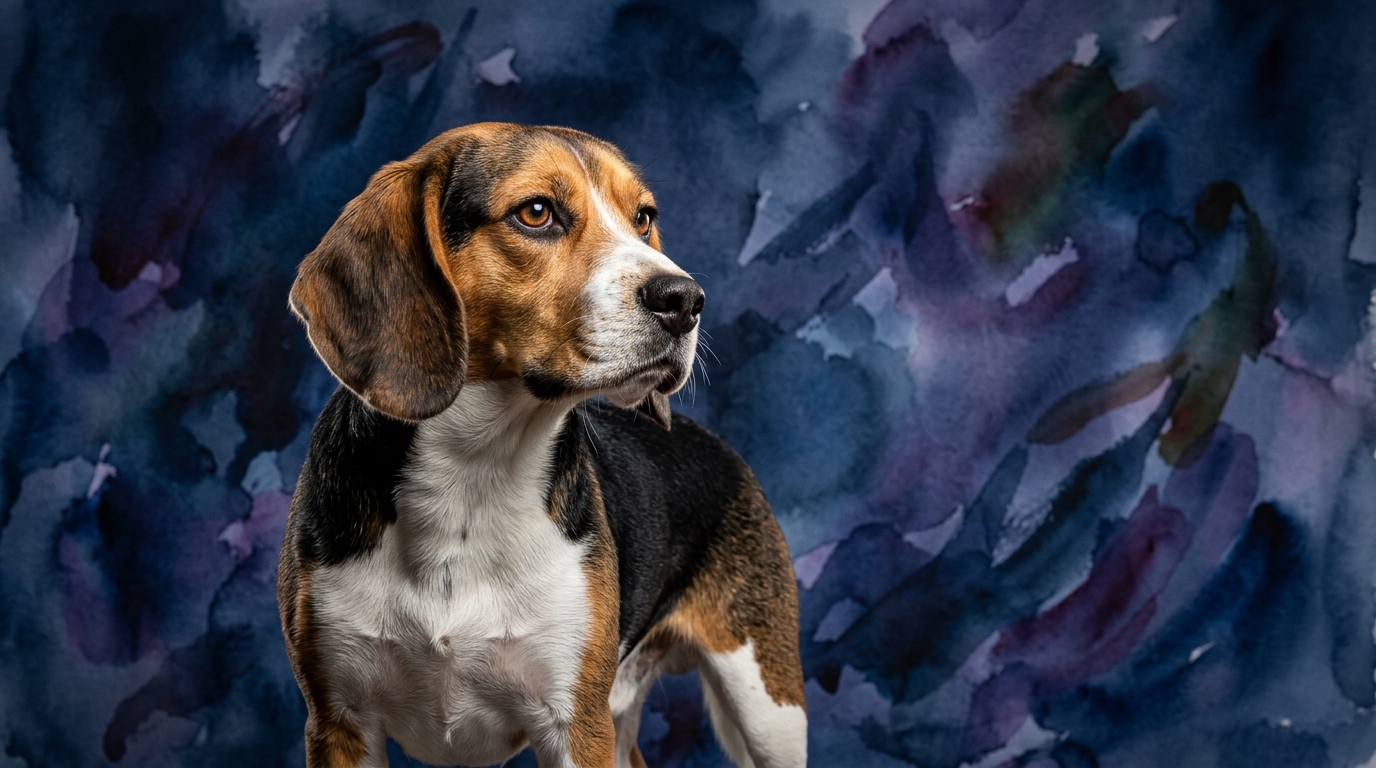
The Beagle, a Hound, wields a specialized cognitive toolkit honed for tracking. Our Lab data places their problem-solving at 4/5, primarily for scent-based challenges and navigating complex outdoor environments. This analytical skill intertwines with their exceptional instinctive drive, rated 5/5, which fuels relentless pursuit once a scent is engaged. Their mental energy focuses overwhelmingly on sensory input and the deductions needed to follow a path, making them adept at tasks leveraging olfactory prowess.
While their instinctual drive is powerful, the Beagle's training speed receives 2/5, indicating required consistent, patient effort for obedience. Their keen memory, 4/5, ensures lessons stick once ingrained, though initial acquisition can be slow due to independence and external focus. Social intelligence, 3/5, suggests they form bonds and understand cues, but often prioritize environment over human companions, especially with compelling scents. This balance makes them engaging yet sometimes self-directed.
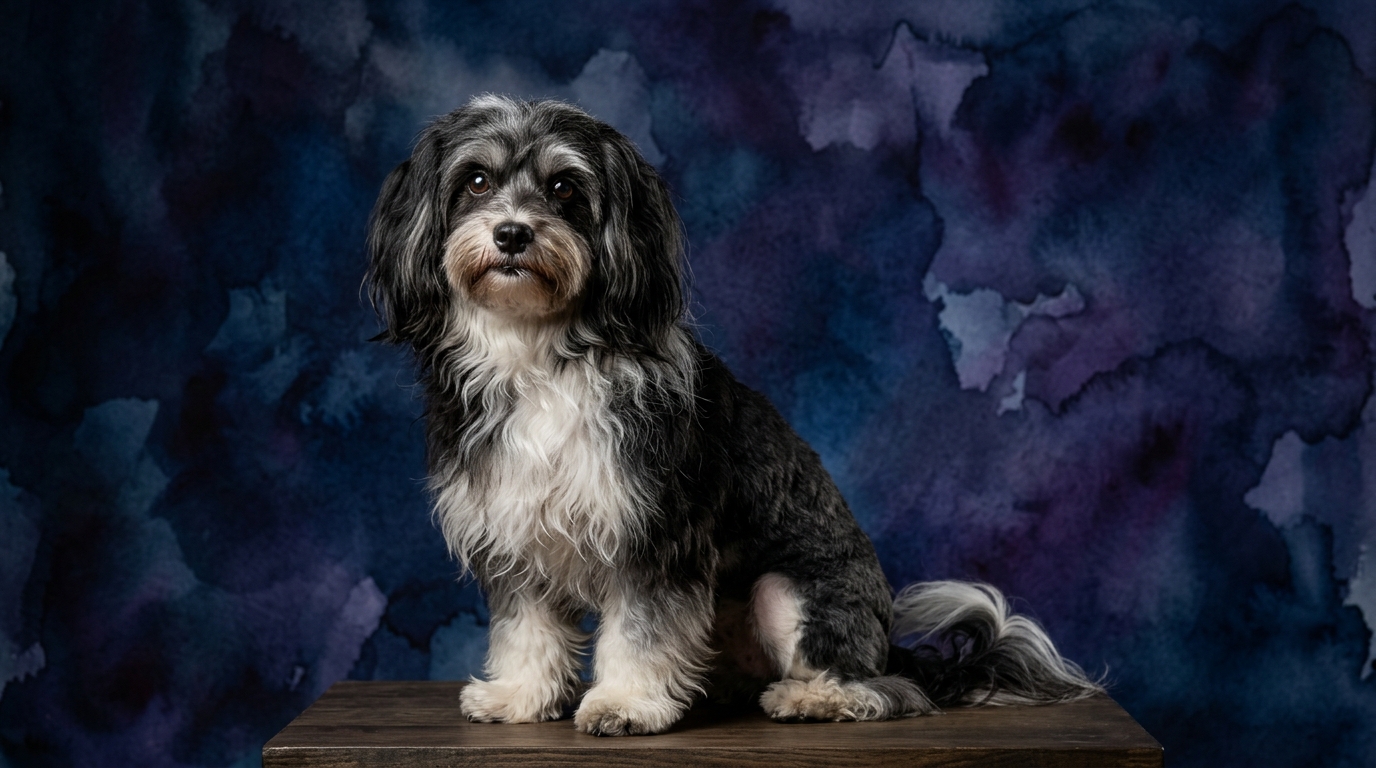
The Löwchen, from the Non-Sporting group, presents a different cognitive blueprint, reflecting its companion history. Problem-solving scores 3/5, indicating an ability to navigate typical household challenges and learn routines, without intense focus. Instinctive drive, also 3/5, gears more towards social interaction and play than specialized tasks. This balanced drive means less compulsion from singular instincts, allowing for broader interests and responsiveness in a domestic setting.
The Löwchen shines in its balanced approach to learning. Training speed is 3/5, suggesting a moderate acquisition pace, responsive to positive reinforcement and clear guidance. Social intelligence, 3/5, points to good capacity for understanding human emotions and intentions, making them attuned to family dynamics. Memory, 3/5, supports retention of learned behaviors and routines, contributing to adaptability. This profile paints a picture of a dog that learns steadily and engages readily with its human family.
Where the Beagle's Mind Excels
The Beagle’s cognitive strengths are undeniably rooted in olfactory capabilities and accompanying intricate problem-solving. With 4/5 in problem-solving and 5/5 in instinctive drive, a Beagle's mind truly activates with complex scent puzzles. They excel at tasks requiring sustained focus on subtle trails, deciphering overlapping odors, and navigating varied terrains to locate objects or follow paths. This isn't just sniffing; it’s sophisticated elimination, scent dispersal pattern recognition, and memory recall of past scent experiences. Observing a Beagle at work reveals deep, analytical engagement with their environment, a testament to specialized intelligence.
Their 4/5 memory significantly contributes to this prowess. A Beagle remembers specific scent profiles, frequently explored area layouts, and trail nuances from hours or days prior. This strong memory isn't just for commands, but for mapping their world through scent, allowing them to pick up where they left off or anticipate scent direction. This makes them exceptional at scent work trials, tracking, or navigating parks with unparalleled olfactory understanding. Their cognitive architecture is built for the hunt, making them masters of their sensory domain.
Where the Löwchen's Mind Shines
The Löwchen's cognitive advantages lie in its balanced intelligence, particularly training speed and social acumen. With 3/5 in training speed, they generally pick up commands and routines quicker than a Beagle, especially with direct human interaction. This moderate, consistent learning pace allows smooth adaptation to various living situations and family dynamics. Unlike the Beagle's singular scent focus, the Löwchen's attention is more available for human-initiated learning, making them highly responsive domestically. They are less distracted by external stimuli, preferring immediate social circles.
Their 3/5 social intelligence, combined with moderate instinctive drive, means Löwchens are adept at reading human body language and vocal tones. They often anticipate needs and respond well to emotional cues, making them highly attuned companions. This strength translates into a dog that integrates seamlessly into family life, seeking interaction and enjoying collaborative activities. While not complex scent-solvers, their strength is solving social puzzles – understanding human desires, playfulness, or comfort needs. Their memory, 3/5, supports recall of past interactions and consistent social behaviors.
Training Dynamics: Beagles vs. Löwchens
Training a Beagle, with its 2/5 training speed, demands a specific approach. Their profound instinctive drive (5/5) means easy diversion by compelling scents. A Beagle might halt a 'sit' command if a distant rabbit trail captivates their attention, effectively 'shutting off' responsiveness. Memory (4/5) ensures retention once learned, but initial acquisition battles innate impulses. Positive reinforcement must be exceptionally high-value and swift to compete with the olfactory world's allure. Consistency and patience are paramount; off-leash reliability is challenging due to independent, scent-driven decision-making.
In contrast, the Löwchen's 3/5 training speed and balanced instinctive drive (3/5) generally make them more amenable to obedience training. They are less prone to single-minded distractions and more inclined to focus on human direction. Social intelligence (3/5) means they genuinely enjoy training sessions, motivated by praise and connection. While not lightning-fast learners, their steady progress and willingness to please make them rewarding students. They respond well to varied methods, eager to master new tricks, suitable for novice owners or those seeking easy integration into structured routines.
Ideal Lifestyles: Active Explorers vs. Engaged Companions
For active owners, especially those enjoying outdoor adventures or canine sports, the Beagle offers a stimulating partnership. High instinctive drive and superior scent-based problem-solving mean they thrive with outlets for natural talents. Activities like scent work, tracking, or long walks in varied environments engaging their nose are vital mental stimulation. Owners appreciating an independent, curious spirit and prepared to manage a strong prey drive will find the Beagle fascinating. They require consistent engagement appealing to unique cognitive strengths, preventing boredom and mischief.
The Löwchen, conversely, suits relaxed owners prioritizing companionship and indoor engagement. Their balanced cognitive profile and moderate instinctive drive mean contentment with regular walks, interactive play, and integral family life. They enjoy learning new tricks and participating in family activities, valuing social interaction over solitary exploration. Social intelligence makes them excellent therapy dogs or family pets thriving on close human connection. Owners seeking a responsive, adaptable, affectionate dog less prone to wanderlust and more focused on home dynamics will find the Löwchen a delightful match. Their cognitive strengths align perfectly with a comfortable, companion-centric lifestyle.
The Verdict
Choose a Beagle if you are an active individual or family eager to engage a dog's profound scenting abilities and independent problem-solving skills in outdoor adventures and structured scent work.
Opt for a Löwchen if you seek a responsive, adaptable companion who thrives on close social interaction, enjoys moderate activity, and integrates smoothly into a relaxed family environment.
🧠 Find Your Pet's IQ Score
Our Pet IQ Lab assessment covers 25+ tests across 5 cognitive dimensions — personalized to your breed.
Take the Full IQ Test →Frequently Asked Questions
Is a Beagle good for a first-time dog owner?
A Beagle can be challenging for a first-time owner due to their high instinctive drive and potential training difficulties. Their strong independent nature and scent focus require consistent, patient training and a secure environment to prevent wandering.
Are Löwchens difficult to train?
Löwchens are generally not difficult to train, scoring a 3/5 in training speed, indicating moderate responsiveness. They enjoy social interaction and respond well to positive reinforcement, making them good candidates for various obedience and trick training.
Which breed is more prone to wandering?
The Beagle, with its 5/5 instinctive drive and specialized scenting abilities, is significantly more prone to wandering, often following interesting scent trails. Löwchens, with a more moderate 3/5 instinctive drive, are less likely to stray far from their owners.