A Side-by-Side Cognitive Profile
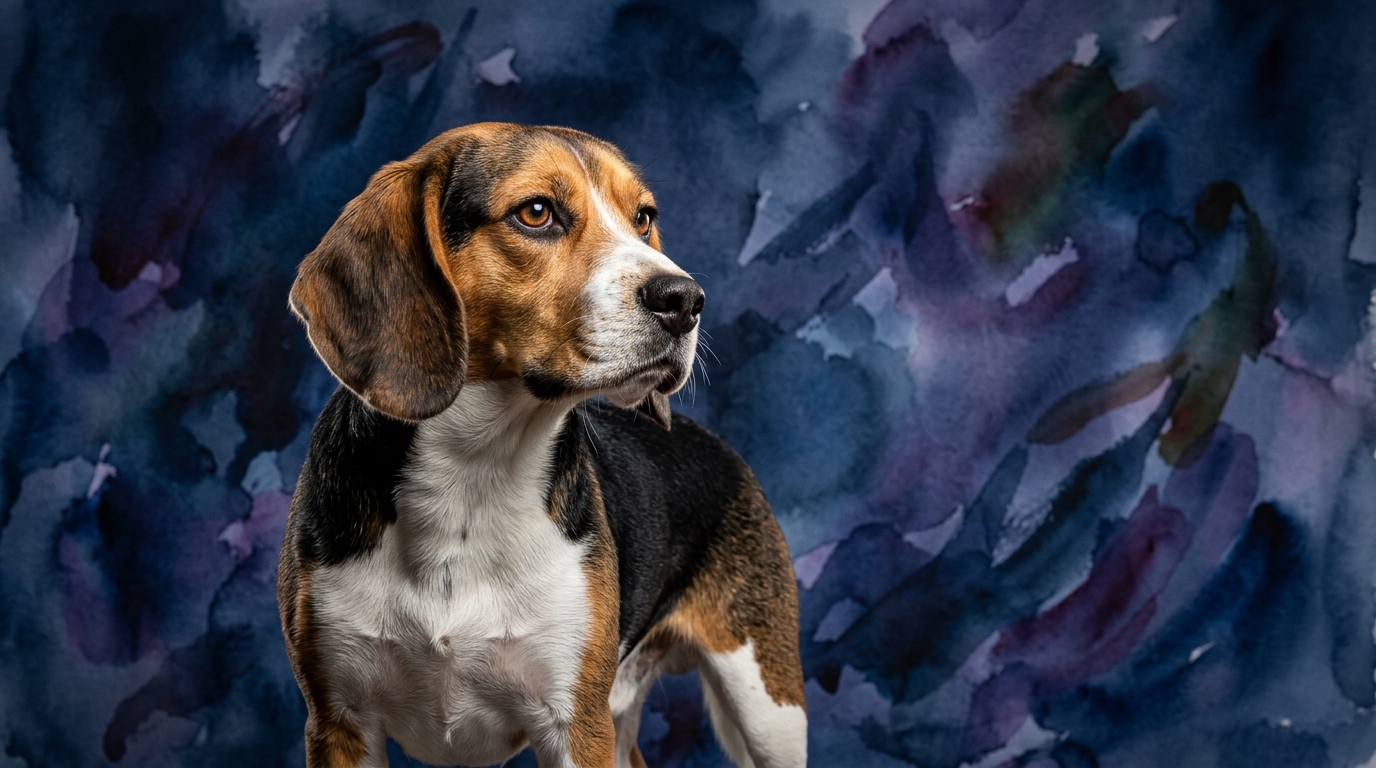
At The Cosmic Pet Pet IQ Lab, we evaluate canine cognition across five critical dimensions: problem solving, training speed, social intelligence, instinctive drive, and memory. The Beagle, a compact hound, holds a Coren rank of #72, indicating a specific set of cognitive aptitudes. Its problem-solving score is 4/5, suggesting a strong capacity for navigating complex situations, especially those involving scent. Training speed for the Beagle registers at 2/5, reflecting a potential challenge in prompt obedience. Social intelligence sits at 3/5, indicating moderate adaptability in group dynamics. Crucially, its instinctive drive is a robust 5/5, a testament to its powerful scenting heritage, complemented by a solid memory score of 4/5, enabling it to recall intricate scent trails or learned behaviors.
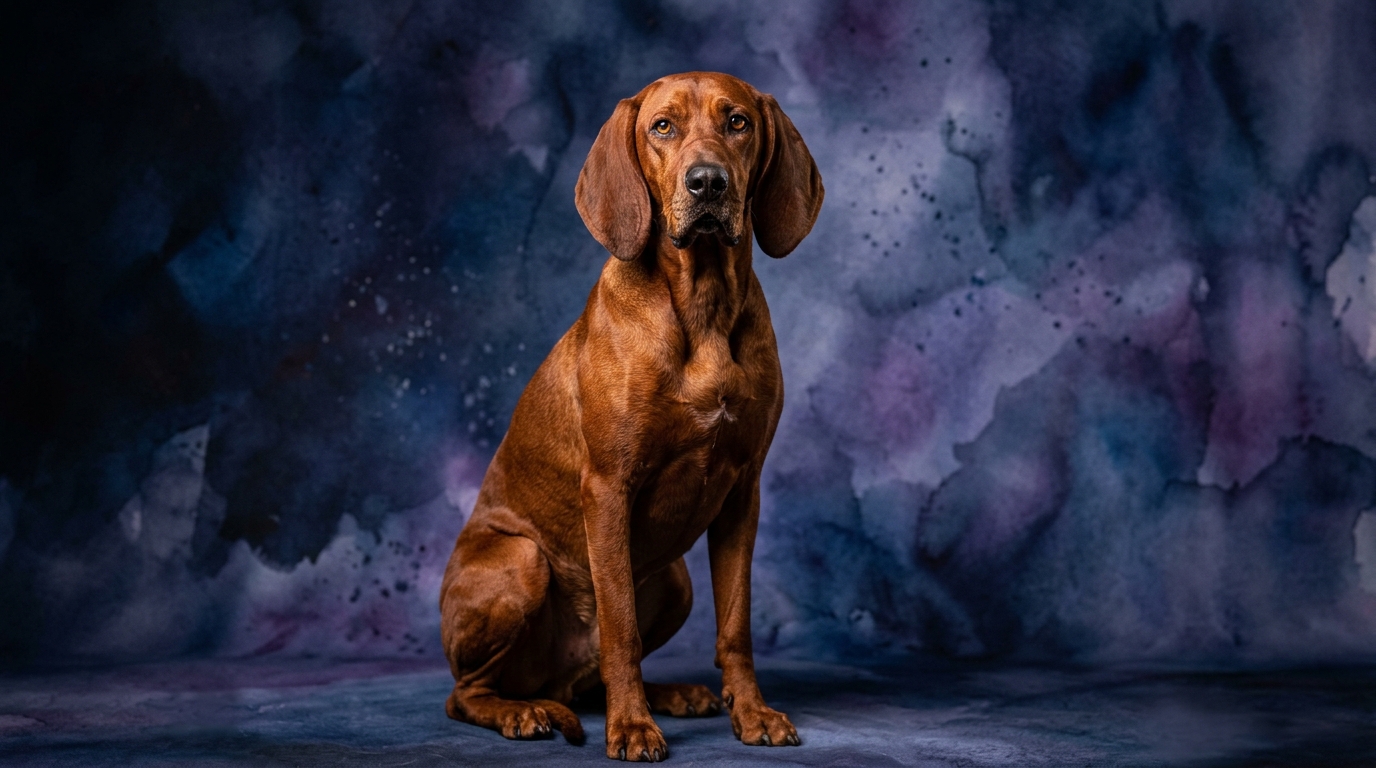
The Redbone Coonhound, while not included in Coren's traditional rankings, presents a more balanced cognitive profile across our metrics. Its problem-solving ability is rated 3/5, indicating competence but perhaps less independent ingenuity compared to the Beagle. Training speed for the Redbone Coonhound is 3/5, a slightly more amenable score than its Beagle counterpart, suggesting a more straightforward training experience. Social intelligence also stands at 3/5, mirroring the Beagle's adaptability in social contexts. Its instinctive drive is 3/5, robust enough for its working purposes but not as singularly intense as the Beagle's. Finally, its memory score is 3/5, indicating a reliable capacity for recall, though perhaps not with the same depth as a Beagle’s scent-oriented memory.
Where the Beagle's Mind Shines
The Beagle demonstrates a clear cognitive advantage in two primary areas: problem solving and instinctive drive. With a 4/5 for problem solving, the Beagle exhibits a remarkable aptitude for navigating intricate scent puzzles, a trait honed over centuries of tracking small game. This isn't just about following a line; it involves interpreting fading scents, distinguishing multiple trails, and strategizing to locate the source, often independently. Their intense 5/5 instinctive drive fuels this problem-solving, making them relentlessly focused on a scent task, undeterred by distractions that might break the concentration of other breeds. This drive translates into an almost obsessive dedication to their nose work, allowing them to persistently unravel olfactory mysteries.
Furthermore, the Beagle's 4/5 memory score provides a significant cognitive edge, particularly in the context of their instinctive drive. This robust memory allows them to recall specific scent profiles, successful past tracking strategies, or the location of previously encountered game. For instance, a Beagle might remember a particular rabbit's escape route from a previous hunt, applying that stored knowledge to future pursuits. This combination of high problem-solving, extreme instinctive drive, and strong memory makes the Beagle a formidable and tenacious tracker, capable of complex cognitive work when engaged in activities that leverage its natural inclinations.
Redbone Coonhound's Cognitive Strengths
While the Redbone Coonhound's individual scores might not reach the Beagle's peak in every category, its balanced cognitive profile presents a unique set of strengths, particularly in adaptability and consistent receptiveness. The Redbone's 3/5 rating for training speed, for instance, is a notable step above the Beagle's 2/5. This suggests a more consistent willingness to engage with and respond to human instruction, making the initial stages of obedience training potentially smoother. Their problem-solving at 3/5, while not as high as the Beagle's, indicates a practical intelligence that is sufficient for their coonhunting tasks, often involving treeing game rather than purely intricate ground tracking.
The Redbone Coonhound's more moderate 3/5 instinctive drive, compared to the Beagle's 5/5, can also be a cognitive advantage in a domestic setting. This isn't to say they lack drive, but rather that it's less all-consuming. This allows for a more flexible cognitive focus, where they can transition more readily between scent work and other activities or human-directed tasks. Their consistent 3/5 across social intelligence and memory suggests a reliable, well-rounded cognitive capacity that makes them generally agreeable and capable of retaining a broad range of information, rather than being singularly focused on olfactory pursuits.
Training Dynamics: A Tale of Two Hounds
When it comes to ease of training, the Redbone Coonhound generally presents a more straightforward experience than the Beagle. The Redbone's training speed rating of 3/5, versus the Beagle's 2/5, directly reflects this. The primary reason for this difference lies in their instinctive drives. The Beagle's intense 5/5 instinctive drive means its nose often dictates its actions, making it prone to 'selective deafness' when a compelling scent takes precedence over a human command. For example, a Beagle might be mid-recall, but if it catches a strong scent, its cognitive focus will immediately shift to tracking, making it challenging to redirect.
In contrast, the Redbone Coonhound's more moderate 3/5 instinctive drive allows for better focus on its handler. While still a scent hound, its drive is less singularly overwhelming, meaning it's often more receptive to consistent training and positive reinforcement. A Redbone might be less likely to completely abandon a command for a scent, offering a larger window for successful intervention and redirection. This behavioral difference means that while both breeds require patience and consistency, the Redbone's cognitive framework often makes it a more willing and attentive pupil in general obedience contexts.
Matching Canine Cognition to Lifestyle
The cognitive profiles of these two hounds offer clear insights into which lifestyle they might best suit. The Beagle, with its extremely high instinctive drive (5/5), strong problem-solving (4/5), and robust memory (4/5), thrives with active owners who can channel its intense mental and physical energy. These dogs require consistent mental stimulation, often in the form of scent work, puzzle toys that engage their olfactory skills, or regular, varied outdoor excursions that allow them to explore with their nose. Relaxed owners might find the Beagle's relentless pursuit of scent and its independent problem-solving frustrating if not adequately managed, as this can lead to behaviors like wandering or persistent vocalizations.
The Redbone Coonhound, presenting a more balanced cognitive spread (mostly 3/5 across categories, with a slightly better training speed), is also an active dog but may be more adaptable to a wider range of active owner types. While they certainly enjoy and benefit from scent work and vigorous outdoor activity, their more moderate instinctive drive and better training speed mean they can often transition more easily between focused work and relaxed companion time. They suit owners who enjoy an active lifestyle but also appreciate a dog that can settle down more readily. Owners seeking a dog that can engage in various activities, from hiking to some basic obedience sports, might find the Redbone's adaptable cognition a better fit than the Beagle's more specialized drive.
The Verdict: Choosing Your Companion
Choosing between a Beagle and a Redbone Coonhound hinges on understanding their distinct cognitive strengths and how they align with your lifestyle. If you are an active owner specifically seeking a tenacious, scent-driven companion for dedicated nose work, tracking, or simply enjoy a dog with an unshakeable focus on olfactory exploration, the Beagle's intense instinctive drive, superior problem-solving, and memory make it an ideal match. You must be prepared to consistently engage their powerful cognitive engines.
Conversely, if you're an active owner who appreciates a strong working dog but desires a slightly more adaptable and generally more biddable companion, the Redbone Coonhound's balanced cognitive profile might be more appropriate. Its better training speed and more moderate drives suggest a dog that, while still requiring significant activity, can integrate more smoothly into a varied family routine, offering a blend of working dog capability and companionable ease.
The Verdict
Choose the Beagle if you are an active owner passionate about scent work and prepared to channel a singularly focused, high-drive cognitive powerhouse with consistent engagement and enrichment.
Opt for the Redbone Coonhound if you seek an active, adaptable companion with a balanced cognitive profile, offering a more amenable training experience and a slightly less intense, yet still capable, working drive.
🧠 Find Your Pet's IQ Score
Our Pet IQ Lab assessment covers 25+ tests across 5 cognitive dimensions — personalized to your breed.
Take the Full IQ Test →Frequently Asked Questions
Which breed is better for first-time dog owners?
Neither breed is typically recommended for completely novice owners due to their strong hound instincts. However, the Redbone Coonhound, with its slightly better training speed and more moderate instinctive drive, might present fewer initial challenges for an owner committed to consistent training, compared to the Beagle's intense, often independent, olfactory focus.
Do Beagles and Redbone Coonhounds get along with other pets?
Both breeds generally possess good social intelligence (3/5), allowing them to typically coexist peacefully with other pets, especially if socialized from a young age. However, their strong prey drives, particularly in the Beagle, mean that smaller, non-canine pets should always be introduced cautiously and supervised.
Which breed requires more mental stimulation?
While both require significant mental engagement, the Beagle's extreme 5/5 instinctive drive and 4/5 problem-solving often demand more consistent and specific mental stimulation, primarily through scent-based activities, to prevent boredom and undesirable behaviors. The Redbone Coonhound, with its more balanced drives, benefits from varied stimulation but might not require the same intensity of singular focus as the Beagle.