
Side-by-Side IQ Profile: Hound vs. Hero
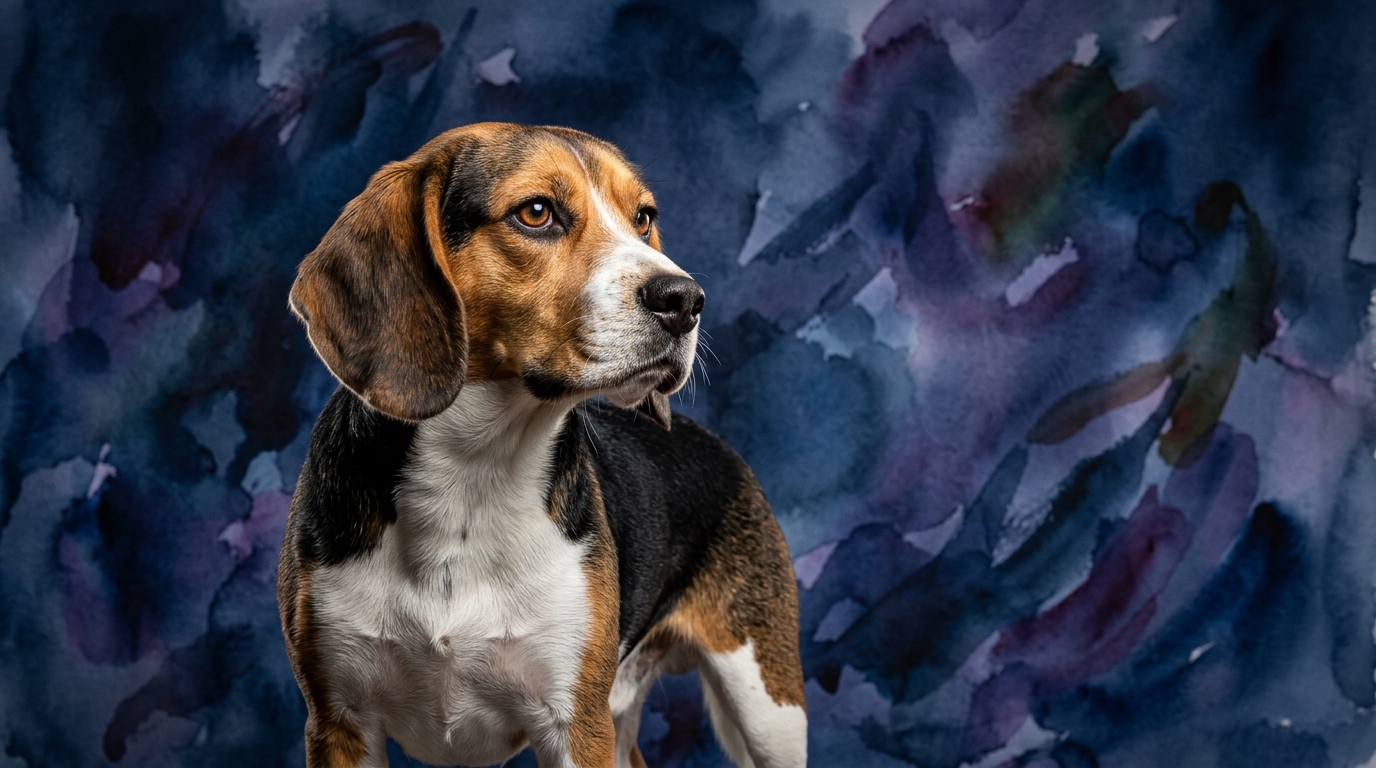
The Beagle, a member of the Hound group with a Coren rank of #72, presents a cognitive profile heavily influenced by its heritage as a scent hound. Its Problem Solving is rated at 4/5, indicating a strong capacity for navigating complex environments, particularly when driven by scent. Training Speed is 2/5, suggesting that while they can learn, their independent nature often makes rapid obedience a challenge. Social Intelligence stands at 3/5; Beagles are amiable but can be more attuned to their olfactory world than subtle human cues. Their Instinctive Drive is a perfect 5/5, an unyielding urge to track and explore scents, which defines much of their behavior. Finally, Memory is 4/5, allowing them to recall intricate scent patterns and the rewards associated with successful tracking.
The Saint Bernard, a Working group dog with a Coren rank of #65, offers a different intellectual blueprint. Its Problem Solving score is 3/5, demonstrating a deliberate approach to tasks, often preferring clear guidance over independent exploration. Training Speed, like the Beagle, is 2/5, reflecting a steady, rather than quick, learning pace influenced by their size and gentle stubbornness. Social Intelligence is higher at 4/5, highlighting their profound empathy and connection with humans. Instinctive Drive is also 5/5, but manifested in guardianship and companionship rather than tracking. Memory is 3/5, solid for routines and social interactions, contributing to their dependable nature.
Where the Beagle's Mind Shines
The Beagle's cognitive strengths distinctly lie in their exceptional problem-solving abilities within a scent-rich context and their impressive memory for these sensory details. With a Problem Solving score of 4/5, they demonstrate a remarkable capacity for independent thought when tracking, meticulously deciphering complex scent puzzles that would overwhelm many other breeds. This isn't about abstract logic, but a highly specialized form of intelligence; they can follow faint trails, differentiate between multiple scents, and persist until the source is found, showcasing a deep understanding of their olfactory world. Their Memory score of 4/5 further reinforces this, allowing them to recall specific scent profiles, the layout of previously explored areas, and the learned strategies for successful foraging or tracking, making them relentless and effective in their primary purpose.
The Saint Bernard's Cognitive Edge
The Saint Bernard distinguishes itself with superior social intelligence and a powerful, people-oriented instinctive drive, scoring 4/5 in Social Intelligence. Unlike the Beagle's more self-directed pursuit, the Saint Bernard's cognitive framework is deeply integrated with its human companions. They possess an innate ability to read subtle cues, understand emotional nuances, and respond with empathy, making them incredibly perceptive family members. This high social IQ translates into a dog that not only understands commands but also the intent behind them, fostering a profound bond. Their Instinctive Drive, also a 5/5, is channelled towards guardianship and companionship, motivating them to be gentle, protective, and reliable, historically aiding in rescue operations by instinctively understanding and responding to human distress.
Training Dynamics: Patience is Key for Both
Both the Beagle and the Saint Bernard share a Training Speed score of 2/5, indicating that neither is inherently quick to pick up new commands or highly compliant by nature. For Beagles, the challenge stems primarily from their overwhelming Instinctive Drive (5/5) to follow scents. A Beagle's nose often dictates its attention, making it difficult to divert their focus from an intriguing odor to a human command, requiring owners to compete with a powerful, innate urge. Their independent problem-solving (4/5) also means they might try to figure things out their own way rather than simply obeying.
In contrast, the Saint Bernard's training pace is influenced by their deliberate nature and immense physical presence. While they possess a higher Social Intelligence (4/5) and a strong desire to please, their sheer size can make even simple maneuvers require more effort and time. Their historical role as working dogs means they are capable of learning complex tasks, but they respond best to calm, consistent, and positive reinforcement, rather than rapid-fire commands or harsh corrections, which can make them shut down. Despite the Coren rank difference (Saint Bernard #65 vs. Beagle #72), which suggests the Saint Bernard is marginally more responsive to obedience, both breeds demand patience, consistency, and an understanding of their unique motivations to achieve reliable training outcomes.
Matching Minds to Lifestyles: Active vs. Relaxed Owners
For the active owner seeking a canine companion with boundless energy and a keen sense of adventure, the Beagle is often the superior choice. Their high Instinctive Drive (5/5) and Problem Solving (4/5) make them ideal for activities like scent work, hiking, or long walks where their formidable nose can be put to good use. Beagles thrive in environments that offer mental stimulation through exploration and physical exertion, requiring consistent engagement to prevent boredom and destructive behaviors. They are dogs that need a "job" for their nose, and owners who can provide this will find a rewarding partnership.
Conversely, the Saint Bernard is better suited for relaxed owners who appreciate a calm, gentle giant and a strong, empathetic bond. While they require regular, moderate exercise to maintain health, their daily needs don't typically involve the same high-intensity, extended activities as a Beagle. Their high Social Intelligence (4/5) means they thrive on close family interaction and derive satisfaction from being a steadfast, comforting presence. Owners who value a loyal, patient, and affectionate companion who will happily share a quiet evening at home after a leisurely stroll will find the Saint Bernard a perfect match, provided they can accommodate their substantial size and grooming needs.
The Verdict
Opt for a Beagle if you are an active individual or family seeking a curious, scent-driven companion who thrives on exploration and independent problem-solving, and you are prepared for consistent, patient training to channel their strong instincts. They are best for those who can provide ample opportunities for scent work and vigorous outdoor activity.
Select a Saint Bernard if you desire a calm, empathetic, and profoundly loyal companion who excels in social interaction and offers unwavering affection, and you are prepared for their deliberate training pace and significant size. They are ideal for owners who value a gentle giant and can provide a stable, loving home with moderate exercise.
🧠 Find Your Pet's IQ Score
Our Pet IQ Lab assessment covers 25+ tests across 5 cognitive dimensions — personalized to your breed.
Take the Full IQ Test →Frequently Asked Questions
Is a Beagle or Saint Bernard better with children?
The Saint Bernard, with its 4/5 Social Intelligence and gentle disposition, often makes a more naturally patient and protective companion for children. Beagles are generally good-natured, but their strong scent drive can make them more prone to independent exploration than constant supervision of small children.
Which breed is more prone to separation anxiety?
While both breeds can develop separation anxiety, the Saint Bernard's higher social intelligence and strong bond with its family might make it more susceptible to distress when left alone for extended periods. Beagles, with their independent hunting heritage, can often cope better, though they still require companionship and stimulation.
Do Beagles or Saint Bernards require more mental stimulation?
Beagles generally require more consistent mental stimulation, particularly through scent work and problem-solving activities, due to their 4/5 Problem Solving and 5/5 Instinctive Drive. Saint Bernards benefit from mental engagement, but their needs are often met through social interaction and consistent training rather than complex independent tasks.