The Cosmic Pet IQ Lab Profiles: Beagle vs. Shiba Inu
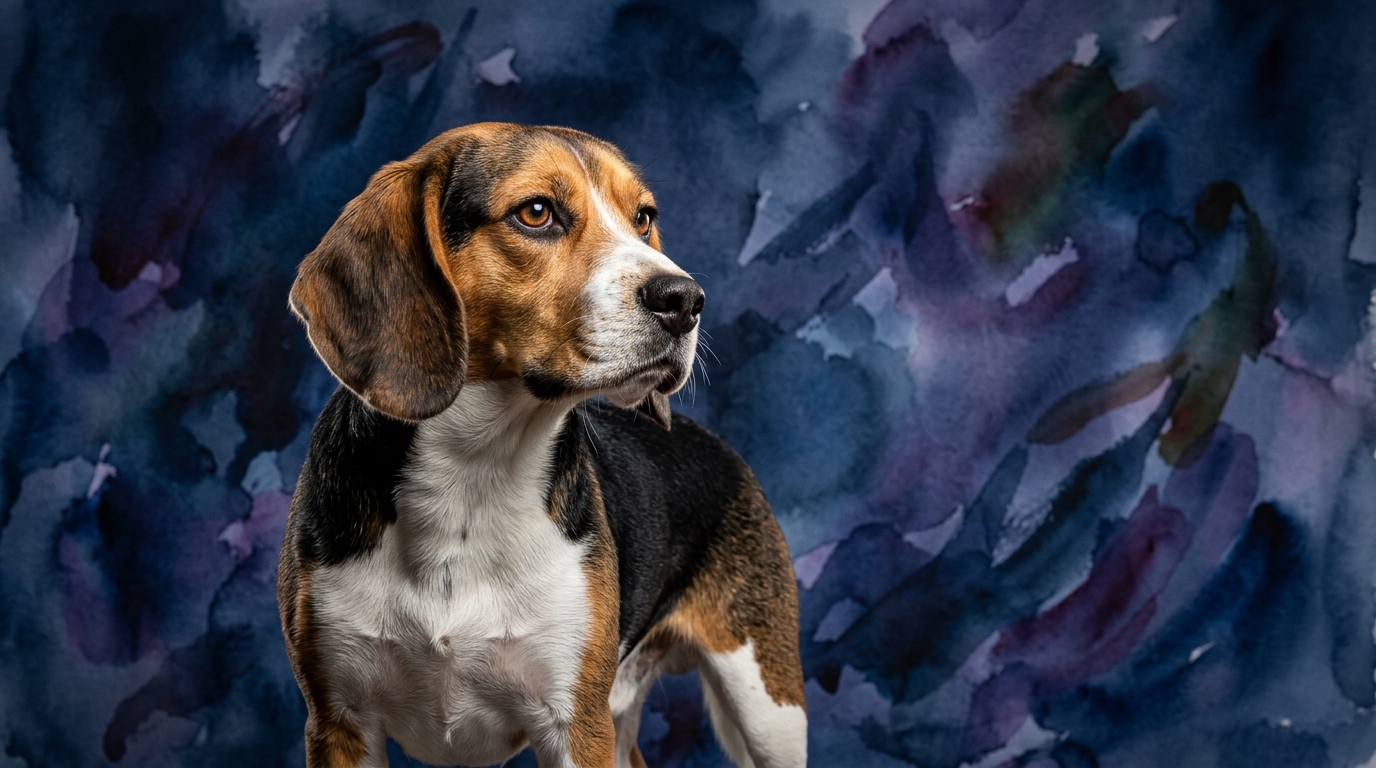
Our Cosmic Pet IQ Lab evaluates canine cognition across five crucial dimensions, offering a nuanced look at how different breeds process information. For the Beagle, a classic hound, their profile reflects centuries of selective breeding for tracking prowess. Their Problem Solving is rated at 4/5, primarily centered on deciphering complex scent trails and navigating terrain to locate targets. Training Speed registers at 2/5, indicating that while capable of learning, their powerful olfactory distractions often compete with human directives. Social Intelligence stands at 3/5, reflecting their history as pack animals who cooperate effectively with both canine and human companions in a shared pursuit. Instinctive Drive is a formidable 5/5, overwhelmingly focused on scent work and the chase. Memory, at 4/5, is particularly strong for recalling scent patterns and successful tracking routes.
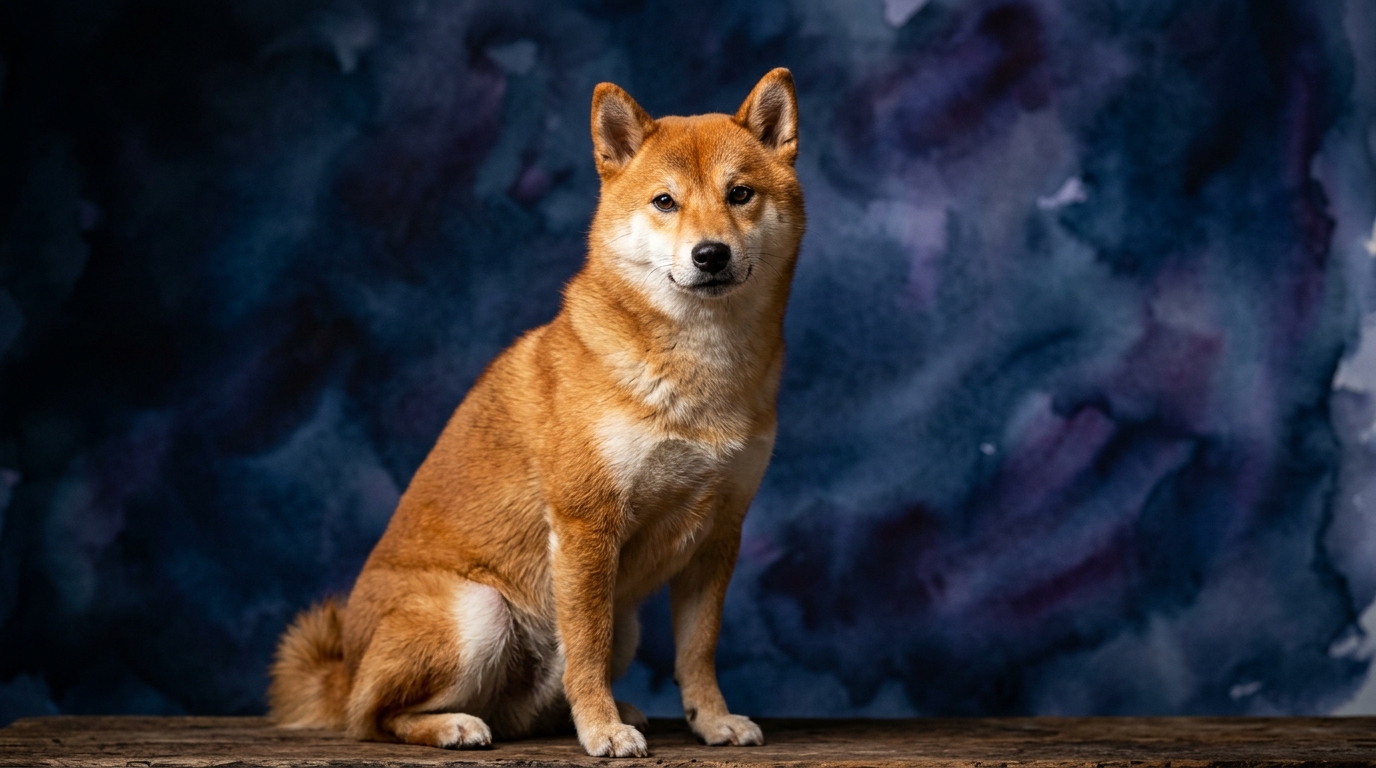
The Shiba Inu, an ancient Japanese hunting dog from the Non-Sporting group, presents an identical numerical IQ profile, yet the manifestation of these traits differs significantly due to their independent nature. Their Problem Solving, also 4/5, leans towards resourcefulness and strategic thinking to achieve individual goals, such as outsmarting small prey or navigating complex environments on their own terms. Training Speed, at 2/5, stems from a strong independent streak and a discerning attitude towards commands, requiring high motivation. Social Intelligence, rated 3/5, is characterized by a more selective and cautious approach to interactions, valuing personal space while still capable of forming deep bonds. Instinctive Drive, a potent 5/5, manifests as a strong prey drive, territoriality, and an inherent self-reliance. Their Memory, 4/5, is excellent for routines, advantageous strategies, and remembering specific places or experiences relevant to their personal well-being.
It's crucial to understand that identical scores do not imply identical cognitive processes or behavioral outcomes. While both breeds show a high capacity for problem-solving, the Beagle applies it to collaborative scent work, whereas the Shiba Inu uses it for independent resourcefulness. Similarly, their moderate training speeds are attributed to different underlying motivations: the Beagle's powerful nose overrides commands, while the Shiba's strong will often questions the value proposition of compliance.
Where the Beagle's Cognition Shines
The Beagle's cognitive strengths are undeniably rooted in their specialized scenting abilities. Their problem-solving capacity truly excels when presented with a scent puzzle, such as a hidden treat trail or tracking a specific odor. They demonstrate a remarkable ability to sustain focus on a scent, filtering out other environmental distractions, and piecing together fragmented information over long distances. This sustained cognitive effort, driven by their powerful instinctive drive, allows them to 'read' a landscape through smell with a sophistication few other breeds can match.
Furthermore, their social intelligence, while not as overtly demonstrative as some breeds, is deeply cooperative in a working context. Beagles excel at understanding human cues when those cues align with their tracking objectives, demonstrating an innate ability to work alongside a handler as part of a team. Their memory for successful scent patterns and the locations of past finds further enhances their effectiveness, making them incredibly persistent and successful in scent-based tasks.
Where the Shiba Inu's Cognition Excels
The Shiba Inu's cognitive prowess is best observed in their remarkable independence and resourcefulness. Their problem-solving skills are often applied to navigating complex social situations or figuring out how to achieve a desired outcome through observation and strategic planning, rather than relying solely on human direction. This breed displays a cleverness in adapting to new environments and situations, often finding novel solutions to challenges, such as escaping an enclosure or acquiring a desired object, purely through self-motivation and ingenuity.
Their memory is particularly strong for routines and personal experiences that have yielded positive results, making them adept at learning the layout of their territory and remembering which actions lead to rewards. The Shiba's social intelligence, while sometimes perceived as aloof, allows them to carefully assess new people and situations before committing, demonstrating a discerning judgment that protects their interests. They are masters of subtle communication, often conveying their desires and boundaries with precision rather than overt enthusiasm.
Training Dynamics: A Tale of Two Drives
Both Beagles and Shiba Inus share a Training Speed rating of 2/5, yet the reasons behind this moderate score are distinct and crucial for owners to understand. For the Beagle, the primary challenge in training stems from their overwhelming instinctive drive for scent. Once their nose hits a compelling trail, their world shrinks to that scent, and human commands often become secondary. This isn't stubbornness in the traditional sense, but rather a profound biological imperative that can make recall or focus training incredibly difficult in stimulating environments. Effective training requires high-value rewards that can compete with the allure of a scent, along with consistent, engaging methods that tap into their cooperative nature.
The Shiba Inu, conversely, presents a training challenge rooted in their strong independence and self-directed nature. Their 2/5 Training Speed reflects a 'what's in it for me?' attitude; they are intelligent enough to understand commands but may choose not to comply if they perceive no immediate benefit or if their own agenda takes precedence. Real behavioral differences include the Shiba's tendency to offer a 'Shiba scream' when displeased or their selective hearing when a command doesn't align with their desires. Training success relies on establishing a strong, respectful bond, using positive reinforcement, and making lessons feel like a game or a valuable transaction for the Shiba, rather than a forced obligation. Consistency and patience are paramount for both breeds, but the owner's approach must cater to their specific motivational triggers.
Matching Cognitive Styles to Lifestyles
Understanding these cognitive nuances is vital for matching a breed to an owner's lifestyle. Beagles, with their cooperative social intelligence and intense instinctive drive, thrive with active owners who enjoy engaging in structured outdoor activities. They are ideal companions for individuals or families who embrace long walks, hiking on leashes (due to their scent-driven wandering), or participating in scent work, agility, or obedience classes that channel their energy and focus. Their pack-oriented nature means they generally enjoy being part of family activities and can become deeply bonded, but they require consistent mental and physical stimulation to prevent boredom-induced behaviors.
Shiba Inus, with their independent problem-solving and discerning social intelligence, are better suited for owners who appreciate a more self-reliant canine partner. They thrive with active individuals who can provide varied experiences, secure off-leash opportunities (if recall is impeccable), and plenty of mental enrichment through puzzle toys and training that respects their autonomy. While they are active, their activity often manifests as bursts of energy followed by periods of quiet observation. Owners who prefer a dog that isn't constantly underfoot but still forms a deep, albeit sometimes reserved, bond will find the Shiba Inu a rewarding companion, provided they can offer consistent boundaries and engaging mental challenges.
The Verdict
Choose a Beagle if you seek a social, scent-driven companion eager for cooperative ventures and outdoor exploration, and are prepared to manage their powerful olfactory instincts.
Opt for a Shiba Inu if you value an independent, discerning partner thriving on mental challenges and clear boundaries, and appreciate a dog with a strong, self-motivated personality.
🧠 Find Your Pet's IQ Score
Our Pet IQ Lab assessment covers 25+ tests across 5 cognitive dimensions — personalized to your breed.
Take the Full IQ Test →Frequently Asked Questions
Are Beagles difficult to train because of their intelligence?
Beagles possess problem-solving intelligence, but their intense scent drive (Instinctive Drive 5/5) often overrides commands, making training challenging. They aren't 'unintelligent,' but rather highly specialized in their sensory focus, requiring patient, consistent training with high-value rewards to capture their attention.
How does a Shiba Inu's independence affect their learning and obedience?
A Shiba Inu's strong independence means they learn quickly but may choose not to obey if they don't perceive a benefit or if it conflicts with their agenda. Their Problem Solving (4/5) is often self-directed, so training requires making compliance highly rewarding and engaging to align with their internal motivations rather than relying on inherent eagerness to please.
Do both Beagle and Shiba Inu require a lot of exercise?
Yes, both breeds have a high Instinctive Drive (5/5) and require significant exercise, but the nature differs. Beagles need sustained activity like long walks and scent games to satisfy their tracking instincts, while Shibas benefit from varied activities, secure off-leash exploration, and mental stimulation to engage their independent and resourceful nature.