Side-by-Side Cognitive Profiles
The Cosmic Pet Pet IQ Lab evaluates canine intelligence across five critical dimensions: problem solving, training speed, social intelligence, instinctive drive, and memory. Understanding these facets provides a nuanced perspective on each breed's mental makeup, moving beyond simplistic notions of 'smartness.'
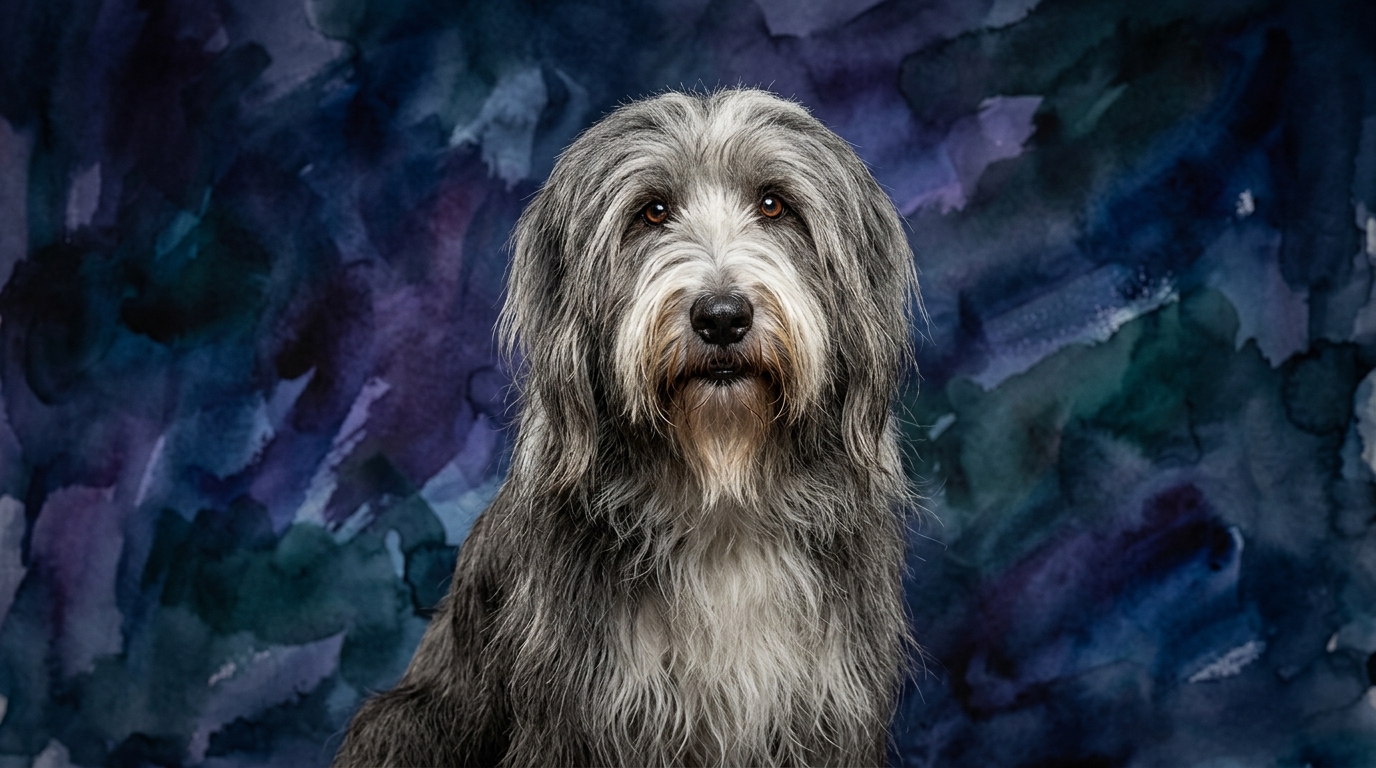
The Bearded Collie, a member of the Herding Group and ranked #34 by Coren, presents a profile reflecting its demanding working heritage. Its problem-solving ability is rated 4/5, indicating a strong capacity for independent thought and strategic action in complex situations. Training speed also scores 4/5, highlighting their eagerness and quick comprehension during learning. Social intelligence is 3/5, suggesting a good understanding of human cues and group dynamics. An instinctive drive of 3/5 points to a well-channeled herding impulse, while memory, at 4/5, underscores their ability to retain complex sequences and information over time.
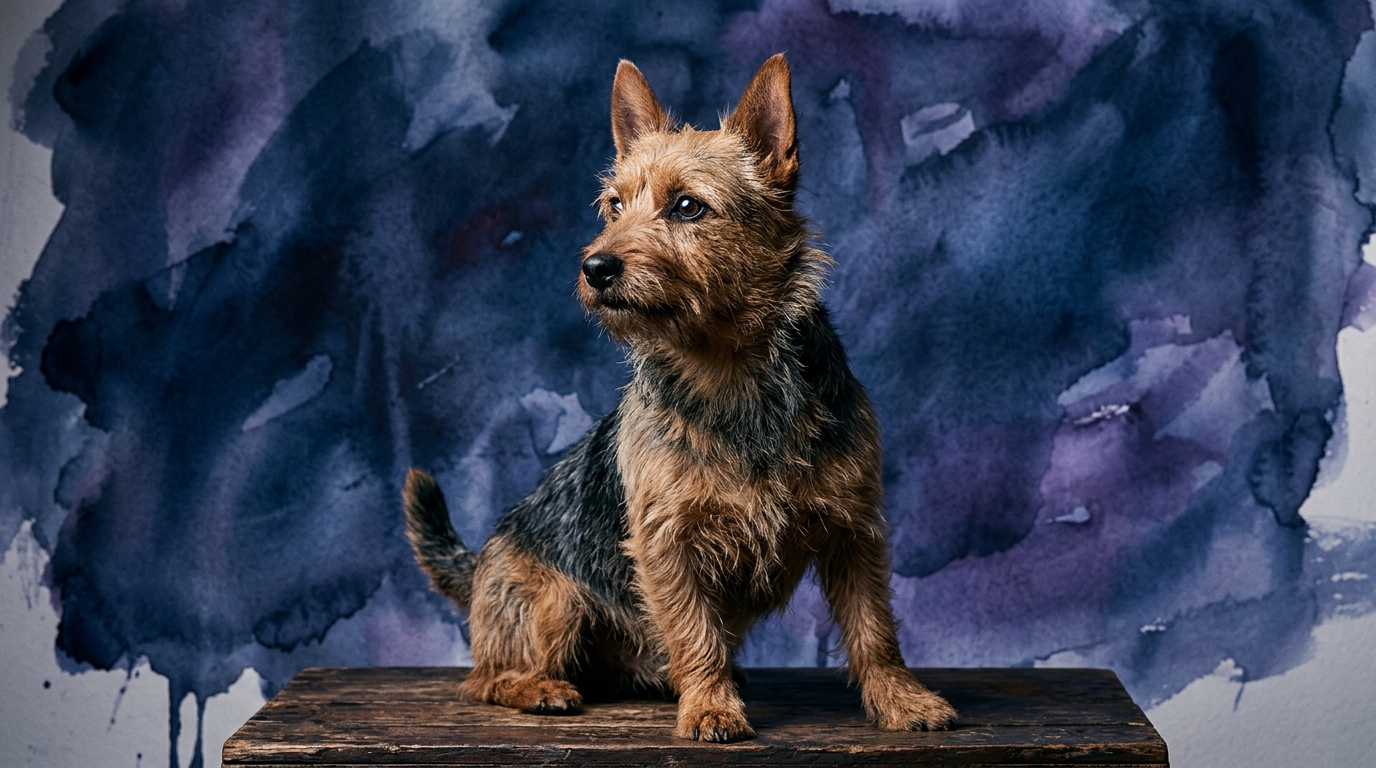
The Australian Terrier, a spirited member of the Terrier Group and not Coren-ranked, possesses a different set of mental strengths. Its problem-solving ability is rated 3/5, demonstrating practical ingenuity, especially when focused on specific tasks. Training speed is 3/5, reflecting a capable learner who can also exhibit independent thought. Social intelligence stands at 3/5, showing a personable nature within their family unit. An instinctive drive of 3/5 speaks to their pronounced terrier traits, such as chasing and digging. Finally, memory is rated 3/5, indicating a solid recall for routines and learned behaviors, though perhaps less extensive than a herding breed.
Where the Bearded Collie Excels Cognitively
The Bearded Collie distinctly outperforms the Australian Terrier in specific cognitive domains, particularly those linked to their historical herding functions. Their superior problem-solving ability, rated 4/5 compared to the Australian Terrier's 3/5, means they are more adept at analyzing complex, multi-variable situations, such as maneuvering a flock of sheep or navigating an agility course with intricate sequences. This isn't just about brute force intelligence, but a nuanced capacity to anticipate outcomes and adapt their strategy dynamically.
Furthermore, the Bearded Collie's memory, also a 4/5, allows them to retain intricate patterns, longer command sequences, and complex environmental layouts with greater fidelity and duration. This cognitive edge enables them to master elaborate routines or multi-step tasks that might challenge the Australian Terrier's more direct, task-specific memory. Their quick training speed (4/5) also positions them as more receptive to learning advanced commands and performing intricate tasks with fewer repetitions.
Where the Australian Terrier Shines Cognitively
While the Bearded Collie excels in specific areas, the Australian Terrier’s cognitive profile is uniquely suited to its terrier heritage, offering a different kind of mental agility. Although not scoring higher than the Bearded Collie in any single dimension, their combined instinctive drive and practical problem-solving (both 3/5) give them an edge in scenarios requiring tenacious pursuit and independent action.
An Australian Terrier's determination to locate and extract a 'prey' item from a confined space, or to outwit a small critter, showcases a focused, persistent problem-solving approach that might bypass the Bearded Collie’s more methodical, broad-scope analysis. Their social intelligence, also rated 3/5, while matching the Bearded Collie, is often expressed through a bold, self-assured demeanor that allows them to navigate new social contexts with a confident, albeit sometimes assertive, independence, rather than relying solely on handler cues.
Training Dynamics: Effort and Engagement
When it comes to ease of training, the Bearded Collie generally presents a more straightforward experience due to its higher training speed (4/5) and strong desire to cooperate. Their historical role demanded a close working relationship with humans, fostering a natural inclination to listen, learn, and respond to directives efficiently. They grasp new commands quickly, often requiring fewer repetitions, and are typically motivated by praise and positive reinforcement, making structured training sessions highly productive. Their excellent memory further solidifies learned behaviors, ensuring retention over time.
In contrast, the Australian Terrier, with a training speed of 3/5, can be more challenging. While certainly capable of learning, their strong terrier independence and instinctive drive (both 3/5) mean they often have their own ideas about what constitutes an important task. Training an Australian Terrier requires greater patience, creativity, and consistency to overcome their inherent willfulness and maintain engagement. They may need more varied training methods and stronger motivational rewards to keep them focused, as their drive to chase or dig might sometimes override the desire to perform a learned command.
Matching Canine Minds to Owner Lifestyles
For active owners seeking a canine partner for demanding activities, the Bearded Collie is an outstanding match. Their robust instinctive drive (3/5), coupled with superior problem-solving (4/5) and memory (4/5), makes them excel in dog sports like agility, obedience, herding trials, and even search and rescue. They thrive on mental and physical challenges, requiring regular, vigorous exercise and engagement to prevent boredom and channel their working intelligence productively. Their capacity for complex learning means they benefit from owners who enjoy teaching new tricks and advanced commands.
Conversely, while not a couch potato, the Australian Terrier, with its balanced 3/5 scores across the board, can suit owners who are active but perhaps not seeking a canine athlete for competitive sports. They enjoy daily walks, playtime, and exploring, and are happy with moderate exercise levels that satisfy their curiosity and allow for some sniffing and digging. A relaxed owner who appreciates a confident, independent companion but can still provide consistent engagement and manage their terrier instincts will find the Australian Terrier a rewarding fit, perhaps more so than an owner looking for a dog to excel in highly structured, demanding cognitive tasks.
The Verdict
Choose the Bearded Collie if you are an active owner seeking a highly trainable, cognitively flexible partner for dog sports, complex tasks, or a working role, valuing their superior problem-solving and memory.
Opt for the Australian Terrier if you appreciate a confident, spirited companion with a robust independent streak, suited for moderate activity and an owner who enjoys managing a strong terrier drive with consistent, patient guidance.
🧠 Find Your Pet's IQ Score
Our Pet IQ Lab assessment covers 25+ tests across 5 cognitive dimensions — personalized to your breed.
Take the Full IQ Test →Frequently Asked Questions
Do Bearded Collies need a lot of mental stimulation?
Absolutely. With a problem-solving score of 4/5 and excellent memory, Bearded Collies require consistent mental challenges to thrive. Daily puzzle toys, training sessions, and opportunities for complex learning are essential to keep their sharp minds engaged and prevent boredom-related behaviors.
Are Australian Terriers good apartment dogs?
Australian Terriers can adapt to apartment living if their exercise and mental stimulation needs are met. Despite their smaller size, their instinctive drive and moderate energy require daily walks, playtime, and opportunities for exploration to keep them content and prevent restlessness.
How do their social intelligence scores impact interactions with other pets?
Both breeds score 3/5 in social intelligence, suggesting they can integrate well into multi-pet households with proper socialization. The Bearded Collie's herding instinct might lead to gentle "herding" of other pets, while the Australian Terrier's independent nature may require supervision with smaller, prey-like animals due to their terrier drive.