Side-by-Side IQ Profile: Herder vs. Guardian
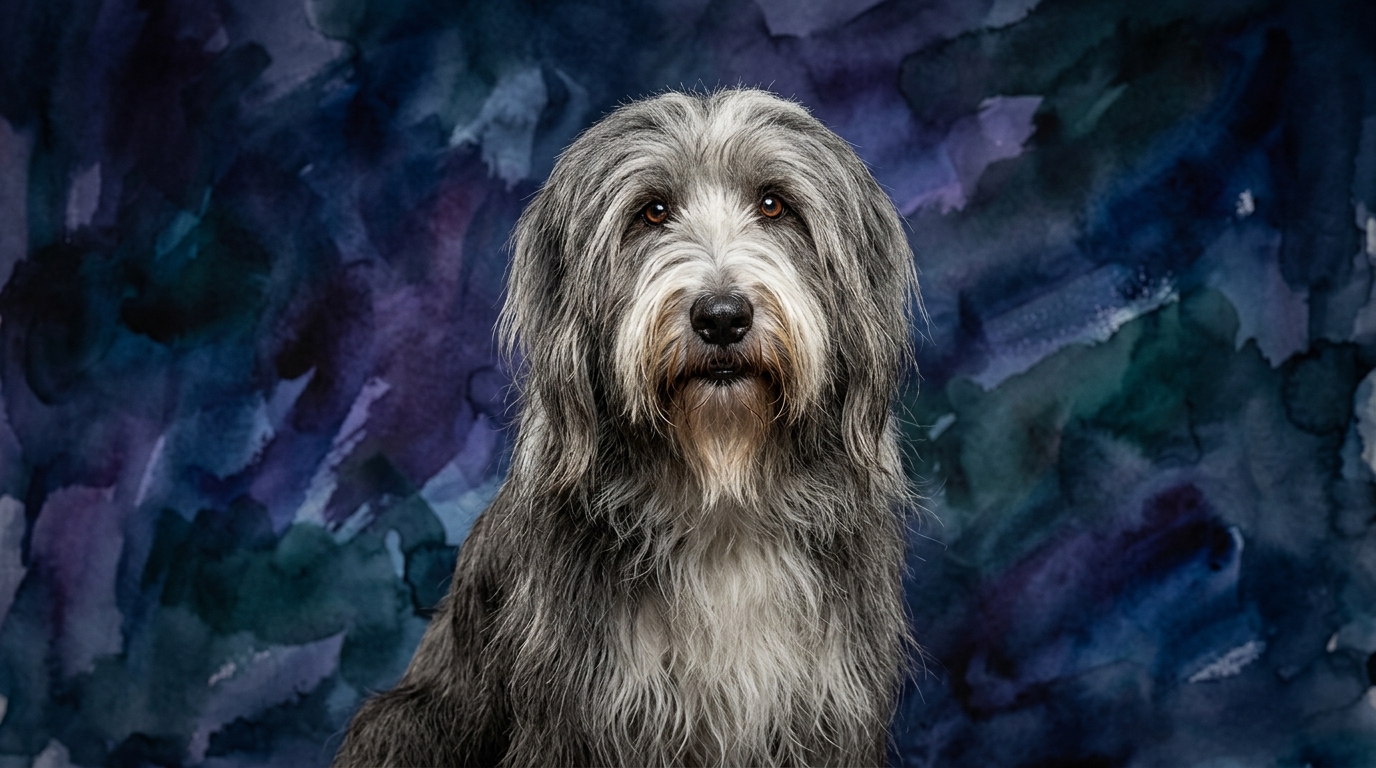
The Cosmic Pet Pet IQ Lab employs a five-dimensional framework to assess canine intelligence, offering a granular view of how different breeds process information and interact with their environment. For the Bearded Collie, a Herding group member, their profile shows a Coren rank of #34, indicating a strong capacity for learning and adaptation. They achieve a Problem Solving score of 4/5, suggesting an aptitude for navigating novel situations and figuring out solutions. Their Training Speed also stands at 4/5, reflecting a quick grasp of commands. Social Intelligence is rated 3/5, indicating an ability to understand and respond to human cues, while Instinctive Drive is 3/5, focusing on their innate herding behaviors. A Memory score of 4/5 highlights their capacity to retain learned behaviors and past experiences.
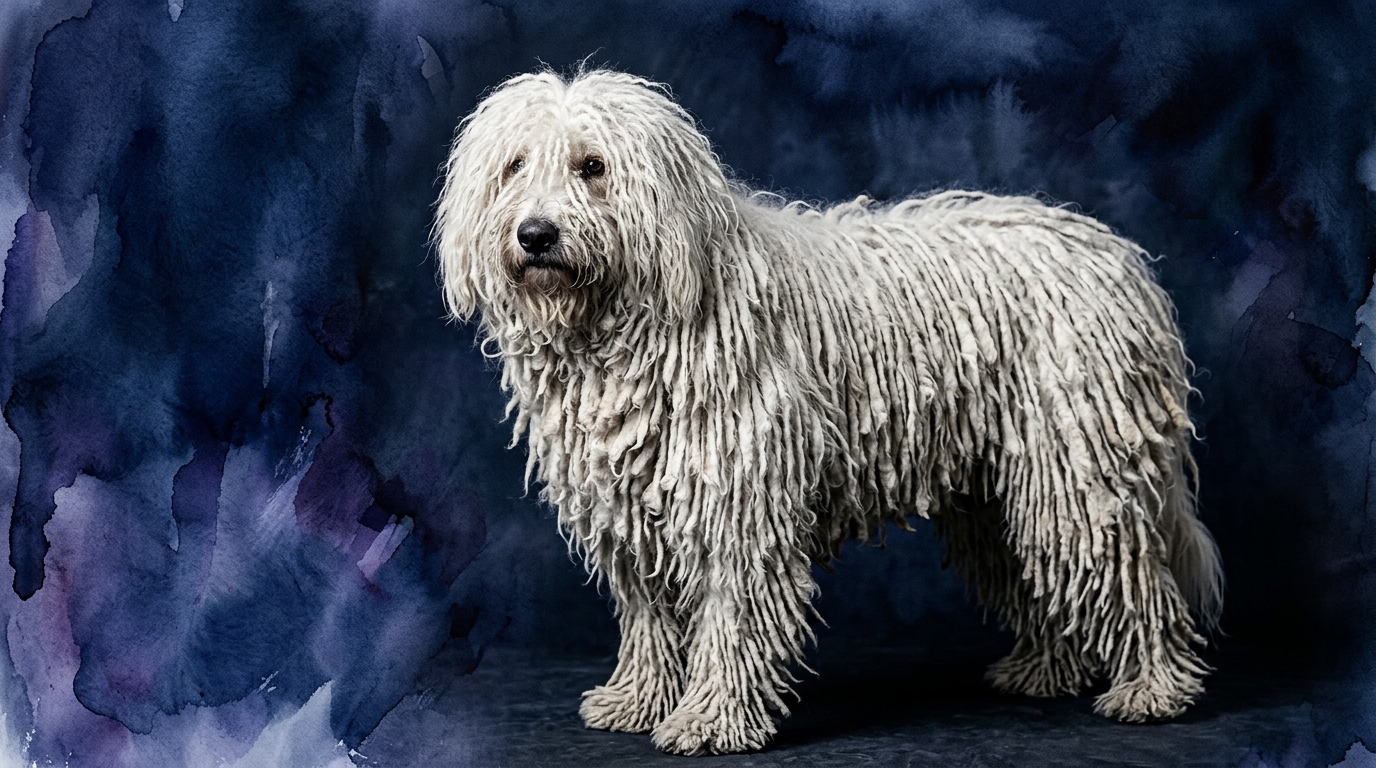
In contrast, the Komondor, classified in the Working group, holds a Coren rank of #67, which points to a different cognitive emphasis. Each of their five IQ dimensions – Problem Solving, Training Speed, Social Intelligence, Instinctive Drive, and Memory – registers at 3/5. This consistent scoring across the board is not a measure of deficiency but rather an indicator of a highly specialized and balanced intelligence tailored to their historical role as independent livestock guardians. Their problem-solving centers on threat assessment, their training speed aligns with learning boundaries, and their social intelligence prioritizes discernment over eager engagement, all crucial for their self-reliant duties.
Where the Bearded Collie Excels Cognitively
The Bearded Collie's cognitive strengths are deeply rooted in their herding heritage, demanding a proactive and adaptable intellect. Their 4/5 score in Problem Solving means they aren't just following commands; they are actively assessing situations, like how to move a stubborn sheep or navigate a complex obstacle course. This isn't about brute force but about strategic thinking and adaptability. When faced with a new challenge, a Bearded Collie is more likely to experiment with different approaches until they find a successful one, showcasing a flexible thought process crucial for dynamic herding tasks.
Furthermore, their 4/5 Training Speed and 4/5 Memory scores combine to make them highly receptive students. They absorb new commands and routines with remarkable efficiency, and importantly, they retain that information over time. This allows for the rapid acquisition of complex sequences in dog sports like agility or advanced obedience, where remembering intricate patterns and responding quickly to handler cues is paramount. Their cognitive profile fosters a partnership where the dog actively engages in learning and problem-solving alongside their human, making them a joy to train and interact with in structured activities.
Where the Komondor Excels Cognitively
The Komondor's cognitive profile, while showing consistent 3/5 scores, represents an intelligence perfectly optimized for its unique purpose: independent livestock guarding. Their Problem Solving at 3/5 isn't about solving puzzles for treats, but about making autonomous decisions in the field. This means discerning genuine threats from harmless stimuli, assessing the best course of action to protect their flock, and adapting their guarding strategy without direct human instruction. Their 'problem' is often a potential predator, and their 'solution' is effective deterrence, a cognitive process that values independence and situational awareness over collaborative task-solving.
Similarly, their 3/5 in Instinctive Drive is finely tuned for vigilance and protection. This isn't a drive to chase or herd, but to observe, patrol, and act decisively when necessary. Their Memory score of 3/5 is sufficient for retaining the boundaries of their territory and recognizing familiar faces, while their Social Intelligence at 3/5 allows them to differentiate between family, trusted visitors, and potential intruders. These scores reflect a self-reliant sentinel, capable of complex judgment calls in solitude, rather than a dog seeking constant direction. Their cognitive strength lies in unwavering dedication to their charge and an inherent understanding of their protective role.
Which is Easier to Train, and Why?
When considering ease of training, the Bearded Collie generally presents a more straightforward experience for the average owner due to their higher scores in Training Speed (4/5) and Problem Solving (4/5), coupled with their partnership-oriented herding background. They possess an eagerness to engage with their human companions and a cognitive makeup that thrives on learning new commands and performing tasks collaboratively. Their motivation often stems from working alongside their handler, making them highly responsive to positive reinforcement and consistent instruction. This breed typically enjoys the process of training and quickly understands what is expected of them, allowing for rapid progress in obedience, tricks, and dog sports.
The Komondor, with 3/5 across all categories, offers a different training dynamic. Their inherent independence, essential for their guardian role, means they are less inclined to blindly follow commands and more likely to question the purpose of a task. Training a Komondor requires immense patience, consistency, and a deep understanding of their self-reliant nature. They learn best when training aligns with their perceived purpose or makes logical sense to them. While they are capable of learning, their training speed is not as rapid, and they may require more repetition and motivation tailored to their distinct personality. Their cognitive independence means an owner must earn their respect and cooperation, rather than expecting immediate compliance.
Matching Canine Cognition to Owner Lifestyles
For active owners seeking a dynamic, engaged partner, the Bearded Collie is often an ideal match. Their high Problem Solving, Training Speed, and Memory scores mean they thrive on mental stimulation as much as physical exercise. These dogs excel in activities like agility, competitive obedience, herding trials, and even flyball, where their quick thinking and ability to learn complex sequences are fully utilized. An owner who enjoys hiking, running, or participating in dog sports will find the Bearded Collie a willing and enthusiastic companion, eager to learn and work alongside them. Their cognitive profile demands an owner who is prepared to provide consistent intellectual challenges and opportunities for collaborative activity.
Conversely, the Komondor's cognitive makeup suits owners who appreciate a more independent, watchful presence and are prepared for a dog that operates on its own terms within its protective role. While they require space for patrolling and regular exercise, their activity level isn't about high-intensity, owner-involved sprints. They are content with surveying their territory and remaining vigilant. Owners who lead a more relaxed lifestyle, but are committed to managing a large, powerful, and self-reliant guardian, will find the Komondor's steadfast nature appealing. This breed thrives with clear boundaries, a consistent routine, and an understanding of their deep-seated protective instincts, requiring an owner who respects their autonomy rather than trying to mold them into a highly compliant companion.
The Verdict
Choose the Bearded Collie if you desire an eager, intelligent partner for active pursuits and enjoy collaborative training that yields quick results and a strong bond.
Opt for the Komondor if you seek a dedicated, independent guardian with a watchful nature, understanding that their training requires patience and respect for their self-reliant protective instincts.
🧠 Find Your Pet's IQ Score
Our Pet IQ Lab assessment covers 25+ tests across 5 cognitive dimensions — personalized to your breed.
Take the Full IQ Test →Frequently Asked Questions
Can Bearded Collies adapt to apartment living?
While Bearded Collies possess a strong working drive, they can adapt to apartment living if their owners are committed to providing substantial daily exercise and mental stimulation. Regular walks, playtime, and engaging training sessions are crucial to prevent boredom and channel their energy constructively.
Are Komondors good family dogs, especially with children?
Komondors can be devoted family dogs and are typically gentle with their own children, often viewing them as part of their 'flock' to protect. However, their protective instincts and independent nature require early socialization, consistent training, and supervision around unfamiliar children to ensure appropriate interactions.
What kind of mental exercise do Komondors need to thrive?
Komondors thrive on mental exercise that taps into their natural guarding instincts, such as surveying their territory, learning boundaries, and discerning between familiar and unfamiliar people or sounds. While not typically suited for complex puzzle toys, consistent reinforcement of their protective role and opportunities for independent 'patrolling' are vital for their cognitive well-being.