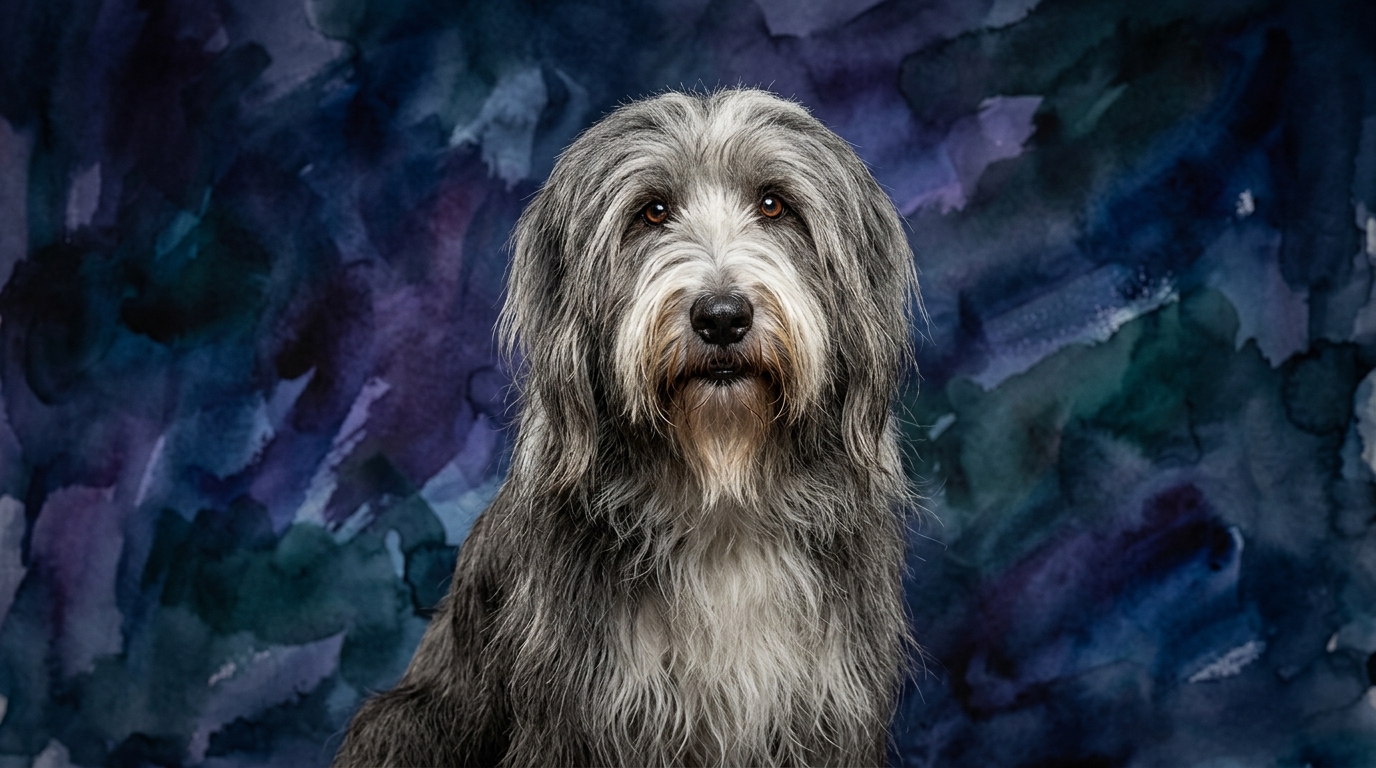
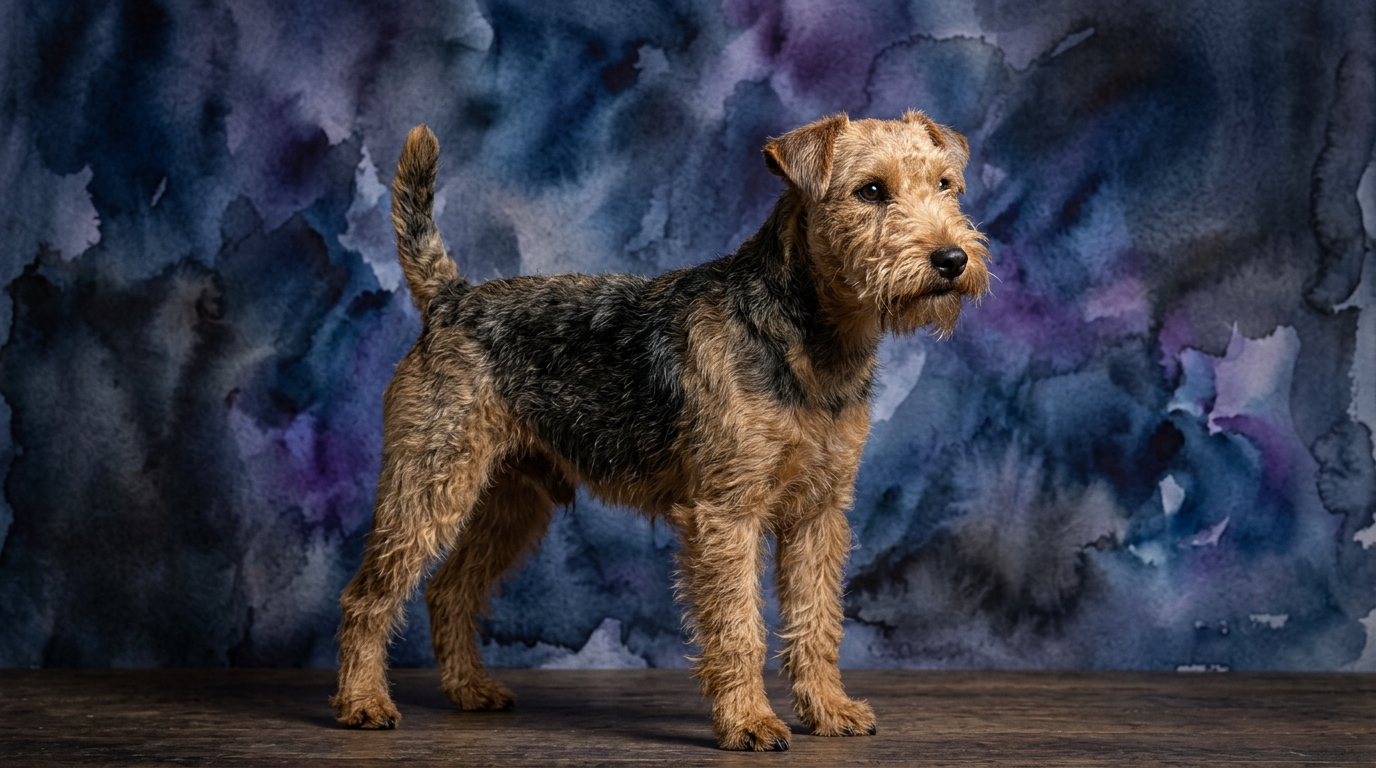
Side-by-Side IQ Profile: Bearded Collie vs. Lakeland Terrier
**Bearded Collie:**
**Problem Solving (4/5):** This herding dog exhibits a strong aptitude for navigating complex situations, requiring independent thought to manage livestock and devising strategies to achieve goals. Their intelligence allows them to adapt quickly to changing environmental conditions.
**Training Speed (4/5):** Bearded Collies grasp new commands and routines swiftly, often requiring fewer repetitions. This quick uptake is a direct benefit of their historical role where rapid learning was essential.
**Social Intelligence (3/5):** While capable of forming strong bonds with their human families and understanding social cues, their social intelligence is balanced by an inherent independence necessary for their work. They are generally responsive to human interaction but retain a degree of self-sufficiency.
**Instinctive Drive (3/5):** Their instinctive drive centers around herding, displaying a natural inclination to gather and control movement. This drive, while strong, is often channelled and refined through training, making it a manageable and trainable aspect of their personality.
**Memory (4/5):** Bearded Collies possess an excellent memory, allowing them to recall learned commands, routines, and even the nuances of specific environments or individuals over long periods. This cognitive strength is crucial for remembering complex herding patterns or previously encountered challenges.
**Lakeland Terrier:**
**Problem Solving (3/5):** Lakelands approach problems with a tenacious, direct, and independent mindset. Their problem-solving involves figuring out how to achieve specific goals, driven by inherent terrier persistence.
**Training Speed (3/5):** These terriers learn at a moderate pace, but their training can be influenced by their independent streak and strong will. While capable of learning, they require engaging methods and consistent reinforcement.
**Social Intelligence (3/5):** Lakeland Terriers are generally affable and can form close relationships with their families, yet they possess a characteristic terrier independence. Their social interactions might be more on their own terms, and they can be discerning about who they engage with.
**Instinctive Drive (3/5):** Their instinctive drive is profoundly rooted in their original purpose: hunting vermin. This manifests as a strong prey drive, a desire to dig, and an inclination to explore and pursue. This drive is a core part of their being and often requires careful management and redirection.
**Memory (3/5):** Lakelands have a functional memory, capable of recalling important routines and commands, especially those associated with positive experiences. However, their memory might be more selectively applied, particularly when their strong instinctive drives are engaged, potentially overriding learned behaviors.
Where the Bearded Collie Wins Cognitively
The Bearded Collie's cognitive profile distinctly outperforms the Lakeland Terrier in several key areas. With a Problem Solving score of 4/5, the Bearded Collie demonstrates superior aptitude for navigating novel situations and independently strategizing solutions, a trait honed by their need to make autonomous decisions while managing livestock across varied terrain. Their Training Speed of 4/5 indicates a quicker uptake of new commands and routines, making them more receptive to structured learning environments. This quick cognitive processing allows them to build upon learned behaviors with greater efficiency. Furthermore, their Memory score of 4/5 ensures that these complex learned patterns and solutions are retained effectively over time, providing a solid foundation for advanced training and consistent performance in intricate tasks. These combined strengths paint a picture of a dog built for cooperative, complex work, where mental agility and retention are paramount.
Where the Lakeland Terrier's Unique Cognitive Profile Shines
While the numerical scores might suggest a general cognitive advantage for the Bearded Collie, the Lakeland Terrier's unique cognitive profile excels in areas vital to its historical role, showcasing a different kind of operational intelligence. Their Problem Solving score of 3/5, while lower, reflects a tenacious and independent approach, particularly when it comes to pursuing a goal – a trait essential for flushing out quarry from challenging environments. This isn't about complex, cooperative strategy, but rather about single-minded determination and resourcefulness in achieving a specific objective. Their Instinctive Drive, also 3/5, is a powerful cognitive engine, directing their focus and energy with unwavering intensity towards tasks like tracking and digging. This drive, combined with their self-reliant nature, means they are adept at making quick, decisive actions without constant human direction, demonstrating a rugged, self-sufficient form of intelligence critical for a working terrier. They excel in situations demanding grit, independence, and an unyielding focus on their primary objective, often requiring them to think on their paws without human intervention.
Which is Easier to Train and Why
Based on their respective IQ profiles, the Bearded Collie is generally easier to train compared to the Lakeland Terrier. The Bearded Collie's Training Speed of 4/5 and Memory of 4/5 are significant advantages, meaning they typically grasp new commands and retain them with fewer repetitions. Their herding lineage predisposes them to work in partnership with humans, making them naturally more inclined to respond to direction and engage in cooperative tasks. They thrive on mental stimulation and the challenge of learning, often eager to please and quick to pick up complex sequences of commands. In contrast, the Lakeland Terrier's Training Speed of 3/5, coupled with its strong Instinctive Drive (3/5) and inherent terrier independence, can make training a more demanding endeavor. Lakeland Terriers were bred to work independently, often out of sight and hearing from their handlers, making their own decisions when pursuing prey. This historical role has instilled a certain self-reliance and sometimes a stubborn streak that can make them less inclined to follow commands if their own instincts or interests diverge. While capable of learning, they require highly engaging, consistent, and patient training methods, often needing more creative approaches to maintain their focus and overcome their independent nature when a stimulating scent or chase opportunity arises.
Which Suits Active Owners vs. Relaxed Owners
Neither the Bearded Collie nor the Lakeland Terrier are suitable companions for truly relaxed, sedentary owners, as both breeds possess significant energy and mental stimulation needs. However, their activity requirements differ in nature. The Bearded Collie, with its herding background, thrives on structured activity that engages both its body and mind. They excel in dog sports such as agility, obedience, herding trials, and long, varied walks or hikes. Owners who enjoy active outdoor lifestyles, are committed to consistent training, and can provide ample mental challenges will find a devoted and capable partner in a Bearded Collie. Their energy is often channeled into purposeful activity and cooperative work. The Lakeland Terrier, while equally energetic, often expresses its activity needs with bursts of intense exploration and pursuit. They require outlets for their strong prey drive and desire to dig and investigate. Owners who appreciate a dog with a spirited, sometimes mischievous, personality and are prepared to manage their independent hunting instincts will find a compatible companion. This might involve secure yards, engaging puzzle toys, and consistent, varied exercise that allows them to explore safely. They suit active owners who understand the unique demands of a terrier's drive and can provide consistent boundaries and stimulating activities that cater to their innate curiosity and tenacity.
The Verdict
Choose Bearded Collie if you seek a highly trainable, cooperative companion eager to learn complex tasks and participate in structured activities, thriving on mental challenges and working alongside you.
Choose Lakeland Terrier if you appreciate an independent, tenacious, and spirited companion with a strong will and innate drive, and are prepared for consistent, creative training to channel their instincts and energy.
🧠 Find Your Pet's IQ Score
Our Pet IQ Lab assessment covers 25+ tests across 5 cognitive dimensions — personalized to your breed.
Take the Full IQ Test →Frequently Asked Questions
Are Bearded Collies good family dogs, considering their intelligence?
Yes, Bearded Collies are generally excellent family dogs, forming strong bonds and being playful companions. Their social intelligence (3/5) allows them to integrate well, though their energy and need for mental engagement mean they thrive best with active families who include them in daily activities and provide consistent training.
How can I best manage a Lakeland Terrier's strong instinctive drive?
Managing a Lakeland Terrier's instinctive drive (3/5) requires consistent training, early socialization, and providing appropriate outlets for their natural behaviors. This includes secure fencing, engaging puzzle toys, supervised digging areas, and structured activities like Earthdog trials or vigorous walks that satisfy their need for exploration and pursuit.
Do Bearded Collies require a lot of grooming due to their coat?
Yes, Bearded Collies do require significant grooming to maintain their long, flowing double coat, which can easily mat without regular attention. Weekly brushing, typically for an hour or more, is essential to prevent tangles, remove debris, and keep their coat healthy and comfortable.