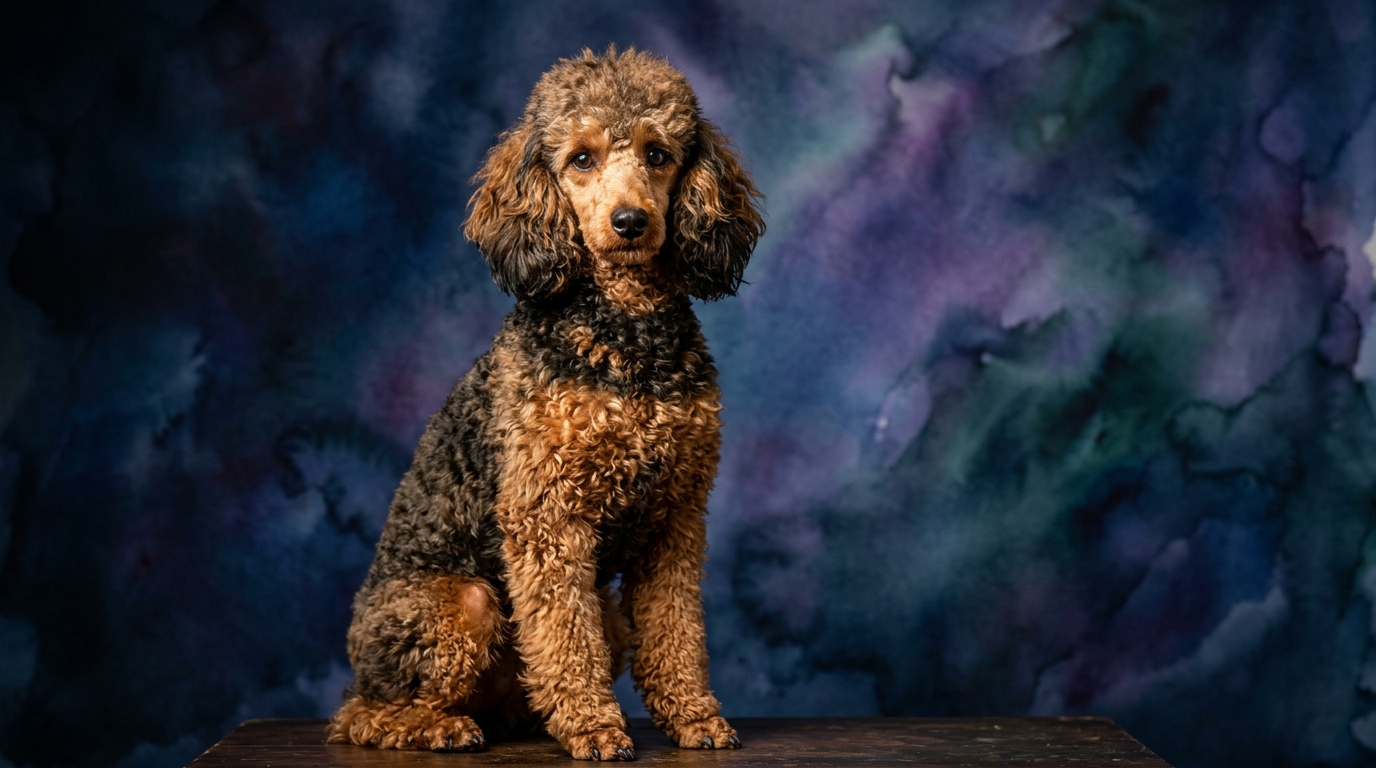
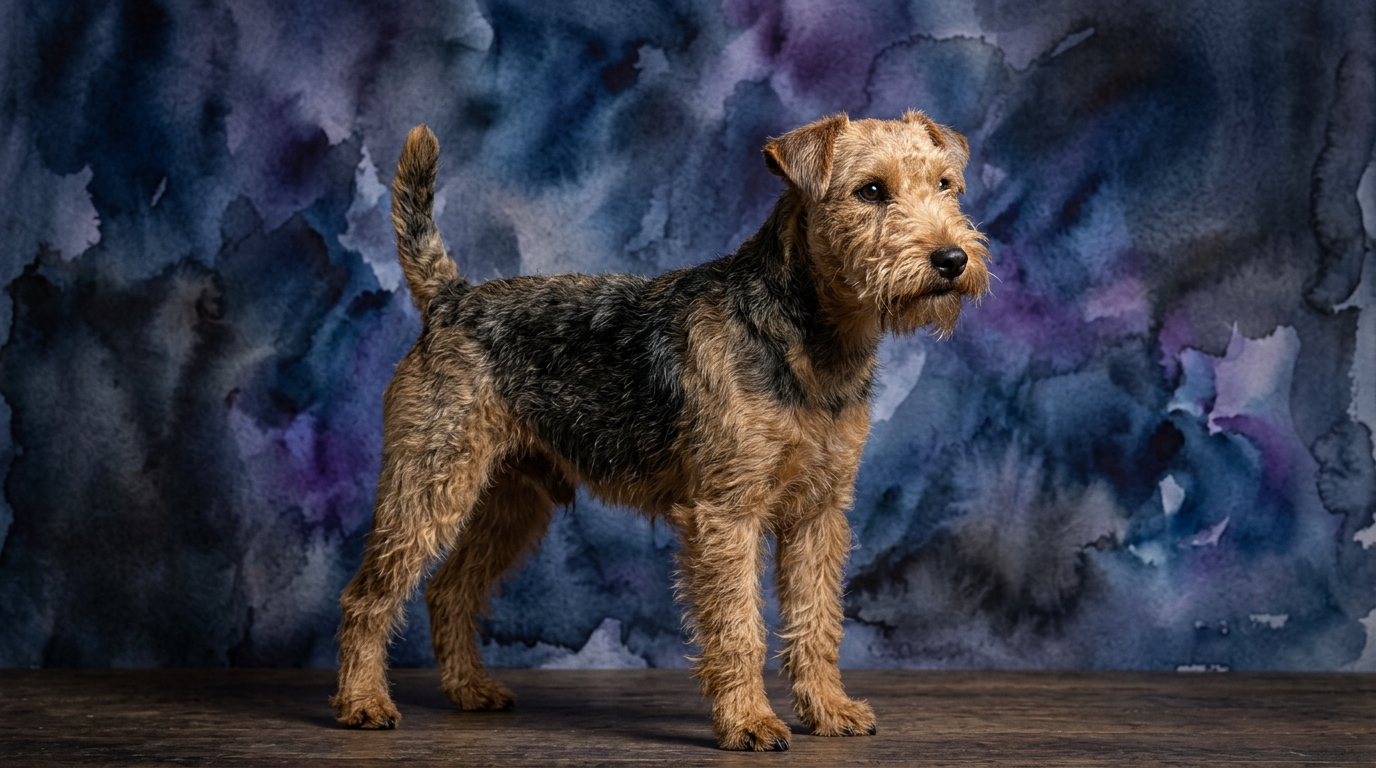
Side-by-Side IQ Profile: Poodle (Standard) vs. Lakeland Terrier
The Cosmic Pet Pet IQ Lab employs five distinct dimensions to evaluate canine cognition, and a direct comparison between the Poodle (Standard) and the Lakeland Terrier reveals a fascinating spectrum of capabilities. For the Poodle (Standard), their Problem Solving score of 5/5 indicates an exceptional capacity to analyze novel situations, adapt quickly, and devise effective solutions with minimal trial and error. This is complemented by a Training Speed of 5/5, meaning they grasp and execute new commands and complex routines with remarkable alacrity. Their Social Intelligence, also rated 5/5, highlights an acute awareness of human emotions and social cues, fostering deeply communicative and empathetic bonds. While their Instinctive Drive sits at a robust 4/5, it is often channeled into cooperative activities like retrieving or water work. Finally, their Memory at 5/5 signifies an outstanding ability to retain learned information and experiences with enduring fidelity.
In stark contrast, the Lakeland Terrier presents a different cognitive blueprint. Their Problem Solving is rated 3/5, suggesting they approach new challenges with determination but may require more trial-and-error or direct guidance to ascertain optimal solutions. A Training Speed of 3/5 means they learn at a moderate pace, often necessitating consistent repetition and patience to solidify new behaviors. Their Social Intelligence, also 3/5, implies an understanding of basic social dynamics, yet they might exhibit a more independent streak, interpreting cues through a lens of self-interest rather than overt empathy. The Lakeland Terrier's Instinctive Drive is a focused 3/5, primarily geared towards hunting small prey, which translates into a persistent, determined approach to tasks. Their Memory, at 3/5, is functional, capable of recalling routines and familiar commands, though perhaps less detail-oriented or long-lasting than breeds with higher scores.
Where the Poodle (Standard) Wins Cognitively
The Poodle (Standard)'s cognitive strengths are evident across multiple dimensions, creating a companion capable of truly sophisticated interactions. Their superior Problem Solving (5/5) allows them to navigate complex environments or learn multi-step tasks, such as opening latches or retrieving specific items, with remarkable self-sufficiency and minimal human intervention. This problem-solving prowess means they are adept at figuring things out, whether it’s a new puzzle toy or an unfamiliar route. The Poodle's rapid Training Speed (5/5) is a clear advantage, enabling them to master advanced obedience, intricate agility courses, or even the nuanced tasks required of service dogs significantly quicker than many other breeds. This efficiency in learning translates into a broader repertoire of behaviors and a greater capacity for specialized roles. Furthermore, their exceptional Social Intelligence (5/5) means they are profoundly attuned to human moods, body language, and subtle vocalizations. This fosters a relationship built on mutual understanding, where the Poodle often anticipates owner needs and responds with appropriate, nuanced communication, whether through a gentle nudge or a specific gaze. Lastly, their outstanding Memory (5/5) allows them to retain vast amounts of information, from an extensive vocabulary of commands to the locations of hidden toys or specific household routines, for extended periods, contributing to their reputation as highly reliable and consistent companions.
Where the Lakeland Terrier Wins Cognitively
While the Lakeland Terrier's IQ scores present a different cognitive profile, they possess distinct strengths that are invaluable in specific contexts, showcasing a different kind of mental fortitude. Their Instinctive Drive, rated 3/5, is a focused and potent force, primarily geared towards their heritage of hunting small prey. This drive, while moderate in score, translates into an exceptional persistence and single-mindedness when pursuing a goal. For tasks requiring unwavering dedication, such as tracking a scent or methodically investigating a burrow, this focused cognitive energy allows them to excel where other breeds might falter due to distraction. This isn't a general cognitive superiority, but a specialized application of their mental make-up. Coupled with their Problem Solving at 3/5, this tenacity means a Lakeland won't easily abandon a challenge, even if it requires repeated attempts or a more hands-on approach to figure out. They demonstrate a resilient determination that ensures they stick with a task until completion. Furthermore, their moderate Social Intelligence (3/5), while not overtly empathetic like a Poodle's, often fosters a more independent and self-sufficient personality. This can be a cognitive advantage for owners who appreciate a dog less prone to separation distress or overly reliant on constant human interaction, thriving on their own initiative and inner resolve for reasonable periods.
Which is Easier to Train and Why
When it comes to ease of training, the Poodle (Standard) holds a distinct advantage, a direct reflection of their superior cognitive scores. Their 5/5 Training Speed means they grasp new concepts and commands almost immediately, often requiring only a handful of repetitions before a behavior is solidified. This rapid acquisition is further bolstered by their 5/5 Memory, allowing them to retain this knowledge over long periods and generalize commands effectively to new environments or situations. Their high Social Intelligence also plays a crucial role; Poodles are typically highly cooperative and eager to please, actively seeking to understand and comply with human directives, which significantly reduces resistance during training sessions. In contrast, the Lakeland Terrier, with a 3/5 Training Speed, requires a more patient and consistent approach. New commands take longer to embed, necessitating frequent and engaging repetitions. Their moderate Memory means that skills, if not regularly practiced, may fade, requiring periodic refreshers. The Lakeland's independent streak, fueled by their focused 3/5 Instinctive Drive, can sometimes make them less inclined to comply if a more stimulating “terrier” activity, like a perceived scent or a rustling bush, captures their attention. Training a Lakeland needs to be highly motivating, short, positive, and capitalize on their persistence, often by making it feel like a game or a “job” rather than rote obedience.
Which Suits Active Owners vs. Relaxed Owners
The suitability of each breed for active versus relaxed owners hinges significantly on their cognitive and drive profiles. The Poodle (Standard), with their high cognitive needs across problem-solving, social intelligence, and memory, can surprisingly adapt to both active and somewhat relaxed owners, provided their mental stimulation requirements are consistently met. For active owners, Poodles excel in dog sports like agility, obedience, and rally, thriving on the intellectual challenges these activities present alongside physical exercise. However, for a more relaxed owner, as long as daily walks are provided, their adaptable nature and desire for companionship mean they can be content, provided their minds are engaged through puzzle toys, trick training, or interactive games within the home. Their lower, more generalized instinctive drive (4/5) makes them less prone to destructive behaviors if their minds are occupied. The Lakeland Terrier, however, is unequivocally better suited for active owners. Their moderate but focused 3/5 Instinctive Drive, combined with their problem-solving and terrier energy, means they require consistent physical activity and ample outlets for their natural behaviors of digging, chasing, and exploring. A relaxed owner might find the Lakeland's persistence, independent streak, and need for purpose challenging to manage if not properly channeled through vigorous walks, hikes, or structured “working” tasks like earthdog trials or scent work. Their mental stimulation often involves engaging their natural instincts rather than solely abstract problem-solving.
The Verdict
For those seeking a highly adaptable, communicative, and intellectually versatile companion who excels in advanced training, dog sports, or service roles, and thrives on nuanced interaction and complex challenges, the Poodle (Standard) is an exceptional choice.
Conversely, for owners who appreciate a spirited, persistent, and independent companion, are prepared for consistent, engaging training that respects a strong terrier drive, and enjoy channeling that focused energy into active pursuits like hiking, exploring, or structured earthdog work, the Lakeland Terrier will prove to be a rewarding partner.
🧠 Find Your Pet's IQ Score
Our Pet IQ Lab assessment covers 25+ tests across 5 cognitive dimensions — personalized to your breed.
Take the Full IQ Test →Frequently Asked Questions
Do Standard Poodles get bored easily?
Yes, their 5/5 problem-solving and memory mean they require consistent mental engagement; without it, they can become understimulated and potentially develop undesirable coping behaviors seeking an outlet for their cognitive energy.
Are Lakeland Terriers stubborn during training?
Their 3/5 training speed and focused instinctive drive can make them appear stubborn; they are persistent in their own pursuits and require patient, motivating training that taps into their natural curiosity rather than relying on forceful methods.
How do their social intelligence scores impact household dynamics?
A Standard Poodle's 5/5 social intelligence means they are highly attuned to family members' emotions and subtle cues, often acting as sensitive companions; a Lakeland Terrier's 3/5 may lead to a more independent, less overtly empathetic interaction style, focusing more on their own interests within the family unit.