Side-by-Side Cognitive Profiles
The Cosmic Pet Pet IQ Lab employs a multi-dimensional approach to assess canine cognition, moving beyond simple obedience to encompass a range of mental aptitudes. Our framework considers problem solving, training speed, social intelligence, instinctive drive, and memory, providing a granular view of a breed's cognitive landscape. Let's delve into how the Bearded Collie and Lhasa Apso measure up.
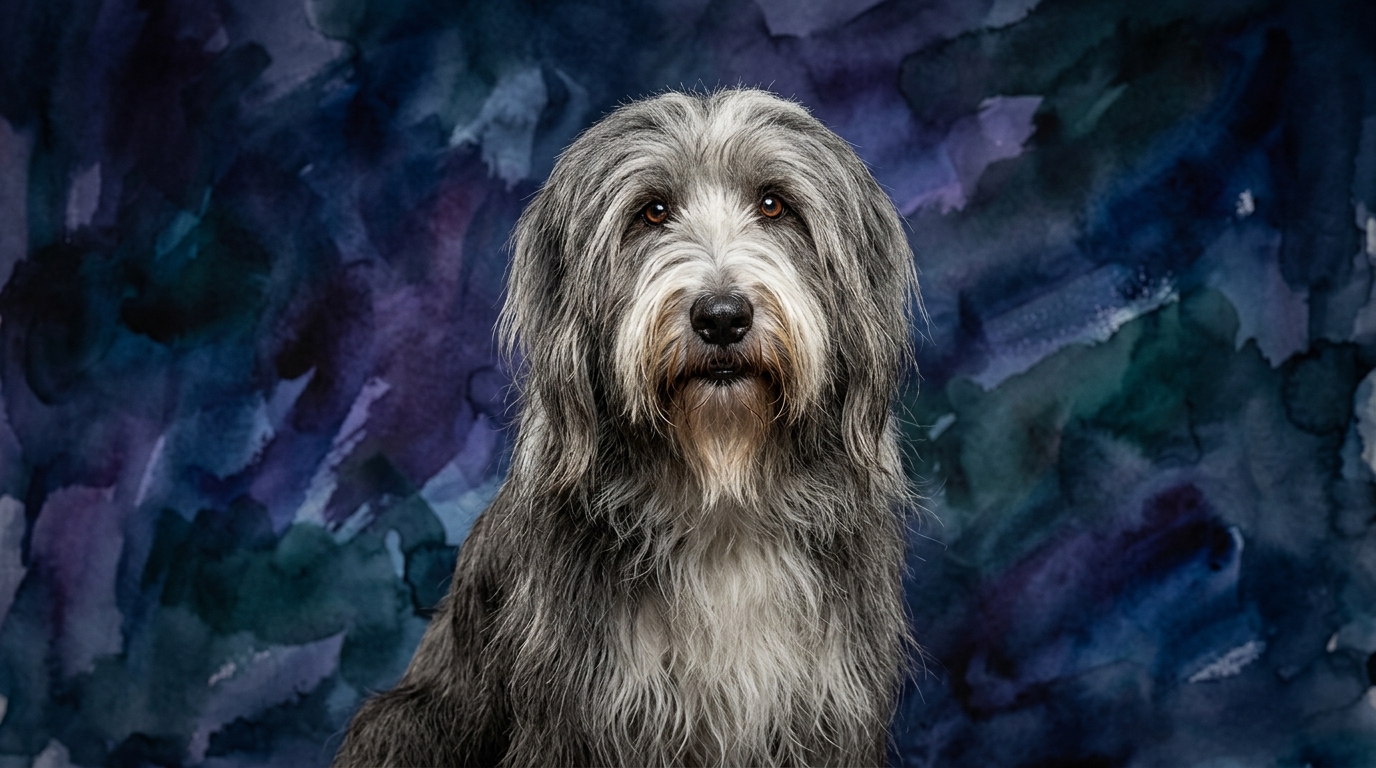
The **Bearded Collie**, ranking #34 on Coren's scale, demonstrates a robust cognitive profile befitting its heritage. Its Problem Solving is rated 4/5, indicating an aptitude for navigating complex situations and finding solutions independently. Training Speed also scores 4/5, suggesting a quick grasp of new commands and sequences. Social Intelligence is 3/5, reflecting an ability to read cues but perhaps with a focus more on task than intricate social dynamics. Instinctive Drive, at 3/5, points to a moderate but present genetic predisposition for specific behaviors, while Memory, at 4/5, highlights their capacity to retain information over time, crucial for herding large areas.
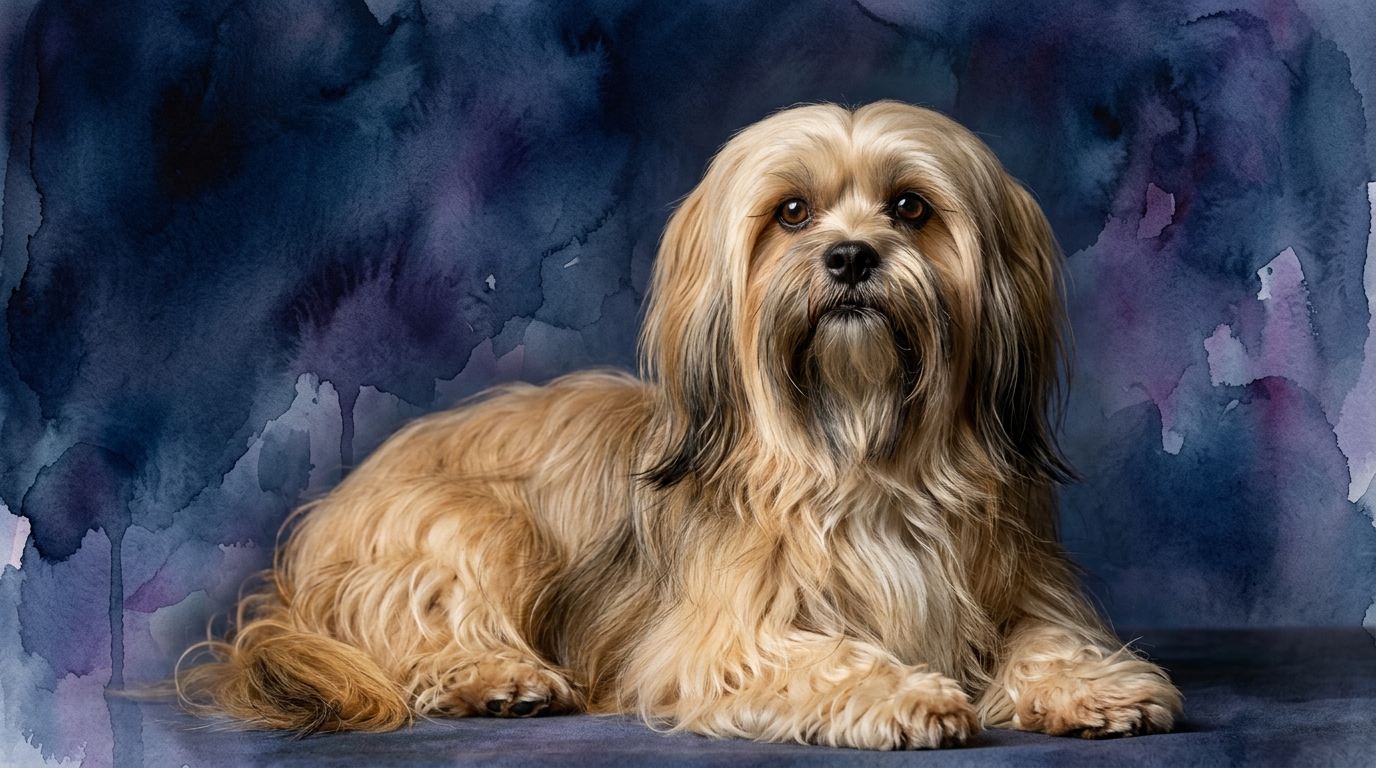
In contrast, the **Lhasa Apso**, positioned at #68 on Coren's scale, exhibits a cognitive makeup tailored for its specific role as a watchful indoor guardian. Its Problem Solving is rated 3/5, meaning they can tackle challenges but might rely more on established patterns or persistence than novel solutions. Training Speed also sits at 3/5, suggesting a steady, rather than rapid, learning pace that requires patience and consistency. Social Intelligence is 3/5, indicating an awareness of social cues, particularly within their immediate family unit, but with a degree of independence. Instinctive Drive is 3/5, primarily focused on alertness and territorial defense. Memory, at 3/5, allows them to recall routines and familiar faces, but perhaps not with the extensive detail required for complex, dynamic tasks.
Where the Bearded Collie Excels Cognitively
The Bearded Collie's cognitive strengths are deeply rooted in its herding origins, tasks that demanded independent decision-making, spatial awareness, and the ability to adapt to unpredictable livestock movements. Their 4/5 Problem Solving manifests in their capacity to figure out puzzles, navigate intricate environments, and even outsmart livestock. For instance, a Bearded Collie might instinctively understand how to flank a flock to move it in a specific direction, even without explicit command, or quickly learn the most efficient route through an agility course. This cognitive flexibility and drive to work through challenges are distinct.
Furthermore, their 4/5 Training Speed means they absorb new information rapidly, making them adept at learning complex command chains or specialized tasks. This isn't just about obedience; it's about processing multi-step instructions and applying them effectively. Their superior Memory (4/5) allows them to recall vast amounts of spatial information – the layout of a large field, the location of specific sheep, or the sequence of an agility routine – and apply past experiences to new situations. This breed thrives on mental engagement that challenges their capacity for independent thought and rapid learning.
Where the Lhasa Apso Excels Cognitively
The Lhasa Apso's cognitive advantages are shaped by centuries of acting as sentinels in Tibetan monasteries and homes, roles demanding vigilance, discernment, and a strong sense of territory. While their Problem Solving and Training Speed are rated 3/5, their social intelligence, also 3/5, combined with their instinctive drive (3/5) for observation, sets them apart. They excel at sustained attentiveness to their environment, keenly noticing subtle changes in sounds or sights that might indicate an intruder. This isn't about solving a complex puzzle, but about maintaining a consistent, low-level cognitive alert state.
Their memory (3/5) is particularly strong for recognizing familiar faces and routines, making them excellent at distinguishing family from strangers, a crucial aspect of their guardian role. They possess an independent streak that, while sometimes perceived as stubbornness in training, is actually a cognitive strength in their historical context. It means they are less likely to be easily swayed or distracted from their duty, making their own judgments about perceived threats. This breed's cognitive strengths lie in their unwavering loyalty, observational prowess, and self-assured decision-making within their established territory.
Training: Ease and Behavioral Differences
When it comes to training, the cognitive profiles of these two breeds lead to distinct experiences. The Bearded Collie, with its 4/5 Training Speed and 4/5 Problem Solving, generally presents as easier to train. They possess a strong desire to engage with their handler and a natural inclination to understand and execute tasks. Their herding background means they are accustomed to working in partnership and responding to cues, making them receptive to various training methods, especially positive reinforcement. They learn new commands quickly and enjoy the mental stimulation of new challenges, often picking up complex tricks or sports rapidly.
The Lhasa Apso, with 3/5 in both Training Speed and Problem Solving, requires a different approach. While capable of learning, their pace is more measured, and their independent, self-assured nature means they might question the necessity of a command if it doesn't align with their own perceived agenda. This isn't a lack of ability, but a difference in motivation and approach. Training a Lhasa Apso demands exceptional patience, consistency, and a deep understanding of their independent mindset. They respond best to positive reinforcement, short sessions, and clear, consistent expectations, as they can become resistant if they feel coerced or bored. Their territorial instincts can also make socialization training crucial from a young age.
Suitability for Active vs. Relaxed Owners
The divergence in cognitive needs and historical roles makes these breeds suitable for different owner lifestyles. The Bearded Collie is an ideal companion for active owners who relish engaging in dog sports, long hikes, and consistent mental stimulation. Their high problem-solving capacity and rapid learning mean they thrive on activities like agility, obedience, herding trials, or even simply complex trick training. Owners who enjoy spending significant time outdoors and appreciate a dog that can keep up physically and mentally will find a rewarding partnership with a Bearded Collie. They require an outlet for their intelligence and energy to prevent boredom and potential behavioral issues.
The Lhasa Apso, conversely, is better suited for owners who appreciate a more relaxed, yet attentive, companion. While they enjoy walks and playtime, their exercise needs are generally moderate. Their cognitive strengths lean towards observation and companionship rather than intense physical or problem-solving tasks. Owners who enjoy a watchful presence, are prepared for an independent streak, and value a dog that is content with a cozy spot indoors while remaining alert to its surroundings, will find the Lhasa Apso a fitting match. They are often happy with a daily stroll and plenty of indoor family interaction, though mental engagement through consistent training is still beneficial to manage their strong will.
The Verdict
Choose a Bearded Collie if you are an active owner seeking a highly trainable, mentally agile partner for sports, complex tasks, and outdoor adventures.
Opt for a Lhasa Apso if you prefer a watchful, independent companion with moderate exercise needs, valuing their discerning nature and strong bond with their family.
🧠 Find Your Pet's IQ Score
Our Pet IQ Lab assessment covers 25+ tests across 5 cognitive dimensions — personalized to your breed.
Take the Full IQ Test →Frequently Asked Questions
Do Bearded Collies need a lot of mental stimulation?
Yes, Bearded Collies absolutely thrive on mental stimulation due to their 4/5 Problem Solving and 4/5 Memory. They need regular engagement through training, puzzles, or dog sports to keep their active minds content and prevent boredom-related behaviors.
Is the Lhasa Apso difficult to train due to its independence?
The Lhasa Apso's independence (reflected in 3/5 Training Speed and Problem Solving) means they require consistent, positive reinforcement training from a young age. While not inherently difficult, their self-assured nature means owners need patience and engaging methods to motivate them effectively.
Which breed is better for first-time dog owners?
The Bearded Collie's higher trainability and desire to please might make them slightly more forgiving for a first-time owner prepared for their energy needs. The Lhasa Apso's independent streak and specific training requirements might be better suited for owners with some prior dog experience or a strong commitment to consistent, positive training.