
Side-by-Side Cognitive Profile
The Cosmic Pet Pet IQ Lab offers a nuanced look at canine cognition, rating breeds across five crucial dimensions. For the German Shepherd, all five dimensions score an impressive 5/5. Their Problem Solving is exceptional, meaning they quickly assess situations and devise effective solutions, often demonstrating ingenuity in navigating complex environments or tasks. Training Speed is equally outstanding; they assimilate new commands and routines with remarkable rapidity, often grasping concepts in very few repetitions. Their Social Intelligence is profound, allowing them to deeply understand human cues, emotions, and intentions, making them highly empathetic and responsive partners. An Instinctive Drive of 5/5 highlights their powerful, innate motivation to work and perform, channeling their instincts for herding and protection into purposeful activities. Finally, their Memory is superb, contributing to reliable recall and consistent execution of learned behaviors over time.
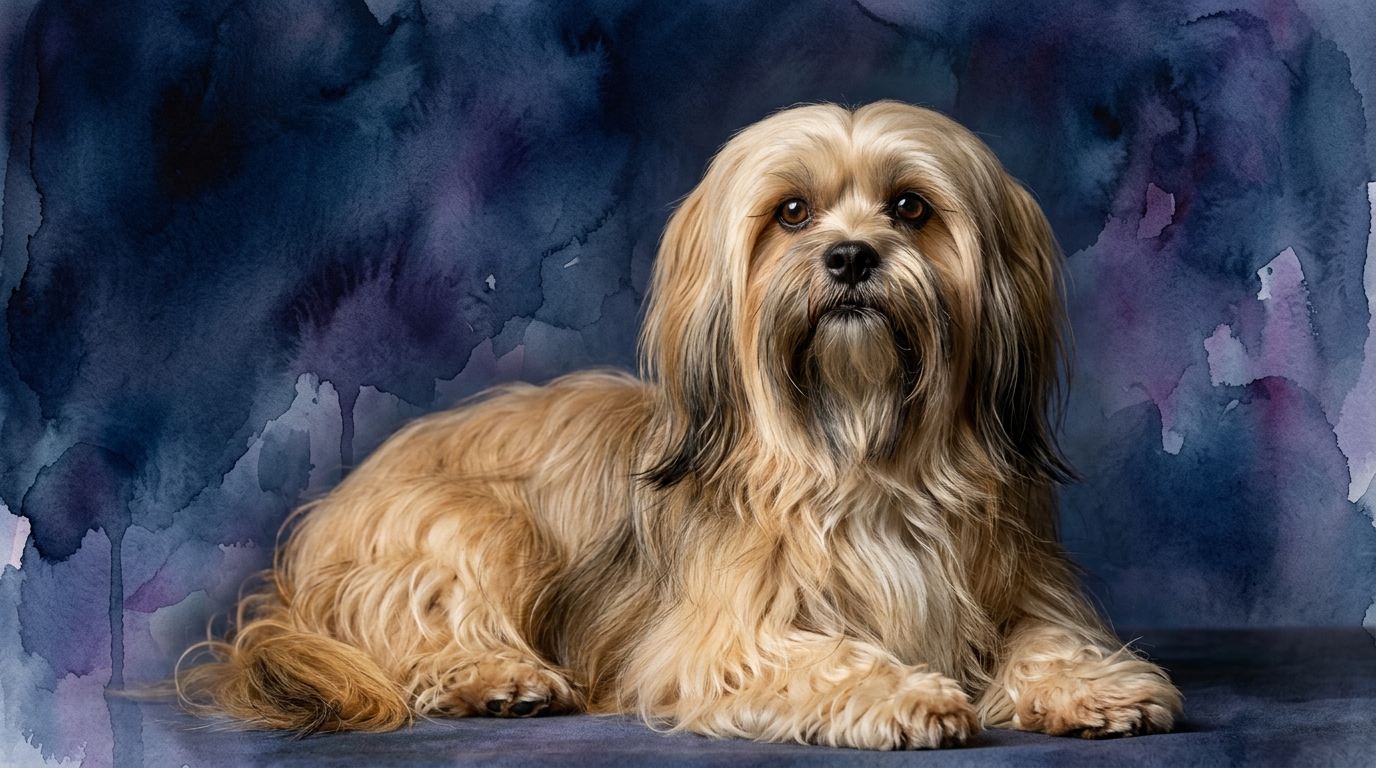
In contrast, the Lhasa Apso presents a different cognitive blueprint, scoring 3/5 across all five IQ dimensions. Their Problem Solving abilities are moderate; they can figure out familiar challenges but may require more trial-and-error or human guidance for novel, complex tasks. Training Speed is steady rather than rapid; they learn at their own pace, often requiring more repetitions and consistent motivation due to their independent streak. Social Intelligence is respectable, allowing them to understand basic human moods and interactions within their immediate family, though they tend to be more reserved with strangers. Their Instinctive Drive, while present, leans more towards alert guardianship and companionship rather than intense work, manifesting as a keen awareness of their surroundings. Their Memory is good for routines and familiar commands, but perhaps not as broad or immediate for intricate sequences as breeds with higher scores.
Where the German Shepherd Excels Cognitively
The German Shepherd's cognitive strengths are rooted in their capacity for intricate analytical processing and sustained focus. Their superior problem-solving enables them to rapidly evaluate novel situations, such as figuring out how to retrieve a toy from an inaccessible spot or learning a multi-step agility course with minimal guidance. This breed's profound social intelligence allows them to interpret subtle human body language and vocal inflections, making them exceptionally responsive partners in tasks requiring close collaboration. Furthermore, their powerful instinctive drive translates into unwavering persistence, whether tracking a scent or performing protection duties, maintaining high performance over long durations where other breeds might falter. This combination of mental agility and deep-seated motivation positions them at the forefront of working dog capabilities.
Where the Lhasa Apso Shines Cognitively
While not bred for complex working roles, the Lhasa Apso demonstrates unique cognitive advantages particularly suited to their historical purpose as sentinels. Their social intelligence, though not as broad as a German Shepherd's, is acutely tuned to their immediate family, fostering deep, intuitive bonds that often feel almost telepathic to their owners. They possess an exceptional awareness of their home environment, quickly detecting and reacting to changes in sounds or sights, a testament to their keen observational skills. This vigilance, coupled with a selective memory for perceived threats or strangers, makes them highly effective and persistent guardians of their territory. Their problem-solving, while not geared towards intricate tasks, is adept at finding comfortable spots or navigating household dynamics to get what they want, often through charming persistence.
Training: German Shepherd's Eagerness vs. Lhasa Apso's Independence
From a purely functional perspective, the German Shepherd is undeniably easier to train for a wide array of commands and complex tasks. Their 5/5 training speed and memory mean they absorb new information rapidly, often generalizing learned behaviors to new situations with ease. They exhibit a strong desire to work alongside their handler, a trait stemming from their herding lineage, making them highly receptive to instruction. A German Shepherd typically thrives on structured training, viewing it as an engaging activity and a way to bond. In contrast, the Lhasa Apso, with a 3/5 training speed, requires a more patient and consistent approach. Their independent nature and historical role as companion-guardians means they often prioritize their own comfort or perceived necessity over immediate obedience. While they can certainly learn, their process is slower, and they may decide whether a command is worth performing based on their current motivation, requiring owners to make training highly rewarding and engaging to overcome their inherent stubbornness.
Matching Breeds to Lifestyles: Active vs. Relaxed Owners
The German Shepherd is an ideal match for active owners who can provide consistent mental and physical engagement. Their 5/5 instinctive drive demands purposeful activity, whether it's advanced obedience, agility, herding trials, or simply long, challenging hikes. Owners who thrive on partnering with a dog for training and outdoor adventures will find the German Shepherd's boundless energy and desire to work incredibly rewarding. Conversely, the Lhasa Apso aligns well with more relaxed owners seeking a devoted, watchful companion. While they enjoy daily walks and playtime, their exercise needs are moderate, aligning with a more sedentary lifestyle. Their cognitive strengths are best utilized in a home environment where they can act as a vigilant observer, content with being near their family and offering timely alerts to perceived intruders, rather than demanding strenuous physical or mental tasks.
The Verdict
Choose a German Shepherd if you seek a highly trainable, versatile working partner eager for complex tasks, demanding consistent mental and physical engagement from an active owner. Their profound cognitive abilities make them exceptional for roles requiring precision, focus, and unwavering dedication.
Opt for a Lhasa Apso if you desire a devoted, vigilant companion with moderate exercise needs, content to guard your home and offer deep, intuitive companionship to a more relaxed owner. Their independent spirit and selective engagement require patience but reward with steadfast loyalty.
🧠 Find Your Pet's IQ Score
Our Pet IQ Lab assessment covers 25+ tests across 5 cognitive dimensions — personalized to your breed.
Take the Full IQ Test →Frequently Asked Questions
Do German Shepherds get bored easily?
Yes, German Shepherds, with their 5/5 problem-solving and instinctive drive, require significant mental stimulation to prevent boredom. Without engaging activities like training, puzzle toys, or purposeful tasks, they can become restless and may develop undesirable behaviors stemming from their unused cognitive energy.
Are Lhasa Apsos difficult to house train?
Lhasa Apsos can be more challenging to house train due to their independent nature and smaller bladders. Consistent routines, frequent potty breaks, and positive reinforcement are crucial to success, as their 3/5 training speed means they may take longer to grasp the concept compared to more eager-to-please breeds.
How do their social needs differ?
German Shepherds, with 5/5 social intelligence, thrive on extensive social interaction and involvement in family activities, often forming strong bonds with multiple individuals. Lhasa Apsos, at 3/5 social intelligence, tend to be more selective, forming deep bonds with a primary few and often being more reserved or wary of strangers, valuing their personal space.