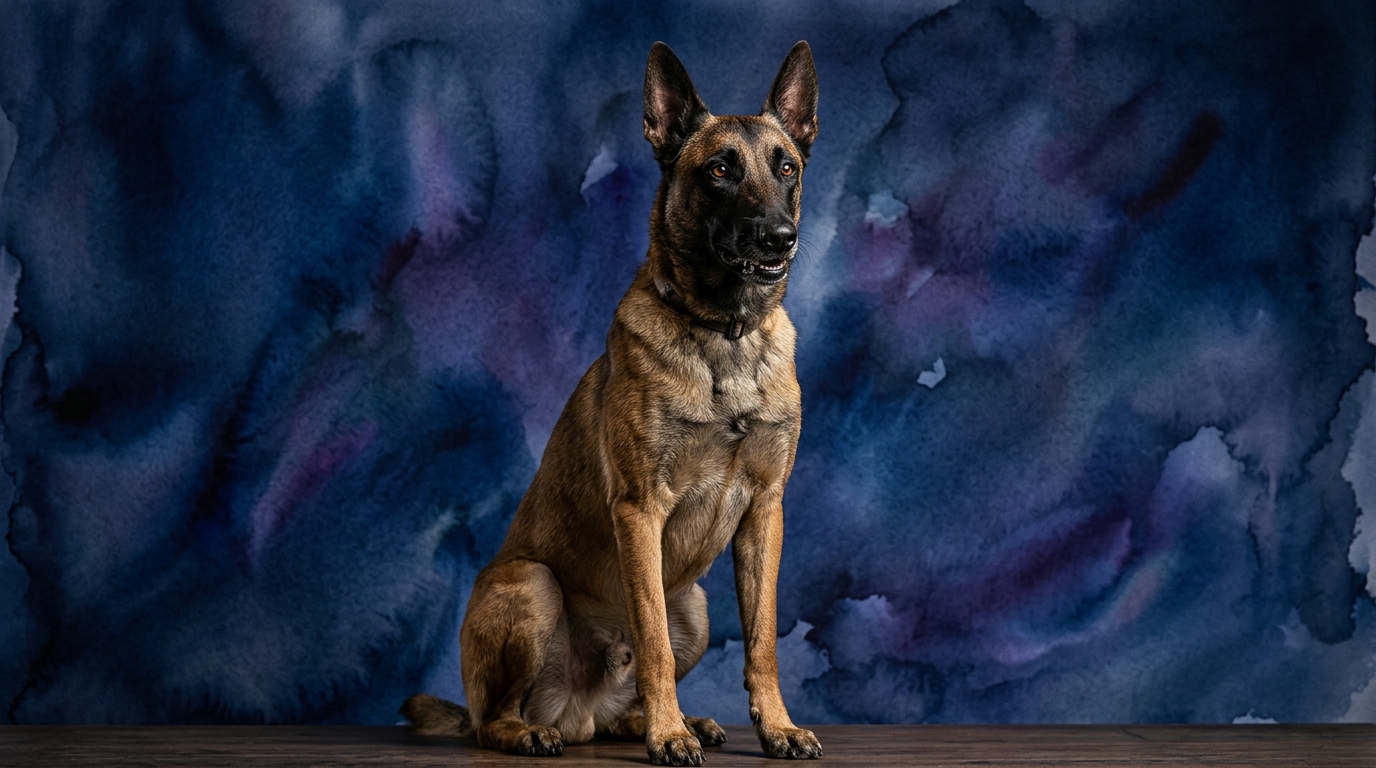
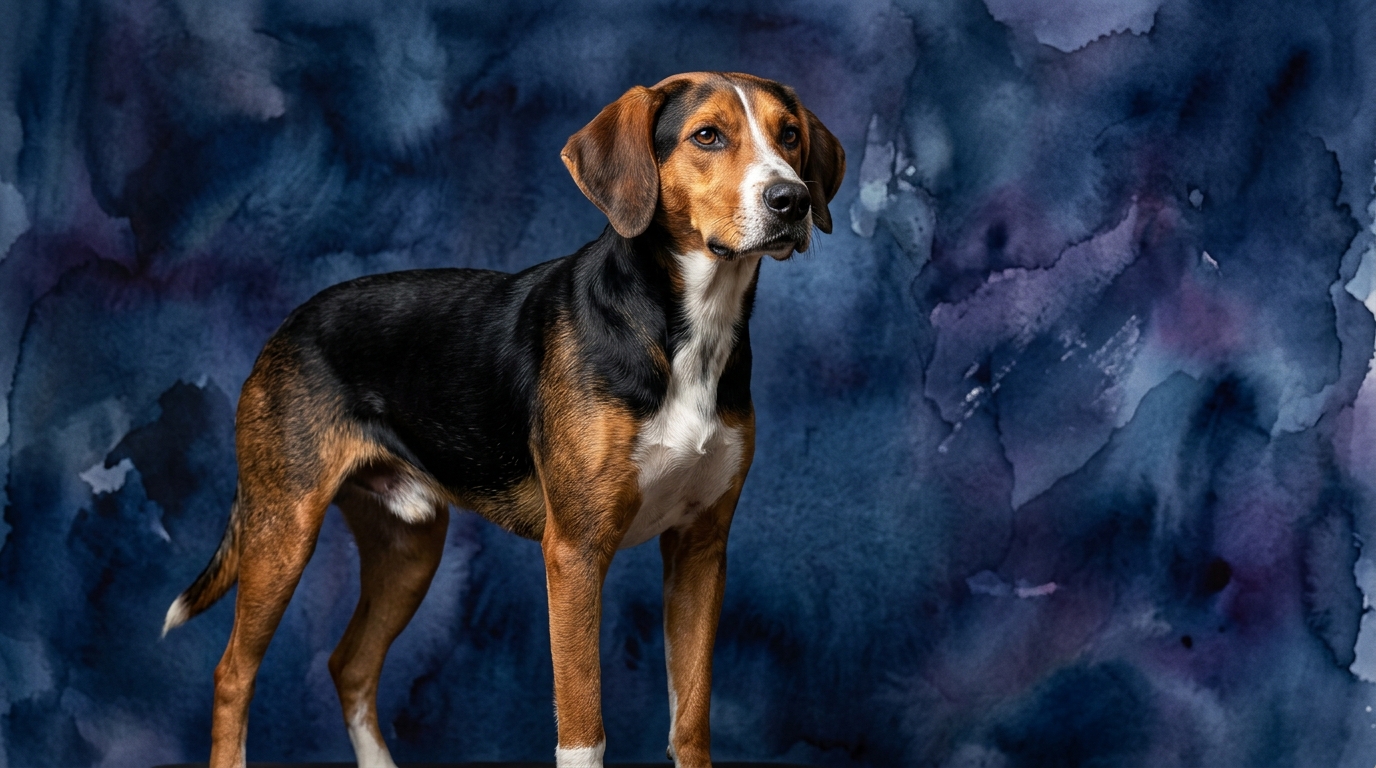
Side-by-Side IQ Profile: Malinois vs. Foxhound
The Cosmic Pet Pet IQ Lab employs a five-dimensional framework to assess canine intelligence, offering a nuanced view beyond simple obedience. For the Belgian Malinois, a Coren rank of #22 signifies a breed engineered for complex tasks and responsiveness, while the American Foxhound, not Coren-ranked, embodies a different set of cognitive priorities.
For the Belgian Malinois:
Problem Solving (5/5): This breed exhibits exceptional aptitude for intricate tasks, demonstrating strategic foresight in novel situations. Their cognitive flexibility allows them to quickly process information and adapt tactics, excelling at complex scenarios like obstacle courses or detection work under pressure, always seeking the most efficient solution.
Training Speed (5/5): Malinois learn new commands with remarkable rapidity, often grasping concepts in just a few repetitions. Their eagerness to engage and inherent focus on their handler contribute to this swift acquisition, enabling extensive and sophisticated training regimens for diverse roles.
Social Intelligence (4/5): They possess a keen ability to interpret human body language and vocal cues, forming deep, cooperative bonds with their primary handlers. While highly attuned to their working partners, their social interactions prioritize clear communication and purpose, making them discerning companions.
Instinctive Drive (5/5): An intense prey drive and robust herding instincts fuel their tireless work ethic and focus. This innate motivation is channelled into high-performance activities, driving their pursuit of tasks with unwavering determination and stamina, making them excel in demanding roles.
Memory (5/5): The Malinois retains a vast repertoire of commands, complex procedures, and environmental details with impressive long-term recall. This robust memory is crucial for their ability to execute multi-stage tasks flawlessly and remember intricate routines over extended periods.
For the American Foxhound:
Problem Solving (3/5): While capable, the American Foxhound typically approaches problems with a more instinctual rather than analytical mindset. Their problem-solving often revolves around navigating terrain and overcoming obstacles in pursuit of a scent, rather than abstract conceptual tasks, focusing on olfactory cues.
Training Speed (3/5): Foxhounds learn at a moderate pace, requiring consistent, patient, and often highly motivating training methods. Their strong independent streak and susceptibility to scent distractions mean repetition and engaging techniques are essential for command retention.
Social Intelligence (3/5): These dogs are generally amiable and enjoy companionship, often thriving in a pack environment. However, their social interactions are often less focused on intricate human direction, making them less inclined to constantly seek human instruction compared to a working breed.
Instinctive Drive (3/5): The American Foxhound's primary drive is an unwavering devotion to scent. This powerful instinct propels them to follow trails for extended periods, often overriding other stimuli, but it's less about controlled, directed tasks and more about sustained, independent pursuit.
Memory (3/5): Foxhounds remember routines and basic obedience commands, especially those associated with positive experiences or their hunting activities. However, their memory is generally not geared towards recalling complex sequences or nuanced environmental details in the same way a working breed's might be.
Where the Belgian Malinois Wins Cognitively
The Belgian Malinois demonstrably excels in scenarios demanding precise execution, rapid learning, and sustained focus on a handler's directives. Their superior problem-solving acumen allows them to quickly assess complex situations, such as navigating an agility course with unexpected changes or identifying specific targets in a crowded environment, formulating an effective real-time response. This breed's training speed is unparalleled, enabling them to master new commands or multi-step routines in a fraction of the time many other breeds require, making them ideal for high-stakes roles. Furthermore, the Malinois’s robust memory ensures intricate learned behaviors are retained with remarkable fidelity, allowing for consistent performance even after long periods. Their high social intelligence and intense instinctive drive to work mean they constantly seek to engage and fulfill tasks, translating into exceptional performance in obedience, protection, and detection disciplines.
Where the American Foxhound Wins Cognitively
Conversely, the American Foxhound showcases distinct cognitive strengths, particularly in olfaction and independent navigation. Their instinctive drive, supremely specialized towards scent work, gives them an unparalleled advantage in tracking and trailing. A Foxhound can follow a cold trail for miles, demonstrating incredible perseverance and an ability to filter out countless environmental distractions solely to maintain focus on a specific scent signature. This highly specialized problem-solving involves intricate scent discrimination and a deep, instinctual understanding of terrain and wind currents, allowing them to make independent decisions crucial for successful pursuit. Their cognitive architecture is optimized for sustained, autonomous exploration guided by their nose, rather than constant human direction. Their intellectual prowess in navigating complex scent puzzles across varied landscapes is a testament to a different, yet equally impressive, form of canine intelligence.
Which is Easier to Train and Why
Without question, the Belgian Malinois presents a significantly easier training experience for most owners due to inherent behavioral traits. Their exceptional training speed means they pick up new commands and concepts with minimal repetition, eager to please and engage with their handler. This breed possesses an intense focus and a strong desire for structured work, viewing training as a fulfilling activity. Their high social intelligence ensures they are constantly attuned to human cues, making communication clear and effective. Conversely, the American Foxhound typically poses more training challenges. Their powerful instinctive drive for scent often overrides other stimuli, leading to easy distraction during training. Foxhounds exhibit a more independent nature, less inclined to constantly seek human direction or approval compared to a Malinois. Training a Foxhound requires immense patience, creative motivation (often scent-based rewards), and an understanding that their primary intellectual focus lies in autonomous exploration, not necessarily precision obedience.
Which Suits Active Owners vs. Relaxed Owners
The choice between these two breeds starkly delineates between owners seeking an intense partnership and those desiring an active but more independent companion. The Belgian Malinois is unequivocally suited for extremely active, experienced, and dedicated owners who can provide a ceaseless stream of physical exertion and complex mental challenges. They thrive on having a 'job,' whether it's competitive dog sports, advanced obedience, or protection work, and will become destructive or anxious if under-stimulated. They are not a breed for relaxed owners; their demands for engagement and purpose are profound. In contrast, the American Foxhound, while still requiring significant activity, fits a different kind of active owner. These are individuals who enjoy long hikes, trail running, or field activities where a dog can indulge its natural inclination to explore and follow scents. After sufficient exercise, a Foxhound is typically content to relax indoors, often enjoying the company of its family without demanding constant structured engagement. They suit owners who appreciate an independent spirit and are prepared for a dog whose primary joy comes from its nose, rather than constant human-directed tasks.
The Verdict
For individuals seeking an unparalleled working partner, capable of mastering complex tasks with precision and unwavering focus, the Belgian Malinois is the definitive choice.
If your lifestyle involves extensive outdoor activity and you appreciate a dog with an independent spirit whose greatest joy is following a scent trail, the American Foxhound will be a rewarding companion.
🧠 Find Your Pet's IQ Score
Our Pet IQ Lab assessment covers 25+ tests across 5 cognitive dimensions — personalized to your breed.
Take the Full IQ Test →Frequently Asked Questions
Can an American Foxhound be trained for advanced obedience or protection work?
While an American Foxhound can learn basic obedience, its independent nature and primary drive for scent make it less suitable for advanced obedience or protection work compared to breeds like the Malinois. Their cognitive strengths lie in sustained autonomous tracking rather than handler-focused precision.
Is a Belgian Malinois suitable for a first-time dog owner?
Generally, a Belgian Malinois is not recommended for first-time dog owners. Their intense drive, high energy, and demanding cognitive needs require an experienced handler who understands working breed psychology and can provide consistent, structured training and stimulation.
How do their exercise needs differ beyond just activity level?
A Malinois requires exercise that is both physically demanding and mentally engaging, often involving complex training sessions or sport to prevent boredom. A Foxhound needs extensive physical exercise, primarily through long walks or runs where it can explore scents, but its mental stimulation is often satisfied by this olfactory exploration rather than structured tasks.