Side-by-Side IQ Profile
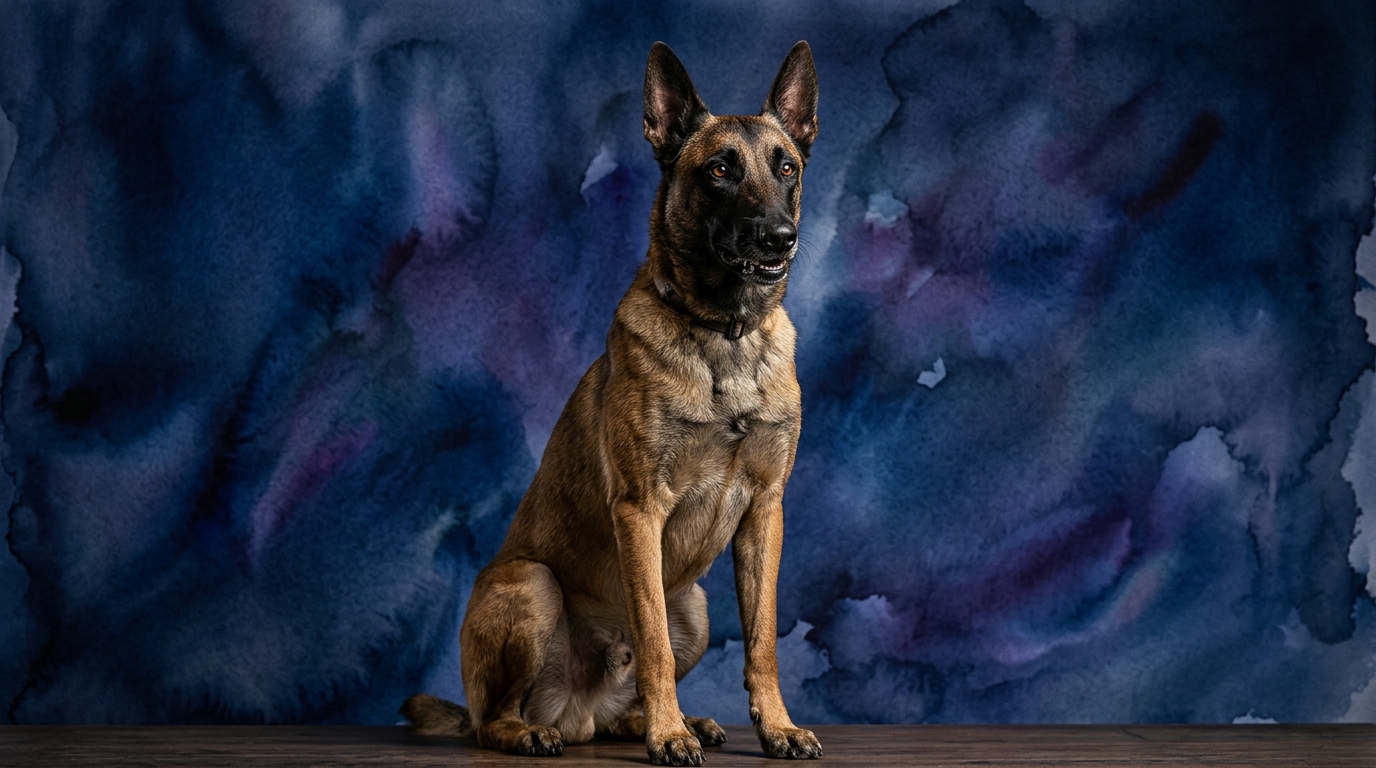
At The Cosmic Pet Pet IQ Lab, we evaluate canine intelligence across five key dimensions. The Belgian Malinois, a Herding group dog, registers a Coren rank of #22, reflecting a substantial cognitive capacity. Its Problem Solving is rated 5/5, indicating an exceptional ability to analyze novel situations and devise effective solutions. Training Speed also scores 5/5, meaning new commands are grasped with remarkable swiftness, often requiring only a handful of repetitions. Social Intelligence stands at 4/5; these dogs are acutely aware of their handler's cues and intentions, though their focus is primarily task-oriented. Instinctive Drive, at 5/5, speaks to their profound motivation for work, whether it's herding, protection, or scent detection, propelling them with relentless focus. Memory, a perfect 5/5, ensures long-term retention of complex sequences, learned behaviors, and environmental details.
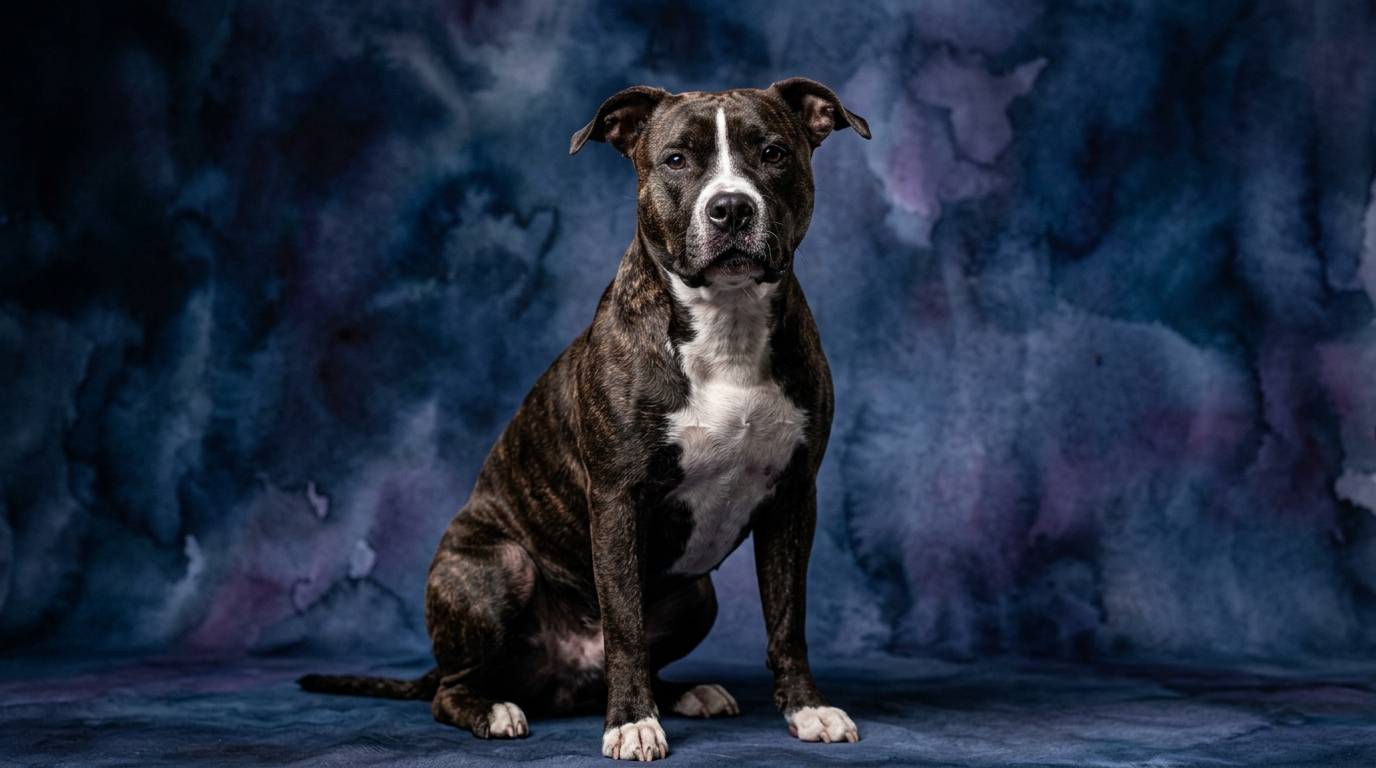
In contrast, the American Staffordshire Terrier, a Terrier group dog, holds a Coren rank of #48, suggesting a solid but different cognitive profile. Its Problem Solving is rated 3/5, indicating competence with familiar tasks and learned routines, though they may require more guidance with truly novel or abstract challenges. Training Speed is 3/5; they learn new commands with consistent effort and repetition, showing steady progress rather than instant comprehension. Social Intelligence is also 3/5; they are generally friendly and responsive to human interaction, capable of forming strong bonds and reading basic emotional states, but perhaps less acutely attuned to subtle handler directives in a working context. Instinctive Drive, at 3/5, reflects a tenacity typical of terriers, with a drive to pursue and engage, but generally less intense or specialized than a Malinois. Memory scores 4/5, signifying good retention of commands, routines, and positive experiences, contributing to their reliability as companions.
Where Belgian Malinois Wins Cognitively
The cognitive strengths of the Belgian Malinois are evident across multiple dimensions, particularly in its capacity for complex work. Its 5/5 Problem Solving score means it excels at navigating intricate scenarios, such as disarming a simulated threat or locating a hidden object in a dynamic environment, often demonstrating foresight and adaptive strategies. This isn't merely about following commands; it's about interpreting a situation and applying learned principles to achieve a goal. The breed's 5/5 Training Speed allows for the rapid acquisition of extensive repertoires of commands and behaviors, enabling them to transition quickly between tasks and learn specialized skills with unparalleled efficiency. Furthermore, its 5/5 Instinctive Drive is a cognitive asset, providing the unwavering focus and motivation necessary to sustain high-intensity work for prolonged periods, even under distracting conditions. This drive, coupled with a 5/5 Memory, allows them to internalize vast amounts of information and apply it consistently, making them formidable partners in roles demanding precision and endurance. They can recall complex scent trails, remember intricate obstacle courses, or execute multi-step protection routines flawlessly, demonstrating a comprehensive cognitive integration of skill, drive, and retention.
Where American Staffordshire Terrier Wins Cognitively
While the American Staffordshire Terrier's cognitive profile differs from the Malinois, it possesses distinct strengths that make it an exceptional companion and capable learner in its own right. Its 4/5 Memory score is a significant asset, ensuring that once a behavior or command is learned through consistent practice, it is retained effectively. This solid retention contributes to their reliability and makes them predictable, well-mannered companions over time. While their Problem Solving is rated 3/5, their tenacity, an aspect of their 3/5 Instinctive Drive, allows them to persist with tasks until they succeed, even if it takes more repetitions or a different approach. This mental fortitude is valuable in training, as they are less likely to give up on a challenge. Their 3/5 Social Intelligence, while not as acutely task-focused as a Malinois, often translates into a broader, more generalized approach to social interactions. They are typically open to engaging with a wider variety of people and situations in a companion setting, often exhibiting a friendly and adaptable demeanor, which can be a cognitive advantage in diverse social environments outside of highly structured work. This blend of good memory, tenacious drive, and adaptable social engagement makes them highly suitable for integrated family life and general obedience.
Which is Easier to Train and Why
Determining which breed is 'easier' to train depends entirely on the trainer's skill and objectives, as their cognitive approaches to learning are quite distinct. The Belgian Malinois, with its 5/5 Training Speed and 5/5 Problem Solving, learns new concepts and commands almost instantaneously. They require very few repetitions to grasp an instruction and can quickly chain together complex behaviors. However, this mental agility comes with an intense 5/5 Instinctive Drive and a high need for mental engagement. If their cognitive capacity isn't consistently challenged and channeled into constructive activities, they can become bored, frustrated, and develop undesirable behaviors, making them 'difficult' for an inexperienced owner. Their acute 4/5 Social Intelligence means they are constantly observing and responding to their handler, which requires the handler to be equally precise and consistent in their communication.
The American Staffordshire Terrier, with a 3/5 Training Speed, requires more patience and repetition to learn new commands. Their Problem Solving at 3/5 suggests they benefit from tasks being broken down into smaller, manageable steps. However, their 4/5 Memory ensures that once a behavior is learned, it's retained well. Their 3/5 Instinctive Drive, while still present, is generally less overwhelming than a Malinois, making them less prone to destructive boredom if their needs aren't met with the same intensity. Their 3/5 Social Intelligence means they respond very well to positive reinforcement and bond deeply with their families, which can make training a rewarding experience. For a novice owner, the AmStaff's more moderate pace of learning and manageable drive might feel 'easier' because the consequences of minor training inconsistencies are less severe and immediate than with a highly driven Malinois.
Which Suits Active Owners vs. Relaxed Owners
The cognitive and physical demands of these two breeds dictate their suitability for different lifestyles. The Belgian Malinois is unequivocally suited for highly active owners who are prepared to integrate their dog into an intense, structured routine. Their 5/5 Instinctive Drive and need for constant mental stimulation mean they thrive when given a 'job'—be it advanced obedience, protection work, agility, or competitive sports. An owner must be prepared for daily, vigorous exercise combined with extensive, challenging training sessions that tap into their 5/5 Problem Solving and 5/5 Memory. A relaxed owner attempting to integrate a Malinois into a sedentary lifestyle would likely find themselves overwhelmed by the dog's unmet cognitive and physical needs, potentially leading to anxiety, destructive behaviors, or hyperactive tendencies.
The American Staffordshire Terrier, while still requiring regular activity and mental engagement, is a better fit for owners with a more moderate activity level. Their 3/5 Instinctive Drive suggests they enjoy daily walks, play sessions, and consistent training, but do not typically demand the same intensity or duration of structured work as a Malinois. Their 4/5 Memory makes them reliable companions for established routines, and their 3/5 Social Intelligence means they generally enjoy being part of family activities without needing a constant 'task.' An AmStaff can thrive with an owner who provides consistent, positive training, regular exercise, and ample companionship, making them more adaptable to a relaxed family environment, provided their basic needs for stimulation and interaction are met.
The Verdict
For those seeking a canine partner for demanding working roles or competitive sports, requiring exceptional cognitive agility, rapid learning, and unwavering drive, the Belgian Malinois is an unparalleled choice. However, this partnership demands an experienced, dedicated owner prepared to meet an intense daily regimen of physical and mental challenges.
If your lifestyle calls for a robust, loyal companion who thrives on consistent training, moderate activity, and deep family bonds, the American Staffordshire Terrier offers a rewarding experience, being generally more forgiving for owners who can provide structure without the extreme demands of a working Malinois.
🧠 Find Your Pet's IQ Score
Our Pet IQ Lab assessment covers 25+ tests across 5 cognitive dimensions — personalized to your breed.
Take the Full IQ Test →Frequently Asked Questions
Are Belgian Malinois dogs naturally more aggressive than American Staffordshire Terriers?
Neither breed is inherently aggressive; temperament is heavily influenced by genetics, socialization, and training. A Malinois' high drive and protective instincts, if not properly channeled, can be misdirected, while an AmStaff's terrier tenacity can be misunderstood. Both breeds require responsible ownership and early, consistent socialization to develop into well-adjusted adults.
Do American Staffordshire Terriers need as much exercise as Belgian Malinois?
No, Belgian Malinois typically require significantly more intense and structured exercise, often several hours daily, due to their working dog heritage and profound drive. American Staffordshire Terriers need regular, moderate exercise, such as daily walks, play sessions, and mental stimulation, but generally not the same level of sustained, high-impact activity as a Malinois.
Which breed is better for first-time dog owners?
Neither breed is typically recommended for entirely novice dog owners without substantial research and commitment. However, if forced to choose, the American Staffordshire Terrier is generally more forgiving for a first-time owner due to its more moderate drive and activity needs compared to the very intense and demanding Belgian Malinois, which requires advanced handling skills and an experienced approach.