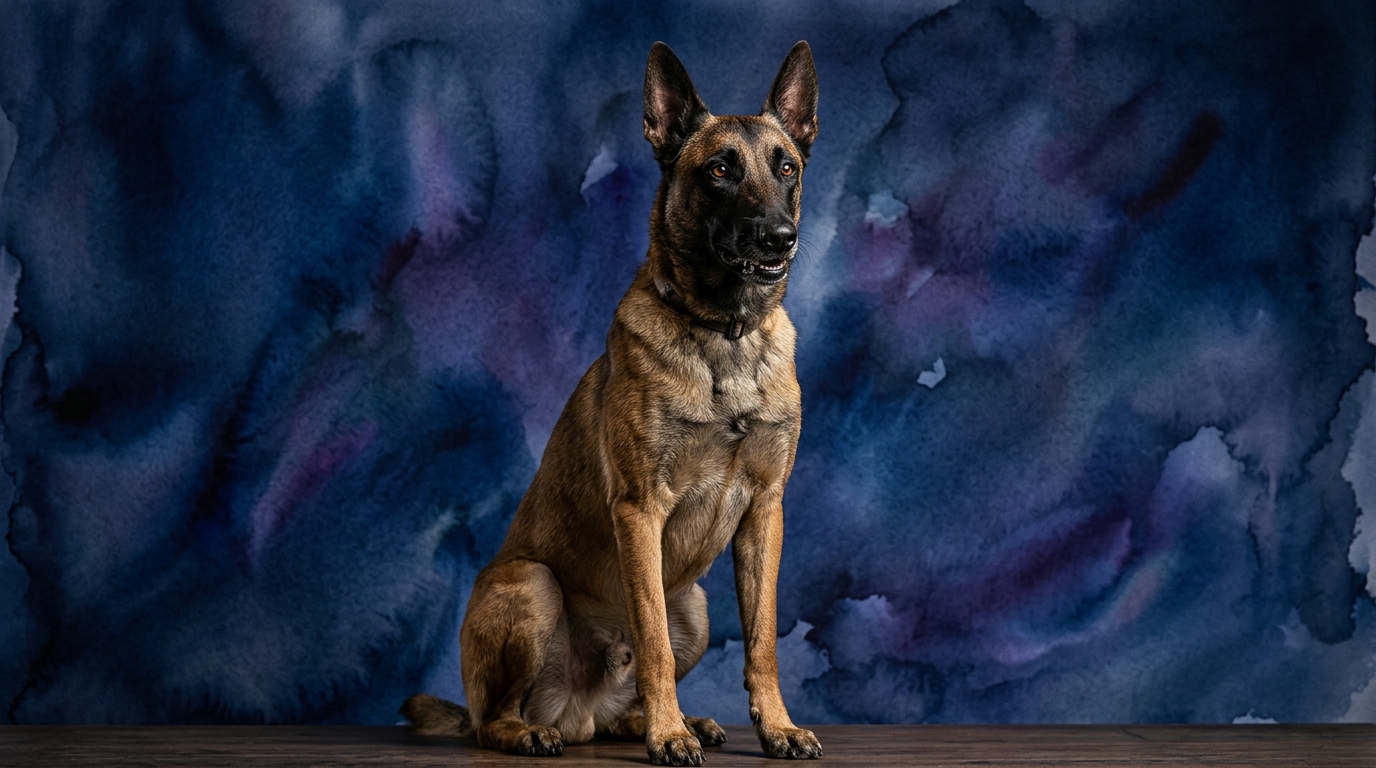
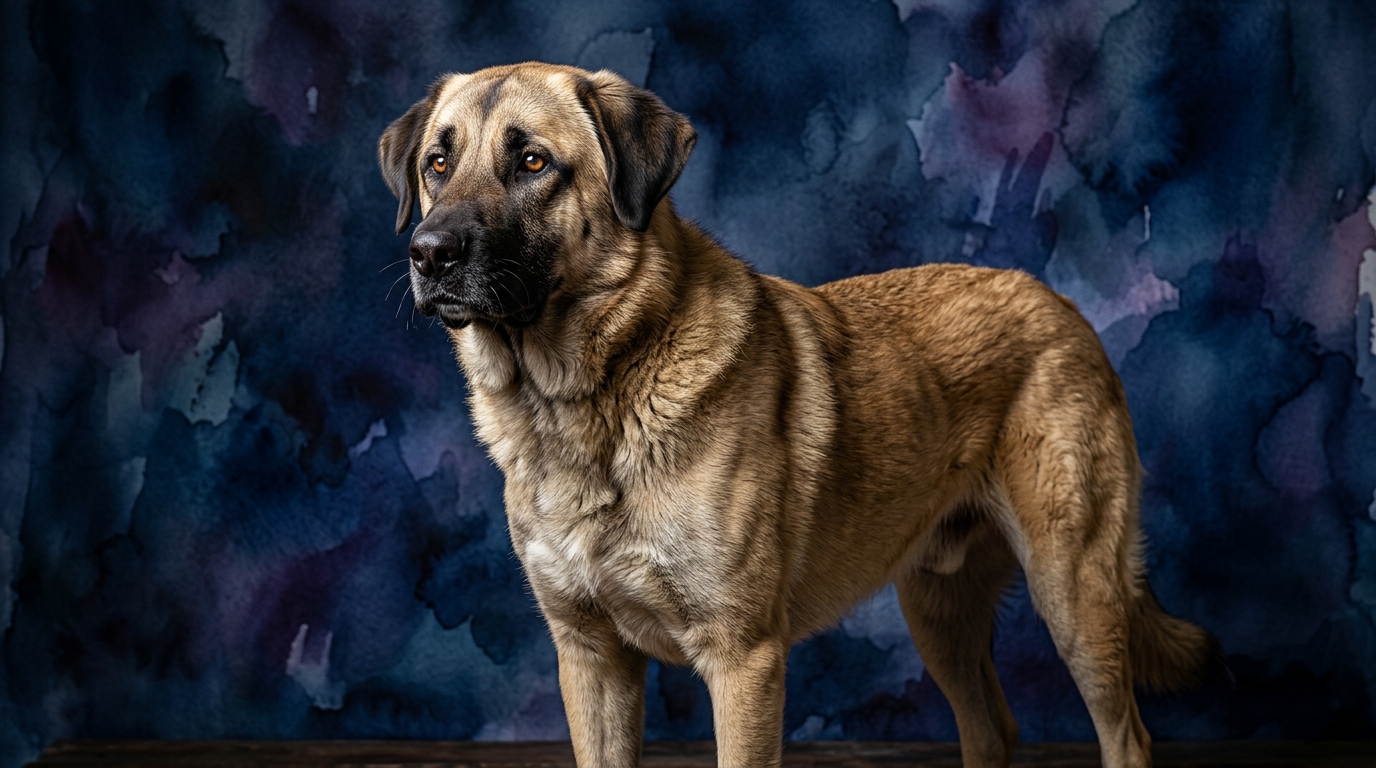
Side-by-Side IQ Profile: Malinois vs. Anatolian
The Cosmic Pet Pet IQ Lab employs a five-dimensional framework to assess canine cognition, providing a nuanced view beyond simplistic 'smartness' labels. For the Belgian Malinois, a breed renowned for its versatility in demanding roles, its profile reflects a highly collaborative and adaptable mind. Its Problem Solving is rated 5/5, indicating an exceptional ability to analyze complex situations and strategize solutions, whether in tracking, obedience, or protection work. Training Speed also scores 5/5, meaning Malinois absorb new commands and behaviors with remarkable alacrity, often requiring minimal repetitions to grasp concepts. Social Intelligence sits at 4/5, as they are deeply attuned to human cues and social dynamics within their family unit, though their intensity requires careful management in novel social settings. Instinctive Drive is a powerful 5/5, providing immense internal motivation for tasks related to herding, protection, and prey pursuit. Finally, Memory is 5/5, showcasing an impressive capacity to recall learned behaviors and environmental details over long periods.
In contrast, the Anatolian Shepherd Dog presents a cognitive profile optimized for its specific role as an independent livestock guardian. Its Problem Solving is rated 3/5, reflecting a practical, task-oriented approach primarily focused on maintaining the safety of its charges, such as strategically positioning itself to monitor livestock or deter threats, rather than engaging in abstract puzzles. Training Speed is 3/5; Anatolians learn at a moderate pace, preferring to evaluate commands through the lens of their inherent purpose, requiring patience and consistent reinforcement. Social Intelligence is also 3/5; their understanding is geared towards discerning threats and protecting their charges, but their interactions with humans can be reserved and independent, valuing autonomy over constant engagement. Instinctive Drive is 3/5, manifesting as a powerful, intrinsic guarding instinct compelling them to protect their flock or family with vigilance and territoriality, rather than a high-energy pursuit or herding impulse. Memory is rated 3/5, as Anatolians retain important lessons related to their territory, threats, and established routines, supporting their long-term guardian responsibilities rather than intricate command sequences.
Where Belgian Malinois Wins Cognitively
The Belgian Malinois demonstrably outperforms the Anatolian Shepherd in areas demanding rapid cognitive processing, intricate problem-solving, and a deep, continuous partnership with a human handler. Their 5/5 ratings in Problem Solving, Training Speed, and Memory signify an unparalleled capacity for learning and retaining complex sequences, adapting quickly to new commands, and strategizing through multi-step challenges. This breed thrives on mental engagement that requires them to think on their feet, whether it’s navigating an agility course with precision, executing a detailed protection routine, or deciphering subtle cues during scent detection work. Their high social intelligence, rated 4/5, means they are attuned to their handler's intentions, often anticipating the next step in a task, which is a significant advantage in any collaborative working scenario. This cognitive architecture makes them exceptionally responsive and capable of mastering diverse and demanding tasks.
Where Anatolian Shepherd Dog Wins Cognitively
The Anatolian Shepherd Dog's cognitive strengths lie in areas where the Malinois's intensity might be a disadvantage: independent decision-making, long-term vigilance, and a profound, intrinsic understanding of their protective role. While their Problem Solving, Training Speed, Social Intelligence, Instinctive Drive, and Memory are rated 3/5, these scores reflect a specialized cognitive profile, not a deficit. Their problem-solving is practical and self-directed, focused on maintaining the safety of their charges without constant human direction. They excel at assessing environmental threats, understanding territory boundaries, and making autonomous judgments about perceived dangers, often reacting with measured caution rather than immediate, high-energy engagement. Their social intelligence, though lower than the Malinois, is perfectly suited for their role, enabling them to form deep, protective bonds with their flock or family while maintaining a necessary level of emotional detachment and self-reliance in the field, crucial for a guardian.
Which is Easier to Train and Why
When considering ease of training, the Belgian Malinois stands out due to its inherent desire to work collaboratively and its exceptional cognitive speed. With a Training Speed of 5/5, Malinois absorb new commands and modify behaviors with remarkable efficiency, often requiring fewer repetitions than many other breeds. Their high instinctive drive, also 5/5, translates into an eagerness to engage in tasks, making them highly receptive to reward-based training that channels their boundless energy and focus. They are motivated by interaction and achieving a clear goal set by their handler, quickly forming strong associations between commands and actions. This collaborative spirit and rapid learning curve make them a trainer's dream for those seeking a highly compliant and capable partner.
In contrast, the Anatolian Shepherd Dog, with a Training Speed of 3/5, presents a different training challenge. Their independent nature and ancient lineage as livestock guardians mean they are bred to think for themselves, often evaluating a command's relevance to their primary purpose of protection. They are not inherently driven by the same desire to please a handler and may require more patient, consistent, and purpose-driven training approaches. While capable of learning, their responses are often more deliberate, and they may require a stronger justification for performing a task that doesn't directly align with their guardian instincts, reflecting real behavioral differences rooted in their breed history. Training an Anatolian means understanding their independent spirit and leveraging their natural protective drives, rather than expecting immediate, eager compliance.
Which Suits Active Owners vs. Relaxed Owners
The Belgian Malinois is unequivocally suited for active owners who are prepared to dedicate significant time and energy to their dog's physical and mental stimulation. Their 5/5 instinctive drive and high problem-solving capacity demand a lifestyle filled with structured training, challenging activities like agility, protection sports, or advanced obedience, and ample opportunities for vigorous exercise. Owners must be experienced, consistent, and committed to channeling this breed's intense focus and energy into productive outlets; otherwise, their cognitive prowess can manifest as destructive or neurotic behaviors. A Malinois is a full-time commitment for an owner who thrives on partnership and purpose, requiring an owner who is as engaged and driven as they are.
Conversely, the Anatolian Shepherd Dog, while not a breed for truly 'relaxed' or passive owners due to their size and guardian instincts, is better suited for individuals or families who appreciate a more independent companion and have the space to accommodate their territorial nature. Their 3/5 instinctive drive is primarily directed towards vigilance and protection, meaning they don't require the same constant, high-octane physical and mental engagement as a Malinois. Owners need to be prepared for a dog that will be watchful, potentially reserved with strangers, and require consistent, calm leadership. They are excellent for those seeking a steadfast guardian who can make independent decisions within their designated territory, rather than a dog that constantly seeks direction or intense interactive play; their exercise often involves patrolling their space rather than high-impact activities.
The Verdict
Choose a Belgian Malinois if you are an experienced, active owner seeking an intensely collaborative partner for demanding sports, advanced training, or professional working roles, and are prepared to meet their profound need for mental and physical engagement.
Opt for an Anatolian Shepherd Dog if you desire a steadfast, independent guardian for a large property or family, appreciating a dog that makes autonomous decisions and offers a calm, watchful presence rather than constant interaction.
🧠 Find Your Pet's IQ Score
Our Pet IQ Lab assessment covers 25+ tests across 5 cognitive dimensions — personalized to your breed.
Take the Full IQ Test →Frequently Asked Questions
Are Malinois good family dogs?
Belgian Malinois can be excellent family dogs for experienced, active households that understand their need for consistent training and mental stimulation. Their intensity and high drive mean they thrive best with clear boundaries and active participation from all family members, often forming strong bonds with children who understand how to interact respectfully.
Do Anatolian Shepherds need a lot of exercise?
Anatolian Shepherd Dogs require moderate exercise to maintain health, but their needs differ from high-energy breeds; they prefer patrolling their territory or a good walk over intense, sustained running. Their exercise is often more about purposeful movement and vigilance than high-speed activity, though they benefit from ample space to roam securely.
Which breed is better for first-time dog owners?
Neither the Belgian Malinois nor the Anatolian Shepherd Dog is recommended for first-time dog owners, as both possess strong temperaments and specific needs that require experienced handling. The Malinois demands intense dedication to training and exercise, while the Anatolian's independent, guardian nature requires a confident owner who understands breed-specific behaviors.