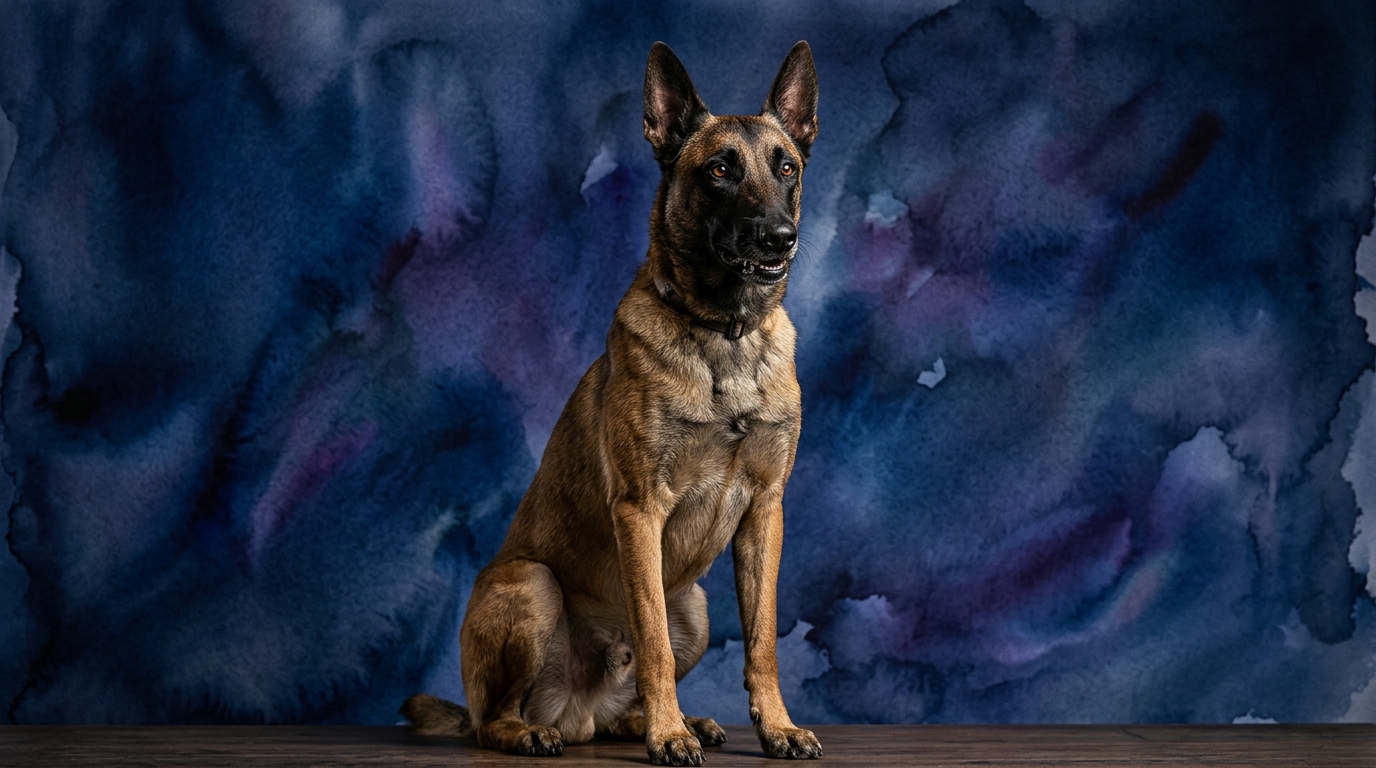
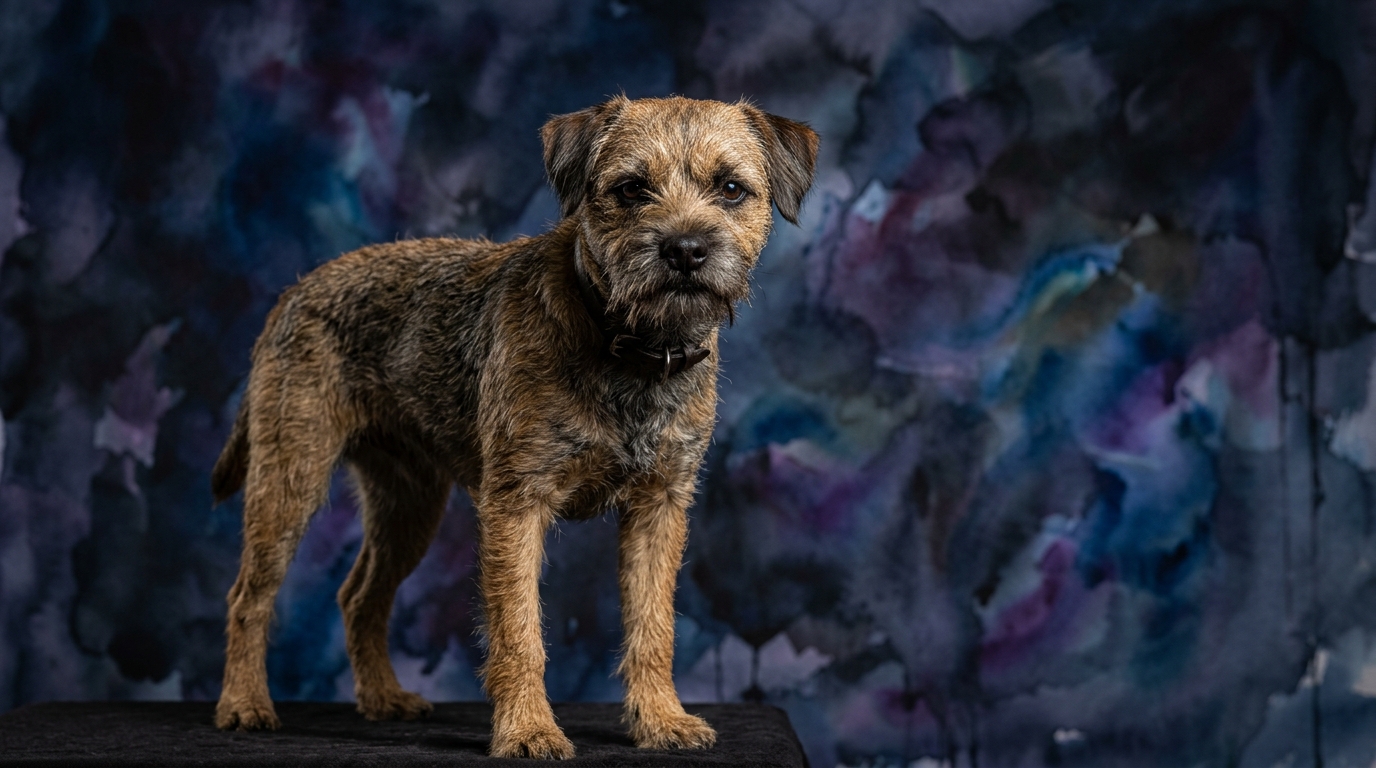
Side-by-Side IQ Profile: Belgian Malinois vs. Border Terrier
At The Cosmic Pet Pet IQ Lab, we evaluate canine cognition across five critical dimensions to provide a comprehensive understanding of each breed's mental landscape. For the Belgian Malinois, ranked #22 by Coren, and the Border Terrier, ranked #30, these profiles highlight their distinct cognitive strengths and approaches to the world.
The **Belgian Malinois (Coren Rank #22)** exhibits an impressive suite of cognitive abilities: * **Problem Solving (5/5):** This breed exhibits an exceptional capacity for navigating complex, novel situations, quickly devising effective strategies to overcome obstacles or achieve specific goals. Their analytical approach allows them to deconstruct multi-step challenges, such as untangling a puzzle toy or locating a hidden scent, and implement solutions with remarkable efficiency and precision. They don't just react; they actively strategize. * **Training Speed (5/5):** Possessing an unparalleled ability to grasp and retain new commands, the Malinois absorbs information rapidly, often requiring only a few repetitions to master intricate tasks. This swift learning curve extends across various disciplines, from advanced obedience routines to specialized detection work, fueled by their eagerness to engage and perform for their handler. * **Social Intelligence (4/5):** While highly attuned to human cues and capable of forming strong, almost telepathic working partnerships, their social understanding primarily revolves around task-oriented communication and loyalty to their primary handler. They interpret human intentions and emotions effectively within a structured, goal-oriented environment, though their broader social interactions with strangers or other animals might be more reserved or discerning compared to some companion breeds. * **Instinctive Drive (5/5):** A formidable natural inclination towards specific behaviors such as herding, protection, and a keen prey drive defines the Malinois. This powerful internal motivation fuels their persistence, focus, and tireless energy, making them relentlessly driven in activities aligned with their genetic predispositions, often pushing past perceived limits. * **Memory (5/5):** The Malinois demonstrates a superb long-term recall for learned commands, intricate routines, and past experiences, rarely forgetting training or interactions. This robust and enduring memory contributes significantly to their reliability in repetitive, high-stakes working roles, allowing them to perform complex sequences flawlessly even after long breaks.
The **Border Terrier (Coren Rank #30)** offers a different, yet equally compelling, cognitive profile: * **Problem Solving (4/5):** This breed displays a strong aptitude for practical problem-solving, particularly when it involves navigating their environment or achieving a desired outcome through persistence and cleverness. They are adept at finding alternative routes, digging under fences, or devising methods to access perceived treasures, often employing their inherent terrier tenacity and independent thought to overcome obstacles. * **Training Speed (4/5):** Border Terriers learn new commands and routines effectively, showing a good capacity for absorbing information, though they may require more consistent repetition and motivational variety than some higher-ranked breeds. Their independent streak means engagement is crucial to maintaining their focus and preventing them from becoming bored or deciding to pursue their own agenda during training sessions. * **Social Intelligence (3/5):** Border Terriers exhibit a pragmatic social awareness, understanding their place within a family unit and responding to familiar human interactions with affection and loyalty. While they form strong bonds, their social cues are often more subtle and less overtly demonstrative than some companion breeds, prioritizing practical interactions and independent exploration over constant expressive engagement. They are discerning in their social circles. * **Instinctive Drive (3/5):** Their natural drives are deeply rooted in their historical role as vermin hunters, manifesting as a strong prey drive, a desire to explore, and an inclination to dig. While present, this drive is generally more focused and manageable than that of the Malinois, concentrated on specific terrier tasks rather than broad, intense working applications, yet still requires an outlet. * **Memory (4/5):** The Border Terrier possesses a solid memory for learned behaviors and familiar routines, recalling commands and experiences with good reliability. They retain training well, particularly when it has been consistently reinforced and linked to positive experiences or when it pertains to their environment and the location of interesting scents or objects.
Where the Belgian Malinois Wins Cognitively
The Malinois's superior performance in Problem Solving (5/5) and Training Speed (5/5) is a clear cognitive advantage, particularly in structured, goal-oriented environments. They excel at quickly analyzing novel situations, such as a complex agility course or a new scent discrimination task, and formulating precise, effective solutions. Their rapid absorption of new information allows them to master intricate command sequences and adapt to changing operational demands with remarkable swiftness, making them ideal for roles requiring continuous learning and precision under pressure. Furthermore, their perfect Memory (5/5) underpins this, ensuring that once a solution or command is learned, it is retained with near-perfect fidelity over extended periods. This cognitive reliability is invaluable. Their unparalleled Instinctive Drive (5/5) translates into an unwavering focus and persistence on tasks, making them relentless in pursuing objectives set by their handlers, a distinct cognitive trait that ensures task completion even under the most demanding and distracting circumstances.
Where the Border Terrier Wins Cognitively
While the Malinois thrives on structured, complex problem-solving directed by a handler, the Border Terrier's cognitive strengths lie in a different domain, particularly in their practical, independent application of their Problem Solving (4/5). Their terrier heritage imbues them with a cunning resourcefulness, allowing them to independently assess situations and devise solutions that often involve persistence, clever maneuvering, and a touch of mischief, rather than waiting for handler instruction. This manifests in their ability to navigate challenging environments, outsmart small prey, or find creative ways to access desired items or explore new territories. Their Social Intelligence (3/5), while appearing lower in a comparative scale, reflects a distinct type of social engagement that prioritizes independence and a less overtly demonstrative bond, which can be an advantage for owners who appreciate a dog with strong self-reliance and a quiet confidence. This independent spirit, combined with a good Memory (4/5), means they retain practical lessons learned from their environment and experiences, building a robust internal map of their world and adapting well to new circumstances on their own terms.
Which Is Easier to Train and Why
The Belgian Malinois presents as significantly easier to train in terms of formal obedience and complex task acquisition due to their exceptional Training Speed (5/5) and intense Instinctive Drive (5/5). They possess an inherent eagerness to please, coupled with a powerful drive to work and perform, which makes them incredibly receptive to instruction. Their outstanding memory ensures that once a command is learned, it's rarely forgotten, and their problem-solving acumen allows them to quickly generalize learned behaviors to new contexts and adapt to subtle cues. This combination means they can progress through advanced training rapidly, mastering intricate sequences and performing with precision and reliability, often excelling in competitive sports or professional working roles.
The Border Terrier, while possessing a solid Training Speed (4/5) and good memory, can be more challenging to train in the traditional sense due to their Instinctive Drive (3/5) and independent nature. Their terrier instincts often prioritize self-directed exploration, digging, or the pursuit of small critters over immediate handler compliance. While they learn commands, their motivation might be more internal or situation-dependent, requiring trainers to be consistent, patient, and creative in making training engaging and highly rewarding. They excel when tasks align with their natural drives, such as earth dog sports, but may show more resistance or stubbornness when commands conflict with their independent will or strong prey drive, demanding a more nuanced and persistent approach from their handler.
Which Suits Active Owners vs. Relaxed Owners
The Belgian Malinois is unequivocally suited for highly active owners who can provide substantial and consistent mental and physical engagement. Their extraordinary Instinctive Drive (5/5), coupled with their cognitive prowess in problem-solving and training, demands a lifestyle rich in structured activities like protection sports, agility, advanced obedience, or scent work. Owners must be prepared to dedicate significant time daily to rigorous exercise, ongoing training, and mental stimulation, channeling their immense energy and cognitive capacity into productive outlets. A Malinois thrives with an owner who understands and can expertly harness their working dog mentality, offering clear direction and consistent challenges.
The Border Terrier suits active owners who appreciate a tenacious, resilient companion but do not require the same intensity of structured work as a Malinois. While they possess a good Instinctive Drive (3/5) and enjoy vigorous walks, hikes, and earth dog trials, their needs are more manageable. They benefit from consistent mental stimulation through puzzle toys and training sessions, alongside ample physical activity to prevent boredom, but can also adapt to periods of relaxation and family time. Owners who enjoy outdoor adventures, appreciate a dog with an independent and clever spirit, and are prepared for a dog with a strong prey drive but are not seeking a full-time, high-level working partner will find the Border Terrier a fitting companion.
The Verdict
Choose a Belgian Malinois if you are an experienced, active owner committed to providing intensive, structured training and a dedicated working role, thriving on a dog that excels in complex tasks and demands constant mental and physical engagement.
Choose a Border Terrier if you are an active owner seeking a resilient, independent companion for outdoor adventures and consistent engagement, appreciating their cleverness and tenacity without the rigorous demands of a high-drive working breed.
🧠 Find Your Pet's IQ Score
Our Pet IQ Lab assessment covers 25+ tests across 5 cognitive dimensions — personalized to your breed.
Take the Full IQ Test →Frequently Asked Questions
Do Belgian Malinois need a job to be content?
Absolutely. Their exceptional instinctive drive, problem-solving skills, and training speed mean they thrive when given a consistent 'job' or structured activities that challenge them both mentally and physically. Without an outlet, their energy and cognitive capacity can lead to destructive behaviors or frustration.
Are Border Terriers good with children, considering their social intelligence score?
Border Terriers can be excellent family dogs and are generally good with children, especially if raised with them. Their social intelligence score reflects a pragmatic rather than overtly demonstrative nature; they form strong bonds but appreciate respectful interactions and their own space, making supervision with very young children important.
How does the memory difference affect day-to-day living with these breeds?
The Malinois's perfect memory means they rarely forget rules or training, making them highly predictable and reliable once behaviors are established. A Border Terrier's strong memory ensures good retention of routines and commands, but their independent streak might occasionally lead them to 'forget' a command if something more enticing captures their attention.