
Side-by-side IQ profile
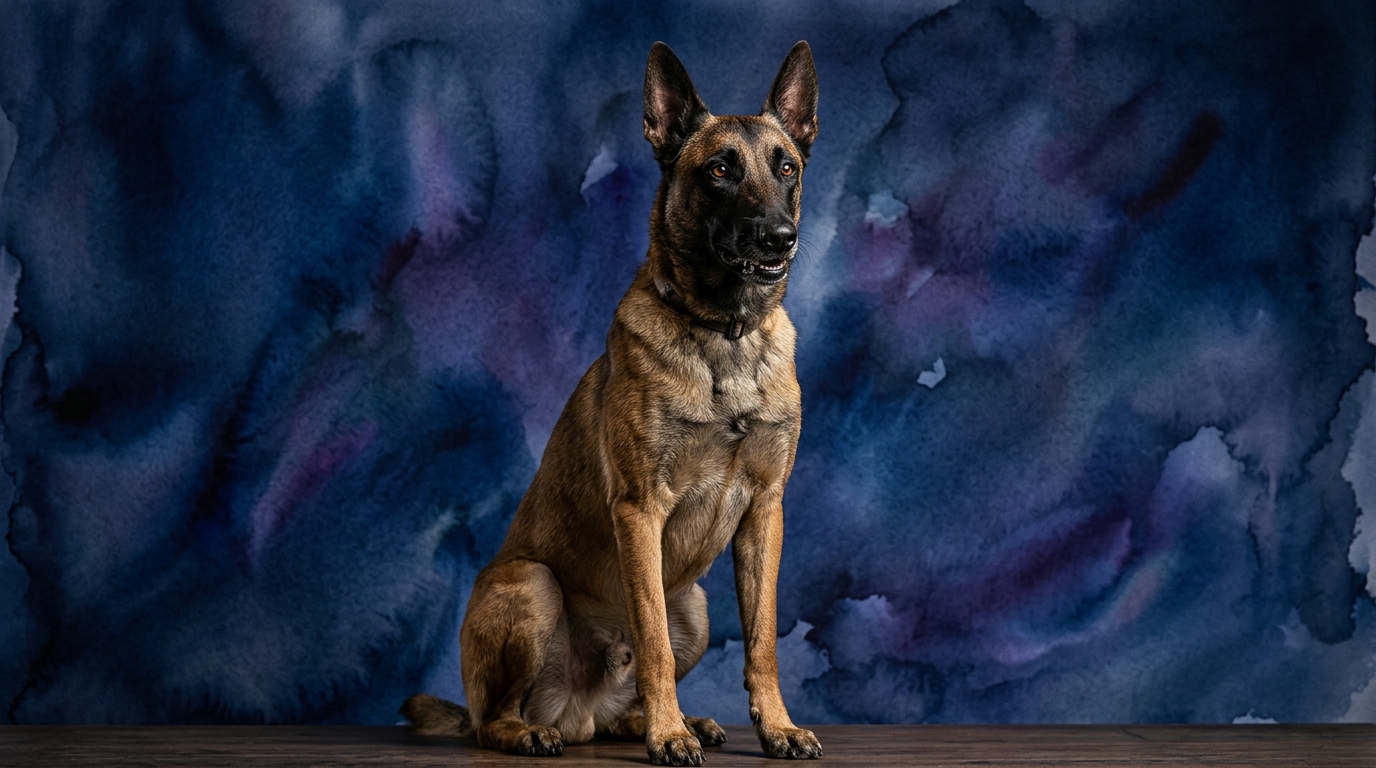
The Belgian Malinois, ranking 22nd on the Coren scale, exhibits exceptional cognitive prowess across most dimensions. Their Problem Solving is rated 5/5, indicating an outstanding capacity to independently analyze complex situations and devise solutions, crucial for their working roles. Training Speed also stands at 5/5, meaning they grasp new commands and concepts with remarkable rapidity, often requiring minimal repetition. While their Social Intelligence is a robust 4/5, it's often channeled into understanding their handler's directives rather than broad emotional reciprocity. A perfect 5/5 in Instinctive Drive fuels their relentless motivation and focus on tasks, while their 5/5 Memory ensures long-term retention of learned behaviors and experiences.
Holding the 48th position on the Coren scale, the Boxer presents a different cognitive profile, prioritizing companionship and social bonding. Their Problem Solving is rated 3/5, meaning they are capable of learning routine tasks and sequences but might require more guidance when faced with novel or multi-step challenges. Training Speed, also 3/5, suggests a moderate learning pace where consistency and positive reinforcement are key to solidifying behaviors. Where they truly shine is Social Intelligence, earning a perfect 5/5; Boxers are highly attuned to human emotions and social cues, excelling as empathetic family members. Their Instinctive Drive is a strong 4/5, providing energy for play and engagement, but it's often directed towards interaction rather than independent work. Memory, at 3/5, means they retain learned information, but perhaps not with the same precision or depth as their Malinois counterparts over long periods without reinforcement.
Where Belgian Malinois wins cognitively
The Belgian Malinois demonstrably excels in areas demanding intense focus and rapid acquisition of complex skills. Their 5/5 Problem Solving and Training Speed mean they not only learn intricate commands quickly but can also adapt those commands to dynamic, real-world scenarios, making them ideal for protection, detection, or agility sports. This breed’s 5/5 Instinctive Drive translates into an unwavering work ethic, allowing them to sustain high-level performance over extended periods without losing motivation. Furthermore, their 5/5 Memory ensures that once a skill is mastered, it is deeply ingrained, requiring minimal refreshers even after long breaks. For tasks requiring precision, speed, and independent decision-making under pressure, the Malinois’s cognitive architecture is unparalleled.
Where Boxer wins cognitively
While the Malinois excels in task-oriented cognition, the Boxer’s primary cognitive strength lies in its profound social intelligence, rated 5/5. This isn't merely about friendliness; it's about an exceptional capacity to read and respond to human emotions, making them incredibly empathetic and intuitive companions. Boxers often anticipate their owner's moods and desires, offering comfort or initiating play with remarkable sensitivity. Their social acumen also contributes to their adaptability within a family structure, as they naturally integrate and foster strong bonds with all members. This deep understanding of social dynamics allows them to navigate complex household interactions with grace, making them superb emotional anchors and devoted family members.
Which is easier to train and why
When evaluating ease of training, the Belgian Malinois clearly holds an advantage due to their superior Training Speed (5/5) and Problem Solving (5/5). They process information rapidly, making connections between commands and actions almost instantly, often requiring only a few repetitions to solidify a new behavior. Their high instinctive drive means they are inherently motivated to engage in structured activities and find satisfaction in mastering tasks. In contrast, the Boxer, with a Training Speed and Problem Solving of 3/5, learns at a more moderate pace. While certainly trainable, they benefit from shorter, more frequent sessions, abundant positive reinforcement, and patience, as they may take longer to generalize commands to different environments or situations. Their training often requires more creative methods to maintain engagement, as their drive is more geared towards social interaction than relentless task completion.
Which suits active owners vs relaxed owners
The cognitive profile of the Belgian Malinois makes them an ideal match for highly active, engaged owners who can commit to extensive physical and mental stimulation. Their 5/5 instinctive drive and problem-solving demand outlets for their energy and intellect, thriving in environments where they have a "job" to do, whether it's advanced obedience, protection work, or competitive dog sports. A Malinois without sufficient mental and physical challenge can become bored and destructive. Conversely, the Boxer, with its 5/5 social intelligence and 4/5 instinctive drive, is better suited for owners seeking a devoted, interactive companion who enjoys regular but not necessarily intense activity. While they appreciate walks and play, their primary need is for companionship and inclusion in family life, making them suitable for owners who value emotional connection over rigorous training regimens.
The Verdict
Choose the Belgian Malinois if you are an experienced, active owner seeking a highly trainable, driven partner for demanding activities, prepared to provide consistent mental and physical challenges.
Choose the Boxer if you desire a warm, empathetic family companion who thrives on social interaction and moderate activity, offering unwavering loyalty and emotional support.
🧠 Find Your Pet's IQ Score
Our Pet IQ Lab assessment covers 25+ tests across 5 cognitive dimensions — personalized to your breed.
Take the Full IQ Test →Frequently Asked Questions
Does the Belgian Malinois's lower social intelligence mean they aren't good family dogs?
Not at all. A 4/5 social intelligence means they form strong bonds with their primary family members, but their focus is often on understanding cues and performing tasks for their handler rather than broad, empathetic interaction with everyone. With proper socialization, they can be excellent, protective family members, though they may be more reserved with strangers than a Boxer.
Can a Boxer participate in dog sports despite its moderate training speed?
Absolutely. Boxers can excel in many dog sports like agility, obedience, and even flyball, especially when training is made fun and engaging. While they might not learn as quickly as a Malinois, their strong instinctive drive (4/5) and desire to please, combined with their social intelligence, make them enthusiastic and capable participants with patient and consistent training methods.
How important is memory in a working dog like the Malinois compared to a companion dog like the Boxer?
Memory is crucial for a working Malinois (5/5) as it allows them to retain complex sequences, commands, and scent profiles over long periods, vital for consistency in demanding roles like search and rescue or police work. For a companion Boxer (3/5), memory is still important for retaining house rules and basic commands, but the precision and long-term retention demanded of a working dog are less critical for their role as a family pet.