Side-by-Side IQ Profile: Belgian Malinois vs Bull Terrier
The Cosmic Pet Pet IQ Lab employs a five-dimensional framework to assess canine intelligence, moving beyond simple obedience to encompass a breed's full cognitive spectrum. These dimensions — Problem Solving, Training Speed, Social Intelligence, Instinctive Drive, and Memory — offer a nuanced understanding of how different breeds perceive, learn, and interact with their world.
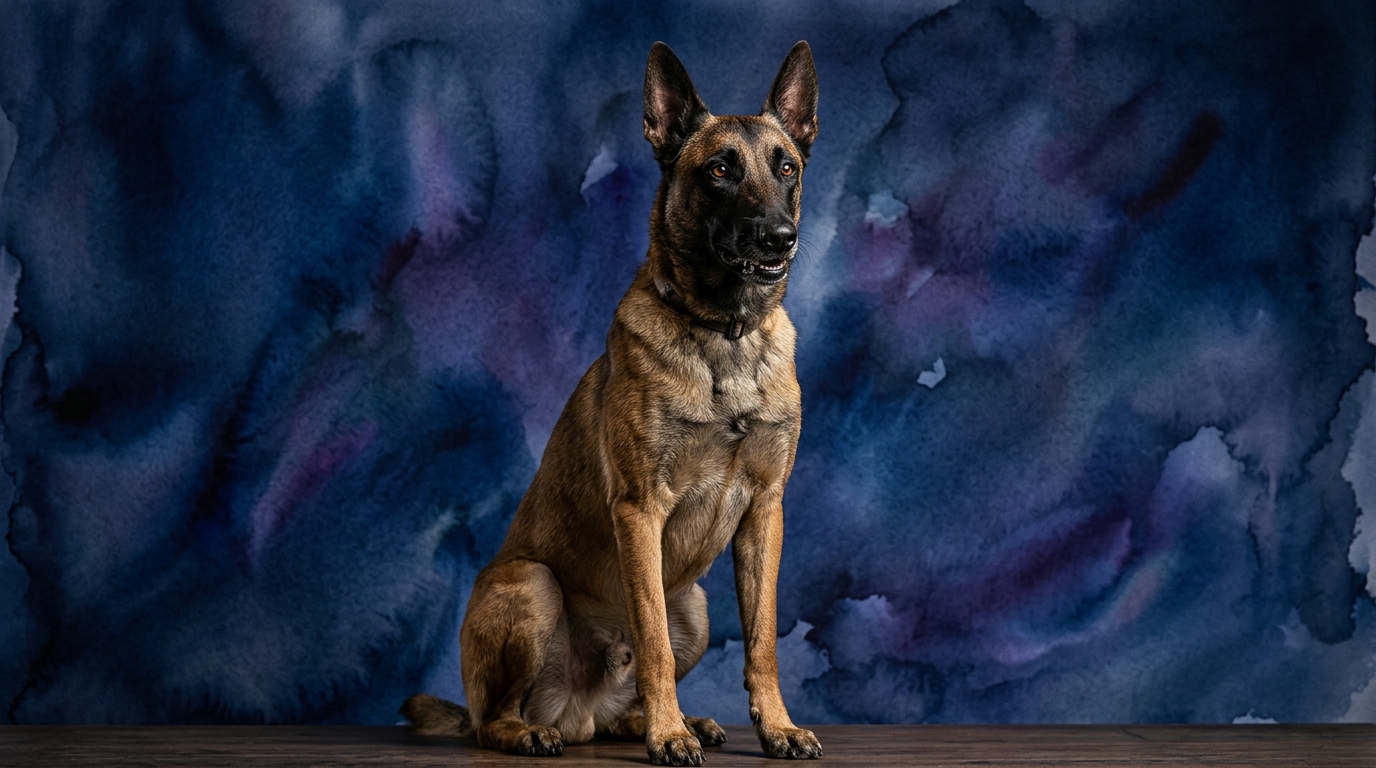
The Belgian Malinois, a Herding breed, consistently demonstrates exceptional cognitive prowess, reflected in its Coren rank of #22. Across the board, this breed scores top marks: Problem Solving 5/5, Training Speed 5/5, Instinctive Drive 5/5, and Memory 5/5. Their Social Intelligence at 4/5 indicates a strong ability to read and respond to human cues within a working partnership, making them formidable partners in complex tasks requiring precision and rapid learning.
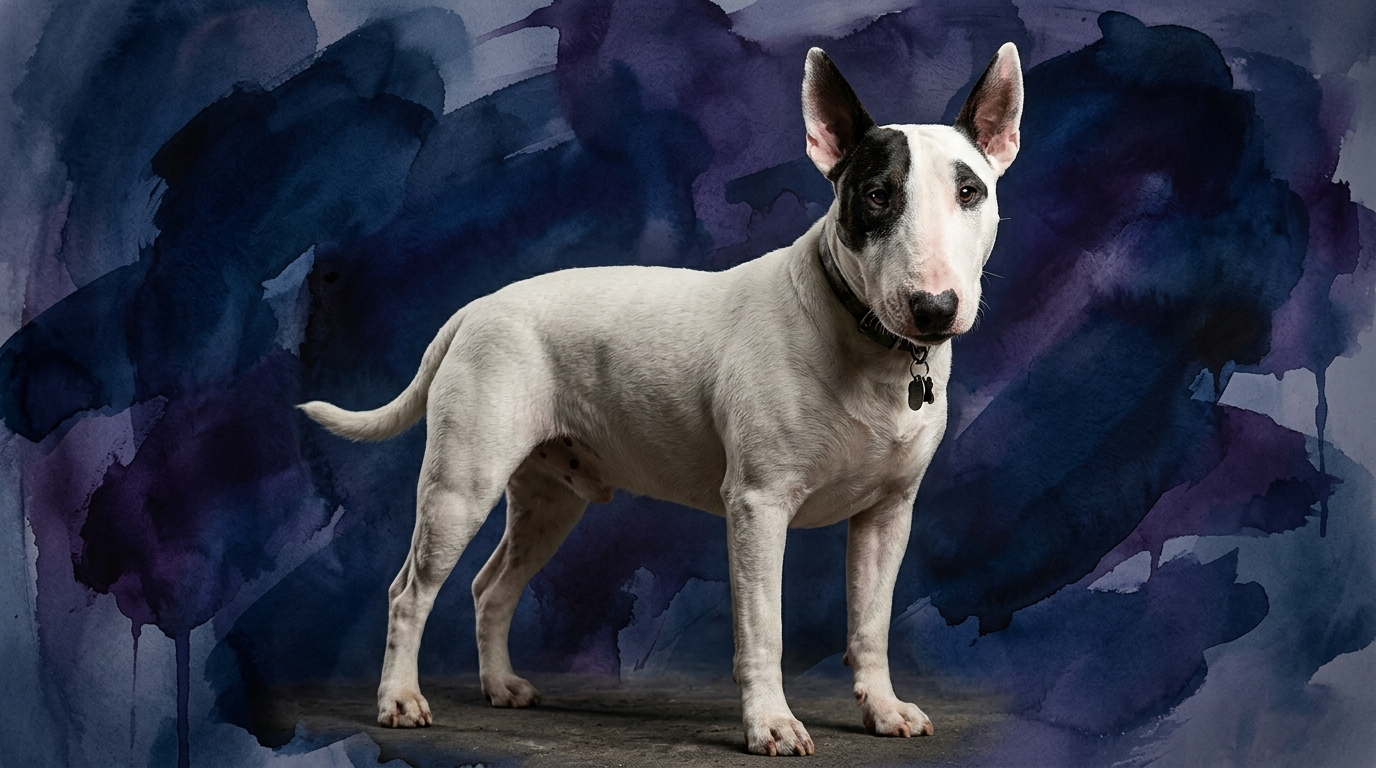
In contrast, the Bull Terrier, a Terrier breed, presents a different cognitive signature, with a Coren rank of #66. Their scores reflect a distinct approach to cognition: Problem Solving 3/5, Training Speed 3/5, Social Intelligence 3/5, Instinctive Drive 3/5, and Memory 3/5. These scores suggest a breed that learns at a more deliberate pace, often processing information through a lens of independence and tenacity, rather than the immediate task-oriented focus seen in many working breeds. Their intelligence is geared towards companionship and navigating their personal environment with unique charm.
Where the Belgian Malinois Excels Cognitively
The Belgian Malinois's cognitive strengths are deeply rooted in its heritage as a demanding working dog. Their 5/5 Problem Solving ability means they can quickly analyze novel situations, devise effective strategies, and adapt their behavior to overcome obstacles, whether it's navigating an agility course or performing complex detection work. Coupled with their 5/5 Memory, they retain vast amounts of information, allowing them to execute intricate, multi-step commands with remarkable consistency and precision over extended periods.
Furthermore, their 5/5 Training Speed highlights their rapid assimilation of new commands and concepts, often requiring fewer repetitions than other breeds to achieve mastery. This swift learning is fueled by an unparalleled 5/5 Instinctive Drive, which manifests as an intense desire to engage in tasks, pursue goals, and work alongside their handler. This drive isn't just about physical exertion; it's a cognitive engine that propels them to seek out and excel in mentally stimulating challenges, making them adept at high-level obedience, protection sports, and search and rescue operations.
Where the Bull Terrier Shines Cognitively
While the Bull Terrier's cognitive scores differ from the Malinois, they reflect a unique and valuable set of strengths perfectly suited for their intended role as devoted companions. Their 3/5 Problem Solving isn't about solving complex work tasks, but rather about cleverness in their day-to-day lives—figuring out how to access a favorite toy, outsmarting a baby gate, or creatively seeking attention. This often manifests as an endearing, sometimes mischievous, independent thought process that adds significant personality to the household.
Their 3/5 Social Intelligence, while not geared for intricate team tasks, is profoundly effective within their chosen family unit. Bull Terriers form deep, unwavering bonds, reading the moods and intentions of their loved ones with directness and loyalty. Their lower 3/5 Instinctive Drive, compared to a working breed, is a positive attribute for owners seeking a companion less compelled by constant task-oriented work. This allows them to fully embrace a role centered on companionship, play, and affectionate interaction, thriving on consistent, loving attention rather than demanding a constant stream of complex mental challenges.
Training Dynamics: Malinois vs. Bull Terrier
Training a Belgian Malinois is an experience of remarkable speed and precision, thanks to their 5/5 Training Speed and 5/5 Memory. These dogs absorb commands with minimal repetition and retain them over long periods, making them ideal for advanced obedience, specialized K9 roles, and intricate dog sports. Their 5/5 Instinctive Drive means they possess an inherent desire to work and please, simplifying motivation for task-oriented training. However, this intensity also demands a handler who can provide consistent, challenging, and engaging training to prevent boredom and channel their formidable mental and physical energy constructively.
Training a Bull Terrier, with their 3/5 Training Speed and 3/5 Memory, requires a different approach—one characterized by patience, consistency, and a deep understanding of their independent spirit. They learn effectively, but typically at a slower pace than a Malinois, often needing more repetitions and varied motivational techniques. Their 3/5 Problem Solving can sometimes translate into a stubborn streak, where they might choose to engage only if the reward is sufficiently appealing or the process is fun. Successful training hinges on positive reinforcement, making sessions enjoyable, and adapting to their unique personality, rather than expecting immediate, robotic compliance.
Ideal Lifestyles: Active Owners vs. Relaxed Owners
For the Belgian Malinois, an active owner isn't just a preference; it's a necessity dictated by their extraordinary cognitive and physical needs. Their 5/5 Instinctive Drive, coupled with their high Problem Solving and Training Speed, means they require an owner committed to providing hours of structured mental and physical engagement daily. This includes participation in demanding dog sports like Schutzhund, agility, or obedience trials, long runs, complex training exercises, and potentially professional working roles. An owner who thrives on challenge and has the time and expertise to channel this breed's immense capabilities will find an unparalleled partner.
The Bull Terrier, while certainly not a couch potato, is better suited for owners who appreciate a different rhythm of companionship. Their 3/5 Instinctive Drive means they don't possess the same relentless need for a 'job' as a Malinois. They thrive with consistent daily exercise, engaging play sessions, and plenty of quality time with their family. An ideal owner for a Bull Terrier is someone who enjoys a dog with a robust personality, is patient with their independent streak, and provides consistent, loving attention without the expectation of a high-octane working partnership. They appreciate a home life that balances playful bursts with relaxed, affectionate companionship.
The Verdict
Choose a Belgian Malinois if you are an experienced, active owner seeking an intensely driven, highly trainable working partner for advanced sports or professional roles, ready to commit to rigorous daily mental and physical engagement.
Opt for a Bull Terrier if you desire a charming, independent, and deeply loyal companion who thrives on consistent affection and engaging play, and you appreciate a dog with a unique personality that requires patient, positive guidance.
🧠 Find Your Pet's IQ Score
Our Pet IQ Lab assessment covers 25+ tests across 5 cognitive dimensions — personalized to your breed.
Take the Full IQ Test →Frequently Asked Questions
Are Belgian Malinois suitable for first-time dog owners?
Generally, Belgian Malinois are not recommended for first-time dog owners due to their intense drive, high energy, and significant training requirements. They thrive with experienced handlers who can provide consistent, structured engagement and mental stimulation.
What kind of mental exercise benefits a Bull Terrier?
Bull Terriers benefit from mental exercises that engage their unique problem-solving and independent nature, such as puzzle toys, scent work, interactive games that involve seeking and finding, and short, fun training sessions focused on positive reinforcement. These activities tap into their curiosity without demanding the intense, task-oriented focus of a working breed.
How does 'instinctive drive' differ between these two breeds?
For the Belgian Malinois, their 5/5 instinctive drive manifests as an intense, inherent desire to work, herd, and perform tasks with purpose and focus. For the Bull Terrier, their 3/5 instinctive drive is less about a 'job' and more about play, companionship, and engaging with their human family in a robust and affectionate manner, without the same relentless need for structured work.