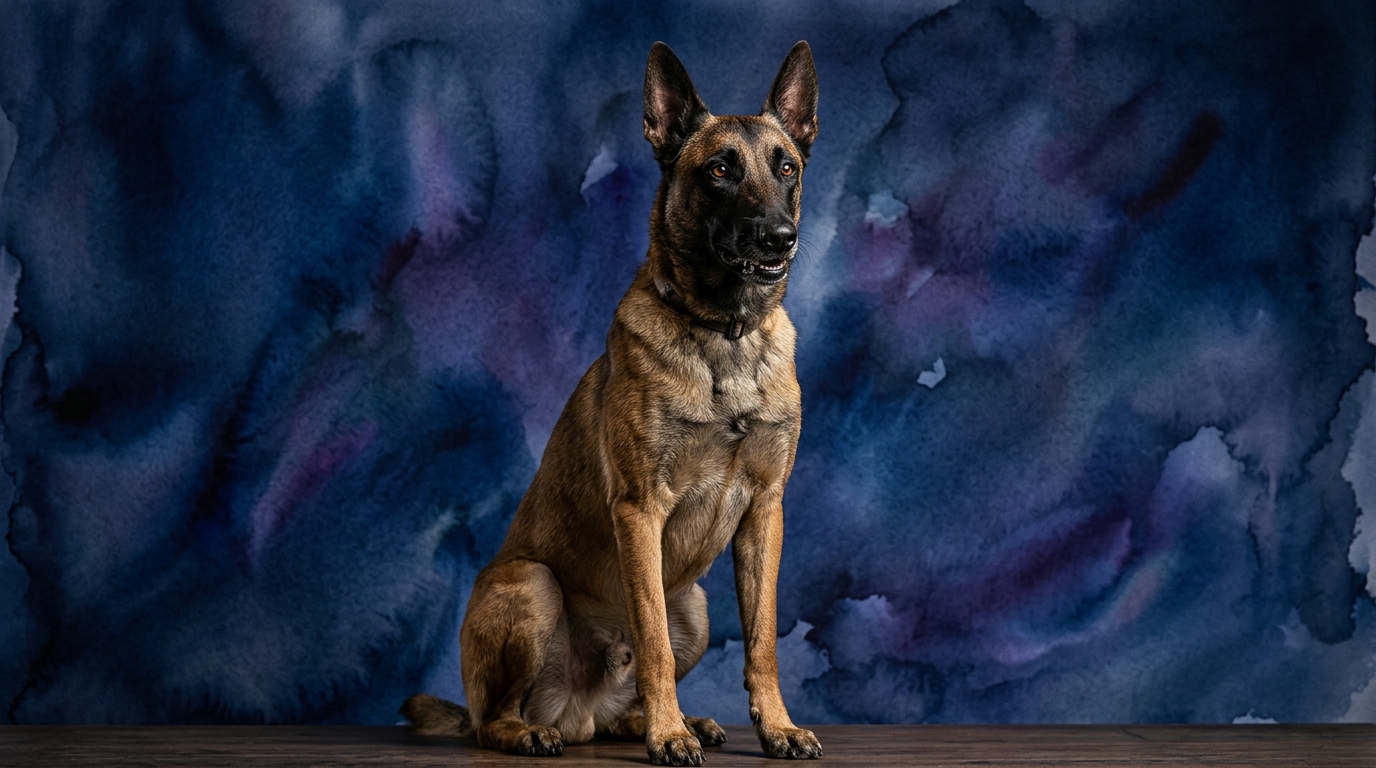
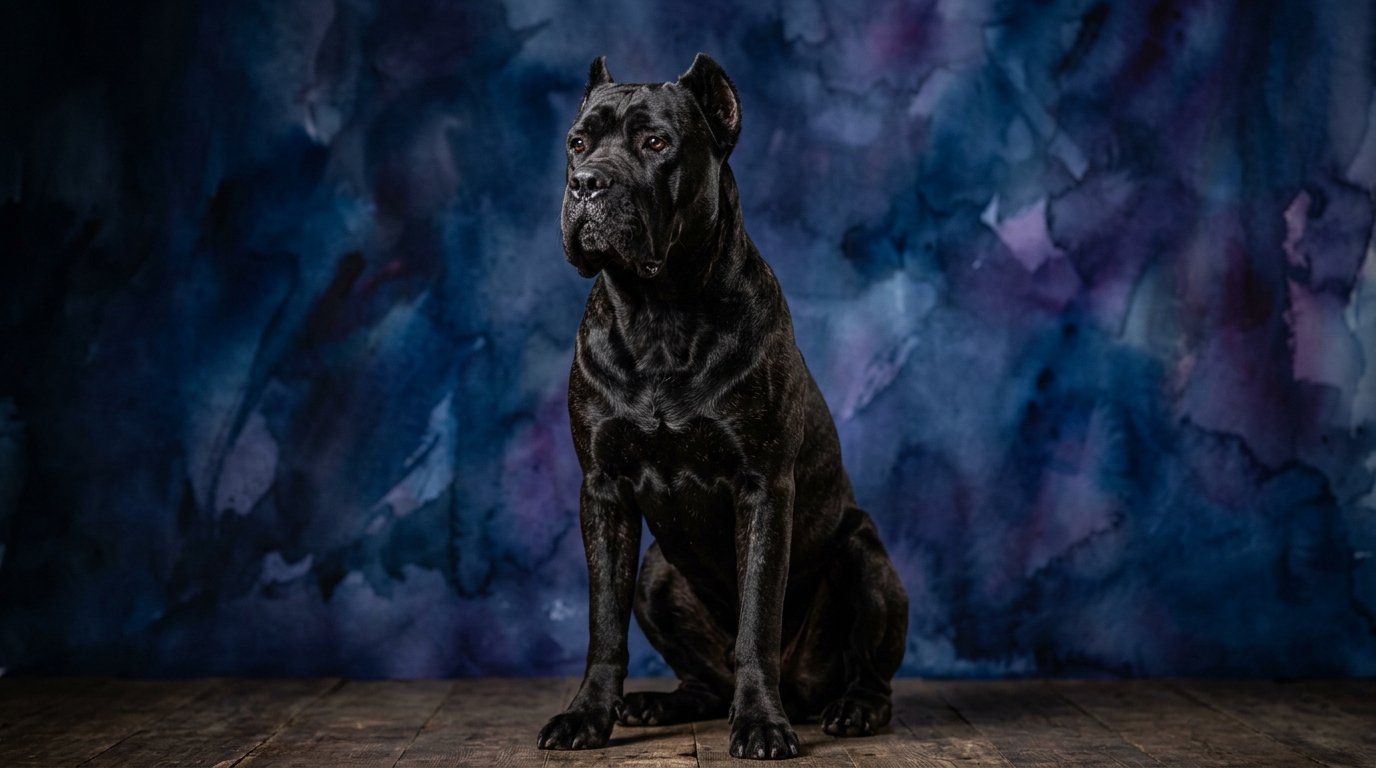
Side-by-Side IQ Profile
**Belgian Malinois (Herding, Coren Rank #22)**
**Problem Solving (5/5):** This breed excels at figuring out complex tasks, often devising creative solutions to obstacles. They rapidly analyze novel situations and adapt approaches, making them adept at intricate scent work or advanced obedience.
**Training Speed (5/5):** Malinois absorb new commands and routines with remarkable speed, requiring few repetitions. Their intense focus and eagerness contribute to rapid learning, allowing accelerated progress through training levels.
**Social Intelligence (4/5):** Deeply bonded to their primary handler, Malinois possess keen awareness of social cues within their immediate "pack." They interpret human intentions and moods, often anticipating commands, though they may be reserved towards strangers.
**Instinctive Drive (5/5):** Their drives for prey, defense, and patrol are extraordinarily high and deeply ingrained. This manifests as relentless pursuit of tasks, unwavering focus, and an innate desire to work, channeling instincts into specialized roles.
**Memory (5/5):** Malinois retain learned behaviors, commands, and environmental details over long periods with impressive fidelity. They rarely forget a training lesson or past experience, contributing to their reliability in complex tasks.
**Cane Corso (Working, Not Coren-ranked)**
**Problem Solving (3/5):** Cane Corsos approach problems with a more deliberate, less inventive methodology. They learn routine problems but may need more guidance or repeated exposure for novel or abstract challenges.
**Training Speed (3/5):** While capable, the Cane Corso's training progression is steady. They require consistent, patient instruction and clear cues, often needing more repetitions to solidify new commands.
**Social Intelligence (3/5):** Corsos are perceptive within their family unit but their social circle often remains confined. They are discerning with strangers, taking time to assess new individuals and situations, not actively seeking broad social interactions.
**Instinctive Drive (3/5):** Their drives are moderate but purposeful, primarily guarding and protection of family and territory. This manifests as watchful vigilance and readiness to act when perceived threats arise, rather than incessant high-octane work.
**Memory (3/5):** Cane Corsos possess solid memory for learned commands and experiences, though perhaps not with the same intricate detail or rapid recall as some working breeds. They remember what they've been taught, contributing to reliability once established.
Where Belgian Malinois Wins Cognitively
Malinois excel in tasks demanding rapid cognitive processing and physical execution. Their superior problem-solving allows quick strategizing for complex scent trails or escape routes. Unparalleled training speed enables mastering advanced routines in a fraction of the time, ideal for roles requiring vast behavioral repertoires. Exceptional memory ensures skill retention, crucial for reliable performance in police or military applications. Their intense instinctive drive provides unwavering focus and relentless energy, transforming work into an all-consuming passion.
Where Cane Corso Wins Cognitively
The Cane Corso's cognitive strengths center on deliberate assessment and unwavering resolve, especially in guardianship. Their reserved social intelligence is acutely tuned to family safety, discerning threats calmly and judiciously. Unlike the Malinois's high-octane drive, the Corso's instinctive drive channels into watchful vigilance and protective instincts, making them reliable guardians who act purposefully. Their measured training speed, though not flashy, cultivates a deep, lasting understanding of commands, fostering thoughtful execution. This deliberate approach, combined with solid memory, builds a profile of steadfast loyalty and protective presence.
Which is Easier to Train and Why
The Belgian Malinois is demonstrably faster to train, absorbing a wide breadth of commands. Their 5/5 training speed and problem-solving translate into instant concept grasping, finding learning intrinsically rewarding. They thrive on mental challenges, eagerly offering behaviors and quickly associating commands. However, this ease demands experienced handlers to channel their formidable intellect and energy constructively; unguided, their cognitive capacity can lead to self-employment and undesirable behaviors.
The Cane Corso, with 3/5 training speed, requires patience and consistency. They are deliberate learners, needing more repetitions to internalize commands. Their independent nature responds best to clear, fair leadership and positive reinforcement. While not learning dozens of tricks quickly, a learned command is deeply ingrained and executed with purpose. The "why" behind their training stems from a desire for clear boundaries and purpose, not constant mental gymnastics. For a novice, the Malinois's intensity can overwhelm, making the Corso's measured pace potentially "easier" to manage with consistent effort.
Which Suits Active Owners vs Relaxed Owners
The Belgian Malinois is unequivocally suited for highly active owners prepared to integrate their dog into a demanding lifestyle. Their 5/5 instinctive drive and boundless energy necessitate constant physical exertion – running, hiking, agility, or advanced protection sports – coupled with rigorous mental stimulation. Owners must commit to daily, structured activities challenging both body and mind, preventing boredom and potential destructive behaviors. This breed thrives when given a job and excels with owners who treat training and exercise as serious commitments.
The Cane Corso, while not sedentary, is better suited for active but perhaps less intensely driven owners. Their 3/5 instinctive drive requires regular exercise – daily walks, play, and secure yard access – but not the relentless need for high-octane, continuous engagement like the Malinois. They appreciate a calm, structured home environment and are content with a balance of activity and relaxation. Owners who enjoy daily routines, moderate physical activity, and can provide firm, consistent leadership will find the Corso rewarding. They are not for "relaxed" owners in terms of minimal effort, but don't demand the extreme constant "work" of the Malinois.
The Verdict
When you are an experienced, highly active owner seeking a demanding canine partner for high-level work, competitive sports, or a truly engaged, driven companion who thrives on complex challenges and constant mental and physical stimulation, choose the Belgian Malinois.
When you desire a steadfast, protective family guardian with a calm demeanor, appreciate a moderate activity level, and are committed to consistent, patient training and firm leadership to channel their strong protective instincts responsibly, choose the Cane Corso.
🧠 Find Your Pet's IQ Score
Our Pet IQ Lab assessment covers 25+ tests across 5 cognitive dimensions — personalized to your breed.
Take the Full IQ Test →Frequently Asked Questions
Is a Belgian Malinois too much dog for a first-time owner?
Generally, yes. Their extreme drives, high energy, and intense cognitive needs often overwhelm novice owners, potentially leading to behavioral issues if not properly managed. They require significant experience in dog training and behavior.
Do Cane Corsos need a lot of space?
While large, Cane Corsos are not necessarily "space hogs" in terms of running room, provided they receive adequate daily walks and mental engagement. They thrive best in homes with secure yards where they can patrol, but consistent exercise outside the home is crucial.
Which breed is better with children?
Both breeds can be good with children when properly socialized and trained, but their approaches differ. The Cane Corso's inherent protective instincts and calm, watchful nature can make them excellent guardians within their family, while the Malinois's high energy and prey drive require more careful management around very young or boisterous children.