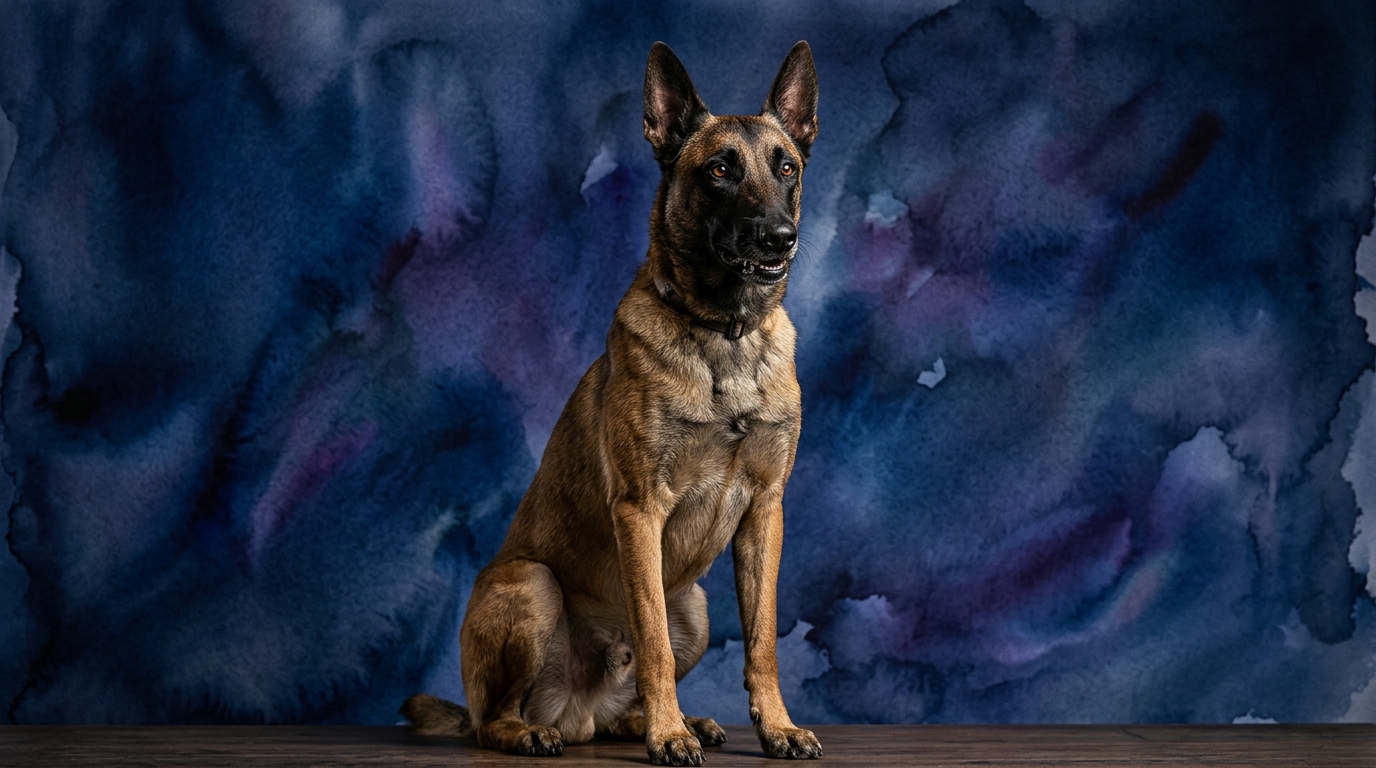
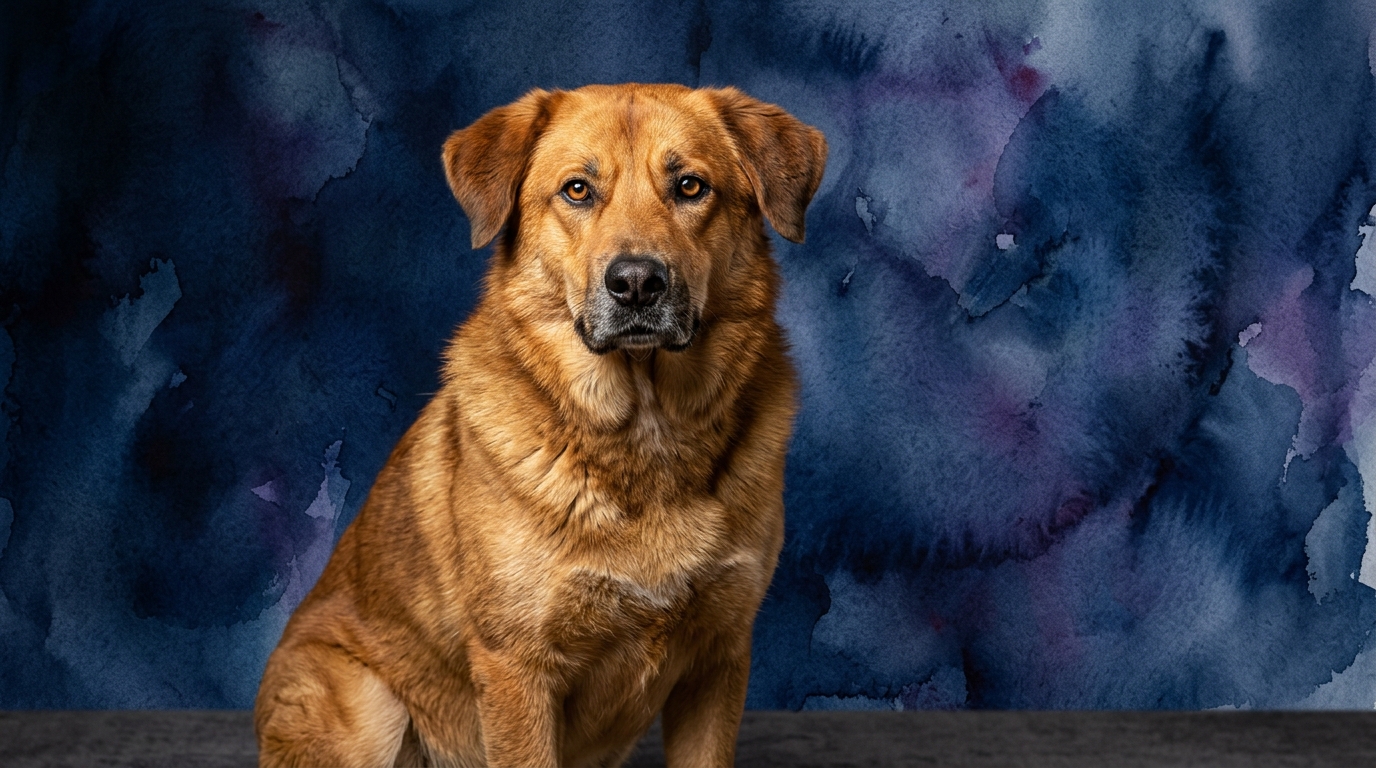
Side-by-Side IQ Profile: Belgian Malinois vs. Chinook
The Cosmic Pet Pet IQ Lab provides a unique lens through which to examine the cognitive landscapes of different dog breeds, moving beyond generalities to specific dimensions of intellect. For our comparison, the Belgian Malinois, a Herding breed, holds a Coren rank of #22, indicating a formidable capacity for understanding new commands quickly and obeying them consistently. The Chinook, a Working breed, is not currently Coren-ranked, which suggests its cognitive strengths lie in different areas or are less about rapid command assimilation and more about steady application.
Let's break down their profiles across five key cognitive dimensions. For the Belgian Malinois, problem-solving is rated 5/5, indicating an exceptional ability to analyze complex situations and devise effective solutions, often with remarkable independence. Their training speed also earns a 5/5, signifying rapid acquisition of new commands and the ability to master intricate sequences with minimal repetition. Social intelligence, at 4/5, shows they are highly attuned to human cues and intentions, though their focus is often intensely directed towards their primary handler. An instinctive drive of 5/5 means they possess powerful genetic predispositions for activity, work, and protection, fueling relentless pursuit of goals. Finally, memory at 5/5 reflects an impressive capacity for long-term retention of learned behaviors, commands, and environmental details, rarely forgetting a task or a perceived threat.
The Chinook presents a different cognitive blueprint. Its problem-solving ability is rated 3/5, meaning it can tackle practical challenges effectively, but may require more guidance or benefit from a more structured approach compared to the Malinois's independent ingenuity. Training speed is also 3/5, indicating a moderate pace of learning; Chinooks show willingness but typically need consistent, patient reinforcement and more repetition to solidify new behaviors. Social intelligence, at 3/5, suggests they are generally observant and amiable in human interactions, but perhaps not as acutely intuitive or handler-focused as a Malinois. Their instinctive drive scores 3/5, reflecting a moderate working drive suitable for sustained tasks like sledding or companionship without the intense, often demanding, focus seen in a high-drive herding breed. Memory, also at 3/5, means they retain information adequately for daily routines and learned commands, ensuring reliability, but perhaps without the Malinois's near-photographic recall for every detail.
Where the Belgian Malinois Wins Cognitively
The Belgian Malinois demonstrably excels in areas requiring intense focus, rapid learning, and independent application of intellect. Their 5/5 problem-solving skill means they are adept at navigating novel environments and overcoming obstacles without constant human intervention, a critical trait for police, military, and search-and-rescue dogs. This isn't just about brute force; it's about evaluating a situation and formulating a plan, whether it's figuring out how to open a gate or locating a hidden object.
Furthermore, the Malinois's 5/5 training speed and 5/5 memory combine to create an unparalleled capacity for mastering complex tasks and retaining them over time. They absorb multi-step commands and intricate routines with astonishing efficiency, making them ideal candidates for advanced obedience, agility, and protection sports. Their potent 5/5 instinctive drive, coupled with their cognitive prowess, means they approach tasks with unwavering intensity and a relentless desire to succeed, pushing through challenges where other breeds might falter. This makes them formidable partners for owners who can match their mental and physical demands.
Where the Chinook Wins Cognitively
While the Chinook may not possess the same blistering speed of acquisition or independent problem-solving as the Malinois, its cognitive strengths lie in a different, equally valuable domain: balanced adaptability and steady application. Its 3/5 problem-solving, while not top-tier, means it's still capable of learning and adapting to new situations, often with a more measured and less impulsive approach. This can translate to a dog that is less prone to independent 'fix-it' schemes that might conflict with an owner's wishes.
The Chinook's moderate scores across the board (3/5 for training speed, social intelligence, instinctive drive, and memory) contribute to a more harmonious and less demanding cognitive profile for many owners. Their balanced instinctive drive means they possess a willingness to work and engage without the overwhelming intensity that can be challenging to manage in a Malinois. This allows them to integrate smoothly into family life, offering companionship and participation in activities without a constant, high-octane need for stimulation. Their social intelligence, while not as acutely handler-focused as the Malinois, often translates to a generally friendly and cooperative demeanor with a wider range of people and situations, contributing to their reputation as amiable companions.
Which Is Easier to Train and Why?
Defining 'easier to train' depends heavily on the owner's goals and experience. From a pure speed and complexity standpoint, the Belgian Malinois is arguably 'easier' for an experienced handler targeting advanced performance. Their 5/5 training speed means they grasp new commands almost instantly and can chain together complex behaviors with remarkable fluidity. Their 4/5 social intelligence ensures they are keenly focused on their handler's cues, eager to please within a structured working relationship. However, this ease comes with a significant caveat: their 5/5 instinctive drive and 5/5 memory mean they also rapidly learn and retain undesirable behaviors if not consistently and precisely guided. Training a Malinois requires unwavering consistency, clear boundaries, and the ability to channel their immense drives into productive outlets, otherwise, their independent problem-solving might lead them to train themselves in ways an owner doesn't appreciate, such as counter-surfing or excessive guarding.
The Chinook, with its 3/5 training speed, requires more patience and repetition, making the initial learning phase slower. However, their moderate 3/5 instinctive drive makes them generally more manageable and less prone to intense, high-energy outbursts or relentless pursuit of their own agendas compared to a Malinois. While they may not learn a trick in two repetitions, they are often more forgiving of owner mistakes and less likely to develop extreme behavioral issues from insufficient stimulation. Their 3/5 social intelligence means they are generally cooperative and observant, responding well to positive reinforcement without the intense, demanding focus of a Malinois. For an average owner seeking a well-behaved companion, the Chinook's more balanced cognitive profile might translate to an 'easier' long-term training journey, requiring less specialized expertise to maintain good manners and a calm household.
Which Suits Active Owners vs. Relaxed Owners?
The distinction between these two breeds in terms of owner suitability is stark, primarily driven by their core cognitive profiles and inherent drives. The Belgian Malinois is unequivocally suited for highly active and dedicated owners. Their 5/5 instinctive drive and constant need for mental and physical engagement mean they thrive in structured environments that offer demanding tasks. Owners who engage in advanced dog sports like Schutzhund, agility, competitive obedience, or who require a working partner for service, protection, or search and rescue roles will find the Malinois's relentless focus, problem-solving ability, and memory indispensable. A Malinois needs a job, and an owner must be prepared to provide it daily, channeling their intense energy and sharp intellect into productive outlets.
Conversely, the Chinook is a far better fit for active owners who appreciate outdoor adventures but also desire a more relaxed, integrated family companion. While still a working breed, their moderate 3/5 instinctive drive means they require regular exercise—daily walks, hikes, or playtime—but not the same intensity or highly structured mental challenge as a Malinois. They are content participating in family activities and enjoy exploring new environments without the constant 'need to work' pressure. Their balanced temperament and moderate cognitive demands make them adaptable to a less rigorous routine, making them excellent companions for individuals or families who enjoy an active lifestyle but also value downtime and a calm presence in the home.
The Verdict
Choose the Belgian Malinois if you are an experienced owner seeking a relentless working partner for demanding sports, protection, or service roles, capable of providing intensive, consistent training and a highly structured lifestyle.
Opt for the Chinook if you desire a steady, amiable companion for outdoor adventures and family life, appreciating a dog with moderate drives and a calm, cooperative demeanor that integrates well into a less intense routine.
🧠 Find Your Pet's IQ Score
Our Pet IQ Lab assessment covers 25+ tests across 5 cognitive dimensions — personalized to your breed.
Take the Full IQ Test →Frequently Asked Questions
Do Belgian Malinois make good family pets?
They can, but require extensive socialization and training from a young age, plus a family committed to providing constant mental and physical engagement to prevent boredom or destructive behaviors. Their intensity and drive demand a very involved family.
Are Chinooks good for first-time dog owners?
While generally cooperative and even-tempered, their size and working breed heritage mean they still benefit from owners willing to invest in consistent positive reinforcement training and thorough socialization. They are more manageable than a Malinois for a novice, but still need commitment.
What kind of mental stimulation do these breeds need?
A Malinois needs complex problem-solving tasks, advanced obedience, and drive-based work daily to prevent boredom, such as scent work or protection training. A Chinook benefits from regular training sessions, puzzle toys, and exploring new environments through hiking or walks, offering engagement without extreme intensity.