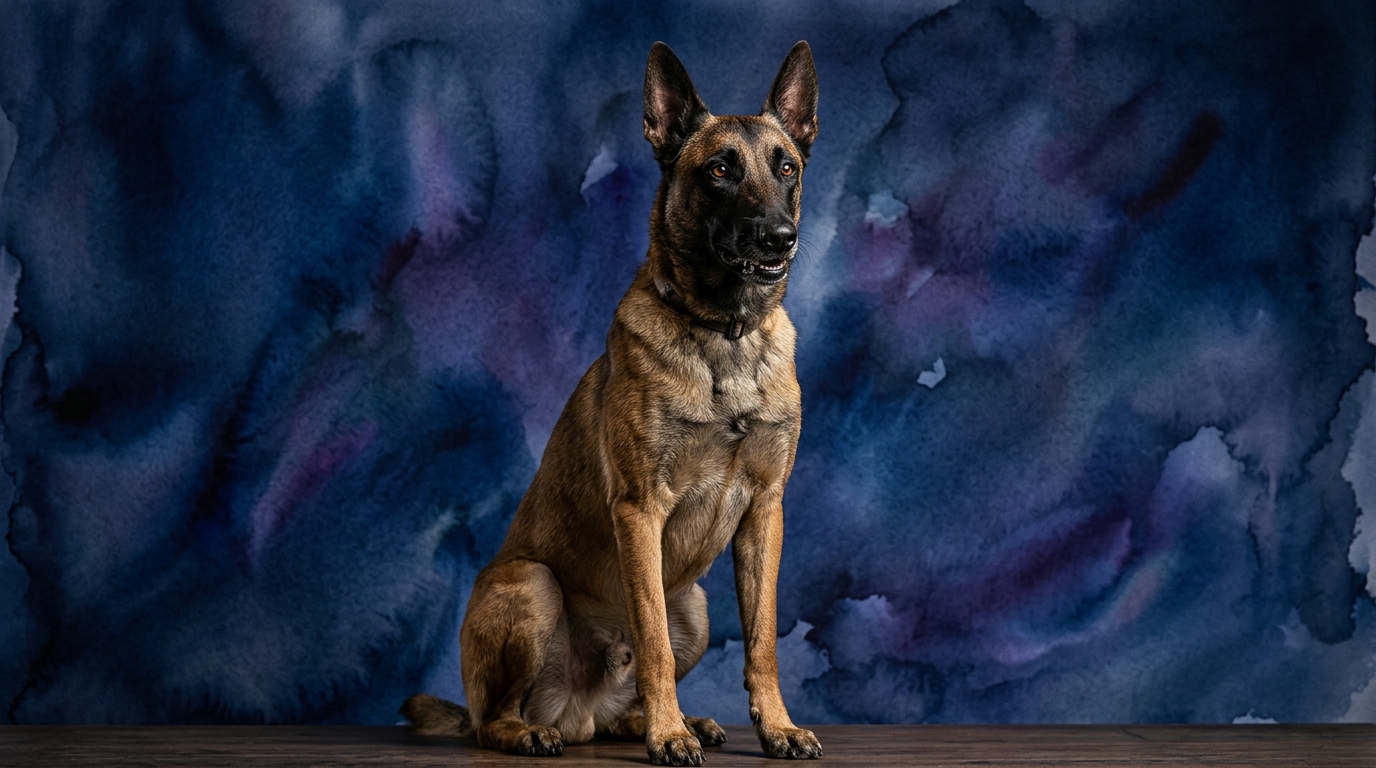
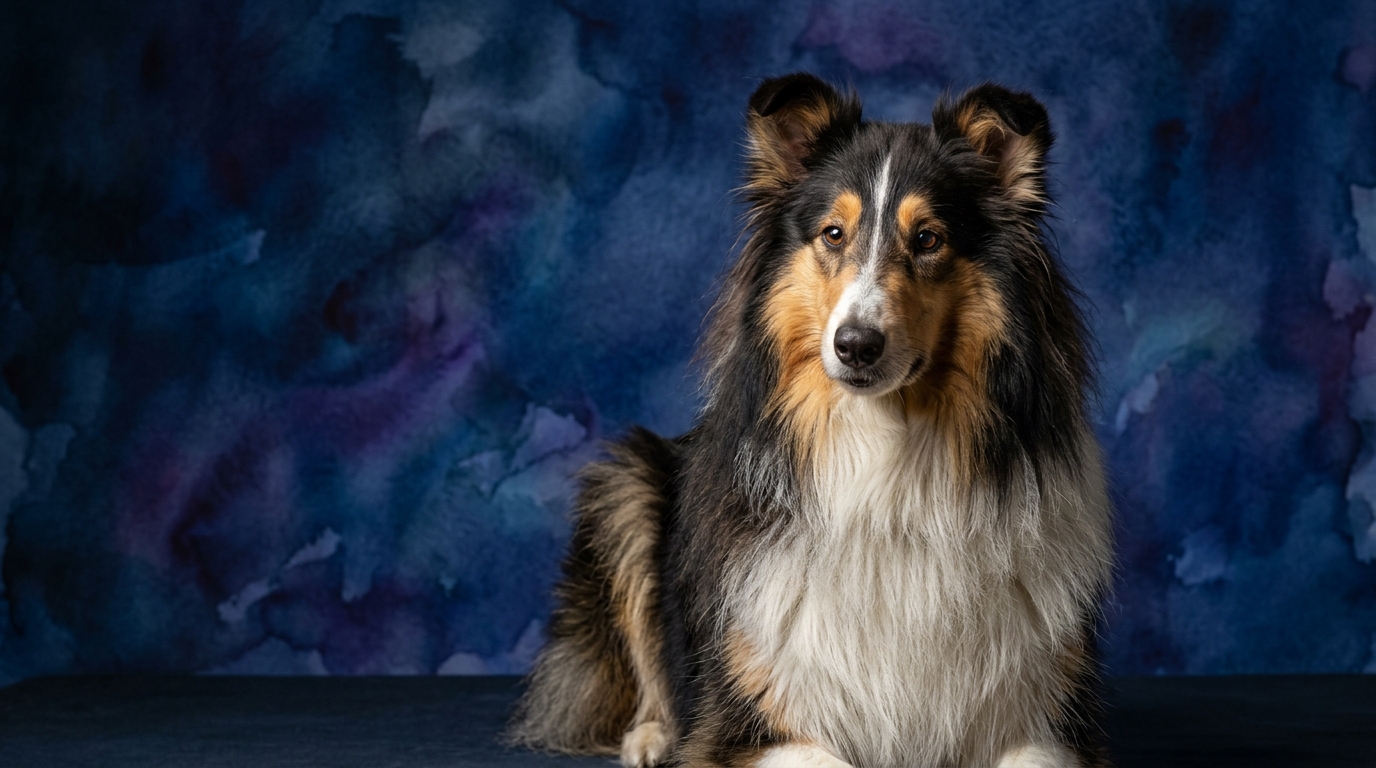
Side-by-Side IQ Profile: Malinois vs. Collie
**Belgian Malinois** (Coren rank #22): This breed exhibits an extraordinary cognitive toolkit, finely tuned for demanding tasks. Their **Problem Solving (5/5)** rating indicates exceptional aptitude for navigating complex novel situations, quickly devising solutions to obstacles or challenges with agile thought processes. **Training Speed (5/5)** is unparalleled, as they grasp new commands and behaviors with remarkable quickness, often requiring minimal repetitions. Their **Social Intelligence (4/5)** is highly focused, excelling at understanding handler cues and intentions for working partnerships. An **Instinctive Drive (5/5)** fuels their relentless work ethic, particularly in protection, herding, or detection roles. Finally, their **Memory (5/5)** is outstanding, retaining learned behaviors and experiences over extended periods with consistent recall.
**Collie (Rough)** (Coren rank #16): The Collie presents a thoughtful and cooperative cognitive profile. Their **Problem Solving (4/5)** ability shows a solid capacity to tackle new problems, often applying learned principles to unfamiliar scenarios, though perhaps not with the Malinois's spontaneous inventiveness. **Training Speed (4/5)** is commendable; they pick up new commands at a good pace, demonstrating attentiveness and a willingness to learn. Their **Social Intelligence (3/5)** is characterized by a gentle nature, forming deep bonds with family and geared towards harmonious cohabitation. A moderate **Instinctive Drive (3/5)** means they possess inherent herding instincts but typically with less intensity than other working breeds, preferring companionship. Crucially, their **Memory (5/5)** is excellent, adeptly retaining commands, routines, and social interactions, contributing to their reliability.
Where Belgian Malinois Wins Cognitively
The Belgian Malinois demonstrably excels in areas demanding intense focus, rapid analytical thinking, and a powerful work ethic. Their 5/5 rating in Problem Solving signifies an exceptional ability to not just follow commands, but to independently assess dynamic situations and formulate effective, often innovative, responses. For instance, in complex scent detection tasks or agility courses requiring on-the-fly adjustments, a Malinois will often creatively adapt to unforeseen obstacles or changes in sequence, rather than simply pausing for instruction. This reflects a proactive cognitive style. This breed's 5/5 Training Speed is another significant cognitive advantage, allowing them to absorb multi-step commands and intricate sequences with remarkable efficiency, often after only a few repetitions. This isn't merely about obedience; it reflects a neural plasticity and attentiveness that makes them exceptionally receptive to advanced learning and skill acquisition. Furthermore, their 5/5 Instinctive Drive translates into an unwavering determination to complete tasks, even under challenging or distracting conditions. This isn't just enthusiasm; it's a deep-seated cognitive commitment to a goal, making them incredibly resilient and persistent in high-pressure environments, whether tracking, guarding, or performing complex search and rescue operations. Their focused social intelligence allows them to anticipate handler intentions with precision, making them highly synchronized partners in demanding roles.
Where Collie (Rough) Wins Cognitively
While the Malinois thrives on high-intensity problem-solving, the Collie (Rough) brings a different, yet equally valuable, set of cognitive strengths to the forefront, particularly appealing for companionship roles. The Collie's 5/5 Memory is a standout trait, matching the Malinois in its capacity for long-term retention of learned behaviors, commands, and social cues. This means a Collie who has learned a routine or a set of polite household manners will reliably perform them consistently over time, making them wonderfully predictable and trustworthy companions once trained. Their 4/5 in Problem Solving indicates a thoughtful, methodical approach; while they might not generate solutions as rapidly or inventively as a Malinois, they are capable of rational thought and can often figure out puzzles with persistence and observation. Their social intelligence, though rated 3/5, is characterized by a gentle empathy and a strong desire for harmonious interaction within their immediate family unit. This isn't about performing complex working tasks but about understanding and responding to the emotional nuances of their human companions, making them particularly attuned to household dynamics and sensitive to their owners' moods. The Collie’s more moderate instinctive drive (3/5) also contributes to a calmer cognitive baseline, allowing them to process information without the same level of urgent intensity, which can be a significant advantage in less demanding, family-oriented environments.
Which is Easier to Train and Why
When assessing ease of training, the distinction largely depends on the *type* of training desired and the handler's experience level. The Belgian Malinois, with its 5/5 Training Speed and 5/5 Instinctive Drive, is often perceived as "easier" for advanced obedience, protection work, or specialized tasks due to their rapid learning and intense focus. Their inherent eagerness to work, coupled with their quick grasp of new concepts, means they quickly solidify complex commands and thrive on structured, challenging activities. However, this ease comes with a significant caveat: their profound drive and problem-solving acumen demand consistent, expert mental engagement and a skilled, confident handler who can channel their boundless energy and cognitive capacity constructively. Without appropriate, stimulating outlets, their inventiveness can quickly lead to unwanted behaviors as they "solve" their own boredom, potentially becoming destructive or overly vigilant.
The Collie (Rough), with its 4/5 Training Speed and 3/5 Instinctive Drive, is generally amenable to training for household manners and basic obedience, making them a more straightforward choice for many owners. They learn well and respond positively to gentle, consistent methods, often motivated by praise and affection. Their temperament is less inclined towards high-intensity work, meaning they won't typically push boundaries or seek out complex challenges with the same urgency a Malinois might. Their strong memory (5/5) ensures that once a behavior is learned, it is retained reliably, leading to a consistent and predictable companion. For an owner seeking a cooperative dog for everyday life rather than a working partner for demanding roles, the Collie might feel "easier" because their cognitive needs are less intense and their drive less insistent. Their behavioral differences manifest in the Malinois's tendency to be more "go-go-go" and investigative, always seeking the next task, while the Collie is more prone to a "wait-and-see" approach, making their training experiences distinctly different in pace and intensity.
Which Suits Active Owners vs. Relaxed Owners
The Belgian Malinois is undeniably suited for active, experienced owners who relish a dynamic partnership in demanding pursuits. Their unparalleled problem-solving skills, rapid training speed, and intense instinctive drive mean they thrive when given a significant job to do, whether it's competitive dog sports like IGP or agility, protection work, or even professional working roles such as search and rescue. An owner who enjoys extensive hiking, running, or engaging in hours of mentally stimulating training sessions will find a Malinois an ideal, highly engaged companion. This breed requires an owner who understands how to harness and direct their formidable cognitive energy and physical stamina, providing consistent structure and challenges to prevent boredom and destructive behaviors.
Conversely, the Collie (Rough) is a far better match for owners seeking a more relaxed yet still engaged companion that integrates seamlessly into family life. While they certainly benefit from regular walks, play, and mental enrichment through training, their moderate instinctive drive and more subdued social intelligence mean they are content with less intense activity levels and a calmer home environment. They genuinely enjoy being part of the family, participating in daily routines, and learning new things at a comfortable pace without the constant demand for high-octane stimulation. A Collie will flourish with an owner who appreciates their gentle nature, strong memory for routines, and affectionate companionship, without needing to fulfill a relentless drive for demanding mental or physical challenges. They are well-suited to households that value a calm, predictable presence and harmonious interactions.
The Verdict
Opt for a Belgian Malinois if you are an experienced, active owner seeking a driven, highly trainable partner for demanding sports, protection work, or a challenging lifestyle that provides constant mental and physical engagement.
Select a Collie (Rough) if you desire a gentle, devoted family companion with excellent memory and a moderate activity level, suitable for a more relaxed home environment that still values consistent training and companionship.
🧠 Find Your Pet's IQ Score
Our Pet IQ Lab assessment covers 25+ tests across 5 cognitive dimensions — personalized to your breed.
Take the Full IQ Test →Frequently Asked Questions
Does a higher Coren rank mean a dog is smarter?
Coren's ranking primarily assesses "working intelligence" or obedience, reflecting a breed's ability to learn and follow human commands. While useful, it doesn't encompass the full spectrum of canine cognition, such as problem-solving in novel situations or social-emotional intelligence, which our IQ Lab considers.
How does instinctive drive impact a dog's daily life?
Instinctive drive dictates a dog's inherent motivation for certain behaviors, like herding, retrieving, or guarding. A high drive means a dog needs consistent outlets for these instincts to remain content and well-behaved, while a moderate drive suggests less intense urges, leading to a calmer demeanor.
Can a Collie (Rough) excel in agility like a Malinois?
While a Collie (Rough) can certainly participate in and enjoy agility due to its memory and trainability, a Belgian Malinois's superior problem-solving, training speed, and intense drive often give it an edge in reaching elite competitive levels, as it thrives on speed and complex sequences. The Collie is more suited to a recreational pace.