
Side-by-Side IQ Profile
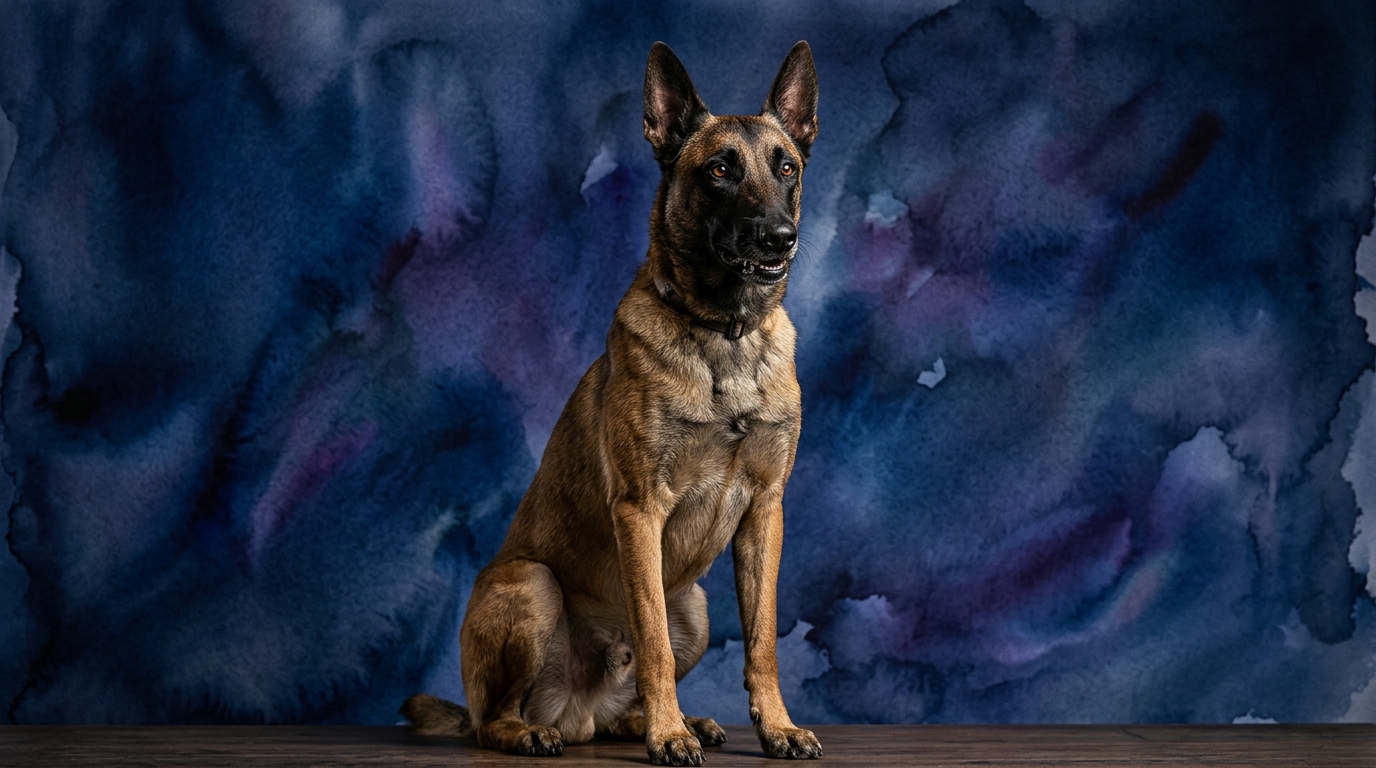
Our Cosmic Pet Pet IQ Lab data offers a granular view into the cognitive makeup of these two breeds, spanning five critical dimensions. The Belgian Malinois, ranking #22 on the Coren scale, demonstrates exceptional problem-solving (5/5), training speed (5/5), instinctive drive (5/5), and memory (5/5), complemented by robust social intelligence (4/5). This profile paints a picture of a dog built for purpose and precision, capable of processing complex scenarios rapidly and executing tasks with unwavering focus. Their high scores across the board suggest a dog that not only learns quickly but also retains information and applies it within a driven, task-oriented framework.
In contrast, the Miniature Poodle, an impressive #2 on the Coren scale, shares perfect scores in problem-solving (5/5), training speed (5/5), and memory (5/5), indicating a profound capacity for learning and mental agility. However, its social intelligence (3/5) and instinctive drive (3/5) scores are notably lower than the Malinois. This suggests a breed that, while intellectually capable of mastering intricate commands and solving novel challenges, may approach tasks with a different internal motivation and a slightly less intense focus on handler cues compared to its working counterpart. Their cognitive strengths lie in their capacity for abstract thought and rapid acquisition of non-instinctive behaviors.
Where Belgian Malinois Wins Cognitively
The Belgian Malinois truly excels in scenarios demanding intense focus, sustained effort, and the application of physical and mental prowess simultaneously. Their perfect 5/5 instinctive drive means they possess an inherent, unwavering motivation to work, whether that involves tracking, protection, or agility, making them relentless in pursuit of a task. This drive, combined with their 5/5 problem-solving, allows them to navigate complex, real-world challenges like obstacle courses or search and rescue operations with remarkable tenacity and ingenuity, adapting tactics on the fly. Furthermore, their 4/5 social intelligence, while not perfect, is geared towards understanding and responding to subtle handler cues in high-pressure situations, creating an almost telepathic partnership crucial for demanding police or military roles where precision and immediate response are paramount. Their memory (5/5) ensures they retain intricate command sequences and environmental details even after long periods, contributing to their reliability in critical tasks.
Where Miniature Poodle Wins Cognitively
The Miniature Poodle's cognitive strengths shine brightest in areas requiring adaptability, abstract thought, and the rapid acquisition of diverse skills that aren't necessarily rooted in primal drives. Their 5/5 problem-solving and 5/5 training speed, coupled with perfect memory (5/5), allows them to grasp complex concepts and multi-step commands with exceptional swiftness, often appearing to anticipate what's next. This makes them superb candidates for competitive obedience, trick training, and even canine freestyle, where creativity and precise execution of non-instinctive movements are key. Unlike the Malinois, whose problem-solving is often tied to a physical task or prey drive, the Poodle can engage with intellectual puzzles for their own sake, enjoying the mental challenge itself. Their lower instinctive drive (3/5) can sometimes be an advantage, meaning they are less likely to become overly fixated on external stimuli and can maintain focus on a variety of tasks without needing constant redirection of intense energy.
Which is Easier to Train and Why
Both breeds boast a 5/5 training speed, indicating a rapid capacity to learn new commands. However, "easier to train" is a nuanced concept that hinges significantly on the owner's experience and the dog's inherent motivations. The Belgian Malinois, with its overwhelming 5/5 instinctive drive, learns commands at an astonishing pace, but this drive must be channeled and managed with expert precision. Without a consistent, experienced handler providing clear direction and a "job," this intense drive can manifest as destructive behaviors or anxious energy. Training a Malinois is less about teaching them what to do, and more about teaching them how to apply their existing drive and intelligence to human-desired tasks. Their 4/5 social intelligence means they are acutely attuned to their handler, but this also means they require a firm, fair, and consistent leader.
The Miniature Poodle, while equally quick to learn (5/5 training speed) and possessing a perfect memory (5/5), presents a different training dynamic. Its lower instinctive drive (3/5) means it's generally less prone to the intense, single-minded focus that requires constant management. They are still highly motivated by positive reinforcement and enjoy the mental stimulation of learning, making them very responsive to engaging training sessions. While their social intelligence is 3/5, they are often eager to please and will readily pick up cues. For a novice owner, the Poodle might feel "easier" because its drives are less overwhelming and more adaptable to a typical household environment, requiring less specialized handling to prevent unwanted behaviors. However, their intelligence means they can become bored or mischievous if not adequately stimulated mentally.
Which Suits Active Owners vs Relaxed Owners
For the truly active, dedicated, and experienced owner, the Belgian Malinois is an unparalleled partner. This breed thrives with a lifestyle that mirrors its working heritage, demanding rigorous physical exercise (think running, hiking, advanced agility) combined with extensive mental engagement through structured training, dog sports, or a legitimate "job." An owner who can commit several hours daily to their Malinois's physical and cognitive needs will find an incredibly loyal and capable companion. This is not a breed for a relaxed owner; insufficient stimulation will inevitably lead to frustration for the dog and potential behavioral issues for the owner.
The Miniature Poodle, while certainly capable of high activity and excelling in dog sports, offers more flexibility for owners with varying activity levels. Their perfect problem-solving and memory mean they still require consistent mental stimulation, such as puzzle toys, trick training, or engaging walks with scent work. However, their lower instinctive drive (3/5) means they can adapt to a home that isn't constantly on the go, as long as their intellectual needs are met. A moderately active owner who enjoys daily walks, play sessions, and regular training will find the Miniature Poodle a wonderful fit. They can certainly be a great companion for an active family, but unlike the Malinois, they typically won't unravel if a day or two of intense activity is missed, provided their minds are still kept busy.
The Verdict
Choose a Belgian Malinois if you are an experienced, highly active owner seeking a dedicated working partner for demanding tasks, prepared to channel immense drive and intelligence with consistent, expert leadership.
Opt for a Miniature Poodle if you desire a versatile, mentally agile companion adaptable to various lifestyles, capable of excelling in diverse activities, and offering profound intellectual engagement without overwhelming primal drives.
🧠 Find Your Pet's IQ Score
Our Pet IQ Lab assessment covers 25+ tests across 5 cognitive dimensions — personalized to your breed.
Take the Full IQ Test →Frequently Asked Questions
Does a Miniature Poodle require as much exercise as a Belgian Malinois?
No, while Miniature Poodles are energetic and enjoy activity, their exercise needs are typically moderate compared to the intense demands of a Belgian Malinois. Poodles benefit from daily walks and mental games, whereas Malinois require rigorous physical exertion and structured work to thrive.
Can a novice owner successfully train a Belgian Malinois?
Training a Belgian Malinois can be very challenging for a novice owner due to their extreme drive and need for consistent, expert guidance. While they learn quickly, managing their powerful instincts effectively usually requires significant experience and dedication to prevent behavioral issues.
Are Miniature Poodles good family dogs despite their lower social intelligence score?
Yes, Miniature Poodles can be wonderful family dogs; their 3/5 social intelligence score indicates they are generally attuned to their immediate family but might be less overtly demonstrative or universally gregarious with strangers compared to some breeds. Proper socialization ensures they are comfortable and happy within a family setting.