
Side-by-Side IQ Profile: Herder vs. Guardian
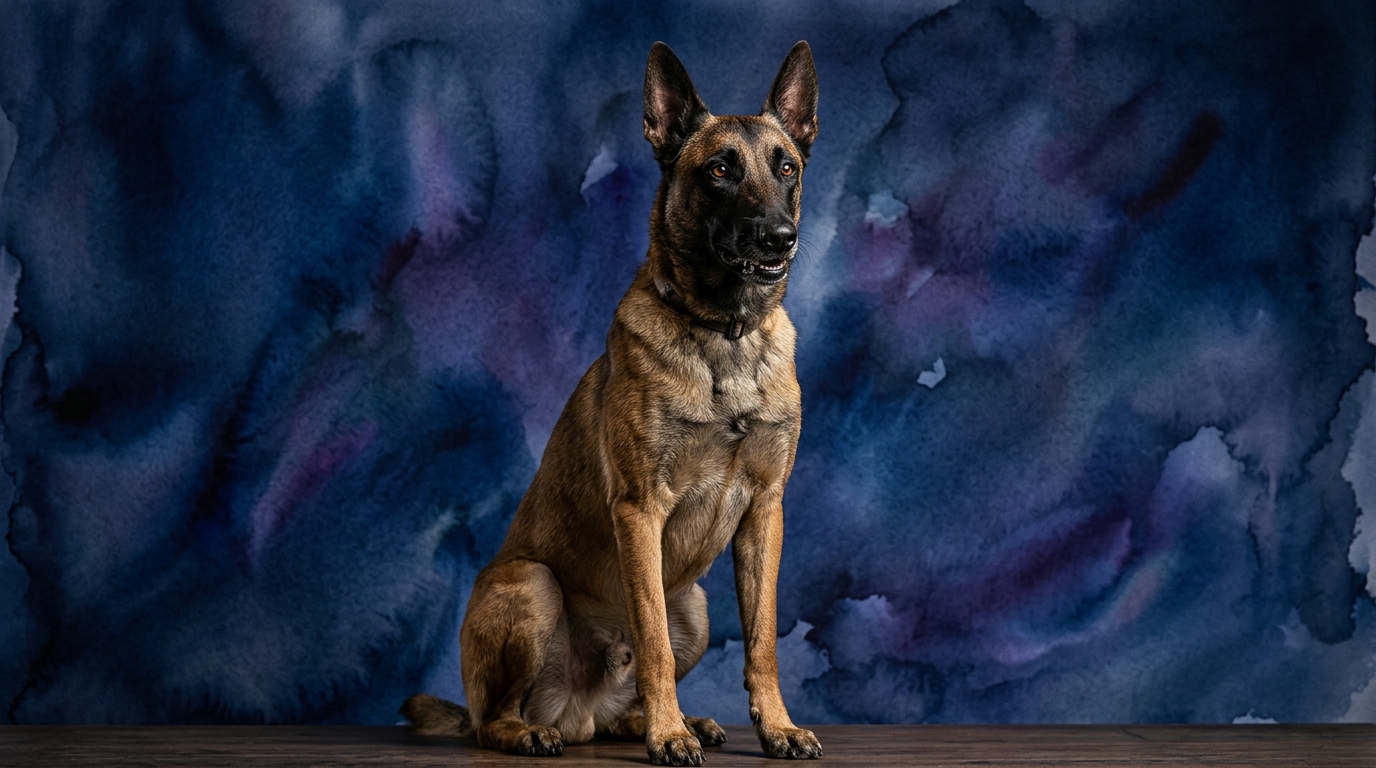
The Belgian Malinois, a breed frequently seen in demanding working roles, exhibits a cognitive profile tailored for dynamic performance. Its Problem Solving is rated 5/5, indicating an exceptional capacity to assess novel situations and devise effective solutions rapidly, often independently. Training Speed also scores 5/5, reflecting a quick grasp of new commands and an eagerness to learn complex sequences, making them highly receptive to instruction. Their Social Intelligence is a robust 4/5, suggesting a deep understanding of human cues and a strong ability to form effective working partnerships, though their social interactions are often purpose-driven. An Instinctive Drive of 5/5 highlights their intense motivation for work, whether it's herding, protection, or scent detection, requiring consistent mental and physical outlets. Finally, their Memory is rated 5/5, allowing them to retain vast amounts of information, from intricate routines to environmental details, crucial for their multifaceted tasks.
In contrast, the Neapolitan Mastiff presents a cognitive blueprint optimized for vigilant guardianship, rather than high-octane performance. Their Problem Solving is rated 3/5, indicating practical, situation-specific abilities, particularly concerning territorial security, but less inclination towards abstract or complex novel challenges. Training Speed stands at 3/5; they learn commands and routines but at a more deliberate pace, requiring patience and consistent reinforcement rather than rapid-fire instruction. Social Intelligence is also 3/5, reflecting profound loyalty and discernment towards their family, but a generally reserved or indifferent approach to strangers, interpreting social cues primarily through a protective lens. Their Instinctive Drive is 3/5, meaning they possess strong guardian instincts and territorial awareness, yet lack the relentless pursuit drive seen in herding or hunting breeds. Their Memory, at 3/5, supports consistent retention of familiar routines, family members, and established boundaries, though perhaps not the detailed recall of complex, varied sequences.
Where the Belgian Malinois Wins Cognitively
The Belgian Malinois excels in cognitive domains requiring rapid adaptation, intricate learning, and proactive engagement. Their Problem Solving at 5/5 allows them to analyze and navigate complex environments, like an agility course or a search and rescue scenario, with remarkable ingenuity. This capacity extends to quickly understanding multi-step commands and anticipating handler intentions, which is directly supported by their 5/5 Training Speed. This breed doesn't just learn; it often predicts. Their 5/5 Instinctive Drive fuels an unwavering focus and persistence, enabling them to sustain demanding tasks over long periods, making them invaluable in roles requiring continuous effort and mental stamina. Furthermore, their 5/5 Memory ensures that once a skill is acquired or a lesson learned, it is deeply ingrained, leading to reliable and consistent performance even under pressure. This combination of cognitive strengths makes them unparalleled for dynamic, high-stakes work.
Where the Neapolitan Mastiff Wins Cognitively
While not scoring as high in traditional 'working intelligence,' the Neapolitan Mastiff's cognitive profile represents a 'win' in specific, crucial areas tailored to its ancestral purpose. Their 3/5 Social Intelligence is not a deficit but a specialized adaptation; it fosters an intensely loyal bond with their immediate family while maintaining a discerning, often aloof, stance towards outsiders. This specific social cognition makes them exceptional at identifying and responding to perceived threats within their domain, a hallmark of an effective guardian. Their Problem Solving, rated 3/5, is geared towards the steady assessment of environmental changes and potential infringements on their territory, rather than solving abstract puzzles. This translates to an acute awareness of their surroundings and a calm, imposing presence that often deters without direct confrontation. Moreover, their lower 3/5 Instinctive Drive, compared to the Malinois, is a cognitive advantage for a home guardian, meaning they are less inclined to generate their own high-energy 'jobs' or exhibit restlessness if not constantly stimulated. This contributes to their characteristic calm demeanor indoors, promoting a steady, watchful presence rather than a need for constant activity.
Training Ease: Biddable Partner vs. Deliberate Guardian
When it comes to ease of training, the Belgian Malinois stands out significantly. Their 5/5 Training Speed means they absorb new commands and concepts with minimal repetition, often eager to engage and excel. Their high Instinctive Drive (5/5) and strong Memory (5/5) create a biddable and motivated learner who genuinely seeks to understand and perform tasks alongside their handler. They thrive on structure and challenges, often making training a dynamic and rewarding experience for both dog and owner. This breed actively participates in the learning process, quickly forming associations and generalizing learned behaviors.
The Neapolitan Mastiff, with a 3/5 Training Speed and 3/5 Memory, requires a different approach. Training them demands immense patience, consistency, and positive reinforcement. They are not as inherently driven to 'please' through rapid task execution; their motivation stems more from loyalty and trust in their handler. While capable of learning all necessary commands and good manners, they will do so at a more deliberate pace, often needing more repetitions to solidify understanding. Their independent, watchful nature means that training success often hinges on clear, fair communication and respecting their inherent guardian instincts, rather than expecting the high-octane responsiveness of a working Malinois.
Lifestyle Match: Active Engagement vs. Calm Vigilance
The cognitive and temperamental differences between these two breeds dictate vastly different lifestyle requirements. The Belgian Malinois, with its 5/5 Instinctive Drive and 5/5 Problem Solving, is ideally suited for active owners who can provide consistent, high-intensity physical exercise and rigorous mental stimulation. These dogs thrive in homes where they have a 'job,' whether it's competitive dog sports, advanced obedience, protection work, or extensive outdoor adventures. An owner must be prepared to channel their intense focus and boundless energy into productive, structured activities daily, as a bored Malinois can quickly become a destructive one. They demand an engaged partnership.
Conversely, the Neapolitan Mastiff, with its lower 3/5 Instinctive Drive and more deliberate Problem Solving, is a better match for relaxed owners seeking a calm, imposing, and devoted companion. While they require regular, moderate exercise for their health, they are not hyperactive and are generally content with a stable routine and a comfortable home environment. Their mental stimulation often comes from observing their domain and interacting with their family, rather than through constant training drills or high-octane activities. They are best suited for owners who appreciate their unwavering loyalty and watchful presence, and who can provide a secure, peaceful existence without demanding constant engagement.
The Verdict
Choose a Belgian Malinois if you are an experienced, active owner seeking a highly biddable, intelligent working partner capable of mastering complex tasks and thriving in high-intensity, structured environments.
Opt for a Neapolitan Mastiff if you desire a profoundly loyal, imposing guardian with a calm, watchful demeanor, valuing steady companionship and territorial vigilance over high-energy activities and intricate obedience.
🧠 Find Your Pet's IQ Score
Our Pet IQ Lab assessment covers 25+ tests across 5 cognitive dimensions — personalized to your breed.
Take the Full IQ Test →Frequently Asked Questions
Does Coren rank apply to all dog breeds?
No, Stanley Coren's intelligence ranking primarily focused on working and obedience intelligence, based on survey data from obedience judges. Many breeds, especially those developed for specialized guarding or companion roles without a strong emphasis on competitive obedience, are not included in his specific ranking.
Can a Neapolitan Mastiff perform complex tasks?
While a Neapolitan Mastiff can learn complex tasks with extensive, patient training, their cognitive profile, particularly their training speed and problem-solving scores, suggests they are not naturally inclined towards rapid acquisition or innovative application of such skills. Their strengths lie in consistent, dedicated guardianship.
How does 'instinctive drive' impact a dog's daily life?
Instinctive drive, a measure of inherent motivation for tasks like herding, hunting, or protection, significantly dictates a dog's energy levels and need for purpose. A high drive breed like the Malinois requires regular, challenging outlets to prevent boredom and redirected behaviors, while a lower drive breed like the Neapolitan Mastiff is generally more content with a stable routine and less intense engagement.